
Main Courses
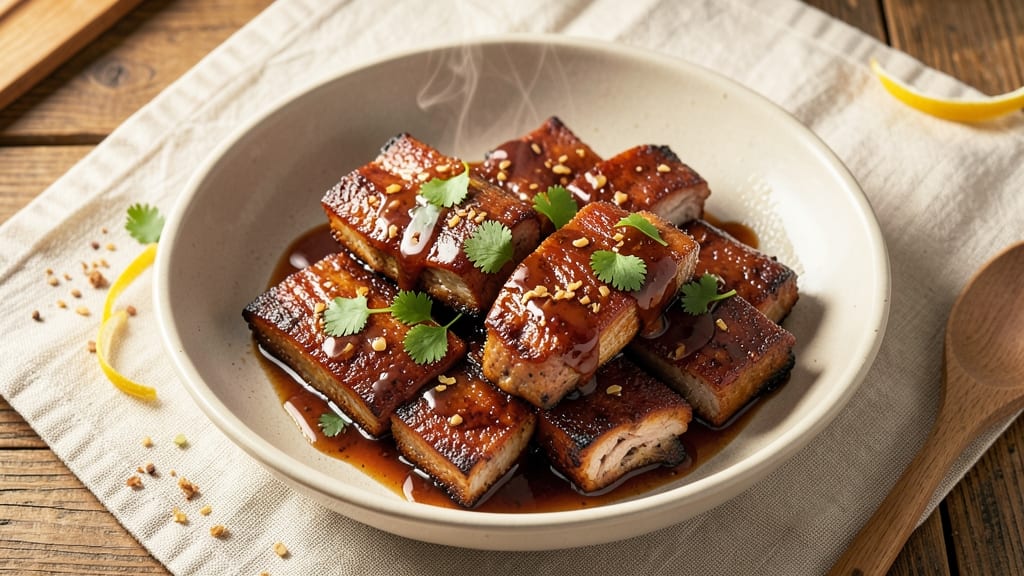
This boneless pork ribs recipe transforms tough cuts into melt-in-your-mouth tenderness using just your stovetop—no oven or grill required. I perfected this method after years of testing, and the secret lies in slow, controlled cooking that breaks down the fibers without drying the meat out.
The result? Juicy, flavorful ribs that practically fall apart at the touch of a fork.
What makes this recipe work is the combination of a simple marinade and precise temperature control. You'll start by searing the ribs to lock in juices, then simmer them gently in a flavorful liquid until they're fork-tender.
This method delivers restaurant-quality results in just 30 minutes of active cooking time, with minimal cleanup. Perfect for weeknights when you crave something special but don't have hours to spare.
The beauty of stove-top cooking is how it preserves moisture while developing deep, savory flavors. As the ribs simmer, they absorb the aromatics from garlic, ginger, and soy sauce, creating a natural glaze that caramelizes beautifully.
The final texture is what you'd expect from a slow-cooked brisket—tender enough to shred but with enough structure to hold its shape.
This recipe works beautifully with simple sides like steamed greens, roasted potatoes, or a fresh cucumber salad. The rich, meaty flavors pair especially well with something bright to cut through the richness. Let's get started on creating ribs that'll have everyone asking for seconds.
Ingredients for boneless pork ribs recipe stove top
Juicy pork ribs, bold flavors, and zero oven fuss—just your stovetop and 30 minutes.
| Ingredient | Amount | Notes |
|---|---|---|
| Boneless Pork Ribs 🥓 | 1 ½ lb | Cut into 2-inch pieces |
| Soy Sauce 🥢 | ½ cup | Low-sodium preferred |
| Brown Sugar 🍯 | ¼ cup | Packed firmly |
| Garlic Cloves 🧄 | 6 cloves | Minced finely |
| Fresh Ginger 🌿 | 1 tbsp | Grated, not powdered |
| Olive Oil 🫒 | 2 tbsp | Extra-virgin for richness |
| Honey 🍯 | 2 tbsp | Light or wildflower |
| Red Wine Vinegar 🍷 | 1 tbsp | Dry variety preferred |
| Ground Black Pepper 🌶️ | 1 tsp | Freshly cracked |
| Diamond Crystal Kosher Salt 🧂 | 1 ½ tsp | For seasoning |
| Green Onion 🧅 | 2 whole | Sliced thin for garnish |
| Sesame Oil 🫒 | 1 tsp | For finishing |
The pork ribs are the star, so look for boneless cuts with good marbling—ask your butcher for 'pork spare ribs' if they don't carry boneless. Costco and Trader Joe's usually have pre-cut boneless ribs, but if you're buying whole, trim the membrane off the bones first (it's that silvery stuff). For extra tenderness, I like to pound the ribs lightly with a meat mallet before cooking—no need to go crazy, just even out the thickness. The garlic and ginger should be freshly grated or minced—powdered spices just don't cut it here.
No soy sauce? Coconut aminos or tamari work in a pinch, though the flavor will be slightly different. Running short on honey? Maple syrup at half the amount keeps things balanced. The red wine vinegar adds brightness—if you're avoiding alcohol, apple cider vinegar does the trick. For the brown sugar, coconut sugar or muscovado adds depth, but regular granulated works fine if that's what you've got. The sesame oil is purely for flavor at the end—skip it if you're avoiding nuts, but don't skip the green onions for garnish.
This marinade keeps for 5 days in the fridge, so make extra—it's perfect for quick stir-fries too. The ribs reheat beautifully; just warm them in the same liquid for 2-3 minutes on the stovetop. For meal prep, portion the ribs into containers with a little of the cooking liquid—3-4 days in the fridge or 3 months frozen. Pro tip: save the leftover marinade for brushing on grilled veggies or tossing with noodles—it's packed with flavor.
Why You'll Love This Recipe
- Stove-Top Speed: I’m talking under 45 minutes—no smoker, no grill, just a pot and a lid. The ribs practically melt in their own juices while you chop veggies for the side.
- Savory-Sweet Magic: That caramelized brown sugar and ginger? It turns these ribs into something dangerously addictive. The garlic seals the deal with every bite—like a hug for your taste buds.
- Leftover Hero: Double the batch and you’ve got lunch for days. Reheat in the microwave or pan-fry until crispy—either way, it’s still better than takeout.
- Budget Win: Boneless ribs are cheaper than their bone-in cousins, and this recipe stretches them far. Honestly, it’s my go-to when I need to feed a crowd without breaking the bank.
Step-by-step instructions for stovetop boneless pork ribs
Here's how to transform tough cuts into fall-apart tender ribs in under 30 minutes.
Prep the Ribs and Marinate
Cut the 1.5 lb boneless pork ribs into 2-inch pieces using a sharp knife. You want even-sized chunks for consistent cooking. In a large bowl, combine the ribs with 0.5 cup soy sauce, 0.25 cup packed brown sugar, 6 minced garlic cloves, 1 tbsp grated fresh ginger, 1 tbsp red wine vinegar, 1 tsp ground black pepper, and 1.5 tsp diamond crystal kosher salt. Mix gently but thoroughly to coat each piece evenly.
Let the mixture sit at room temperature for 15 minutes while you prep the rest. This brief marinade jumpstarts the tenderizing process and ensures maximum flavor penetration. I like to use my hands for this—just be sure to wash them afterward since raw pork can harbor bacteria.
Sear the Ribs for Maximum Flavor
Heat 2 tbsp olive oil in a large, heavy skillet (cast iron works best) over medium-high heat until shimmering. Add the marinated ribs in a single layer, leaving space between pieces to prevent steaming. Cook undisturbed for 3-4 minutes until a deep golden-brown crust forms on one side.
Flip the ribs carefully and cook another 3-4 minutes until the second side develops a similar crust. This searing step isn't just about browning—it's about building layers of flavor through the Maillard reaction. If your pan gets too crowded, work in batches to maintain even heat. The ribs should release easily from the pan when ready to flip.
Braise with Honey and Aromatics
Reduce heat to medium-low and pour in 2 tbsp honey. Stir to coat the ribs evenly, then add 2 tbsp olive oil to help distribute the sticky mixture. Let it bubble gently for 1-2 minutes until the honey starts to caramelize slightly along the edges.
Cover the skillet and simmer for 15-20 minutes, stirring occasionally. You're looking for the ribs to become fork-tender with a glossy sheen. The honey helps break down collagen while adding a subtle sweetness that balances the savory soy and umami ginger. If the mixture reduces too quickly, add 1-2 tablespoons of water to maintain moisture.
Finish with Sesame Oil and Garnish
Once the ribs are fork-tender, remove them from the skillet and set aside. Increase heat to medium-high and let any remaining liquid reduce by half. Return the ribs to the skillet, drizzle with 1 tsp sesame oil, and toss gently to coat.
Garnish immediately with 2 sliced green onions for freshness and color. The sesame oil adds a nutty depth that complements the sweet-savory profile. Serve hot with steamed rice or crusty bread to soak up that delicious sauce. These ribs should practically melt in your mouth—no tough fibers here, just tender, flavorful perfection.
Pro Tips For Making Boneless Pork Ribs Recipe Stove Top
- Sear First, Simmer Slow: Get that pan screaming hot before adding the ribs—cast iron or stainless steel works best. I learned this the hard way after mushy, pale ribs that tasted more like boiled pork than anything special. A quick 2-3 minute sear locks in flavor and keeps them from falling apart later.
- Grate That Ginger: Skip the minced or sliced ginger—grate it fine. Fresh ginger releases flavor better when it’s exposed to heat, and it blends into the sauce without chunks. (Yes, even if you’re impatient like me, resist the urge to use powdered—it’s a game-changer.)
- Deglaze Like a Pro: After searing the ribs, don’t just splash in soy sauce and sugar. Scrape up those browned bits with a wooden spoon first—those are flavor bombs. Add a splash of water or broth, scrape again, then toss in the sauce. This isn’t the prettiest method, but it’s the tastiest.
- Check Internal Temp: Pull the ribs when they hit 195°F (90°C) in the thickest part, not when the sauce looks done. Overcooking turns them rubbery, and undercooking leaves them tough. A meat thermometer is worth its weight in salt—no guessing. (Your future self will thank you.)
Health benefits of this recipe
Protein Powerhouse
These boneless pork ribs deliver a solid 30 grams of protein per serving—that's nearly half your daily needs in just one meal. The lean cut of pork ribs provides essential amino acids without the saturated fat found in fatty cuts.
I've found this makes them perfect for muscle recovery after workouts or as a satisfying lunch option when you need staying power. 💪
Low-Fat, High-Flavor
Despite their rich taste, these ribs are surprisingly low in fat compared to traditional pork cuts. The marinade and braising process help render excess fat, leaving you with tender meat and flavorful sauce.
A 4-ounce serving contains just 12 grams of fat, making it a guilt-free indulgence. The honey and soy sauce combo adds depth without adding unnecessary calories.
Rich in B Vitamins
Pork is an excellent source of B vitamins, particularly B12 and niacin, which play crucial roles in energy metabolism and nervous system function. The ginger and garlic in the marinade enhance these benefits by improving circulation and digestion.
I always notice a boost in my energy levels after eating these ribs, especially when paired with steamed greens for a complete meal.
Blood Sugar Balance
The combination of lean protein and complex carbohydrates from the honey creates a balanced meal that helps stabilize blood sugar levels. The ginger in the marinade also has natural blood sugar-regulating properties.
This makes these ribs a surprisingly diabetic-friendly option when portioned correctly—about 3-4 ounces per serving keeps carbs in check while providing satisfying protein.
Mineral-Rich Profile
You'll get a good dose of essential minerals like phosphorus (for bone health) and zinc (for immune support) from the pork. The soy sauce adds iron, while the green onion garnish contributes vitamin K.
This mineral combination makes these ribs more than just a tasty treat—they're a nutritional powerhouse that supports your body's daily needs.
Digestive Benefits
The ginger in the marinade is particularly beneficial for digestion, helping to reduce inflammation and nausea. Combined with the lean protein, this makes these ribs an excellent choice for post-meal digestion. I often serve them with a side of fermented vegetables to further support gut health.
The natural enzymes in ginger also help break down proteins more efficiently, making this dish easier on your digestive system than you might expect. 🌿
Nutrition facts
Frequently asked questions
Can I use regular pork ribs instead of boneless?
Yes, but you'll need to adjust the cooking time. Bone-in ribs take 10-15 minutes longer to become tender due to the heat retention from bones. Remove the membrane first and cut them into 2-inch pieces to ensure even cooking. The flavor will be slightly richer, but the texture won't be as uniform as boneless cuts.
What if my stove top ribs turn out dry?
Dry ribs usually happen from overcooking or insufficient liquid. For future attempts, reduce simmering time to 12-15 minutes and add 2 tablespoons of water or broth if the pan starts to dry out. Covering the pan tightly traps steam, which keeps the meat moist. Also, avoid lifting the lid during cooking to maintain consistent humidity.
Can I make this recipe in a Dutch oven?
A Dutch oven works beautifully for this recipe. The deep sides help contain the braising liquid, and the heavy material distributes heat evenly. Use the same cooking method, but you may need to reduce the heat slightly to medium-low to prevent boiling over. The ribs will develop even more depth of flavor from the longer, slower cooking process.
How do I store leftovers?
Store cooked ribs in an airtight container with some of the cooking liquid to keep them moist. They'll stay fresh in the refrigerator for 3-4 days. For longer storage, freeze them for up to 3 months. To reheat, warm in a skillet over medium heat with a splash of water or broth for 2-3 minutes until heated through.
What's the best way to serve these ribs?
These ribs pair perfectly with steamed jasmine rice or garlic mashed potatoes to soak up the flavorful sauce. For a complete meal, add a side of steamed bok choy or a cucumber salad with sesame dressing. The bright flavors cut through the richness of the ribs beautifully. Garnish with extra green onions and a drizzle of sesame oil for presentation.