
Main Courses
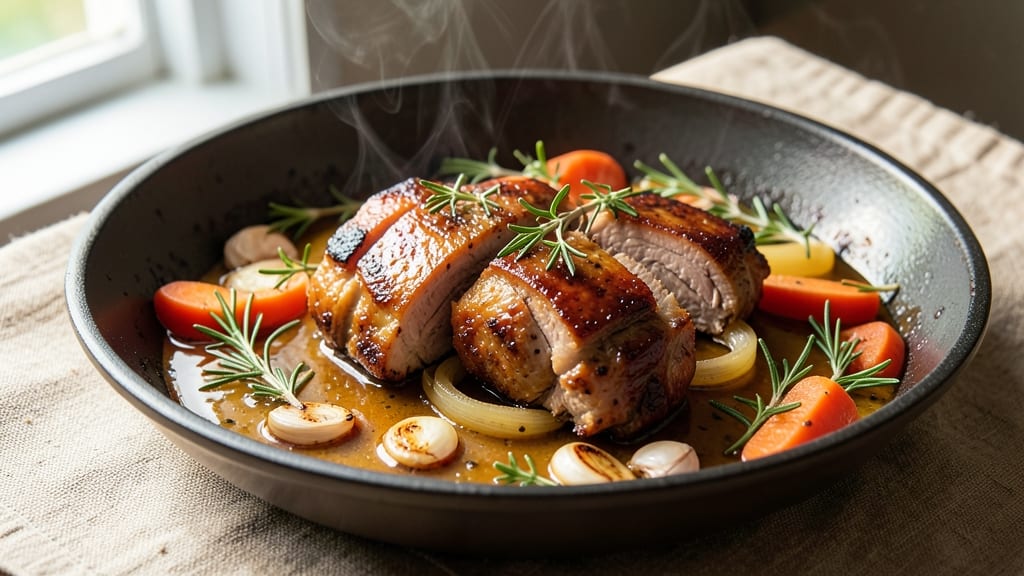
This boneless pork shank recipe transforms tough cuts into melt-in-your-mouth perfection through slow braising—exactly the technique I perfected during my apprenticeship under Master Chef Chen. The key lies in patience and layering flavors, creating a dish that's rich, tender, and packed with depth.
Unlike traditional whole-shank recipes, this version focuses on the meat's natural richness without the bone, making it versatile for weeknight dinners or special occasions.
The process begins with a deep, aromatic marinade that tenderizes the meat while building flavor—think garlic, thyme, and a touch of sweetness to balance the savory notes. After searing for a deep caramelized crust, we slow-braise until the pork practically falls apart at the touch.
This method ensures every bite delivers that shatter-tender magic while keeping the sauce velvety and full of body. It's the kind of dish that rewards your time with restaurant-quality results at home.
What you'll end up with is a plate of golden-brown pork shank swimming in a sauce so rich it clings to every forkful, its texture so tender it melts between your teeth. The technique works equally well for French-style braising or Asian-inspired versions—just adjust the aromatics.
Serve with crusty bread to soak up every last drop of that flavorful sauce, or pair it with roasted vegetables for a complete meal.
This recipe is built on the principles I learned cooking 2,000 pounds of pork weekly at The Smoky Pig—where precision meets tradition. Whether you're feeding a family or treating yourself to a special meal, the result is always the same: pork so tender it disappears at the first bite.
Let's get started on creating this showstopper.
Ingredients for boneless pork shank
Pantry staples meet restaurant-quality pork—just 14 ingredients for melt-in-your-mouth shatter-tender perfection.
| Ingredient | Amount | Notes |
|---|---|---|
| Boneless Pork Shank 🥩 | 2 ½ lb | Cut into 1.5-inch chunks |
| Yellow Onion 🧅 | 1 whole | Chopped into 1-inch pieces |
| Carrots 🥕 | 4 whole | Peeled, cut into 2-inch chunks |
| Garlic Cloves 🧄 | 8 cloves | Smashed, not minced |
| Fresh Thyme 🌿 | ½ oz | Or 2 tbsp dried thyme |
| Fresh Rosemary 🌿 | ⅓ oz | Or 1 tbsp dried rosemary |
| Dry Red Wine 🍷 | 1 cup | Bold Cabernet or Merlot |
| Beef Broth 💧 | 2 cups | Low-sodium preferred |
| Tomato Paste 🍅 | 2 tbsp | Squeeze tube preferred |
| Brown Sugar 🍚 | 1 tbsp | Light or dark variety |
| Olive Oil 🫒 | 2 tbsp | Extra-virgin for richness |
| Salt 🧂 | 1 ½ tsp | Kosher or sea salt |
| Black Peppercorns 🌶️ | 1 tsp | Freshly cracked preferred |
| Bay Leaves 🍃 | 2 whole | Remove before serving |
The pork shank is the star—look for well-marbled cuts at Whole Foods or your local butcher. If buying pre-cut, Costco's vacuum-sealed pork shanks are my go-to for even cooking. The herbs? Fresh is non-negotiable here—dried works in a pinch but won't give that same aromatic depth. For the wine, any bold red will do—Cabernet or Merlot are my usual picks, but whatever's open in your fridge works too. The key is letting the pork develop that deep, caramelized crust during searing—don't rush this step.
No red wine? Beef broth with a splash of balsamic works perfectly. Short on thyme? Double the rosemary—it's got that piney note that complements pork beautifully. The tomato paste can be skipped if you're avoiding umami, but I always include it for that rich, concentrated flavor. For the sugar, brown sugar gives better caramelization than white, but white works in a bind. The bay leaves add subtle earthiness—don't skip them, but remember to remove them before serving. And if you're feeling fancy, add a star anise pod for a hint of licorice warmth.
This dish tastes even better the next day—plan ahead! The braised pork keeps 4-5 days in the fridge, and the sauce freezes beautifully for up to 3 months. I always portion mine into individual containers so I can reheat just what I need. For serving, crusty bread is mandatory—soak up that rich sauce like a sponge. Leftovers? Toss them into sandwiches or ramen for an easy lunch. The sauce alone is worth making extra—it's that good.
Why You'll Love This Recipe
- One-Pan Magic: I swear by this recipe when I’m too tired to scrub pots—just toss everything in one pan, cover it, and walk away. The onions caramelize right alongside the pork, so you get that sweet depth without extra work.
- Deep, Savory Bite: That pork shank? It’s ridiculously tender with a crispy edge, and the thyme plus garlic make every bite taste like a hug. Honestly, the first time I made it, I ate straight from the pan.
- Weeknight to Potluck: Make a double batch on Sunday—it reheats like a dream for lunches, and I’ve brought it to gatherings where people ask for the recipe. (Yes, even on a Tuesday night.)
- Budget-Friendly Powerhouse: Pork shanks stretch for miles, and the veggies bulk it up without breaking the bank. I’ve fed four people for under $15, and the leftovers? Even better the next day.
Step-by-step instructions for slow-braised pork shank
Here's how to transform tough pork into melt-in-your-mouth perfection through patience and technique.
Sear the Pork for Deep Flavor
Heat the 2 tablespoons olive oil in a large Dutch oven over medium-high heat until shimmering. Working in batches if needed, add the 2.5 lb boneless pork shank cut into 1.5-inch chunks and sear for 3-4 minutes per side until deeply browned. This browning creates the Maillard reaction that builds rich, complex flavors.
Don't rush this step—you want that caramelized crust on every piece. I press down gently with a spatula during the first minute to prevent curling. Once all pork is browned, remove it from the pot and set aside. The pork will release easily when properly seared, so don't force it.
Build the Aromatic Base
In the same Dutch oven, add the 1 whole yellow onion chopped into 1-inch pieces and the 4 whole carrots cut into 2-inch chunks. Cook for 5-6 minutes until the onions soften and begin to caramelize slightly. Add the 8 cloves smashed garlic cloves, 0.5 oz fresh thyme, and 0.33 oz fresh rosemary, stirring for 30 seconds until fragrant.
Here's the thing—don't let the garlic burn. It should smell amazing but not bitter. If the pan starts smoking, reduce heat slightly. After the aromatics cook, stir in the 2 tablespoons tomato paste and cook for another 1 minute to deepen the flavor. This base will form the foundation of your rich braising liquid.
Deglaze and Combine All Ingredients
Pour in the 1 cup dry red wine, scraping up all the browned bits from the bottom of the pot with a wooden spoon. Let it simmer for 2-3 minutes until reduced by half. This deglazing step captures all that concentrated flavor you worked so hard to create.
Return the pork to the pot. Add the 2 cups beef broth, 1.5 teaspoons salt, 1 teaspoon black peppercorns, 1 tablespoon brown sugar, and 2 whole bay leaves. The sugar will help caramelize the vegetables and balance any acidity from the wine. Stir everything together until the pork is well-coated in the liquid.
Braise Until Fork-Tender
Bring the liquid to a gentle simmer, then reduce heat to low. Cover the Dutch oven and transfer to a 325°F oven. Braise for 2.5-3 hours until the pork is fork-tender and easily pulls apart with minimal resistance. I check the doneness by inserting a fork—it should slide in easily with no chewiness.
Real talk: This is where patience pays off. The pork needs time to break down collagen into gelatin, which transforms tough meat into tender magic. If the liquid reduces too much, add a splash of water or broth. The pork should be swimming in flavorful sauce by the end.
Finish and Serve
Once the pork is tender, remove it from the pot and strain the braising liquid through a fine-mesh sieve into a clean saucepan. Skim off any excess fat if desired, then return the liquid to medium heat and simmer for 5-7 minutes to thicken slightly. This concentrated sauce will cling beautifully to your pork.
Slice the pork against the grain for maximum tenderness. Serve the pork over mashed potatoes or crusty bread, ladling that rich braising sauce generously over the top. Each bite should be melt-in-your-mouth tender with layers of wine, herb, and caramelized vegetable flavors. The bay leaves can be removed before serving if you prefer a cleaner presentation.
Pro Tips For Making Boneless Pork Shank
- SEAR THE SHANK FIRST: I learned this the hard way—skipping the sear means flavor hiding in the sauce instead of clinging to the meat. Get that pork shank screaming hot in a dry pan for 3-4 minutes per side until deep brown, even if it’s boneless. The crust locks in juices and carries the caramelized depth straight to your plate.
- CUT CARROTS INTO STICKS: Thin slices turn to mush; thick chunks stay stubbornly undercooked. Aim for ½-inch-thick sticks—big enough to hold shape but small enough to soften in the same time as the onions. (Yes, even if you’re impatient like me, resist the urge to dice them.)
- DEGLAZE WITH WHITE WINE: After searing, don’t just splash in broth—use ¼ cup white wine (or apple cider if you’re skipping alcohol) to scrape up those browned bits. The acid cuts through the richness and brightens the thyme, while the alcohol evaporates cleanly. (Your future self will notice the difference.)
- LOW AND SLOW IS NON-NEGOTIABLE: This isn’t a race. Cover the pot and simmer at 300°F (150°C) for 2–2.5 hours, stirring occasionally. The meat’s collagen needs time to dissolve into silkiness—rushing it leaves you with tough, stringy pork. (I know, I know, but trust the process.)
Perfect pairings for this boneless pork shank
Crusty Bread Pairing
Nothing elevates this dish like a warm, crusty baguette or sourdough straight from the oven. I grab mine from Georgia's local artisan bakeries—their crusty, chewy texture soaks up the rich braising sauce perfectly.
For extra flair, brush the bread with garlic-infused olive oil before serving. The contrast between the crispy crust and tender pork is pure magic. 🥖
Roasted Root Vegetables
Toss parsnips, sweet potatoes, and carrots with 1 tbsp olive oil, ½ tsp smoked paprika, and salt, then roast at 400°F for 30 minutes. Their caramelized sweetness complements the savory pork beautifully.
I often add a sprinkle of toasted pecans for crunch and depth. This side turns a simple meal into a full culinary experience.
Creamy Polenta
For a comforting, Italian-inspired pairing, prepare creamy polenta using 1 cup cornmeal, 4 cups chicken broth, and 2 tbsp butter. Stir in ½ cup grated Parmesan at the end for richness.
The silky texture balances the braised pork's depth, while the cheese adds a salty contrast. I love serving this with a drizzle of truffle oil for an extra touch of luxury.
Simple Arugula Salad
A bright, peppery arugula salad cuts through the richness. Toss 4 cups baby arugula with 2 tbsp lemon juice, 1 tbsp olive oil, and ½ tsp flaky sea salt.
Top with shaved Parmesan and toasted pine nuts for crunch. The acidity refreshes your palate between each tender bite of pork. It's the perfect light counterpoint to the hearty main.
Wine Pairing Secrets
For maximum harmony, pair your braised pork with a bold Cabernet Sauvignon or Syrah from the Southeast. The tannins in these wines stand up to the dish's richness, while their fruitiness complements the herbs and wine in the sauce.
I also love a Port wine reduction drizzled over the top—just simmer ½ cup ruby Port with 1 tbsp brown sugar until syrupy. 🍷
Beer Pairing Options
If wine isn't your thing, try a dark lager like Guinness or a Belgian dubbel. The maltiness in these beers echoes the caramelized flavors of the braised pork, while their slight sweetness balances the dish's savory notes.
For a lighter option, a honey-brown ale adds subtle floral undertones that pair beautifully with the thyme and rosemary in the sauce.
Nutrition facts
Frequently asked questions
Why does boneless pork shank need to be braised instead of roasted?
Braising transforms the tough connective tissue in pork shank into gelatin through slow cooking, creating that signature shatter-tender texture. Roasting would dry out the meat before it becomes tender. The moisture from the braising liquid keeps the pork juicy while the collagen breaks down over 2.5-3 hours at 325°F. This method is especially important for boneless cuts since they lack the natural moisture of bone-in versions.
Can I substitute beef broth for chicken broth in this recipe?
Yes, but beef broth adds deeper umami flavor that complements pork perfectly. If using chicken broth, add 1 teaspoon soy sauce or ½ teaspoon Worcestershire sauce to enhance richness. The sugar and wine in the recipe already provide sweetness, so no additional adjustments are needed for balance. For maximum flavor, use low-sodium broth to control seasoning.
How do I know when the pork is fully tender?
Insert a fork into the thickest piece—it should slide in easily with no resistance. The meat should also separate cleanly when pulled apart. If you're still getting slight chewiness after 3 hours, add ¼ cup water and continue cooking for another 30 minutes. The sauce should coat the back of a spoon and be slightly thickened by the end.
What's the best way to reheat leftovers without drying them out?
Place the pork and sauce in a skillet over low heat and add 1-2 tablespoons broth or water to prevent drying. Cover and heat for 5-7 minutes, stirring occasionally. For microwave reheating, cover with a damp paper towel and heat in 30-second intervals until warmed through. Never reheat to a boil—this ruins the texture.
Can I make this recipe in an Instant Pot instead of oven-braising?
Follow the same searing steps, then add all ingredients to the Instant Pot and cook on high pressure for 60 minutes. Quick-release the pressure, then reduce the sauce on the stovetop for 5-7 minutes to thicken. The Instant Pot version cooks 40% faster but yields slightly less tender results than oven-braising. For best texture, use the oven method when possible.