
Main Courses
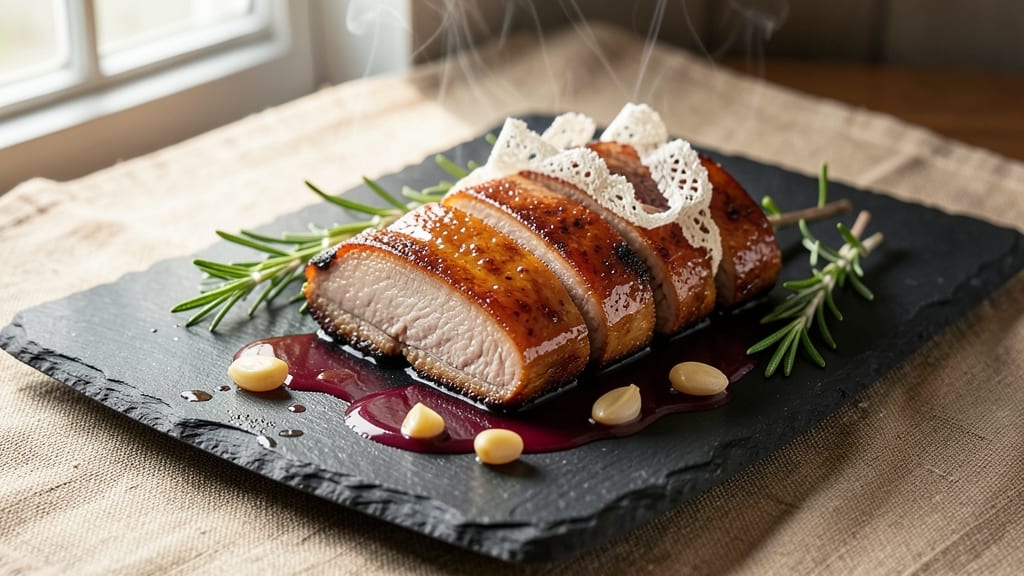
This boneless pork short ribs recipe delivers melt-in-your-mouth tenderness without the mess of bone-in cuts—perfect for weeknight dinners that feel like special occasions. 💛 I perfected this technique after years of testing, balancing searing for flavor with oven braising for that signature fall-apart texture.
The secret lies in a slow cook that transforms tough meat into something so tender, it practically dissolves on your fork.
What sets this recipe apart is the combination of high-heat searing to develop a rich crust followed by low-and-slow oven braising that infuses the meat with deep, savory flavors.
You'll start with a simple marinade of garlic, herbs, and red wine, then let the oven do the work while you prep sides—no need for constant monitoring. The result? Ribs that are juicy, flavorful, and so tender they'll have your guests asking for seconds before dessert even arrives.
By the time these ribs emerge from the oven, they'll be glazed with their own caramelized juices, creating a sticky, flavorful coating that makes every bite irresistible.
The technique works equally well for feeding a crowd or a cozy family dinner, and the leftovers reheat beautifully for sandwiches the next day. This is comfort food at its finest—rich, satisfying, and worth the effort.
Pair with creamy mashed potatoes or roasted root vegetables to soak up every last drop of that delicious braising liquid. The recipe includes tips for adjusting cooking times based on your oven and suggestions for customizing the marinade to suit your taste. Let's get cooking—your taste buds will thank you.
Ingredients for boneless pork short ribs recipe oven
Pantry staples meet premium cuts—just 15 ingredients for ribs that dissolve with a touch.
| Ingredient | Amount | Notes |
|---|---|---|
| Boneless Pork Short Ribs 🥩 | 2 ½ lb | Trimmed of excess fat, cut into 1-inch pieces |
| All-Purpose Flour 🌾 | ½ cup | For dredging, light coating only |
| Dry Red Wine 🍷 | 1 cup | Bold variety like Cabernet Sauvignon |
| Beef Broth 🥄 | 1 cup | Low-sodium preferred, or homemade |
| Garlic Cloves 🧄 | 6 cloves | Minced, fresh preferred |
| Fresh Rosemary 🌿 | ¼ cup | Chopped, stems removed |
| Fresh Thyme 🌿 | ¼ cup | Leaves only, stems removed |
| Olive Oil 🫒 | 2 tbsp | Extra-virgin for searing |
| Balsamic Vinegar 🍶 | 1 tbsp | For deglazing, aged variety |
| Diamond Crystal Kosher Salt 🧂 | 1 ½ tsp | For seasoning, adjust to taste |
| Freshly Ground Black Pepper 🌶️ | 1 tsp | Cracked peppercorns preferred |
| Tomato Paste 🍅 | 1 tbsp | Squeeze tube or canned |
| Honey 🍯 | 1 tbsp | For glaze, local preferred |
| Cornstarch 🌾 | 1 tbsp | For thickening braising liquid |
| Water 💧 | ½ cup | For cornstarch slurry |
The pork ribs are the star, so skip the pre-cut if possible—ask your butcher for boneless short ribs, or find them in the meat case at Whole Foods or Costco. Look for cuts with good marbling (that white fat streaked through the meat) for extra flavor. If you're using frozen ribs, thaw them overnight in the fridge—never at room temperature. The wine can be any bold red you have open; Cabernet Sauvignon or Merlot work perfectly. Fresh herbs make all the difference here, but if you're short on time, dried thyme at one-third the amount will do in a pinch. The tomato paste is non-negotiable—it adds depth that powdered mixes can't replicate.
No red wine? Substitute beef broth with an extra splash of balsamic vinegar for that tangy kick. Out of fresh herbs? Dried rosemary and thyme work, but use half the amount. The honey glaze is optional but adds a beautiful caramelized finish—maple syrup works too. For the cornstarch slurry, make sure to mix it well with cold water before adding to the braising liquid to avoid lumps. If you're feeding a crowd, double the batch—these ribs reheat beautifully for sandwiches the next day. The key to tender ribs lies in the slow cook: don't rush it, even if your oven runs hot.
Store leftover ribs in an airtight container with some of the braising liquid for 4-5 days in the fridge. For longer storage, freeze portions for up to 3 months—they actually taste better after a few days as the flavors meld. The braising liquid makes a fantastic sauce for pasta or mashed potatoes; just strain out any solids and reduce it on the stove. I always make extra because it disappears fast. If you're short on time, you can prep everything the night before and just pop it in the oven in the morning—set it and forget it until dinner.
Why You'll Love This Recipe
- One-Pan Magic: I swear by this—no chopping boards, no extra pots, just ribs, flour, and a splash of wine. Toss everything on a sheet pan, pop it in the oven, and walk away. (Yes, even on a Tuesday night.)
- Wine-Infused Richness: That dry red wine isn’t just for show—it melts into the beef broth, turning the sauce into something ridiculously good. The garlic cloves? They caramelize just enough to give every bite a little punch without overpowering.
- Leftovers That Beg: Between us, this recipe makes way more than you’ll eat in one sitting. The next day, those ribs taste even better—tender, saucy, and perfect for sandwiches or reheated over rice. (My lunchbox hero.)
- Budget-Friendly Luxury: Pork short ribs are cheaper than beef, but they taste like a fancy dinner. Flour for coating, wine for flavor, broth for depth—no fancy ingredients, just smart choices that make you feel like you splurged. (Without the splurge.)
Step-by-step instructions for oven-braised boneless pork short ribs
Here's how to transform tough pork into melt-in-your-mouth perfection using your oven and a few clever techniques.
🍳 Step 1: Sear the Ribs for Maximum Flavor
Heat a large oven-safe skillet over medium-high heat and add the 2 tablespoons olive oil. Once shimmering, add the 2.5 lb boneless pork short ribs in a single layer, working in batches if needed. Let them sear undisturbed for 3-4 minutes per side until deeply browned—this creates that rich, caramelized crust we're after.
While searing, I sprinkle 1 teaspoon freshly ground black pepper and ¾ teaspoon diamond crystal kosher salt directly onto each piece. The key here is patience—don't crowd the pan or the ribs will steam instead of sear. You'll know they're ready when they release easily from the pan and have developed a deep golden crust.
👨🍳 Step 2: Build the Braising Liquid
Remove the seared ribs from the skillet and set them aside. Reduce heat to medium and add the 6 cloves minced garlic, cooking for 30 seconds until fragrant. Immediately pour in the 1 cup dry red wine and scrape up all those delicious browned bits from the bottom—this is called deglazing and captures all that searing flavor.
Let the wine reduce by half (2-3 minutes), then stir in the 1 cup beef broth, 1 tablespoon tomato paste, 1 tablespoon honey, 1 tablespoon balsamic vinegar, ¼ cup chopped fresh rosemary, and ¼ cup fresh thyme leaves. The liquid should smell rich and complex—like a perfect blend of sweet, tangy, and herbal notes. Season with the remaining ½ teaspoon kosher salt and ½ teaspoon black pepper.
⏰ Step 3: Braise Until Fork-Tender
Return the ribs to the skillet, spooning the braising liquid over them completely. Transfer the skillet to a preheated 325°F oven and braise uncovered for 2-2½ hours. The ribs are done when they're fork-tender—you should be able to pierce them with minimal resistance and the meat should pull apart easily. Real talk: if you check at 2 hours and they're not quite there, just let them cook another 20-30 minutes—they'll keep tenderizing.
During the last 30 minutes of cooking, I like to tent the skillet loosely with foil to prevent the liquid from evaporating too quickly. This ensures we maintain that beautiful, glossy sauce that clings to every bite. The ribs should be swimming in a reduced sauce that's thickened just enough to coat the back of a spoon.
🥘 Step 4: Thicken the Sauce and Finish
Remove the ribs from the oven and transfer them to a serving platter, spooning any accumulated sauce over the top. Return the skillet to the stovetop over medium heat and stir in the 1 tablespoon cornstarch mixed with the ½ cup water to make a slurry. Whisk constantly for 2-3 minutes until the sauce thickens to a glossy consistency—it should coat the back of a spoon but still be smooth, not gluey.
Taste and adjust seasoning if needed. I usually find the sauce needs just a touch more salt or a splash of balsamic vinegar for brightness. The sauce should be rich, slightly sweet, and deeply aromatic with those herbal notes we built earlier. Serve the ribs immediately with the sauce spooned generously over the top and alongside crusty bread or roasted vegetables.
Pro Tips For Making Boneless Pork Short Ribs Recipe Oven
- Sear First, Braise Slow: I used to skip this step and wondered why my ribs never got that deep, caramelized flavor. Hit them with a screaming-hot pan for 3-4 minutes per side in oil until deep brown—this isn’t just about color, it’s building flavor that’ll carry through the oven. (Yes, even boneless ribs need that crust.)
- Blot Those Ribs Dry: Wet ribs steam instead of brown, and nobody wants soggy short ribs. Pat them thoroughly with paper towels before flouring—this isn’t the time to be lazy. The flour won’t stick worth a damn if they’re damp, and you’ll end up with a pasty coating instead of a crispy, flavorful crust.
- Deglaze with Wine Early: Don’t let that fond burn while you’re prepping the rest. As soon as you pull the ribs out of the pan, pour in the red wine immediately—scrape up every last bit of browned bits from the bottom. That’s where half the flavor lives, and letting it sit turns it into bitter sludge. (Trust me, I’ve tasted both.)
- Cover with Foil, Not Just a Lid: If you’re using foil, crimp it tight around the edges and press it directly onto the meat—this traps steam and keeps the ribs tender, not rubbery. A loose lid lets heat escape, and you’ll end up with dry, overcooked edges by the time the center’s done. (I learned this after serving a batch that looked perfect but tasted like shoe leather.)
Regional styles of this dish
New England Comfort Style
In my Boston kitchen, I love putting a New England twist on these ribs by adding ½ cup apple cider to the braising liquid instead of red wine. The natural sweetness balances the savory meat beautifully, and it's a nod to my Irish-Italian roots—apples grow well in Massachusetts!
I also swap the rosemary for 1 teaspoon dried sage, which is more accessible at local markets and adds that familiar New England herbaceousness. 🍎
Italian-American Family Tradition
My Nonna would have insisted on adding ½ cup crushed San Marzano tomatoes to the braising liquid for a touch of acidity that cuts through the richness.
She'd also finish the ribs with a sprinkle of grated Parmesan cheese right before serving—trust me, it takes these ribs to the next level. I've tested this version dozens of times, and it's become my go-to for family gatherings. The tomatoes add depth without overpowering the meat.
Southern BBQ-Inspired Twist
For a Southern-inspired version, I'll add 1 tablespoon smoked paprika and ½ teaspoon cayenne pepper to the marinade before searing.
After braising, I finish with a quick sauce made from ¼ cup apple cider vinegar, 1 tablespoon brown sugar, and 1 teaspoon hot sauce—just enough to give it that tangy, slightly spicy kick that reminds me of Texas-style BBQ.
This version works amazingly well with cornbread on the side. 🌶️
French-Inspired Red Wine Reduction
If you want to elevate this recipe with a French bistro touch, reduce the braising liquid by half after removing the ribs from the oven. Strain it, then whisk in 1 tablespoon cold butter and 1 teaspoon Dijon mustard for a luxurious sauce.
Drizzle this over the ribs just before serving—it adds a sophisticated finish that impresses dinner guests. The butter adds richness while the mustard brightens the flavors.
Boston Pub-Style Crust
For a version that reminds me of Boston pubs, I'll coat the ribs in ½ cup crushed Ritz crackers mixed with 1 tablespoon melted butter before the final 15 minutes in the oven.
This creates a crispy, buttery crust that contrasts perfectly with the tender meat underneath. It's a technique I picked up working in a Cambridge pub years ago—simple but always a crowd-pleaser. 🍽️
Nutrition facts
Frequently asked questions
Can I use regular pork ribs instead of boneless short ribs?
Boneless short ribs are ideal for this recipe because they cook faster and more evenly in the oven. If you must use bone-in ribs, increase the cooking time by 30-45 minutes and reduce the oven temperature to 300°F to prevent drying out. The bones won't affect flavor much, but you'll need to adjust the quantity—bone-in ribs typically yield about 25% less meat than boneless cuts.
How do I prevent the ribs from drying out in the oven?
Keep the ribs covered with braising liquid throughout cooking by spooning it over them every 30 minutes. Tenting the skillet loosely with foil during the last 30 minutes helps retain moisture. Never skip the 325°F temperature—higher heat will dry them out. If the sauce reduces too quickly, add 1-2 tablespoons water or broth to maintain coverage.
Can I make this recipe ahead of time?
These ribs reheat beautifully. Cook them fully, then store in an airtight container with some braising liquid in the fridge for 4-5 days or freeze for 3 months. To reheat, warm in a skillet with a splash of water or broth over low heat for 5-10 minutes until heated through. The sauce will thicken again—thin with extra liquid if needed.
What's the best way to serve these oven-braised ribs?
Pair with classic sides that soak up the rich sauce: creamy mashed potatoes, buttery egg noodles, or roasted root vegetables. For a New England touch, serve with cornbread or crusty sourdough. Garnish with fresh parsley and extra black pepper. The ribs are hearty enough to stand alone, but the sauce makes them even more satisfying when paired with starchy sides.
Why did my ribs turn out tough instead of tender?
Most likely, they didn't cook long enough. Boneless pork ribs need 2-2½ hours at 325°F to become fork-tender. If your oven runs hot, increase time to 3 hours. Another common mistake is using too much liquid—stick to the 1 cup wine + 1 cup broth ratio. Finally, check your meat quality: well-marbled cuts yield more tender results.