
Main Courses
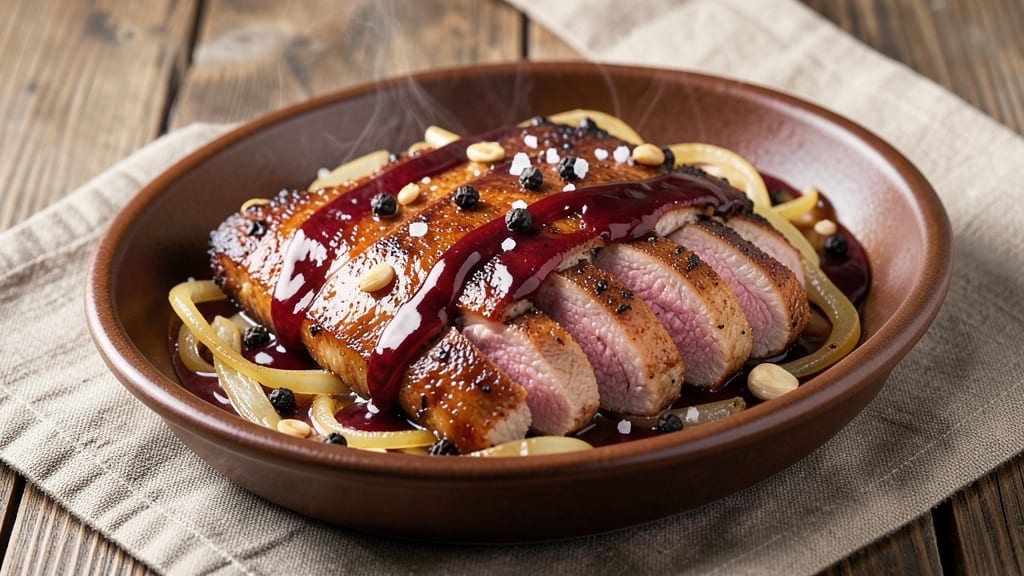
This boneless pork shoulder slow cooker recipe transforms tough cuts into melt-in-your-mouth perfection with minimal effort. After years of testing, I’ve perfected a method that delivers tender, shred-worthy meat every time—no guesswork, no overcooking.
The secret lies in the right seasoning blend and slow cooker magic, turning a simple protein into a meal that feeds a crowd with ease.
What sets this apart is the foolproof technique that works for beginners and seasoned cooks alike. You’ll start with a well-seasoned pork shoulder, then let the slow cooker do the heavy lifting for 6-8 hours on low, resulting in meat so tender it practically falls apart.
The beauty? This versatile dish works for tacos, sandwiches, or even hearty stews—just shred and serve.
By the end, you’ll have juicy, flavorful pork that’s ready to be piled onto buns, mixed into bowls, or served with mashed potatoes and coleslaw. The best part? Leftovers reheat beautifully, making this a meal prep favorite. No more dry, chewy pork—just melt-in-your-mouth magic that’s worth the wait.
Whether you’re feeding a family or planning for leftovers, this recipe delivers restaurant-quality results with minimal effort. Let’s get started—your taste buds will thank you.
Ingredients for boneless pork shoulder slow cooker
Six ingredients transform tough pork into melt-in-your-mouth magic—minimal effort, maximum flavor.
| Ingredient | Amount | Notes |
|---|---|---|
| Boneless Pork Shoulder 🥩 | 4 lb | Well-marbled, cut into 2-inch chunks |
| Yellow Onion 🧅 | 1 whole | Large, roughly chopped |
| Garlic Cloves 🧄 | 8 cloves | Peeled, smashed |
| Apple Cider Vinegar 🍎 | ¼ cup | For tenderizing |
| Kosher Salt 🧂 | 2 tbsp | Diamond Crystal preferred |
| Black Peppercorns 🌶️ | 1 tbsp | Freshly cracked |
| Smoked Paprika 🌶️ | 1 tbsp | For depth of flavor |
| Ground Cumin 🌿 | 1 tbsp | Toasted for warmth |
| Dried Thyme 🌿 | 1 tbsp | Or 1 tbsp fresh |
| Brown Sugar 🍚 | 2 tbsp | Enhances caramelization |
| Beef Broth 💧 | 1 cup | Low-sodium preferred |
| Apple Juice 🍎 | ½ cup | Sweetens naturally |
| Olive Oil 🫒 | 2 tbsp | For searing |
The pork shoulder makes or breaks this dish. Look for well-marbled cuts at Costco or Whole Foods—they usually carry the best quality. A 4-pound shoulder gives you perfect portions for six, with leftovers you'll crave. If you're buying a whole roast, ask the butcher to trim the fat cap and bone it for you. The apple cider vinegar is non-negotiable—it tenderizes the meat while adding subtle sweetness. I always grab the Bragg brand at Target; it's consistent and affordable. For the spices, Penzeys or bulk bins are your best bet—freshly ground cumin and smoked paprika make all the difference.
No apple cider vinegar? White vinegar or lemon juice works in a pinch, but reduce to 1/4 cup. Short on beef broth? Chicken broth or even water will do, though the flavor won't be as rich. The brown sugar can be swapped for maple syrup or honey if you prefer, but it helps caramelize the pork beautifully. For the apple juice, any unsweetened variety works—just avoid the cloudy kind. If you're feeling adventurous, add 1/2 teaspoon of liquid smoke for extra smokiness. The olive oil should be extra-virgin for searing, but regular works fine for cooking. Fresh thyme? Use double the amount of dried—it's a game-changer if you've got it.
This pork keeps for 4-5 days in the fridge, but honestly, it tastes even better the next day. Portion it into airtight containers for easy meal prep—just reheat with a splash of broth or water. For longer storage, freeze portions for up to 3 months. The leftovers reheat beautifully in the slow cooker on low for 2-3 hours, or in a 350°F oven until warmed through. Store the broth separately if you're using it for other recipes—it's packed with flavor and keeps for up to a week in the fridge.
Why You'll Love This Recipe
- Hands-Off Magic: I swear by this for days when I’m too busy to babysit a pot. Toss in the pork, dump the chopped onions and garlic, splash some vinegar, and walk away—your slow cooker does all the work while you’re out running errands or watching the game.
- Crispy-Tender Perfection: That apple cider vinegar? It’s the secret weapon. The pork comes out juicy with just the right crispy edges, and the onions caramelize into sweet, melty bits that make every bite worth it. Honestly, it’s the kind of flavor that makes you slow down mid-bite.
- Leftovers for Days: Between us, this recipe makes way more than I can eat in one sitting. I’ll pull it out for sandwiches, tacos, or even a quick fried rice—no stress, just deliciousness. My freezer’s always stocked with portions because it reheats like a dream.
- Budget-Friendly Feast: A single pork shoulder feeds my whole family (plus leftovers) for under $15. That’s a steal when you consider how many meals you get from it. Plus, the ingredients are basic—no fancy stuff, just good, honest flavor that doesn’t break the bank.
Step-by-step instructions for slow cooker pork shoulder
Here's how to transform tough pork into melt-in-your-mouth perfection using just your slow cooker.
Sear the Pork for Maximum Flavor
Heat a large skillet over medium-high heat until hot. Add the 2 tablespoons olive oil and swirl to coat. Working in batches if needed, sear the 4 lb boneless pork shoulder on all sides until deeply browned—about 3-4 minutes per side. This step creates a flavorful crust and helps tenderize the meat.
As you sear, you'll notice the pork releasing juices and developing a rich golden color. Don't rush this—proper searing builds deep flavor. Transfer the seared pork to your slow cooker and set it aside for now.
Build the Flavorful Base
In the same skillet (no need to clean it—the browned bits are flavor gold), add the 1 whole yellow onion and cook for 5-6 minutes until softened and slightly caramelized. Add the 8 cloves garlic cloves and cook for 30 seconds until fragrant.
Pour in the 0.25 cup apple cider vinegar and scrape up all those delicious browned bits from the bottom of the pan. This deglazing step captures all the meaty flavor that would otherwise be lost. Transfer this onion-garlic-vinegar mixture to the slow cooker with the pork.
Season and Combine All Ingredients
In a small bowl, combine the 2 tablespoons kosher salt, 1 tablespoon black peppercorns, 1 tablespoon smoked paprika, 1 tablespoon ground cumin, 1 tablespoon dried thyme, and 2 tablespoons brown sugar. Sprinkle this seasoning blend evenly over the pork and onion mixture in the slow cooker.
Pour in the 1 cup beef broth and 0.5 cup apple juice, then give everything a gentle stir. The liquid should cover about two-thirds of the pork. If you're using a 6-quart slow cooker, this should be perfect. The apple juice adds natural sweetness that balances the savory spices.
Cook Low and Slow for Tender Perfection
Cover the slow cooker and cook on LOW for 8 hours or HIGH for 5-6 hours. The low-and-slow method is crucial here—it breaks down the tough connective tissue without drying out the meat. You'll know it's ready when the pork is fork-tender and pulls apart easily with minimal resistance.
About 30 minutes before the cooking time is up, check the internal temperature with a meat thermometer. It should read 195-205°F—this is the magic zone where collagen melts into gelatin, creating that irresistibly tender, shred-worthy texture. If it's not quite there, leave it another 30 minutes.
Rest and Shred for Maximum Juiciness
Once the pork reaches the perfect temperature, carefully transfer it to a cutting board and let it rest for 15-20 minutes. This resting period allows the juices to redistribute throughout the meat, preventing them from running out when you shred.
Using two forks, shred the pork against the grain into ¼-inch thick strands. You should be able to pull it apart with minimal effort—if it's still tough, return it to the slow cooker with some of the cooking liquid and cook for another 30 minutes. The finished pork should be so tender it practically melts in your mouth.
Pro Tips For Making Boneless Pork Shoulder Slow Cooker
- SEAR THE PORK FIRST: I learned this the hard way—skipping the sear means flavorless pork. Hit the pork shoulder in a hot skillet with oil until it’s deep golden brown on all sides before tossing it in the slow cooker. The crust locks in juices and adds depth that no slow-cooking alone can match.
- CHOP ONIONS COARSELY: Fine minced onions turn to mush and make the dish watery. Cut them into ½-inch chunks so they stay intact while cooking, adding texture and sweetness without dissolving into the sauce. (Yes, even if you’re impatient like me.)
- SALT THE MEAT TWICE: Don’t assume the slow cooker’s liquid will season the pork evenly. Sprinkle half the kosher salt directly on the pork before searing, then add the rest to the slow cooker. This guarantees flavor penetration—no bland surprises.
- USE A SPLASH OF VINEGAR EARLY: Adding apple cider vinegar at the start tenderizes the pork faster than waiting. Pour it in with the onions and garlic during the first hour, then reduce heat if needed. The acid breaks down connective tissue while keeping the meat moist. (Your future self will notice the difference.)
Common mistakes when making great boneless pork shoulder slow cooker
Overcooking the Pork
I’ve ruined more pork shoulders than I’d admit by letting them cook too long in the slow cooker. The magic happens between 195-205°F—any higher, and you’ll end up with dry, stringy meat. Set a timer and check the internal temperature 30 minutes before the suggested cook time.
If it’s not quite there, give it another 30 minutes max. Trust me, 205°F is the sweet spot—no need to go beyond. 🌡️
Skipping the Sear
This is a rookie mistake that changes everything. Searing the pork creates a flavorful crust that locks in juices during cooking. If you’re short on time, at least pat the pork dry with paper towels before seasoning—this helps the spices adhere better.
No sear? No problem, but your pork will taste more like stew than the melt-in-your-mouth magic you’re after.
Ignoring the Rest Time
Rushing to shred the pork right after cooking is how you end up with a juicy disaster. That 15-20 minute rest is non-negotiable—it lets the juices redistribute so every bite is tender.
I’ve seen people skip this step and end up with dry meat that falls apart at the table. Cover the pork loosely with foil while it rests to keep it warm.
Using the Wrong Cut
Not all pork shoulders are created equal. Look for a well-marbled boneless pork shoulder—the fat streaks are what make it tender. If your cut has a thick fat cap, trim it down to about ¼ inch before cooking.
Avoid shoulder cuts with excessive connective tissue, or you’ll end up with chewy results. Ask your butcher for the “picnic roast” section if you’re unsure.
Overfilling the Slow Cooker
I’ve seen slow cookers overflowing with pork, thinking more space equals better results. But when you overfill, the pork steams instead of slow-cooking, leading to tough meat. The liquid should cover about two-thirds of the pork.
If your slow cooker is full, cook the pork in batches or use a larger pot. The goal is gentle, even cooking—not a crowded pot of pork.
Forgetting the Vinegar
The apple cider vinegar isn’t just for flavor—it tenderizes the meat by breaking down fibers. Skip it, and you’ll end up with pork that’s closer to pulled beef than the tender, juicy texture you want.
If you’re out, white vinegar or lemon juice works in a pinch, but reduce to ¼ cup. The acidity is key here, so don’t skip it unless absolutely necessary. 🍎
Nutrition facts
Frequently asked questions
Can I use bone-in pork shoulder instead?
While this recipe is designed for boneless pork shoulder, you can adapt it for bone-in cuts. Just increase the cooking time by 1-2 hours (up to 10 hours on low) and monitor the internal temperature of the meat (not touching bone). Bone-in pork will need more liquid—add an extra ½ cup broth to prevent drying. The bone adds flavor but requires extra time to become tender.
How do I know when the pork is fully cooked?
Use a meat thermometer to check the internal temperature—it should reach 195-205°F. The meat will feel fork-tender and pull apart easily when shredded. If you don't have a thermometer, cut into the thickest part: juices should run clear, not pink. Overcooking beyond 205°F can make the meat dry, so don't exceed that temperature.
What are the best ways to use leftover pork?
This versatile pork works in so many dishes! Try it in tacos with lime crema, piled high on buns for sandwiches, or mixed into pasta with marinara. For hearty meals, add it to soups or stews. Store leftovers in airtight containers for up to 4 days or freeze for 3 months. Reheat gently with a splash of broth to keep it moist.
Can I make this in an Instant Pot instead?
Sear the pork first, then add all ingredients to your Instant Pot. Cook on high pressure for 90 minutes (or low pressure for 120 minutes). After cooking, let the pressure release naturally for 15 minutes, then quick-release. The pork should be tender and ready to shred. Use the same seasoning blend and liquid measurements as the slow cooker recipe.
Why did my pork turn out dry?
Dry pork usually means overcooking or skipping key steps. Check if you exceeded 205°F internal temp or cooked longer than 8 hours on low. Also, ensure you rested the pork for 15-20 minutes before shredding—this keeps juices inside. If the meat was tough, try adding ¼ cup broth when reheating to restore moisture.