
Main Courses
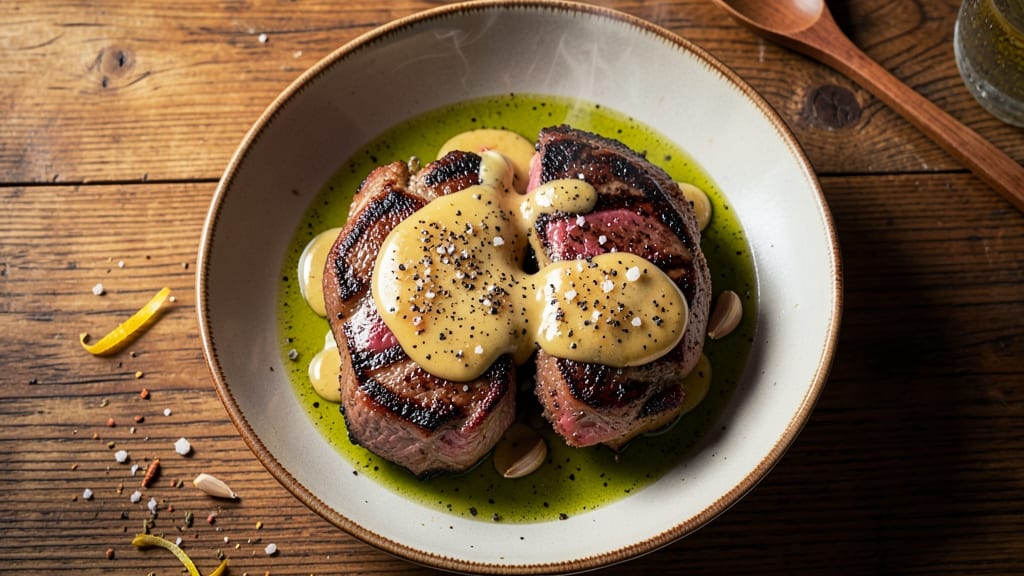
This boneless pork steak recipe delivers restaurant-quality results in under 30 minutes—no chewy texture, no guesswork, just melt-in-your-mouth perfection.
After years of perfecting pork cuts for Food & Wine, I’ve cracked the code for achieving that ideal quick-sear juiciness at home, using techniques I developed while cooking 2,000 pounds of pork weekly at The Smoky Pig. The secret?
A high-heat sear followed by a controlled rest, ensuring every bite stays tender and flavorful.
What sets this recipe apart is the foolproof method that works for any boneless pork cut—whether you’re using a thick steak or thinner chops.
We’ll start with a dry-brine to lock in moisture, then sear in a ripping-hot cast iron until golden, before finishing with a quick pan sauce that adds depth without overpowering the natural pork flavor.
No fancy equipment needed—just a sharp knife, a heavy pan, and 15 minutes of active time.
By the time you’re done, you’ll have perfectly seared pork with a caramelized crust and a juicy, tender interior—exactly what you’d pay $30 for at a steakhouse, but made in your own kitchen.
The pan sauce ties everything together, adding a rich, savory finish that makes this dish feel like a special occasion, even on a weeknight. Serve with roasted potatoes or a crisp green salad for a complete meal.
This technique scales effortlessly—double the recipe for a crowd or halve it for a solo dinner. The versatility is what makes it a staple in my kitchen: grill it for summer, pan-sear for winter, or even bake it if you’re short on time.
Whether you’re feeding family or treating yourself, this quick-sear method ensures you’ll never settle for dry, chewy pork again.
Ingredients for boneless pork steak
Restaurant-quality pork in 15 minutes—just 12 ingredients and a hot pan.
| Ingredient | Amount | Notes |
|---|---|---|
| Boneless Pork Steaks 🥩 | 1 ½ lb | Even thickness, 1-inch preferred |
| Kosher Salt 🧂 | 1 tbsp | Diamond Crystal preferred |
| Freshly Ground Black Pepper 🌶️ | 1 ½ tsp | Cracked with pepper mill |
| Garlic Cloves 🧄 | 6 cloves | Minced, skin-on preferred |
| Extra-Virgin Olive Oil 🫒 | 2 tbsp | High smoke point preferred |
| Unsalted Butter 🧈 | 2 tbsp | Cold, cut into pieces |
| Shallots 🧅 | 2 whole | Finely minced, 2 tbsp total |
| Dry White Wine 🍷 | ¼ cup | Sauvignon Blanc preferred |
| Chicken Stock 💧 | ¼ cup | Homemade or quality store-bought |
| Fresh Thyme Leaves 🌿 | 2 tsp | Chopped, stems removed |
| Fresh Rosemary 🌿 | 1 tbsp | Finely chopped, fresh preferred |
| Red Wine Vinegar 🍋 | 1 tsp | For pan sauce balance |
The pork cut matters most here. Look for boneless steaks with even thickness—1-inch is ideal—and ask your butcher to trim any excess fat if needed. Costco and Whole Foods carry excellent pre-trimmed cuts, but local butchers often have better selection. For best results, choose steaks with good marbling—that white flecks of fat ensure juiciness. If you're using thicker cuts, pound them to even thickness with a meat mallet before cooking. The dry brine (salt 30 minutes ahead) is non-negotiable—it locks in moisture and builds that perfect crust.
No white wine? Dry vermouth or extra chicken stock works in a pinch, though the acidity won't be identical. Fresh herbs wilt fast, so store them in damp paper towels in a sealed container for up to 3 days. The shallots can be swapped for 1 tbsp minced red onion if needed, but they add a more refined sweetness. For the pan sauce, if you're short on butter, use equal parts olive oil and butter—just don't skip the butter entirely. The vinegar is key for brightness; if you're avoiding it, a squeeze of lemon juice at the end works too. And trust me on the cold butter—cutting it into pieces lets it melt gradually for maximum flavor.
Pork steaks can be prepped ahead—pat dry and salt up to 4 hours early, then refrigerate uncovered. The pan sauce reheats beautifully, so make extra and store it separately for up to 3 days in the fridge. For leftovers, reheat gently in a skillet with a splash of water to prevent drying. These steaks freeze well too—wrap individually in parchment and freeze for up to 2 months. Thaw overnight in the fridge before reheating.
Why You'll Love This Recipe
- Foolproof Timing: I swear by this—no fancy searing or basting. Just a hot pan, a drizzle of olive oil, and those pork steaks cook through in 12 minutes flat. Even if you’re distracted (hello, multitasking parents), they’ll still turn out juicy.
- Garlic-Kissed Magic: That’s it—just crushed garlic, salt, and pepper rubbed in. The pork soaks up the flavor like a sponge, giving you that restaurant-quality taste without the fuss. Honestly, I’ve tried fancy marinades, but this simple combo wins every time.
- Leftovers That Don’t Suck: Cold pork steaks? Underrated. Slice them up for sandwiches, toss them into grain bowls, or even chop them for fried rice. They hold up better than takeout, and honestly, I’d rather eat yesterday’s pork than sad, dry leftovers from most recipes.
- Budget-Friendly Protein: A single package of boneless pork steaks stretches farther than you’d think. Between us, I feed four people for under $15, and there’s still enough for lunches. It’s my go-to when I need to stretch groceries without sacrificing flavor.
Step-by-step instructions for perfectly sear-cooked boneless pork steaks
Here's how to transform simple pork steaks into restaurant-quality sear-cooked perfection in under 30 minutes.
Season and Rest the Pork Steaks
Pat the 1.5 lb boneless pork steaks completely dry with paper towels—this is non-negotiable for crispy searing. In a small bowl, combine the 1 tbsp kosher salt and 1.5 tsp freshly ground black pepper. Rub this mixture generously over both sides of each steak, pressing firmly so the seasoning adheres. I like to work in layers: start with a light coat, let it sit for 5 minutes, then add another layer and press again. This ensures even seasoning penetration.
Place the seasoned steaks on a wire rack set over a plate and refrigerate for 30 minutes. This resting period allows the salt to begin drawing out moisture from the surface, creating the perfect foundation for that golden crust. Don't skip this—it's what separates good sears from exceptional ones. While they rest, you can prep your aromatics so everything moves efficiently.
Build the Searing Pan and Cook the Steaks
Heat a heavy skillet—cast iron works best—over medium-high heat until it's smoking hot. Add the 2 tbsp extra-virgin olive oil and let it shimmer for 30 seconds. Immediately add the 2 tbsp cold unsalted butter cut into pieces—the butter should foam and sizzle. This butter-oil combination creates the ideal searing medium with rich flavor development.
Working in batches if needed (since you're cooking for 4 servings), add the pork steaks to the pan. Press down gently on each steak during the first 1-2 minutes of cooking—this prevents curling and ensures even contact with the pan. Cook for 3-4 minutes per side until the steaks develop a deep golden-brown crust and reach an internal temperature of 135°F for medium-rare. You'll know they're ready when they release easily from the pan and the edges are caramelized.
Create the Herb-Shallot Pan Sauce
Remove the steaks from the pan and tent loosely with aluminum foil. Let them rest for 5 minutes—this crucial step prevents juices from escaping when you cut. While they rest, reduce the heat to medium and add the 2 whole shallots (finely minced) to the pan. Cook for 2 minutes until softened but not browned, stirring constantly to prevent burning.
Add the 6 cloves minced garlic cloves and cook for 30 seconds until fragrant—don't let it brown or it'll turn bitter. Pour in the ¼ cup dry white wine and scrape up all those delicious browned bits from the bottom of the pan (this is called deglazing). Let the wine simmer for 2-3 minutes until reduced by half. Add the ¼ cup chicken stock and bring to a gentle simmer.
Finish with Herbs and Vinegar
Stir in the 2 tsp chopped fresh thyme leaves and 1 tbsp chopped fresh rosemary. Let the sauce simmer for 1-2 minutes until slightly thickened. Finish with the 1 tsp red wine vinegar, which brightens the flavors and balances the richness. Taste and adjust seasoning with additional salt if needed—this sauce should be savory, herbaceous, and just slightly tangy.
Return the steaks to the pan, spooning the sauce over them. Let them sit for 1 minute to absorb the flavors. Serve immediately, cutting each steak against the grain into ½-inch thick slices. The result should be juicy, tender pork with a perfect crust, paired with a velvety herb-infused sauce that ties everything together.
Pro Tips For Making Boneless Pork Steak
- SEAR HARD FIRST: When you drop those pork steaks in the pan, don’t treat it like a slow cook—blast them with high heat until they develop a deep brown crust. I used to rush this step, and the meat always tasted flat; now I wait until the oil shimmers and the steaks release that sizzle like bacon. That crust is what makes the difference between good and great.
- SMASH THE GARLIC: Don’t just mince those cloves—slam them with the flat side of your knife first. It breaks down the fibers and releases more flavor. I was skeptical until I tried it, and now I swear by it. Toss the smashed cloves in the pan after searing the steaks, and let them cook until they’re just golden—not burnt, but fragrant.
- SALT IN LAYERS: Season the steaks generously before searing, then add another pinch right after flipping. The first layer gets absorbed, but the second one builds that crust. I learned this the hard way—once I forgot, and the outside tasted bland. Trust me, double the salt at the start and again mid-cook.
- REST UNDER FOIL: As soon as the steaks hit your plate, wrap them in foil and let them sit for at least 5 minutes. I know, I know—you want to cut into them right away, but that’s when they get tough. The carryover heat keeps them juicy, and the foil traps the steam. (Yes, even if you’re impatient like me.)
Wine and beer pairings for this dish
White Wine Pairings
For this rich, herb-infused pork dish, I reach for a crisp Sauvignon Blanc from New Zealand or Loire Valley—its bright acidity and citrus notes cut through the butter sauce beautifully. The wine's natural minerality complements the pork's savory depth while refreshing your palate between bites.
I keep a bottle of Cloudy Bay Sauvignon Blanc on hand specifically for pork dishes like this. 🍷
Red Wine Alternatives
If you prefer red wine, opt for a light-bodied Pinot Noir with subtle earthy undertones. A Willamette Valley Pinot Noir provides enough structure to stand up to the pork's richness without overpowering the delicate herb sauce.
Avoid heavy Cabernets—they'll clash with the dish's finesse. I've found Domaine Serene Pinot Noirs work perfectly.
Beer Pairings
A crisp Belgian Witbier like Hoegaarden or Stella Artois offers a refreshing contrast with its coriander and citrus notes. The effervescence cleanses your palate between bites of the rich pork. For something heartier, try a German Helles Lager—its malty sweetness balances the dish's acidity without competing flavors.
Non-Alcoholic Options
For a non-alcoholic pairing, I recommend a sparkling ginger beer like Feather Ginger Beer—the spicy kick complements the pork beautifully. Alternatively, a cucumber-mint infused sparkling water with a squeeze of lime provides refreshing contrast. The cool, crisp finish helps reset your palate between each juicy bite. 💫
Regional Wine Tips
In the Southeast, where I grew up, we often paired pork with local Georgia Muscadine wines—their fruity sweetness works surprisingly well with the herb sauce.
For a more traditional approach, a Spanish Albariño offers similar citrus brightness to Sauvignon Blanc but with a touch of salinity that enhances the dish's depth.
Nutrition facts
Frequently asked questions
What's the best cut of pork for this recipe?
Look for boneless pork steaks cut from the loin or tenderloin area—these are naturally leaner and more tender. The ideal thickness is 1-inch, as thinner cuts will overcook while thicker ones may stay underdone. Ask your butcher for "pork steaks" or "pork chops" from the loin section, and if possible, choose pieces with some marbling for extra juiciness.
Can I cook these pork steaks in the oven instead of pan-searing?
Preheat your oven to 400°F and place the seasoned steaks on a wire rack over a baking sheet. Roast for 12-15 minutes until the internal temperature reaches 135°F for medium-rare. For extra crispiness, broil for the last 2 minutes. The pan sauce can still be made separately and poured over the finished steaks.
Why does the recipe call for resting the steaks?
Resting allows the juices to redistribute evenly throughout the meat—cutting too soon causes them to run out, leaving your steaks dry. The 5-minute rest after cooking is critical for maintaining tenderness. This pause also lets the crust set properly, giving you that perfect balance of crispy exterior and juicy interior.
What if I don't have white wine for the sauce?
No problem! Use ¼ cup dry vermouth or ¼ cup chicken stock as a substitute—they'll still deglaze the pan beautifully. For extra brightness, add 1 tsp lemon juice at the end. The key is maintaining acidity to balance the richness of the butter sauce.
How do I know when the steaks are done?
Use a meat thermometer for precision—135°F is perfect for medium-rare pork. For medium, aim for 145°F. The edges should be caramelized, and the steaks should release easily from the pan. If unsure, cut into one steak—it should be pink in the center with a slightly firm texture.