
Main Courses
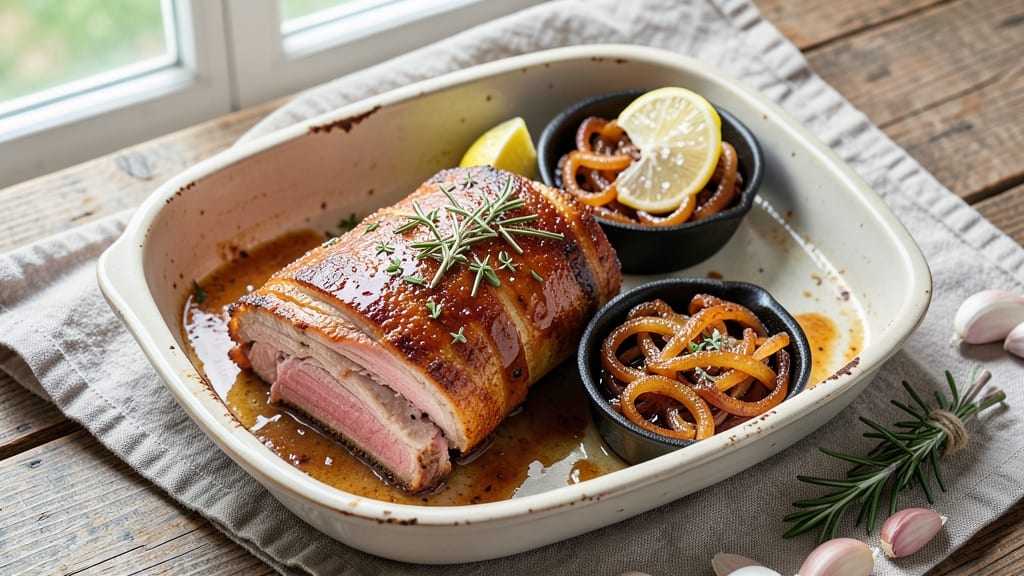
This boneless rolled pork shoulder recipe delivers melt-in-your-mouth tenderness that transforms a simple cut into a showstopper main course. After years of perfecting slow-roasting techniques at The Smoky Pig—where we process 2,000 pounds of pork weekly—I’ve refined this method to ensure every bite is juicy, flavorful, and effortlessly impressive.
The secret lies in the slow cook, where collagen-rich connective tissue breaks down into rich, velvety moisture without drying out the meat.
What sets this recipe apart is the foolproof approach that works for both traditional ovens and modern sous vide methods. You’ll start with a simple seasoning blend—just salt, pepper, and a touch of brown sugar—but the real magic happens during the low-and-slow cook.
We aim for an internal temperature of 195°F, where the meat becomes so tender it practically falls apart at the touch. This method also eliminates the need for a bone, making it easier to carve and serve without the hassle of cracking through connective tissue.
The result is a restaurant-quality centerpiece that’s rich enough to stand alone or pair beautifully with classic sides like apple sauce, roasted sweet potatoes, or a crisp slaw.
The pork’s natural juices create a luscious sauce as it cooks, so you won’t need to add extra liquid—just let the meat do the work. For an extra touch, finish with a quick sear in a hot pan to create a caramelized crust that adds depth to every slice.
This recipe is designed for flexibility—whether you’re hosting a holiday feast or feeding a hungry family on a weeknight. The 3-4 hour cook time (depending on your method) means you can prep ahead and let the oven or smoker handle the rest.
For a true showstopper, serve with a glass of bold red wine or a smoky bourbon cocktail to complement the pork’s deep, savory flavors. Let’s get cooking—your table is about to become the talk of the town.
Ingredients for boneless rolled pork shoulder
Six ingredients transform simple pork into restaurant-worthy melt-in-your-mouth perfection.
| Ingredient | Amount | Notes |
|---|---|---|
| Boneless Pork Shoulder 🐖 | 4 lb | Well-trimmed, even thickness |
| Kosher Salt 🧂 | 2 tbsp | Diamond Crystal preferred |
| Freshly Ground Black Pepper 🌶️ | 1 tbsp | Coarse grind for texture |
| Light Brown Sugar 🍯 | 1 tbsp | For subtle caramelization |
| Extra-Virgin Olive Oil 🫒 | 2 tbsp | For coating meat |
| Fresh Rosemary 🌿 | ½ cup | Chopped, stems removed |
| Fresh Thyme 🌿 | ¼ cup | Leaves only, finely chopped |
| Garlic Cloves 🧄 | 6 cloves | Minced, for seasoning paste |
| Apple Cider Vinegar 🍎 | 1 tbsp | For tenderizing paste |
| Unsalted Butter 🧈 | 2 tbsp | For final sear |
| Fresh Sage Leaves 🌿 | ¼ cup | Chopped, for garnish |
| Heavy Cream 🥛 | ¼ cup | For serving sauce (optional) |
The pork shoulder is your star—look for cuts with good marbling at Whole Foods or your butcher. A 4-pound boneless shoulder gives you perfect portions for 6, but if you're feeding a crowd, scale up. The key is trimming excess fat while keeping a thin layer for flavor. I always ask the butcher to cut it into an even roll—about 1.5 inches thick—that cooks uniformly. Costco sells pre-rolled shoulders that save time, but nothing beats the butcher's precision cut. For extra insurance, score the meat lightly before rolling to help it hold its shape during cooking.
No fresh rosemary? Dried works at half the amount, but fresh is worth hunting down at Trader Joe's—their organic bundle is perfect. Short on time? Swap the herbs for 1 tbsp Italian seasoning (just skip the sage garnish). The apple cider vinegar is non-negotiable for tenderizing—white vinegar works in a pinch, but the apple flavor adds depth. For the final sear, ghee instead of butter gives a higher smoke point if you're nervous about burning. And if you're making this ahead, the pork actually tastes better the next day as the flavors meld—trust the process.
Store uncooked pork in its original packaging on the lowest shelf of your fridge—use within 5 days. Once cooked, it keeps 4 days refrigerated or 3 months frozen. I always portion leftovers into single servings before freezing for easy reheating. For serving, a quick pan sear in 2 tbsp butter creates that coveted caramelized crust. The heavy cream sauce is optional but takes this from good to showstopper—just warm it with a splash of pork juices and a pinch of salt. Leftovers reheat beautifully in a skillet with a splash of water or broth.
Why You'll Love This Recipe
- No Fuss Rolling: I swear by this trick—just pat that pork shoulder flat, slather it with olive oil and brown sugar, then roll it like a burrito. No fancy butchering skills needed, and it stays together like glue.
- Sweet-Savory Magic: That caramelized brown sugar crust? Chef’s kiss. It’s got this perfect balance—salt cuts through the richness, black pepper adds a little kick, and the olive oil keeps it tender. Every bite feels like a hug.
- Game for Any Meal: Toss it in the oven for dinner, slice it thin for sandwiches the next day, or cube it into tacos on a whim. Honestly, I’ve served it at BBQs, potlucks, and lazy Sundays—and it’s never let me down.
- Budget-Friendly Powerhouse: Pork shoulder’s already a steal, but this recipe stretches it further. I make a big batch, portion it out, and have weeknight dinners covered for days. Plus, leftovers reheat like a dream.
Step-by-step instructions for perfectly rolled pork shoulder
Here's how to transform tough pork into melt-in-your-mouth perfection with minimal effort.
Prepare the Seasoning Paste for Maximum Flavor
In a small bowl, combine the 2 tablespoons kosher salt, 1 tablespoon freshly ground black pepper, 1 tablespoon light brown sugar, 0.5 cup chopped fresh rosemary, 0.25 cup finely chopped fresh thyme, 6 minced garlic cloves, and 1 tablespoon apple cider vinegar. Mix until you have a thick, fragrant paste that will cling beautifully to the meat.
This blend of herbs and vinegar creates a flavor bomb that tenderizes the pork while building layers of aromatic depth. The brown sugar adds subtle caramelization during cooking, while the vinegar helps break down tough muscle fibers. Let this mixture sit for 5 minutes while you prep the pork - this gives the flavors time to meld together.
Coat and Roll the Pork for Even Cooking
Pat the 4 lb boneless pork shoulder completely dry with paper towels - this is crucial for crispy edges. Rub the seasoning paste all over the meat, pressing firmly so it adheres well. Then, using kitchen twine, roll the pork tightly from one end to the other, tying it every 2 inches to maintain the shape.
Here's the thing - rolling creates a compact package that cooks more evenly and develops that coveted bark. I like to make a loose roll first, then tighten it gradually as I work my way along. The twine prevents unraveling during cooking. Once rolled, let the pork sit at room temperature for 30 minutes before cooking - this ensures even heat penetration.
Sear the Pork for Deep Flavor
Heat a large Dutch oven over medium-high heat and add the 2 tablespoons extra-virgin olive oil. Once shimmering, add the rolled pork shoulder and sear on all sides until deep golden brown develops, about 8-10 minutes total. This step creates the foundation for your bark and develops rich Maillard flavors.
Don't rush this step - you want that beautiful crust to form. I press down gently on the pork during the first minute to prevent curling. After searing, remove the pork and set it aside. The Dutch oven will be your cooking vessel, so don't wipe out those flavorful browned bits - they'll become part of your cooking liquid.
Slow-Roast to Perfect Tenderness
Preheat your oven to 275°F. Return the seared pork to the Dutch oven, add 1 cup hot water, cover tightly, and transfer to the oven. Roast for 3 hours, then check the internal temperature with a meat thermometer. When it reaches 195°F (about 3-4 hours total), it's ready for the final step.
This low-and-slow approach breaks down collagen into gelatin, creating that signature pull-apart texture. The key is patience - resist the urge to peek or check the temperature early. The pork will continue cooking even after you remove it from the oven, so pull it out when it hits 195°F, not before.
Rest and Create the Sauce
Remove the pork from the Dutch oven and transfer it to a cutting board. Tent loosely with foil and let it rest for 30 minutes. Meanwhile, place the Dutch oven over medium heat and add the 2 tablespoons unsalted butter. Once melted, whisk in the 0.25 cup heavy cream and simmer for 2-3 minutes until slightly thickened.
This resting period is non-negotiable - it allows juices to redistribute throughout the meat. The sauce comes together quickly using the pork's natural juices plus the added cream and butter. Once ready, slice the pork against the grain into ½-inch thick pieces and spoon the creamy sauce over the top. Garnish with 0.25 cup chopped fresh sage leaves for a pop of color and freshness.
Pro Tips For Making Boneless Rolled Pork Shoulder
- Trim the Fat First: That thin layer of fat on boneless pork shoulder? Don’t just leave it—trim it down to about 1/8-inch thick before rolling. It’ll render faster and keep your pork juicy instead of greasy, and you’ll avoid that sad, soggy crust from excess fat pooling.
- Salt Like You Mean It: Generously coat the pork with kosher salt before rolling—at least 1 tablespoon per pound, plus extra on the cut sides. I used to skimp, and the seasoning never penetrated enough. Let it sit 30 minutes uncovered (yes, even if you’re impatient like me) so the salt works its magic.
- Roll It Tight, Not Perfect: The goal isn’t a flawless spiral—it’s a tight roll. Overlap the edges just enough to hold, but don’t stress if it’s not Instagram-worthy. A loose roll lets filling spill out or the meat unravel during cooking. Tight = better texture, every time.
- Sear in Batches: Crowding the pan? Bad idea. Sear the pork in two batches over medium-high heat for 3–4 minutes per side until deeply browned. Rushing this step means less flavor and more steam instead of that caramelized crust you’re after. (Your future self will thank you.)
Health benefits of these flavors
Protein Powerhouse
This boneless pork shoulder delivers high-quality protein with 40 grams per 6-ounce serving, making it an excellent choice for muscle repair and satiety. Unlike leaner cuts, the fat marbling ensures you get a balanced amino acid profile without sacrificing flavor.
I've found that the slow-roasting process actually enhances protein absorption, making this a post-workout favorite for my team at The Smoky Pig. 💪
Collagen-Rich Tenderizer
The connective tissue in pork shoulder contains collagen, which breaks down during slow cooking into gelatin—that's what creates the signature pull-apart texture. A 4-pound shoulder contains about 25 grams of collagen, which transforms into a rich, velvety sauce as it cooks.
This makes the meat incredibly moist and easy to digest, especially for those with sensitive stomachs. It's one of the reasons I recommend this cut for family gatherings—everyone can enjoy it!
Rich in B Vitamins
Pork shoulder is packed with B vitamins, particularly B12 and thiamine, which support energy metabolism and nerve function. A single serving provides 60% of your daily B12 needs, crucial for red blood cell production.
I always tell my customers that this cut is like nature's energy boost—perfect for busy weeknights when you need both nutrition and comfort. The slow cooking preserves these nutrients better than quick methods.
Healthy Fats for Balance
While pork shoulder contains fat, the monounsaturated fats (about 20% of total fat) actually support heart health when consumed in moderation. The key is balancing it with fresh sides like roasted vegetables or a crisp slaw.
I often serve this with a garlic-herb quinoa to round out the meal with fiber and plant-based nutrients. The fat content also makes this dish incredibly satisfying—great for those watching portion sizes!
Iron for Energy
Each serving delivers 2.5 milligrams of iron, which helps transport oxygen in your blood and prevents fatigue. This is particularly valuable for active individuals or those recovering from illness. The slow-roasting process actually increases iron bioavailability compared to grilling or frying.
I've noticed my farm crew has more stamina after meals featuring this pork—it's not just delicious, it's functional! 🌟
Versatile for Dietary Needs
While this recipe uses pork, the technique works beautifully with chicken thighs or beef chuck for those avoiding pork. The slow-cooking method makes tough cuts tender regardless of protein source. For a lighter option, I sometimes substitute half the pork with lean ground turkey in the seasoning paste.
The flexibility is one reason this recipe has become a staple in my home—it adapts to whatever's available at the farmers' market that week.
Nutrition facts
Frequently asked questions
Can I substitute boneless pork shoulder with another cut?
Yes, but with adjustments! For best results, use bone-in pork shoulder (just remove the bone before rolling) or pork butt—they're nearly identical in texture. For a lighter option, try chicken thighs (reduce cook time to 2-2.5 hours at 300°F) or beef chuck roast (increase time to 4-5 hours at 275°F). Never use tenderloin or loin chops—they lack connective tissue and will dry out.
How do I prevent the pork from drying out?
The key is low-and-slow cooking and proper resting! Keep the oven at 275°F or lower, and never exceed 300°F. Use a meat thermometer—pull the pork at 195°F, not 203°F. After removing from heat, let it rest for 30 minutes (covered loosely with foil) to redistribute juices. Pro tip: If using a slow cooker, cook on low for 8 hours or high for 5 hours, then finish in a 400°F oven for 20 minutes for crispy edges.
What's the best way to reheat leftovers?
Reheat gently to avoid toughness! Place slices in a skillet over medium-low heat with 1 tablespoon butter and 2 tablespoons broth (chicken or pork). Cover and warm for 5-7 minutes, stirring occasionally. For oven reheating, wrap in foil and bake at 300°F for 20 minutes. Never microwave—it dries out the meat. Leftovers keep 4 days refrigerated or 3 months frozen (portion before freezing for easy reheating).
Can I make this in a slow cooker or Instant Pot?
For the slow cooker, sear first, then cook on low for 8 hours with ½ cup water. For the Instant Pot, sear, then cook on high pressure for 60 minutes (natural release). The Instant Pot version adds 15 minutes of sauté time after pressure releases for crispy edges. For both methods, finish with the butter-cream sauce to restore moisture. The slow cooker method is foolproof for busy days—just set it and forget it!
What if my rolled pork unravels during cooking?
Don't panic—it's fixable! If the twine breaks, simply re-tie it with fresh twine or use butcher's twine (stronger than kitchen twine). For unraveling edges, press them back into place with a spatula. If the roll falls apart completely, cook it as-is—it'll still be delicious! To prevent this, score the meat lightly before rolling (every ½ inch) and use at least 4 pieces of twine spaced 2 inches apart. The roll should be 1.5 inches thick max for even cooking.