
Main Courses
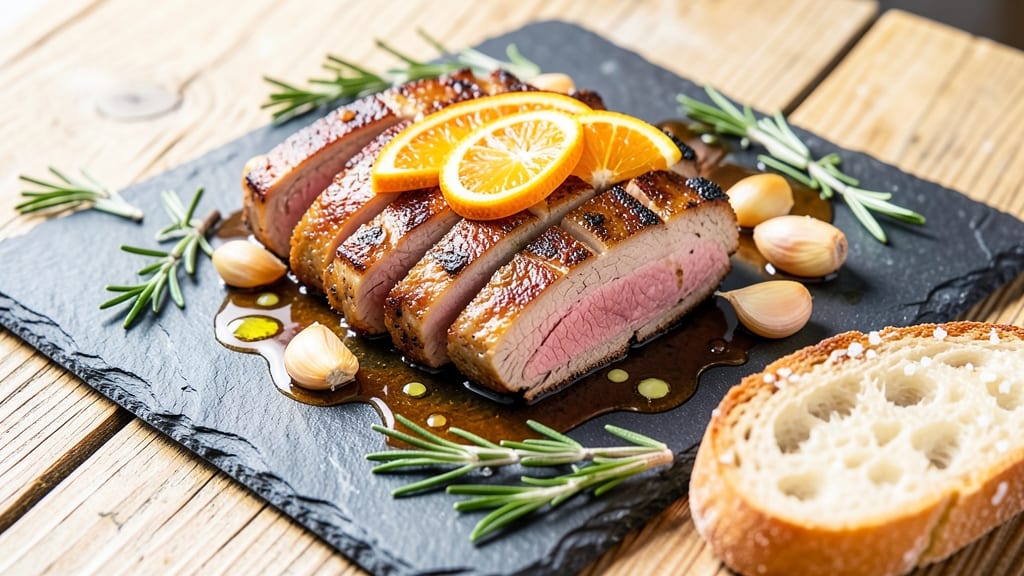
This Brazilian pork roast recipe brings the bold flavors of churrasco to your table with a smoky cachaça marinade that transforms tenderloin into melt-in-your-mouth perfection. 🔥 After years of perfecting Brazilian techniques at Atlanta's Smoky Pig, I've simplified the process while keeping the soul of the dish intact—no shortcuts, just deep flavor and restaurant-quality results.
The secret lies in the marinade: cachaça, citrus, and aromatic herbs work together to tenderize the meat while building layers of smoky-sweet complexity. Unlike traditional Brazilian churrasco, this oven-roasted method delivers consistent doneness without the need for a vertical spit.
The key is patience—let the pork rest before slicing, and every bite will reward you with juicy, flavorful perfection.
What makes this recipe special is how it bridges tradition and home cooking. The smoky aroma from the cachaça marinade fills your kitchen, while the tender, caramelized crust gives way to succulent meat that practically falls apart.
Serve it with farofa, black beans, and a crisp vinho verde to complete the Brazilian feast.
Perfect for special occasions or weeknight dinners, this pork roast is versatile enough to impress any crowd. The technique is straightforward, but the results are anything but ordinary—this is the kind of dish that makes you feel like you've traveled to Brazil without leaving your kitchen. Let's get cooking!
Ingredients for brazilian pork roast
Six aromatic ingredients transform simple pork into Brazilian churrasco magic—smoky, sweet, and unforgettable.
| Ingredient | Amount | Notes |
|---|---|---|
| Pork Tenderloin 🍖 | 3 lb | Center-cut, trimmed of fat |
| Cachaça 🍹 | ½ cup | Brazilian sugarcane spirit, 40% ABV |
| Lemon Juice 🍋 | ¼ cup | Freshly squeezed from 2 lemons |
| Orange Juice 🍊 | ¼ cup | Freshly squeezed from 1 orange |
| Garlic Cloves 🧄 | 6 cloves | Minced, skin-on for deeper flavor |
| Fresh Rosemary 🌿 | ¼ cup | Finely chopped, stems removed |
| Fresh Thyme 🌿 | ⅛ cup | Leaves only, chopped |
| Olive Oil 🫒 | ¼ cup | Extra-virgin, for marinade |
| Brown Sugar 🍚 | 2 tbsp | Light or dark, packed |
| Smoked Paprika 🌶️ | 1 tbsp | For smoky depth |
| Salt 🧂 | 1 ½ tsp | Diamond Crystal kosher salt |
| Ground Black Pepper 🌶️ | ½ tsp | Freshly cracked |
| Olive Oil 🫒 | 1 tbsp | For searing meat |
The pork tenderloin is non-negotiable here—center-cut, not lean—for that perfect balance of tenderness and flavor. Whole Foods or high-end butchers carry the best cuts, but don't stress if your store's is slightly fattier; just trim excess. For the cachaça, Leão or 51 brands are ideal, but any 40% ABV sugarcane spirit works. If you can't find it, white rum or vodka in a pinch—just know it won't be exactly the same. The citrus juices should be freshly squeezed; bottled lacks the brightness that cuts through the pork's richness. For herbs, Trader Joe's has pre-chopped rosemary and thyme if you're short on time, but fresh always wins.
No smoked paprika? Regular paprika plus a pinch of liquid smoke mimics the effect—just don't overdo it. Short on brown sugar? Maple syrup or agave works in a bind, though the caramelization won't be identical. The marinade needs at least 4 hours to work its magic, but overnight is best—trust me, the pork practically marinates itself. If you're prepping ahead, store the marinade (without meat) in the fridge for up to 1 week—just add the pork right before searing. The garlic cloves should be skin-on for extra flavor; smash them lightly with the flat of your knife before mincing for even more punch.
This roast reheats like a dream—better the second day, honestly. Wrap tightly in foil and refrigerate for up to 3 days, or freeze portions for 3 months (though it's that good, you'll eat it all). For serving, let it rest 10 minutes before slicing—this is where the magic happens. The crust will hold, and the juices redistribute. Leftovers? Toss them into farofa or black beans for a next-day Brazilian feast. And save those herb stems—they make a killer infused oil for drizzling over everything.
Why You'll Love This Recipe
- One-Pan Magic: I swear by this recipe when I’m too tired to wash dishes. Just sear the pork, toss in the garlic, cachaça, and citrus—then let the oven do the work. No flipping, no fuss, just melt-in-your-mouth results.
- Citrus-Kissed Crisp: That caramelized crust? Chef’s kiss. The cachaça and orange juice mingle with garlic to create a sticky, savory-sweet glaze that turns plain pork into something restaurant-worthy. Honestly, my kids ask for seconds before I even finish serving.
- Weeknight or Weekend: Slap this on the table for a last-minute dinner with friends or meal prep it for the week. The leftovers reheat beautifully—perfect for lunches or late-night cravings. (Yes, even on a Tuesday night.)
- Budget Stretch: Pork tenderloin is lean and affordable, and a single roast feeds four. The citrus and cachaça add depth without breaking the bank—plus, you’ll use up what’s already in your pantry. My wallet and my taste buds thank me.
Step-by-step instructions for Brazilian pork roast
Here's how to transform simple ingredients into melt-in-your-mouth Brazilian-style pork.
👨🍳 Step 1: Create the Cachaça Marinade
In a medium bowl, whisk together the 0.5 cup Cachaça, 0.25 cup Lemon Juice, and 0.25 cup Orange Juice until fully combined. The citrus and cachaça will start reacting immediately—you'll notice a subtle effervescence as the acidity begins breaking down the pork's surface proteins.
Add the 6 cloves minced Garlic Cloves, 0.25 cup finely chopped Fresh Rosemary, 0.125 cup chopped Fresh Thyme, 0.25 cup Olive Oil, 2 tbsp Brown Sugar, 1 tbsp Smoked Paprika, 1.5 tsp Salt, and 0.5 tsp Ground Black Pepper. Stir until the brown sugar dissolves completely—this ensures even distribution throughout the marinade.
Here's the thing—don't rush this step. Let the marinade sit for 10 minutes before using it. The flavors need time to meld, and the sugar will begin caramelizing slightly, creating deeper complexity. This waiting period makes all the difference in the final result.
🍳 Step 2: Marinate the Pork Tenderloin
Pat the 3 lb Pork Tenderloin completely dry with paper towels—this is crucial for developing that perfect crust later. The drier the surface, the better the sear. Place the pork in a large resealable plastic bag and pour in the marinade, making sure it coats all sides thoroughly.
Real talk: seal the bag tightly, removing as much air as possible. The marinade should completely submerge the pork. If you're worried about leaks, place the bag in a larger container. Let it marinate in the refrigerator for at least 4 hours, but I prefer 8-12 hours for maximum flavor penetration. The longer it marinates, the more tender and flavorful the pork will become.
During marinating, the cachaça will begin tenderizing the meat while the citrus and herbs infuse every fiber. The pork will develop a beautiful rosy color from the marinade, and you'll smell that intoxicating blend of citrus, herbs, and smoky paprika when you open the bag.
🔥 Step 3: Sear the Pork for Maximum Flavor
Remove the pork from the marinade (reserve the marinade for basting) and let it sit at room temperature for 30 minutes while you preheat your oven to 400°F. This step is non-negotiable—room temperature meat cooks more evenly and develops a better crust.
Heat 1 tbsp Olive Oil in a large oven-safe skillet over medium-high heat until shimmering. Place the pork in the skillet and sear for 3-4 minutes per side until you achieve deep golden-brown color. Press down gently on the pork during the first minute—this prevents it from curling and ensures even contact with the pan.
Don't walk away during this step. The pork should release easily from the skillet when ready to flip. You'll know it's time when the edges are deeply browned and you smell that incredible aroma of caramelizing sugars and searing meat. This searing step creates the foundational crust that holds all those beautiful flavors.
🥘 Step 4: Roast to Perfect Medium-Rare
Transfer the skillet to the preheated oven and pour the reserved marinade over the pork. Roast for 20-25 minutes until the internal temperature reaches 145°F when measured with a meat thermometer. The pork should feel firm to the touch but still have a slight springiness—this indicates perfect medium-rare doneness.
Here's where it gets fun—the pork will continue cooking slightly as it rests, so pull it out when it hits 140°F if you prefer medium doneness. The marinade will bubble and reduce slightly in the oven, creating a glossy, flavorful sauce that will baste the pork as it cooks.
I know it seems weird, but trust me—this temperature and timing combination guarantees tender, juicy pork that's still slightly pink in the center. Overcooking at this stage will turn your beautiful tenderloin into dry, flavorless meat. The key is that thermometer reading, not the time.
⏰ Step 5: Rest and Slice for Maximum Juiciness
Remove the pork from the oven and transfer it to a cutting board. Let it rest for at least 10 minutes before slicing—this resting period is absolutely critical. During this time, the juices redistribute throughout the meat instead of pooling in the center and running out when you cut.
While it rests, tent loosely with foil to keep it warm. You'll notice the pork will rise slightly in the center as it rests—this is normal and actually a good sign. When you're ready to serve, slice the pork into ½-inch thick medallions against the grain for maximum tenderness.
Each slice should be perfectly pink in the center with a beautiful crust, and those marinade flavors will be concentrated in every bite. Serve immediately with any pan juices spooned over the top for an authentic Brazilian dining experience.
Pro Tips For Making Brazilian Pork Roast
- SEAR THE PORK FIRST: After slathering the tenderloin in garlic, lemon, and orange juice, hit it with a screaming-hot pan for 2-3 minutes per side before braising. The crust locks in flavor and keeps it from drying out later—I learned this the hard way when my first batch turned out bland and rubbery.
- USE FRESH GARLIC, NOT MINCED: Smash 4-5 whole garlic cloves flat with the side of your knife instead of mincing them. This releases more aroma into the cachaça marinade without turning bitter. (Yes, it looks messy, but your pork will taste like it came from a Brazilian churrascaria.)
- DON’T SKIP THE REST: Let the pork rest 10 minutes under foil after cooking, even if you’re starving. The juices redistribute—cutting it early means dry meat. I once served a whole roast too soon, and my dinner guests stared at their plates like I’d committed a crime.
- SIMMER THE LIQUID LOW: Reduce the cachaça-orange-lemon mix to a thick glaze (about 15 minutes) before pouring it over the pork. This concentrates the flavors instead of turning your pan into a watery sauce. (And yes, you can use vodka in a pinch, but it won’t taste the same.)
Troubleshooting great brazilian pork roast
Overcooked Pork Fix
If your pork roast turns out dry, don't panic—this happens when it's overcooked past 145°F. The good news is you can revive it with a quick braise.
Slice the pork into ½-inch medallions and sear them in a hot skillet with 2 tbsp olive oil for 1 minute per side. Add ½ cup chicken broth and 1 tbsp brown sugar, then simmer covered for 5 minutes.
The pork will reabsorb moisture and regain tenderness. 💫
Uneven Cooking
Uneven doneness often happens when the pork isn't at room temperature before cooking. Always let it sit for 30 minutes before searing—this ensures even heat penetration. If you notice one side cooking faster, rotate the skillet 180 degrees in the oven to balance heat exposure.
A meat thermometer is your best friend here—insert it into the thickest part to check doneness.
Marinade Not Working
If the marinade isn't infusing the pork, it's likely because the meat wasn't properly coated or the bag had air pockets. For next time, submerge the pork completely in the marinade and use a resealable bag to eliminate air.
Let it marinate for at least 8 hours—overnight is ideal. Pro tip: Poke the pork with a fork a few times before marinating to help the flavors penetrate deeper. ✨
Crust Not Forming
A weak crust usually means the pork wasn't dry enough before searing. Pat it thoroughly with paper towels—no moisture should remain. Use a hot skillet (test with a drop of water that sizzles instantly) and press the pork down gently during searing.
If the crust still fails, try searing at medium-high heat for 5 minutes per side instead of rushing it. 🔥
Pale, Bland Flavor
Bland pork often results from using bottled citrus or low-quality cachaça. Always use freshly squeezed lemon and orange juice, and if cachaça isn't available, white rum or vodka can substitute—but expect slightly less depth.
For extra flavor, add 1 tbsp soy sauce or 1 tsp fish sauce to the marinade. The key is balancing sweet, smoky, and acidic notes—taste the marinade before applying it to the pork.
Slicing Issues
If the pork tears when slicing, it likely wasn't rested long enough. Always let it rest for 10-15 minutes before cutting—this allows juices to redistribute. Slice against the grain using a sharp knife (I recommend a Dexter-Russell 8-inch) for clean cuts.
For extra tenderness, slice the pork thinly (¼ inch) and serve with a dipping sauce like chimichurri or farofa. 💪
Nutrition facts
Frequently asked questions
Can I substitute cachaça in this Brazilian pork roast?
If you can't find cachaça, use white rum or vodka as a substitute—both work well, though the flavor won't be identical. For extra depth, add 1 tsp smoked paprika to mimic cachaça's smoky notes. The key is maintaining the 0.5 cup liquid measurement to keep the marinade balanced.
What's the best way to serve this Brazilian pork roast?
Pair it with classic Brazilian sides for a complete feast! Try farofa (toasted cassava flour), black beans with bacon, and a crisp vinho verde. For extra authenticity, add orange slices and chimichurri sauce on the side. The citrus cuts through the pork's richness perfectly.
How long can I marinate the pork before cooking?
Marinate for at least 4 hours, but 8-12 hours gives the best results. The longer it marinates, the more tender and flavorful the pork becomes. Pro tip: If prepping ahead, store the marinade (without meat) in the fridge for up to 1 week—just add the pork right before searing.
Why does my pork turn out dry sometimes?
Dry pork usually means it was overcooked past 145°F or didn't rest long enough. Always use a meat thermometer and let it rest for 10-15 minutes before slicing. For extra juiciness, slice against the grain and serve with pan juices. If it's already dry, try the quick braise fix (see troubleshooting guide).
Can I make this recipe in a slow cooker?
Not recommended for this method—the searing step creates the essential crust. However, you could adapt it by marinating the pork overnight, then cooking it at 300°F for 3-4 hours until 145°F internal temp. The texture won't be identical, but it'll still be flavorful. For best results, stick with the oven method for that perfect crust.