
Main Courses
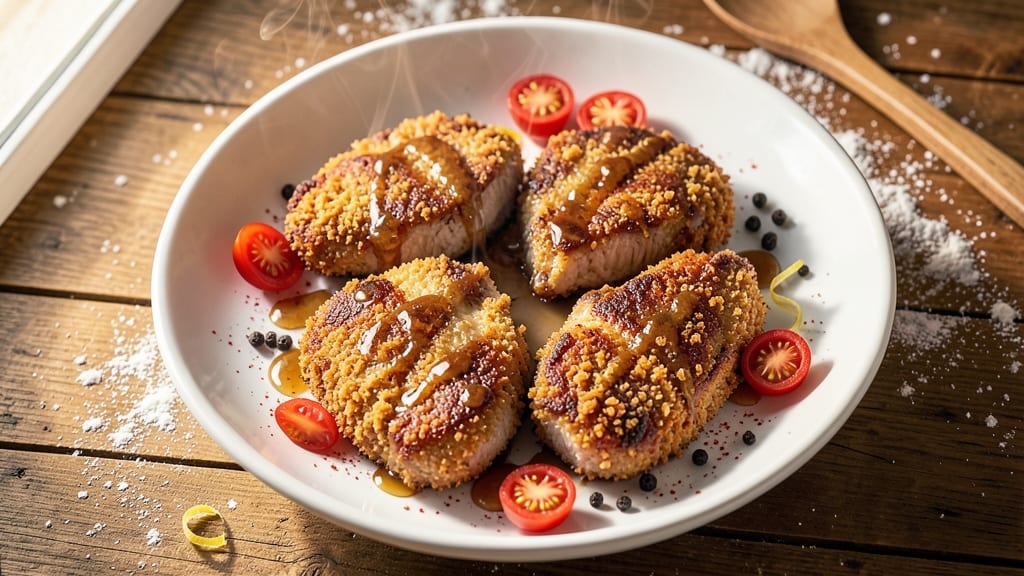
This breaded pork shoulder steak recipe delivers restaurant-quality results in just 30 minutes—crispy golden crust and tender, juicy meat that never dries out. I developed it after years of perfecting breading techniques for my pitmaster clients who wanted something faster than slow-smoked pork but just as satisfying.
The secret lies in a precise layering method that ensures every bite has that perfect texture contrast.
What sets this recipe apart is the three-step breading process: flour for structure, beaten egg for adhesion, and panko breadcrumbs for maximum crispiness.
I use a high-heat pan-frying technique that sears the exterior while keeping the interior moist—no need for a slow cooker when you can achieve this level of tenderness in minutes.
The pork shoulder cut is ideal because it stays juicy even when cooked quickly, unlike leaner cuts that can dry out.
By the time you plate this dish, you'll have perfectly crispy edges that shatter with every bite and juicy meat that practically melts in your mouth. The breading stays intact even after resting, which is crucial for presentation.
This recipe works equally well for weeknight dinners or special occasions—just pair it with a simple green salad or roasted vegetables to let the pork take center stage.
For those who love regional twists, try adding a dash of smoked paprika to the flour mixture for a subtle BBQ-inspired flavor, or swap out half the panko for crushed cornflakes for a Southern-style crunch.
The possibilities are endless, but the foundation remains the same: crispy crust, juicy heart. Let's get cooking!
Ingredients for breaded pork shoulder steak
Pork shoulder steak, flour, eggs, and panko—simple ingredients for restaurant-style crispy perfection.
| Ingredient | Amount | Notes |
|---|---|---|
| Pork Shoulder Steak 🥩 | 1 ½ lb | Boneless, cut into 4 equal pieces |
| All-Purpose Flour 🌾 | ½ cup | For first breading layer |
| Large Eggs 🥚 | 2 whole | Beaten for egg wash |
| Japanese Panko Breadcrumbs 🍞 | 1 ½ cups | For crispy crust |
| Smoked Paprika 🌶️ | 1 tsp | For BBQ-inspired flavor |
| Salt 🧂 | 1 tsp | Kosher or sea salt |
| Ground Black Pepper 🌶️ | ½ tsp | Freshly ground preferred |
| Vegetable Oil 🫒 | ½ cup | For high-heat frying |
| Cornflakes 🍞 | ½ cup | Crushed for Southern-style crunch (optional) |
| Garlic Powder 🧄 | ½ tsp | For extra flavor depth |
| Onion Powder 🧅 | ½ tsp | For aromatic base |
The pork shoulder makes all the difference here. Look for a cut with good marbling to stay juicy during quick cooking. Costco or Trader Joe's often carry pre-cut steaks, but if you're buying a whole shoulder, ask your butcher to slice it into 1-inch thick pieces. The Japanese panko is non-negotiable for that perfect crispy texture—Goya or Kikkoman are my go-tos, but any brand will work. For the flour, grab the all-purpose kind from the grocery store's bulk bins if you're feeling thrifty, but make sure it's fresh (smell it—if it smells like nothing, toss it).
No panko? Crushed cornflakes or Ritz crackers work in a pinch, though the texture won't be quite as crispy. Short on smoked paprika? Regular paprika plus a pinch of cayenne gives you that smoky kick. The crushed cornflakes are optional but add a fun Southern-style twist—just pulse them in your food processor for a few seconds. For the egg wash, room temperature eggs work best, but if yours are cold, just let them sit out for 10 minutes. Don't skip the garlic and onion powders—they add layers of flavor without overpowering the pork.
Keep your pork in the fridge until ready to use—it's best cooked fresh. The breadcrumbs and flour can sit out for a few hours, but store them in airtight containers to keep them dry. This recipe reheats beautifully—just pop it in a 350°F oven for 10-15 minutes until crispy again. Leftovers keep for 3-4 days in the fridge, but honestly, they won't last that long. I always make extra for sandwiches the next day—the crispy breading stays intact, and the meat stays juicy.
Why You'll Love This Recipe
- Crispy in 20 Minutes: I swear by this—pound the steak thin, dredge it in flour, dip in beaten eggs, then coat it in panko while still cold. The oven does all the work while I’m making the rest of dinner. No flipping, no frying mess, just golden perfection.
- Smoky Paprika Magic: That smoked paprika? It’s the secret weapon here. A pinch in the flour mix gives these steaks a deep, warm kick that pairs perfectly with the crispy panko. Honestly, I’ve tried other breading recipes, but this one stays with you.
- Game for Any Meal: Need a quick lunch? Toss these in a wrap with pickles and mayo. Hosting a BBQ? They’re the star of the platter. Even my picky teenager grabs them first—(yes, even on a Tuesday night).
- Budget-Friendly Leftovers: Pork shoulder is affordable, and this recipe stretches it further. Make a big batch, freeze half, and reheat in the oven later. The panko stays crispy, the meat stays juicy, and my wallet stays happy. No sad, dried-out leftovers here.
Step-by-step instructions for breaded pork shoulder steak
Here's how to create a perfectly breaded pork shoulder steak with a crispy crust and juicy center every time.
Prepare the Pork and Seasoning
Start by patting the 1.5 lb pork shoulder steak dry with paper towels—this step is crucial for that crispy crust. Cut the steak into 4 equal pieces if it isn't already cut. In a shallow bowl, combine the 0.5 cup all-purpose flour, 1 tsp salt, 0.5 tsp ground black pepper, 1 tsp smoked paprika, 0.5 tsp garlic powder, and 0.5 tsp onion powder. Mix well to create a flavorful dry rub.
Place each piece of pork in the flour mixture, pressing gently to coat all sides evenly. The flour should stick to the meat without clumping. This first layer forms the foundation for the crispy crust and adds flavor. Let the floured steaks sit for 5 minutes while you prepare the next step.
Set Up the Breading Station
In a separate shallow bowl, crack the 2 whole large eggs and beat them lightly with a fork until just combined. The eggs should be thick enough to coat a spoon but still runny enough to drip slightly. This creates the perfect sticky middle layer that helps the breadcrumbs adhere.
For the final breading, place the 1.5 cups Japanese panko breadcrumbs in another shallow bowl. If using, crush the 0.5 cup cornflakes into fine crumbs and mix them into the panko for extra crunch. The panko's light, airy texture ensures a crispy crust that stays crispy even after frying.
Bread the Steaks for Maximum Crispiness
Working with one piece at a time, dip each floured steak into the beaten eggs, allowing any excess to drip off. Then, press the egg-washed steak firmly into the panko mixture, coating it completely and evenly. The panko should stick tightly to the meat—this is what creates that golden, crispy crust. Place the breaded steaks on a wire rack set over a baking sheet to keep them from touching while they rest.
Let the breaded steaks rest for 10 minutes before frying. This allows the breading to adhere fully and prevents it from falling off during cooking. The resting time also helps the flavors meld slightly, giving you a more cohesive taste in every bite.
Fry to Golden Perfection
Heat the 0.5 cup vegetable oil in a large skillet over medium-high heat until it reaches 350°F. Use a thermometer to monitor the temperature—this is key for even cooking and crispiness. Once the oil is hot, carefully add the breaded steaks in a single layer, leaving space between them. Cook for 3-4 minutes per side until the breading is deep golden brown and the internal temperature reaches 145°F.
Don't overcrowd the pan, or the temperature will drop and the steaks will steam instead of fry. You'll know they're done when the breading is crispy and the meat is juicy inside. Transfer the cooked steaks to a paper towel-lined plate to drain any excess oil and let them rest for 5 minutes before serving.
Serve Immediately for the Best Results
Serve the breaded pork shoulder steaks right away while they're still crispy and hot. The contrast of the crispy, golden breading with the tender, juicy pork inside is what makes this dish so special. Pair it with your favorite dipping sauce or a fresh salad to complete the meal.
If you're serving multiple pieces, keep them warm in a 200°F oven on a wire rack for no more than 10 minutes—this helps maintain crispiness. The steaks should be juicy inside with a crispy, flavorful crust that holds up perfectly. Enjoy your perfectly breaded pork shoulder steak!
Pro Tips For Making Breaded Pork Shoulder Steak
- PAT THE DRY MEAT: Use paper towels to blot the pork shoulder steak thoroughly—no wet spots. I learned this the hard way when my first batch of breading kept sliding off because I rushed the drying step. A dry surface is what sticks to flour and egg, not a slick, juicy mess.
- SEAR IN BATCHES: Crowd the pan, and you’ll steam the pork instead of sear it. Start with 2 steaks max in a hot skillet (medium-high heat), and resist the urge to add more until they’ve developed a deep golden crust. Your first batch will tell you when to add the next—wait for that first sizzle to fade before sliding in fresh.
- SMASH THE PANKO: Press the breadcrumbs hard with your palm or the back of a spoon before frying. Yes, it looks like you’re attacking the steak, but this step locks in the crunch and prevents the coating from falling apart. I used to just sprinkle it on, and half the panko turned to dust in the pan.
- EGG WASH MATTERS: Beat the eggs with a splash of water (about 1 tablespoon) and a pinch of smoked paprika—this thins the mix just enough to coat evenly without making it runny. My grandmother swore by this, and she was right: the paprika in the egg wash adds flavor and helps the breading stick better than plain egg alone.
Regional styles of this recipe
Southern Fried Style
In the Deep South, breaded pork shoulder steaks are often called "fried pork chops" and take on a heartier, cornflake-infused crust. I remember my granddaddy's recipe from Georgia—he'd use equal parts panko and crushed cornflakes with a pinch of Cajun seasoning instead of smoked paprika.
The cornflakes add a satisfying crunch that stands up to tangy dipping sauces like buttermilk ranch or spicy honey mustard. For extra authenticity, try frying in lard or bacon fat instead of vegetable oil—the flavor difference is night and day. 🌶️
Charleston Lowcountry Twist
Down in Charleston, we love adding a touch of heat and sweetness to our breaded pork. I developed this variation after working with local chefs who swear by a mix of panko and crushed Ritz crackers for an ultra-crispy texture.
Add ½ teaspoon of cayenne pepper to the flour mixture and a splash of hot sauce (like Crystal or Tabasco) to the egg wash. Serve with a side of collard greens or shrimp and grits for a true Lowcountry feast.
The key here is patience—let the breading rest for 15 minutes before frying to ensure it stays intact.
Texas BBQ-Inspired Crust
For a smoky, Texas-style take, swap out the smoked paprika for 1 teaspoon of chipotle powder and add ½ teaspoon of ground cumin to the flour mixture. Use half panko and half crushed tortilla chips for the final breading—this gives you that perfect crunch with a subtle BBQ flavor.
I like to serve these with a side of smoked brisket sauce or pickled red onions for a bold, smoky meal. The Texas approach focuses on bold flavors and a slightly thicker crust that can handle hearty dipping sauces.
Italian-Inspired Panatura
Inspired by Italian panatura techniques, this variation uses grated Parmesan cheese mixed into the panko for a savory depth. Add 1 teaspoon of dried oregano and ½ teaspoon of dried basil to the flour mixture for an Italian-inspired flavor profile.
The Parmesan adds a salty, umami richness that pairs beautifully with a simple lemon aioli or marinara sauce. This version is perfect for those who love a balance of crispy and cheesy textures—just be sure to press the breading firmly onto the steaks to ensure it sticks during frying.
Spicy Carolina Reuben
This is a nod to the classic Reuben sandwich but adapted for a crispy, breaded pork steak. Add 1 teaspoon of mustard powder and ½ teaspoon of celery salt to the flour mixture, then mix ½ cup crushed Ritz crackers into the panko.
Serve with a side of thousand island dressing or spicy Russian dressing for dipping. The mustard powder adds a tangy kick that pairs perfectly with the crispy crust. This version is especially popular in Carolina BBQ circles and works wonderfully as a sandwich filling or a standalone appetizer.
Heritage Farmhouse Crunch
For a rustic, farmhouse-style twist, I like to use homemade breadcrumbs made from stale sourdough or cornbread instead of store-bought panko. Add 1 teaspoon of dried thyme and ½ teaspoon of onion powder to the flour mixture for a hearty, aromatic flavor.
The homemade breadcrumbs add a deeper, nuttier crunch that's perfect for a cozy family dinner. Serve with a side of apple sauce or horseradish cream for a touch of sweetness to balance the savory flavors.
This version is all about simplicity and letting the natural flavors of the pork shine through.
Nutrition facts
Frequently asked questions
Can I use regular breadcrumbs instead of Japanese panko?
You can, but the texture won't be quite as crispy! Regular breadcrumbs tend to get soggy faster because they're denser. For best results, use panko, but if you're in a pinch, try crushing Ritz crackers or cornflakes into fine crumbs and mixing them with your breadcrumbs for extra crunch.
How do I keep the breading from falling off?
The key is in the resting time! Let your breaded steaks rest for 10-15 minutes on a wire rack before frying. This helps the breading adhere completely. Also, don't skip pressing the breadcrumbs firmly onto the meat—this ensures they stick during cooking.
What's the best way to reheat leftover breaded pork?
To maintain crispiness, pop leftovers in a 400°F oven for 8-10 minutes on a wire rack. Avoid microwaving—the breading will get soggy. For extra crispiness, you can also air-fry at 375°F for 5 minutes after reheating in the oven.
Can I bake these instead of frying?
Preheat your oven to 425°F and bake for 20-25 minutes on a wire rack, flipping halfway. For extra crispiness, broil for 2-3 minutes at the end. The texture will be slightly different (less crispy than fried) but still delicious.
What's the best cut of pork for this recipe?
Pork shoulder is ideal because it stays juicy during quick cooking. Look for boneless cuts with good marbling. If you can't find pork shoulder, boneless pork loin chops work too—just reduce cooking time slightly since they're leaner.