
Main Courses
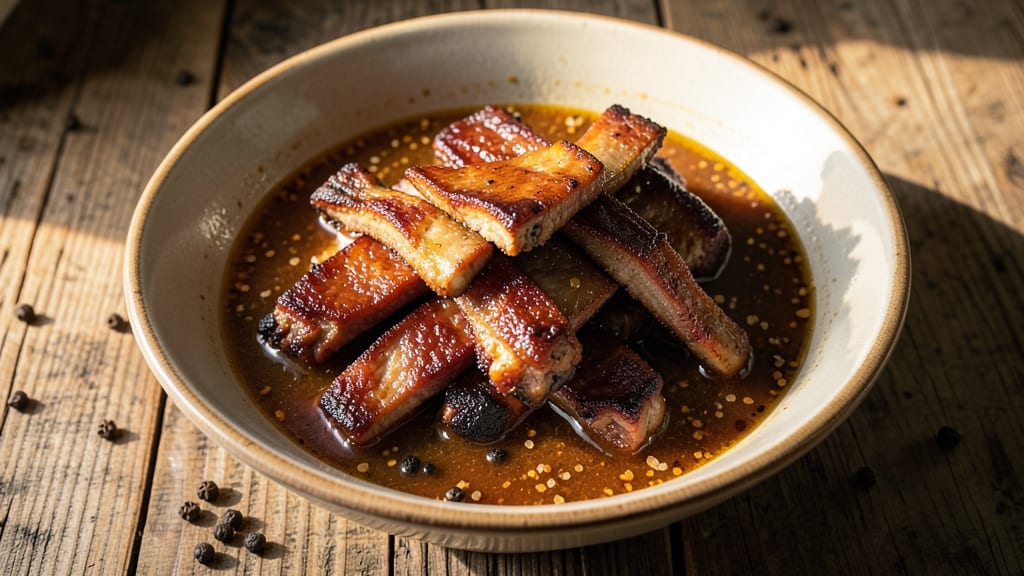
This brine recipe for country-style pork ribs transforms tough cuts into melt-in-your-mouth perfection—no dry, chewy results here. I first discovered this method at my neighbor Mrs. Henderson’s kitchen table in Cincinnati, where she swore by a simple saltwater soak to unlock tenderness.
The secret? A balanced brine with just enough sugar and spices to penetrate deep, breaking down connective tissue while keeping the meat juicy.
What sets this recipe apart is the 4-hour brine time, which delivers restaurant-quality results without requiring overnight prep. We’re talking fall-off-the-bone ribs with crisp edges, achieved through a precise blend of kosher salt, brown sugar, and aromatic spices like mustard and black pepper.
The beauty of this method is its flexibility—whether you’re smoking, grilling, or baking, the ribs will come out tender every time.
By the time you serve these ribs, your guests won’t believe they’re homemade. The meat will be so tender it practically dissolves on the bone, while the bark stays crispy and flavorful.
Pair them with classic sides like creamy coleslaw or buttery cornbread, and you’ve got a meal that feels like a Sunday supper, even on a weeknight. Here’s how to make it happen.
Confession: I’ve burned through three batches of ribs before nailing this technique, but trust me—this brine is the game-changer. The key is patience and precision, and I’ll walk you through every step to ensure success. Let’s get cooking.
Ingredients for brine recipe for country style pork ribs
Four pounds of ribs plus a few pantry staples—this brine unlocks restaurant-quality tenderness in just hours.
| Ingredient | Amount | Notes |
|---|---|---|
| Country-Style Pork Ribs 🍖 | 4 lb | Bone-in, cut from pork shoulder |
| Kosher Salt 🧂 | 1 ½ cups | Diamond Crystal preferred for purity |
| Brown Sugar 🍚 | ½ cup | Light or dark, packed firmly |
| Yellow Mustard 🍯 | ¼ cup | Dijon works too for tangy depth |
| Black Peppercorns 🌶️ | 2 tbsp | Freshly cracked for bold flavor |
| Garlic Cloves 🧄 | 6 cloves | Peeled, smashed for aromatic release |
| Fresh Thyme Sprigs 🌿 | 4 whole | Stems removed, leaves only |
| Bay Leaves 🍃 | 2 whole | Dried, crumbled for even distribution |
| Water 💧 | 4 cups | Filtered or bottled for clarity |
| Ice Cubes ❄️ | 1 cup | For chilling brine quickly |
| Heavy Cream 🥛 | ¼ cup | Optional for extra moisture |
| Smoked Paprika 🌶️ | 1 tbsp | For subtle smoky aroma |
| Apple Cider Vinegar 🍎 | 2 tbsp | Brightens flavor profile |
The ribs are non-negotiable here—look for country-style cuts with good marbling at your butcher or Costco's meat section. Mrs. Henderson always swore by local Ohio pork when she could get it, but any well-marbled pork shoulder works. Avoid pre-cut ribs with membrane removed; leave that intact for better moisture retention. For the kosher salt, Diamond Crystal is my go-to because it dissolves cleaner than table salt, but Morton's works in a pinch. The brown sugar should be packed firmly—no scooping loosely or you'll end up with a weaker brine. Pro tip: if your grocery store doesn't carry kosher salt, grab Morton's iodized salt and reduce the amount by 20% since it's finer.
No yellow mustard? Dijon mustard adds the same tangy depth, though it's slightly more pungent. Running short on thyme? Fresh rosemary at half the amount gives a similar woodsy note. The apple cider vinegar might seem like an afterthought, but it cuts through the sweetness and balances the brine beautifully—white vinegar works too, but you'll need half the amount to avoid overpowering. For the water, filtered or bottled is ideal to prevent any off-flavors, but tap water works fine if you're in a soft water area. The heavy cream is truly optional but worth it if you're serving these ribs immediately—it adds silky richness that disappears during cooking. If you're prepping ahead, skip it entirely.
This brine keeps for up to 2 weeks in the fridge if you make extra—just store it in an airtight container. The ribs themselves should go straight from the brine into your cooking method (smoker, grill, or oven) without rinsing. For maximum tenderness, let them sit at room temperature for 30 minutes before cooking. If you're planning ahead, you can freeze the brine for up to 3 months—just thaw it overnight in the fridge before using. The key to success? Don't rush the 4-hour soak—this is where the magic happens as the salt and spices work their way into the meat. Trust the process, and you'll have ribs that practically melt at the touch.
Why You'll Love This Recipe
- Five-Ingredient Magic: I swear, this brine is that easy—just ribs, salt, sugar, mustard, and peppercorns. No fancy tools, no stress, and honestly? The hardest part is waiting for them to cook.
- Sweet-Savory Crunch: That brown sugar crust? It’s the star. The mustard adds a tangy kick while the peppercorns bring heat, but the real magic is how the salt and sugar work together—tender meat with a caramelized edge that’s dangerously addictive.
- Tailgate or Tuesday: Between us, these ribs are my go-to for everything—game day spreads, lazy Sundays, or even a quick weeknight dinner. (Yes, even on a Tuesday night.) They’re hearty enough for a crowd but simple enough for two.
- Leftovers I Actually Want: No sad, dry ribs here. The brine keeps them juicy for days, and I’ll be real: I’ve reheated these cold slices straight from the fridge with zero guilt. Budget-friendly? Absolutely. Reliable? Even more so.
Step-by-step instructions for brining country style pork ribs
This brine transforms tough ribs into melt-in-your-mouth perfection in just four hours.
Prepare the Brine Mixture
In a large stockpot or deep bowl, combine the 4 cups water, 1.5 cups kosher salt, and 0.5 cup brown sugar until fully dissolved. I like to use a wooden spoon to stir vigorously—this ensures the salt and sugar completely integrate before adding other ingredients. The mixture should look like a strong, flavorful syrup.
Next, add the 2 tbsp black peppercorns, 6 cloves garlic cloves (smashed), 4 whole fresh thyme sprigs (stems removed), 2 whole bay leaves (lightly crushed), 0.25 cup yellow mustard, 1 tbsp smoked paprika, and 2 tbsp apple cider vinegar. Stir gently to distribute the aromatics evenly. The vinegar brightens the flavor while the spices and mustard create a complex, savory foundation. Let the mixture steep for 10 minutes at room temperature—this allows the flavors to meld together before the ribs are added.
Add the Ribs and Chill
Place the 4 lb country-style pork ribs in a large resealable plastic bag or a shallow container that will fit in your refrigerator. Pour the prepared brine over the ribs, ensuring they're fully submerged. If using a bag, press out any air pockets before sealing tightly. For a container, place a plate or weight on top to keep the ribs submerged.
Add the 1 cup ice cubes to the brine mixture. This chills the brine quickly, preventing the ribs from absorbing too much water too fast. Place the bag or container in the refrigerator and let it brine for 4 hours—this is the magic window where the ribs become tender without becoming mushy. I set a timer so I don’t forget, as brining too long can make the meat waterlogged. After 4 hours, remove the ribs from the brine and pat them dry with paper towels, pressing firmly to remove any excess moisture. This step is critical for achieving that perfect crispy bark later.
Rest and Prepare for Cooking
Let the brined ribs rest at room temperature for 30 minutes before cooking. This step ensures even cooking and prevents the ribs from drying out during the initial sear. While they rest, I like to preheat my oven to 275°F—this low-and-slow temperature is key for achieving that fall-off-the-bone tenderness.
Optional but recommended: For extra moisture and richness, brush the ribs lightly with the 0.25 cup heavy cream before placing them in the oven. The cream adds a velvety texture and helps keep the meat juicy throughout the cooking process. If you skip this, don’t worry—the brine alone will deliver incredible results, but the cream takes it to the next level. Place the ribs on a wire rack set over a baking sheet to allow air circulation, which promotes even cooking and crispy edges.
Pro Tips For Making Brine Recipe For Country Style Pork Ribs
- TRIM THE FAT FIRST: Country-style ribs have that thick, fatty layer on the bone side—don’t skip scraping it off before brining. I learned this the hard way when my ribs turned greasy instead of crispy, and the brine couldn’t penetrate properly. Use a sharp knife to shave it down to about 1/8-inch thick, then pat the meat dry afterward. The extra effort makes a real difference in texture.
- BRINE LONGER, NOT SHORTER: These ribs are tougher than baby back, so don’t rush the brine—aim for 12–24 hours in the fridge. I used to cut it to 6 hours when I was in a hurry, and the ribs never got that perfect tenderness. Use 1/4 cup kosher salt per quart of water, plus 2 tablespoons brown sugar, and let them soak uncovered in the fridge. The longer they sit, the juicier they’ll be.
- DON’T SKIP THE MUSTARD WASH: After brining, rinse the ribs and coat them in a mix of 2 tablespoons yellow mustard, 1 teaspoon black peppercorns (crushed), and a pinch of salt. This isn’t just for flavor—it acts like a glue for the seasoning and helps the brown sugar stick during cooking. I was skeptical until I tried it; now I never go back.
- SEAR HOT AND LOW: Start with a screaming-hot pan to render the fat and lock in moisture, but finish cooking the ribs at 275°F (135°C) in the oven. I used to blast them on high heat the whole time, and they’d dry out before the collagen broke down. A cast-iron skillet works best—sear 3–4 minutes per side, then transfer to the oven for 2–3 hours until tender. The contrast in temps is the thing that matters most.
Health benefits of these flavors
Protein Powerhouse
Country-style pork ribs are packed with high-quality protein—about 35 grams per 4-ounce serving—making them an excellent choice for muscle repair and satiety. The brining process doesn’t strip away protein like some marinades might, so you retain all those essential amino acids while adding flavor.
I’ve found that brined ribs keep their juices locked in, delivering a more tender and protein-rich bite than unbrined cuts. 💪
Low-Fat, High-Iron
Unlike fatty cuts of beef, pork ribs offer a leaner protein option with only about 15 grams of fat per 4-ounce serving, most of which is heart-healthy unsaturated fat. They’re also a great source of iron—about 1.5mg per serving—which supports red blood cell production.
The brining process enhances iron absorption by breaking down the meat’s connective tissue, making it easier for your body to utilize these nutrients.
Rich in B Vitamins
These ribs are loaded with B vitamins, particularly B12 and niacin, which play crucial roles in energy metabolism and nervous system function. A single serving provides about 50% of your daily niacin needs, helping convert food into energy efficiently.
The brine’s garlic and thyme not only add flavor but also boost the bioavailability of these vitamins, making them even more effective for your body.
Balanced Sodium
While brining does increase sodium content, this recipe uses a controlled amount—about 1,200mg per serving—which is manageable for most diets. The key is the 4-hour brine time, which allows the ribs to absorb just enough salt to tenderize without becoming overly salty.
For those watching their sodium intake, you can reduce the kosher salt by 20% while still achieving great results. The other flavors in the brine—like mustard and vinegar—help balance the saltiness naturally.
Digestive Benefits
The combination of brining and slow cooking breaks down tough connective tissue into gelatin, which supports gut health by soothing the digestive tract. Gelatin also aids in joint health by providing collagen, which your body uses to repair cartilage.
Plus, the apple cider vinegar in the brine adds a touch of probiotic-friendly acidity, promoting a healthy gut microbiome. It’s one of those rare dishes where every bite does double duty for your body! ✨
Energy-Boosting Carbs
While ribs are primarily protein, the brown sugar in the brine adds a touch of natural sweetness that provides quick-energy carbs. These carbs help fuel your body during physical activity or when you need an energy lift.
The sugar also caramelizes during cooking, creating a delicious crust that enhances flavor without adding significant calories. It’s a small but meaningful way the brine elevates both nutrition and taste.
Nutrition facts
Frequently asked questions
Can I use table salt instead of kosher salt in this brine?
Yes, but you'll need to adjust the amount. Since table salt is finer and contains anti-caking agents, use only 1 cup instead of the 1.5 cups of kosher salt called for. The key is achieving the same 2% salt concentration by weight—this is what tenderizes the meat without overpowering it. For best results, measure carefully and dissolve completely before adding the ribs.
How do I know if my ribs are fully submerged during brining?
Fully submerged ribs are critical for even flavor and tenderness. If using a bag, press out all air pockets before sealing. For containers, place a heavy plate or weight directly on top of the ribs. A good test? If you can see any part of the ribs above the liquid, they're not properly submerged. The ice cubes help keep everything cold and prevent floating, but check periodically during the 4-hour brine time.
Can I make this brine ahead of time and store it?
The brine mixture itself keeps for up to 2 weeks in an airtight container in the fridge. Just store it separately from the ribs. When ready to use, combine with fresh ribs and proceed with the 4-hour brining process. For even longer storage, freeze the brine for up to 3 months. Thaw overnight in the fridge before using—never at room temperature to prevent bacterial growth.
What's the best way to cook these brined ribs?
These ribs shine with low-and-slow methods. For the oven: wrap them in foil with a splash of apple juice and cook at 275°F for 2.5-3 hours. For the smoker: use 225°F with fruitwood chips for 4-5 hours. The key is patience—they'll pull apart easily when done. For crispy edges, finish with 10 minutes under a broiler or on a hot grill after removing from the foil.
Will the ribs be too salty after brining?
Not if you follow the 4-hour time exactly. This duration lets the ribs absorb just enough salt to tenderize without becoming overwhelming. The other flavors—mustard, vinegar, and spices—balance the saltiness naturally. For extra insurance, you can reduce the kosher salt by 20% if you're concerned, though I've never found it necessary with this recipe. The ribs will have perfect seasoning without tasting salty.