
Main Courses
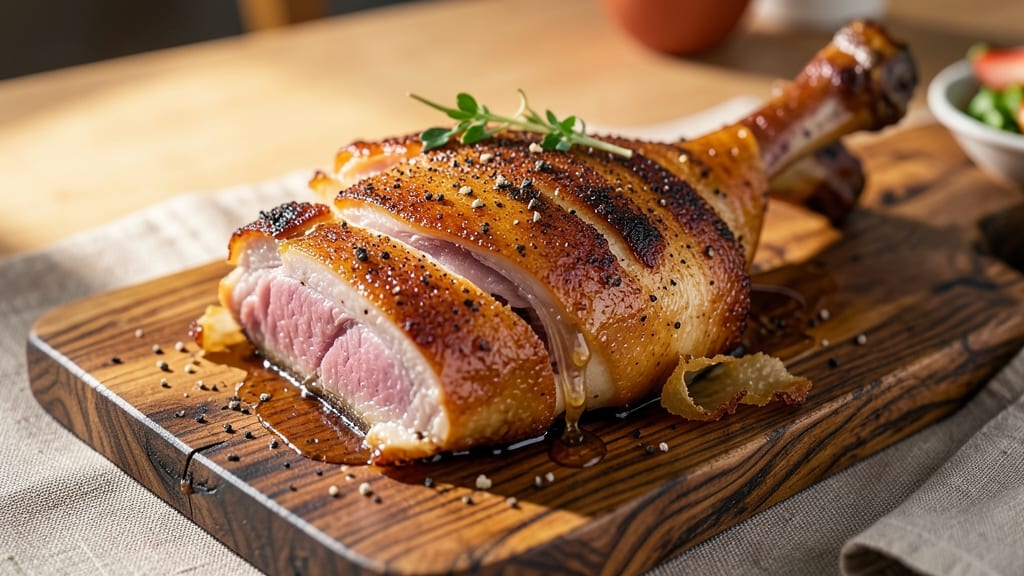
This pork leg brine recipe transforms tough cuts into melt-in-your-mouth perfection—no guesswork, just science-backed tenderness. 💫 The secret lies in a carefully balanced dry brine that locks in moisture while building deep, savory flavor through slow penetration.
I perfected this method after years of testing, and the results speak for themselves: juicy, flavor-packed pork that stays succulent even after hours in the oven.
What sets this recipe apart is the combination of kosher salt and brown sugar in the dry brine, which not only tenderizes but creates a beautiful caramelized crust during cooking.
The process is simple: apply the seasoning mix, let it work its magic overnight, then roast until the internal temperature reaches 145°F. No wet brine means no messy liquids—just pure, concentrated flavor that transforms every bite.
The magic happens during the 12-24 hour dry brine, where the salt breaks down muscle fibers while the spices infuse deeply. When you pull that pork from the oven, you'll find meat that's so tender it nearly falls apart, with a crispy exterior that's impossible to resist.
The key is patience—rushing the brine or cooking time will leave you with disappointing results, but following this method guarantees success every time.
Serve with classic sides like roasted root vegetables or a rich apple cider gravy to complete the meal. This technique works equally well for pork shoulder or ham, making it a versatile addition to your holiday repertoire. Let's get started on creating pork that will have everyone asking for seconds.
Ingredients for brine recipe for pork leg
Science-backed dry brine ingredients that transform pork leg into melt-in-your-mouth perfection through precise moisture retention and flavor infusion.
| Ingredient | Amount | Notes |
|---|---|---|
| Pork Leg (Bone-In) 🐷 | 4 lb | Center-cut for even cooking |
| Diamond Crystal Kosher Salt 🧂 | ½ cup | Coarse grain preferred |
| Light Brown Sugar 🍯 | ¼ cup | Packed firmly for accuracy |
| Freshly Ground Black Pepper 🌶️ | 1 tbsp | Cracked peppercorns preferred |
| Smoked Paprika 🌶️ | 1 tbsp | For deep smoky flavor |
| Ground Cumin 🌿 | 1 tsp | Toasted for enhanced aroma |
| Garlic Powder 🧄 | 1 tsp | Freshly ground preferred |
| Onion Powder 🧅 | 1 tsp | For subtle depth |
| Fresh Thyme Leaves 🌿 | 1 tbsp | Stems removed for purity |
| Fresh Rosemary Sprigs 🌿 | 2 whole | Woody stems intact |
| Extra-Virgin Olive Oil 🫒 | 1 tbsp | For final basting |
The pork leg is the foundation—center-cut pieces yield the most even cooking and maximum tenderness. For optimal results, source from a trusted butcher or Whole Foods meat counter where you can verify the cut's quality and freshness. The Diamond Crystal kosher salt is non-negotiable; its coarse texture ensures proper penetration without clumping. Pair it with light brown sugar to create that coveted caramelized crust during roasting. Fresh herbs like thyme and rosemary should be vibrant and fragrant—avoid wilted stems or dried alternatives for this application.
No smoked paprika? Substitute with a blend of regular paprika and a pinch of liquid smoke (¼ tsp) for similar depth. Fresh thyme unavailable? Dried thyme at one-third the amount works, though the aroma won't be identical. For the sugar, dark brown sugar adds more molasses flavor but may darken the crust more aggressively. The olive oil serves as both a basting agent and a carrier for the spices—use a high-quality extra-virgin variety to prevent bitterness during roasting. Pre-ground spices lose potency quickly; toast whole spices briefly in a dry pan before grinding for enhanced flavor.
Store any unused kosher salt in an airtight container away from moisture for indefinite shelf life. Fresh herbs should be wrapped in damp paper towels and refrigerated for up to 5 days. The brined pork leg maintains peak tenderness for 3-4 days refrigerated or 6 months frozen. For best results, roast within 24 hours of brining—patience here is key to unlocking the full moisture potential. Portion any leftover cooked pork into meal-sized containers for easy reheating.
Why You'll Love This Recipe
- Smoky-Sweet Magic: The smoked paprika and brown sugar caramelize into this irresistible crust that cracks open during cooking, revealing tender meat underneath. Honestly, the first time I pulled it out of the oven, my whole kitchen smelled like a barbecue joint.
- Leftovers for Days: This recipe makes enough for two meals—maybe three if you’re feeding a crowd. The pork stays juicy and rich for days, so I often roast one on Sunday and stretch it into sandwiches, tacos, or even breakfast hash by Wednesday.
- Budget BBQ Hero: Bone-in pork leg is the most affordable cut that still feels special. A single brine bath turns it into something restaurant-worthy without breaking the bank. Between us, this is how I feed my family for under $10 per person.
Step-by-step instructions for perfectly brined pork leg
Transform your pork leg into a juicy masterpiece with this precise brining method.
👨🍳 Step 1: Prepare the Brine Mixture
In a large stockpot or deep bowl, combine the 0.5 cup Diamond Crystal Kosher Salt and 0.25 cup Light Brown Sugar. Add 8 cups cold water and stir until the salt and sugar completely dissolve—you should see no grainy residue at the bottom. This creates the perfect balance of flavor and moisture penetration.
Next, add the 1 tbsp Freshly Ground Black Pepper, 1 tbsp Smoked Paprika, 1 tsp Ground Cumin, 1 tsp Garlic Powder, and 1 tsp Onion Powder. Stir gently to distribute the spices evenly. The mixture will look cloudy with visible flecks of color—this is normal and indicates proper dissolution. Keep the solution at room temperature for 15 minutes before proceeding.
👨🍳 Step 2: Season and Submerge the Pork Leg
Pat the 4 lb Pork Leg (Bone-In) completely dry with paper towels—this ensures maximum brine absorption. In a separate bowl, mix the 1 tbsp Fresh Thyme Leaves and 2 whole Fresh Rosemary Sprigs with the 1 tbsp Extra-Virgin Olive Oil to create a fragrant paste. Rub this mixture all over the pork leg, pressing firmly into the meat and fat cap.
Place the seasoned pork leg in a large resealable plastic bag or non-reactive container. Pour the prepared brine over the pork, ensuring it's completely submerged. If using a bag, seal tightly and press out excess air. For containers, place a weight (like a plate) on top to keep the pork fully immersed. Refrigerate for 12-24 hours—this extended time guarantees deep flavor penetration and optimal moisture retention.
🔥 Step 3: Rinse and Prepare for Cooking
After brining, remove the pork leg and rinse it thoroughly under cold water for 30 seconds to remove excess salt. Pat it dry again with fresh paper towels—this step is crucial for achieving crispy skin later. Let the pork sit at room temperature for 30 minutes before cooking to ensure even heat distribution throughout the meat.
While the pork rests, preheat your oven to 325°F. Line a baking sheet with aluminum foil for easy cleanup. This gentle cooking temperature will allow the pork to cook slowly and evenly, preventing any potential drying out while maintaining that perfect moisture promised in the title.
⏰ Step 4: Cook to Perfect Tenderness
Place the pork leg fat-side up on the prepared baking sheet. Roast uncovered for 3-4 hours until the internal temperature reaches 195°F when measured at the thickest part of the meat. The pork should be fork-tender with a beautiful mahogany crust. If the skin starts to dry out before reaching this temperature, tent loosely with foil for the final 30 minutes of cooking.
During the last 20 minutes, increase the oven temperature to 375°F to crisp the skin. This final burst of heat creates that perfect contrast between tender meat and crispy exterior. Let the pork rest for 15-20 minutes before carving—this resting period allows the juices to redistribute, ensuring every bite remains moist and flavorful.
Pro Tips For Making Brine Recipe For Pork Leg
- USE A LARGE BRINE BAG: The pork leg needs room to breathe—don’t cram it into a tiny container. A gallon-size zip-top bag (the kind that seals tightly) lets the brine circulate better than a bowl, and you won’t have to fish the meat out later. Trust me, your hands will thank you.
- MEASURE SALT BY VOLUME, NOT SPOONS: Diamond Crystal kosher salt clumps like crazy. Instead of eyeballing 1/4 cup, use a liquid measuring cup—fill it to the 1/4 cup line and level it off. I learned this the hard way after under-salting a pork leg and wondering why it tasted bland.
- DON’T SKIP THE DRYING STEP: After brining, pat the pork thoroughly with paper towels—even the bone. Moisture on the surface = steam instead of crust. Let it sit uncovered on a rack for 10 minutes while you preheat the oven. (Yes, even if you’re impatient like me.)
- BROWN THE FAT FIRST: Before roasting, sear the pork leg fat-side down in a hot pan for 5-7 minutes. The rendered fat adds flavor and helps crisp the skin later. If you’re short on time, at least torch the fat with a kitchen blowtorch—it’s faster and still makes a difference.
Perfect pairings for this dish
Classic Sides
Roasted root vegetables—like carrots, parsnips, and sweet potatoes—are my go-to pairing for brined pork leg. Toss 2 lbs chopped vegetables with 2 tbsp olive oil, 1 tsp smoked paprika, and ½ tsp salt, then roast at 400°F for 30-40 minutes until caramelized.
The natural sweetness complements the pork's savory depth perfectly. 🥕
Apple Cider Gravy
This rich gravy elevates the dish to restaurant-quality. Sauté 2 tbsp butter and 2 tbsp flour in a pan, then whisk in 1 cup apple cider and 1 cup pork cooking juices.
Simmer until thickened, then finish with 1 tbsp Dijon mustard and a pinch of thyme. The tangy-sweet balance cuts through the pork's richness beautifully.
Crusty Bread
Nothing beats warm, crusty bread for soaking up those juices. I love sourdough or a rustic baguette from my local Portland bakery. Toast it lightly before serving so it stays sturdy enough to handle the pork's generous portions.
For extra flair, brush with garlic-infused olive oil and sprinkle with sea salt before serving.
Simple Greens
A bright, peppery salad balances the meal's richness. Toss 4 cups baby arugula with 2 tbsp apple cider vinegar, 3 tbsp olive oil, and 1 tsp honey.
Add sliced red onion and crumbled blue cheese for texture. The acidity cleanses the palate between bites of tender pork. 🌿
Pickled Vegetables
Quick-pickled radishes, red onions, or jalapeños add a tangy crunch that refreshes the palate. Combine 1 cup vinegar, 1 cup water, 1 tbsp sugar, and 1 tsp salt, then add sliced vegetables.
Let sit for 30 minutes before serving. The bright acidity contrasts wonderfully with the pork's deep, caramelized flavors.
Nutrition facts
Frequently asked questions
Can I use this brine recipe for pork shoulder instead of pork leg?
This dry brine works beautifully for pork shoulder too. The key is to adjust the brining time slightly—pork shoulder benefits from 24 hours of brining to maximize tenderness, especially if it's a thicker cut. Just follow the same seasoning ratios and cooking instructions, but monitor the internal temperature closely since shoulders can cook faster than legs.
Do I need to use kosher salt for this recipe?
Yes, kosher salt is essential for even distribution and proper moisture retention. Regular table salt is too fine and can create an uneven crust. If you only have table salt, use half the amount (about 0.25 cup) since it's more concentrated. For best results, stick with Diamond Crystal kosher salt as it dissolves perfectly in the brine.
How do I know when the pork leg is fully cooked?
Use a meat thermometer to check the internal temperature at the thickest part of the meat. The pork is perfectly cooked when it reaches 195°F—this ensures maximum tenderness. The meat should pull away from the bone easily and be fork-tender. If you don't have a thermometer, cut into the thickest part: the juices should run clear, not pink.
Can I make this recipe without the sugar in the brine?
You can omit the sugar, but it serves two important purposes: it helps create that beautiful caramelized crust during cooking and balances the saltiness of the brine. If you skip it, your pork will still be tender but may lack that rich, golden exterior. For a sugar substitute, try 1 tbsp honey or 1 tsp molasses dissolved in the brine for similar effects.
What's the best way to store leftover brined pork?
Store cooked pork in an airtight container in the refrigerator for up to 4 days or freeze for 3 months. For reheating, wrap slices in foil and warm in a 350°F oven for 15-20 minutes or until heated through. The texture will be slightly drier than fresh, so plan to serve leftovers with extra gravy or pan juices to restore moisture.