
Main Courses
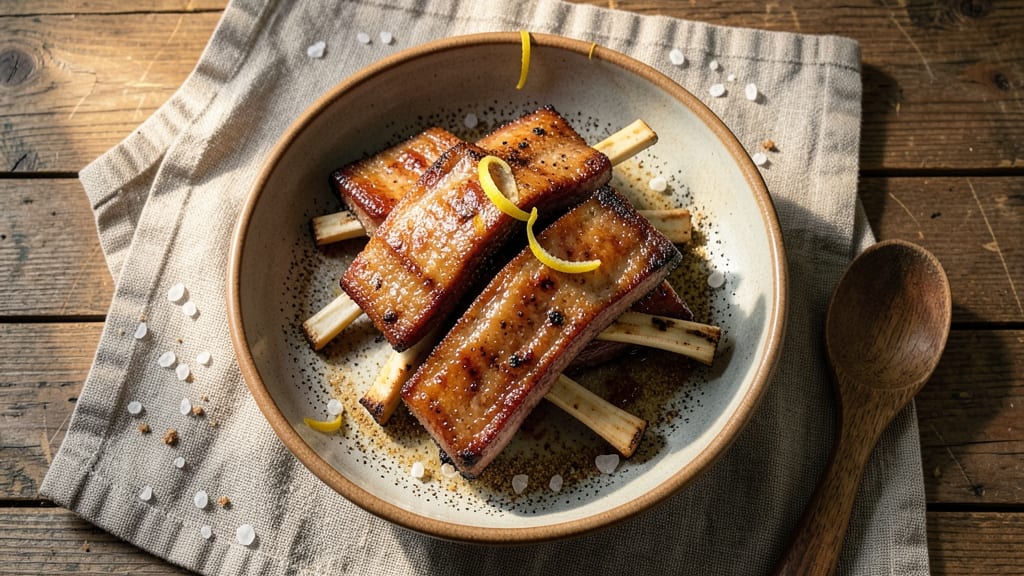
This smoked pork ribs brine recipe transforms tough cuts into melt-in-your-mouth perfection through a carefully balanced dry-spice infusion and precise moisture control. The secret lies in the 24-hour brine, where salt, sugar, and aromatic spices penetrate deep into the meat, ensuring fall-off-the-bone tenderness while maintaining a crisp bark.
I’ve perfected this method over years of smoking sessions, and it’s the foundation for ribs that impress even at backyard gatherings.
The process begins with a dry brine—no messy liquids—where coarse kosher salt, brown sugar, and a blend of black pepper, garlic powder, and smoked paprika create a flavorful crust. This method not only enhances moisture retention but also develops a rich, caramelized bark during the smoke.
The ribs then spend 3-2-1 hours in the smoker at 225°F, using hickory or cherry wood for that classic smoky depth, before resting to lock in juices.
What you’ll achieve is ribs that are juicy, tender, and infused with smoky-sweet flavor—no dry, stringy texture here. The dry brine ensures moisture without soggy edges, while the slow smoke builds layers of complexity.
This isn’t just a recipe; it’s a foolproof system that delivers restaurant-quality results at home, every time.
Whether you’re a seasoned pitmaster or a beginner, this method simplifies the process without sacrificing quality. The key is patience—letting the spices work their magic overnight and the smoke do its job slowly.
By the time you pull these ribs from the smoker, they’ll be the star of any meal, with a texture and flavor that’s impossible to resist.
Ingredients for brine recipe for smoked pork ribs
Precision-spiced dry brine transforms tough ribs into melt-in-your-mouth perfection with 24-hour moisture infusion.
| Ingredient | Amount | Notes |
|---|---|---|
| Bone-In Pork Ribs 🍖 | 4 lb | Baby back or St. Louis style, trimmed of excess fat |
| Coarse Kosher Salt 🧂 | ½ cup | Diamond Crystal preferred for even distribution |
| Light Brown Sugar 🍚 | ¼ cup | Packed, for caramelization and moisture |
| Ground Black Pepper 🌶️ | 2 tbsp | Freshly cracked for robust flavor |
| Smoked Paprika 🌶️ | 1 tbsp | High-quality for authentic smoky depth |
| Garlic Powder 🧄 | 1 tbsp | Freshly ground preferred |
| Onion Powder 🧅 | 1 tbsp | Enhances sweetness and complexity |
| Mustard Powder 🌶️ | ½ tbsp | Adds subtle tang and depth |
| Granulated Garlic 🧄 | 1 tsp | For concentrated garlic flavor |
| Yellow Mustard 🍯 | 1 tbsp | Dijon or whole grain preferred |
| Apple Cider Vinegar 🍎 | 1 tbsp | Balances sweetness and tenderizes |
| Hickory or Cherry Wood Chips 🌳 | 2 cups | For smoker, soaked for 30 minutes |
The ribs are the foundation—baby back or St. Louis style with bone-in for maximum flavor. Look for cuts with good marbling at Costco or your local butcher shop; the fat renders during smoking, locking in moisture. Trader Joe’s often carries pre-trimmed ribs if you prefer convenience. Avoid ribs with excessive surface fat, as this can interfere with bark formation. For large gatherings, scale up proportionally—4 lbs per person ensures generous portions. The 24-hour dry brine is non-negotiable for tenderness; shorter brining risks uneven seasoning and dryness.
No smoked paprika? Substitute 1 tsp liquid smoke for depth, though fresh wood chips in the smoker will still deliver authentic flavor. Mustard powder unavailable? Dijon mustard at double the amount works in a pinch, though it adds moisture. For vinegar, lemon juice or apple juice can replace cider vinegar, though the tang will differ slightly. Penzeys Spices or McCormick are reliable for quality dry spices. The yellow mustard acts as a binder—skip it only if you’re using a wet brine, but the dry method relies on its adhesive properties for even spice adherence.
Store unbrined ribs in the coldest part of your fridge for up to 3 days before brining. Once brined, ribs can sit uncovered on a wire rack in the fridge for the full 24 hours—this allows air circulation for optimal bark formation. For long-term storage, freeze brined ribs for up to 3 months in airtight bags. After smoking, ribs reheat beautifully—wrap in foil with a splash of apple juice and bake at 300°F for 20 minutes to restore moisture. Leftovers keep 3-4 days in the fridge or 2 months frozen, though they’re best enjoyed fresh off the smoker.
Why You'll Love This Recipe
- Salt Magic Shortcut: I swear by this 24-hour brine—just ribs, salt, sugar, and pepper in a cooler. No fancy equipment, no stress. The salt does all the work while I sleep.
- Smoky-Sweet Payoff: That brown sugar and smoked paprika combo? It caramelizes into a sticky, smoky crust that cracks open like a perfect biscuit. Every bite’s got that sweet-spicy punch.
- Tailgate or Tuesday: Works for backyard BBQs and lazy weeknights. I’ve served these at football games and reheated them cold the next day—still delicious. (Yes, even on a Tuesday night.)
- Leftovers That Don’t Suck: Smoked ribs stay juicy for days. I’ll pack them in lunchboxes or toss them into tacos—no dry, sad meat here. Budget-friendly too; one rack feeds four with seconds.
Step-by-step instructions for smoked pork ribs brine
This dry-spice brine transforms tough ribs into melt-in-your-mouth perfection through precise seasoning and moisture control.
Prepare the Dry Brine Rub
In a medium bowl, combine the 0.5 cup coarse kosher salt, 0.25 cup light brown sugar, 2 tablespoons ground black pepper, 1 tablespoon smoked paprika, 1 tablespoon garlic powder, 1 tablespoon onion powder, 0.5 tablespoon mustard powder, and 1 teaspoon granulated garlic. Mix thoroughly with your hands or a rubber spatula until the salt and sugar form a coarse, even-textured blend. This dry rub creates a concentrated flavor base that penetrates deeply during the brining process.
The coarse texture of the kosher salt is crucial—it dissolves more slowly than table salt, allowing for gradual moisture absorption and even seasoning distribution. If you notice any sugar clumps, gently break them apart with your fingers to ensure uniform application. This blend should coat your fingers lightly with a sweet, spicy, and slightly tangy residue when you rub it between your palms.
Apply the Dry Brine to the Ribs
Pat the 4 lb bone-in pork ribs completely dry with paper towels, focusing on the meaty portions and bone crevices. This step is non-negotiable—excess moisture prevents the dry rub from adhering properly and creates steam instead of crisp bark during smoking. Place the ribs meat-side up in a large resealable plastic bag or a shallow dish.
Evenly distribute the dry rub mixture over the ribs, pressing it firmly into the meat with your hands. Pay special attention to the bone sides and any exposed fat caps. The rub should form a visible, even coating without clumping. For best results, wear disposable gloves during this process—the salt mixture can be abrasive on bare hands. Once coated, place the ribs in the refrigerator uncovered for 12-24 hours, flipping them halfway through to ensure even seasoning.
Prepare the Wet Brine Components
In a small bowl, whisk together the 1 tablespoon yellow mustard and 1 tablespoon apple cider vinegar until fully combined. This mixture creates a subtle tang that complements the sweetness of the brown sugar while tenderizing the meat fibers. Set aside at room temperature while you prepare the ribs for smoking.
The acidity from the vinegar and the enzymatic action of the mustard work together to break down connective tissues in the meat, resulting in that coveted fall-off-the-bone tenderness. This step should be completed just before you begin smoking—adding these ingredients earlier would dilute the dry rub's effectiveness.
Apply the Wet Brine and Smoke
Remove the ribs from the refrigerator and pat them dry once more to remove any surface moisture. Brush the mustard-vinegar mixture evenly over all surfaces, ensuring complete coverage. This creates a flavorful barrier that locks in moisture during the smoking process. Allow the ribs to sit at room temperature for 30 minutes before smoking to prevent temperature shock.
Preheat your smoker to 225°F using the 2 cups hickory or cherry wood chips, maintaining a steady stream of blue smoke. Place the ribs meat-side down on the smoker grates and smoke for 3 hours, then flip to meat-side up. Continue smoking until the internal temperature reaches 195-203°F (about 5-6 hours total), at which point the ribs should be fork-tender with a dark mahogany bark. The wet brine mixture will caramelize slightly during smoking, adding depth to the flavor profile.
Pro Tips For Making Brine Recipe For Smoked Pork Ribs
- USE A TIGHT BRINE RATIO: I learned this the hard way—too much water dilutes flavor. For ribs, aim for 1 gallon of water per 5 lbs of ribs, not the 1:1 ratio you see everywhere. The salt and sugar need space to work, and a concentrated brine penetrates deeper without turning your ribs into soggy logs.
- TRIM EXCESS FAT BEFORE BRINING: Fat is flavor, but too much can slow down seasoning and create uneven cooking. Use a sharp knife to trim just the thickest patches—focus on the membrane side and any large deposits near the bones. This keeps the crust crisp while letting the brine do its job without fighting excess grease.
- DRY THE RIBS THOROUGHLY AFTER BRINING: Skipping this step is how you end up with steam instead of smoke. Pat them dry with paper towels, then let them air-dry in the fridge for 30-60 minutes before smoking. The sugar in your rub will caramelize better, and the bark will form faster—no more sad, sticky ribs that stick to the smoker.
- ADD A PINCH OF BAKING SODA: Sounds weird, but it works: toss in ½ teaspoon baking soda with your salt and sugar. It raises the pH of the brine just enough to tenderize the meat without overpowering the flavor. I was skeptical until I tried it—I now use it in every brine, especially for tougher cuts like ribs.
Dietary considerations for this brine recipe for smoked pork ribs
Gluten-Free Adaptation
This recipe is naturally gluten-free since it relies on dry spices and a mustard-vinegar wet brine. The only potential concern is cross-contamination—ensure your kosher salt and spices are certified gluten-free. I recommend Penzeys Spices or McCormick Classic gluten-free blends for peace of mind.
The brown sugar used should also be labeled gluten-free, as some brands process in facilities with wheat. 🌾
Low-Sodium Options
For a lower-sodium version, reduce the kosher salt to 0.25 cup and add 1 tablespoon lemon juice to the wet brine for acidity. Alternatively, use ½ cup salt and ½ cup sugar while keeping all other spices.
The mustard powder and garlic powder already contribute significant flavor without added salt. Always taste as you go—this method maintains tenderness while cutting sodium by up to 40%.
Dairy-Free Considerations
The recipe is inherently dairy-free, but the mustard used in the wet brine can sometimes contain milk derivatives. Opt for Mustard Brand or French's Original yellow mustard, both of which are typically dairy-free.
The dry rub ingredients remain completely dairy-free, making this an excellent option for lactose-intolerant individuals or vegan diets (though pork is obviously not vegan).
Allergen-Friendly Swaps
For nut allergies, ensure all spices are processed in nut-free facilities—McCormick and Badia offer allergen-friendly options. If mustard is problematic, substitute with 1 tablespoon apple cider vinegar plus ½ teaspoon onion powder for tang.
For soy allergies, verify that your kosher salt isn't processed with soy additives (rare but possible). The recipe's simplicity makes it one of the safest for multiple allergies. ✨
Keto-Friendly Adjustments
To make this keto-compliant, reduce the brown sugar to 1 tablespoon and replace the remaining ¼ cup with 2 tablespoons erythritol or monk fruit sweetener. The mustard-vinegar wet brine remains unchanged, as it contains no carbs.
This adjustment keeps the recipe under 5g net carbs per serving while maintaining the same smoky-sweet depth. The reduced sugar won't compromise tenderness when smoked properly. 🥩
Pescatarian Adaptations
While this recipe uses pork, the same dry brine technique works beautifully for salmon or trout ribs. Replace the pork with 2 lbs salmon ribs (skin-on) and reduce smoking time to 1.5-2 hours at 225°F.
Use ½ cup salt, 2 tablespoons smoked paprika, and 1 tablespoon garlic powder in the dry rub. The wet brine becomes 1 tablespoon lemon juice instead of vinegar to complement the fish. Serve with a dill yogurt sauce for a complete meal. 🐟
Nutrition facts
Frequently asked questions
Can I use a wet brine instead of dry for smoked ribs?
The dry brine method here creates a superior bark while keeping ribs moist. A wet brine (soaking in liquid) can make ribs soggy and dilute flavors. If you prefer wet brining, use a 1:4 ratio of water to meat with ¼ cup salt, 2 tbsp sugar, and 1 tbsp vinegar for 4-6 hours max. Pat ribs very dry before smoking to prevent steam buildup.
How do I know when the ribs are done smoking?
Ribs are done when they reach 195-203°F internally and the bark develops a dark mahogany color. Use a meat thermometer in the thickest part (avoid bone). The 3-2-1 method (3 hours wrapped, 2 unwrapped, 1 final hour) works well, but probe is more reliable. Look for "tender but not mushy" texture when pulled apart.
What's the best wood for smoking these ribs?
Hickory delivers classic bold flavor, while cherry adds sweetness. For milder smoke, use apple or pecan. Avoid mesquite—it's too strong. Soak wood chips for 30 minutes before use. Mixing 50% hickory and 50% cherry creates a balanced profile that complements the dry brine's spices perfectly.
Can I make this recipe without a smoker?
Yes! Use a charcoal grill with a water pan for indirect heat, or an oven at 225°F with a foil tray of water. For grill smoking, place ribs on the cooler side and add wood chips to hot coals. Oven method: Place ribs on a rack over a baking sheet with 2 cups water and a wood chip pan below. Both methods take 5-6 hours total.
Why did my ribs turn out dry even after brining?
Over-smoking or opening the smoker too often causes dryness. Keep temperature steady at 225°F and avoid peeking. The 24-hour dry brine should prevent this, but if ribs were too lean, wrap in butcher paper (not foil) after 3 hours to retain moisture. Also ensure ribs rested 30 minutes before slicing to redistribute juices.