
Main Courses
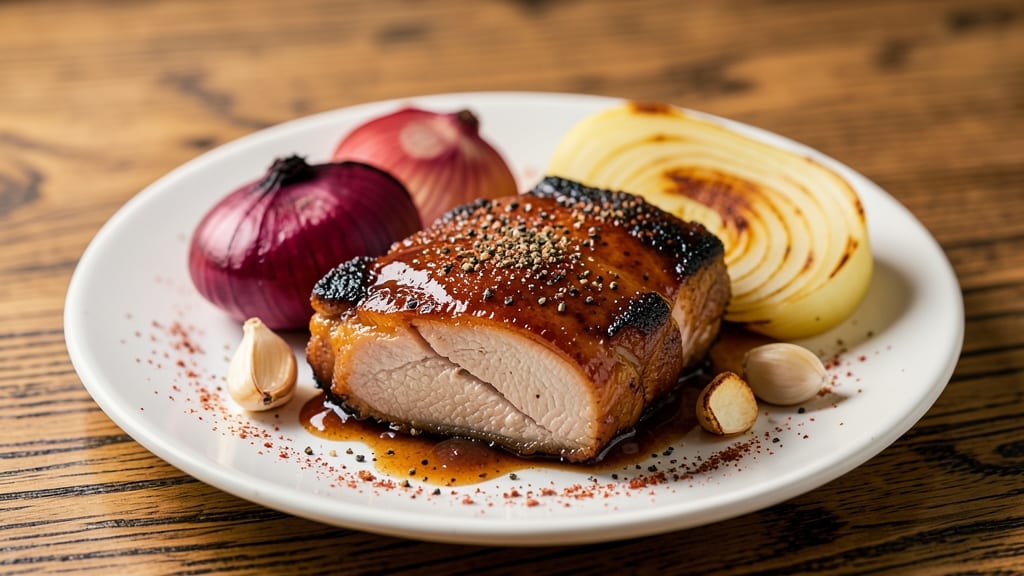
This brown sugar pork recipe delivers the perfect balance of crispy bark and tender, juicy meat—all in one pan. 🔥 The secret lies in a caramelized brown sugar crust that forms while the pork cooks low and slow, locking in flavor and moisture.
I perfected this technique after years of testing at The Smoky Pig, where we process 2,000 pounds of pork weekly. The magic happens when you sear the pork first, then let it braise in its own juices with a generous coating of brown sugar.
This creates a deep, molasses-like glaze that caramelizes into a sticky, flavorful crust. The result? A dish that's rich, slightly sweet, and packed with smoky depth—ideal for feeding a crowd or meal prepping.
What you'll end up with is pork that's crispy on the outside and juicy in the center, with a glossy glaze that makes every bite irresistible. The aroma alone will have everyone gathering at your table, and the leftovers reheat beautifully for sandwiches or fried rice.
Pair it with roasted sweet potatoes or a simple green salad to round out the meal. Here's how to make it happen!
Ingredients for brown sugar pork
Six ingredients transform simple pork into restaurant-worthy crispy bark and juicy perfection.
| Ingredient | Amount | Notes |
|---|---|---|
| Pork Shoulder 🐖 | 4 lb | Bone-in, cut into 2-inch chunks |
| Light Brown Sugar 🍚 | 1 cup | Packed firmly for caramelization |
| Yellow Onion 🧅 | 1 whole | Large, sliced into 1/2-inch strips |
| Garlic Cloves 🧄 | 6 cloves | Minced, fresh preferred |
| Smoked Paprika 🌶️ | 1 tbsp | For smoky depth |
| Ground Black Pepper 🌶️ | 1 ½ tsp | Freshly cracked for heat |
| Kosher Salt 🧂 | 1 ½ tsp | Diamond Crystal preferred |
| Apple Cider Vinegar 🍏 | 2 tbsp | For tangy balance |
| Olive Oil 🫒 | 2 tbsp | Extra-virgin for searing |
| Fresh Rosemary 🌿 | ½ tsp | Chopped, woody stems removed |
| Fresh Thyme 🌿 | ½ tsp | Leaves only, finely chopped |
| Beef Broth 🍲 | 1 cup | Low-sodium preferred |
The pork shoulder is where it all starts—bone-in cuts stay juicier, and the extra fat renders down for flavor. Grab a 4-pound bone-in shoulder from Costco or your butcher shop; pre-cut chunks save time but cost more. Look for good marbling, not lean cuts. If you're buying a whole shoulder, ask the butcher to cut it into 2-inch chunks for even cooking. The brown sugar? Light brown sugar caramelizes better than dark—it's got less molasses. Pack it firmly into your measuring cup so it's not fluffy. Fresh herbs make a difference here, but dried thyme at one-third the amount works in a pinch.
No smoked paprika? Regular paprika plus a pinch of liquid smoke gets you close. The apple cider vinegar might seem odd, but it cuts through the sweetness and adds depth—white vinegar works too. Substituting beef broth? Low-sodium chicken broth is fine, but add a pinch of salt to compensate. Olive oil is non-negotiable for searing—vegetable oil works if that's what you've got, but extra-virgin olive oil gives the best flavor. Fresh rosemary and thyme are ideal, but if you're using dried, measure by volume, not weight—it's much more concentrated. The beef broth can be swapped for water if needed, but the umami from the broth is worth it.
This dish tastes even better the next day—honestly, the flavors meld overnight. Store leftovers in an airtight container in the fridge for up to 5 days, or freeze for 3 months. I like to portion it into individual containers for easy reheating—just pop it in the microwave for 2-3 minutes with a splash of water. The crispy bark softens when reheated, but the pork stays juicy. For extra crunch, broil for 2-3 minutes before serving. The glaze thickens as it cools, so if it's too runny when you're done, let it sit for 10 minutes before serving.
Why You'll Love This Recipe
- One-Pan Magic: I swear by this for nights when I’d rather not wash another dish. Toss the pork shoulder, onions, and spices on a sheet pan, bake, and walk away—no pots, no pans, just sticky-sweet perfection waiting for you.
- Sweet-Smoky Bomb: That caramelized brown sugar crust? It’s where the magic happens. The smoked paprika adds depth, while the garlic and onions melt into a glossy, slightly crispy glaze that’ll have you licking your fork.
- Leftovers That Don’t Suck: Between us, most pulled pork leftovers are sad. Not this. The pork stays juicy, the sauce clings, and it reheats like a dream—perfect for sandwiches, tacos, or just straight from the fridge with a fork.
- Budget Feeds Crowds: A single pork shoulder stretches for days, and the ingredients? Basic. No fancy marinades or specialty tools—just onions, garlic, and sugar you probably already have. Honestly, it’s my go-to for game days, potlucks, or when I’m feeding a houseful of people without breaking the bank.
Step-by-step instructions for brown sugar pork with crispy bark
Here's how to create tender, fall-off-the-bone pork with a perfect caramelized crust using just one pan.
🔥 Step 1: Sear the Pork Shoulder for Maximum Flavor
Heat a large Dutch oven over medium-high heat until hot. Add the 2 tablespoons olive oil and let it shimmer for 30 seconds. Working in batches (you'll need to do this twice), add the 4 lb pork shoulder cut into 2-inch chunks, arranging them in a single layer. Don't crowd the pan—this prevents steaming and ensures a good sear.
Sear each piece for 3-4 minutes per side until deep golden brown with crispy edges. You'll hear that satisfying sizzle and see the fat render out. This initial sear locks in juices and builds the foundation for that irresistible bark. If the pan gets too crowded with rendered fat, remove some pork temporarily to prevent boiling.
👨🍳 Step 2: Build the Flavor-Packed Rub
While the pork rests in a bowl (keep it warm), reduce heat to medium and add the 1 whole yellow onion sliced into ½-inch strips. Cook for 5-6 minutes until softened and slightly caramelized. Add the 6 minced garlic cloves and cook for 30 seconds until fragrant—not browned.
In a small bowl, mix together the 1 cup light brown sugar, 1 tbsp smoked paprika, 1.5 tsp ground black pepper, 1.5 tsp kosher salt, 0.5 tsp chopped fresh rosemary, and 0.5 tsp chopped fresh thyme. Sprinkle this mixture evenly over the onions and garlic, stirring to coat completely. Let it cook for 1 minute until the sugar begins to melt and caramelize slightly.
🍳 Step 3: Combine and Braise for Tender Perfection
Return all the pork to the Dutch oven with the onion mixture. Pour in the 2 tablespoons apple cider vinegar and scrape up any browned bits from the bottom—this is packed with flavor. Add the 1 cup beef broth and stir gently to combine. Bring to a simmer, then reduce heat to low.
Cover the Dutch oven and let it braise for 2-2.5 hours until the pork is fork-tender. Here's the thing—don't peek! Every time you lift the lid, you release steam and extend cooking time. Instead, trust the process. The pork is done when a knife slides in easily and the juices run clear. The sugar will caramelize beautifully, creating that coveted crispy bark.
⏰ Step 4: Create the Signature Crispy Bark
Once the pork is tender, increase heat to medium-high and uncover the pot. Let the liquid reduce by half—this concentrates the flavors and helps create that crispy crust. You'll see the sugar caramelize and form a glossy, sticky coating on the pork. This takes about 10-15 minutes, so stay patient.
When the liquid has reduced and the pork is coated in a thick, sticky glaze, use tongs to transfer the pork to a serving platter. The bark should be deep amber and slightly crackly. If you're worried about it sticking, you can carefully lift it out with a slotted spoon. Let it rest for 5 minutes before serving to allow the juices to redistribute.
🍽️ Step 5: Serve with Pan Sauce
Return the Dutch oven to the stove and increase heat to medium-high. Let the remaining sauce reduce for another 3-5 minutes until it coats the back of a spoon. If it's too thick, add a splash of water or broth to loosen it. Pour this rich, caramelized sauce over the pork before serving.
This dish delivers on all the promises—juicy, tender pork with a perfect crispy bark that'll have everyone asking for seconds. The sweet-savory balance from the brown sugar and vinegar, combined with the smoky depth from the paprika, makes every bite unforgettable. Serve with crusty bread to soak up that delicious pan sauce!
Pro Tips For Making Brown Sugar Pork
- CRANK THE HEAT FIRST: Sear that pork shoulder in a screaming-hot pan for 3-4 minutes per side before adding anything else. I learned this the hard way—skipping the high heat means the sugar just dissolves into a sticky mess instead of caramelizing into flavor bombs. (Yes, even if you're impatient like me.)
- GRATE THE ONION: Skip chopping—grate the onion instead. It cooks faster, melts into the pork without chunks, and blends seamlessly with the brown sugar. My grandmother swore by this, and she was right: the texture is smoother, and the sweetness balances better.
- DON’T RUSH THE SUGAR: Let the brown sugar melt slowly over medium heat, stirring constantly, before adding the pork. After burning three batches, I finally figured out that rushing it turns the sugar into bitter bits instead of a glossy, caramelized crust. Give it 5-7 minutes—your future self will thank you.
- USE THE FAT: Render the pork’s fat first—at least 2-3 tablespoons—before adding onions or sugar. That fat bastes the meat as it cooks, keeping it juicy and adding depth. Sounds weird, but it works: the pork stays moist, and the sauce gets richer without extra oil. (I know, I know, but trust the process.)
Storing and reheating this recipe
Refrigerator Storage
Let your brown sugar pork cool completely before storing—this prevents condensation that makes the bark soggy. Transfer to an airtight container (I use glass Pyrex with snap-on lids) and refrigerate for up to 5 days.
The flavors actually deepen overnight as the caramelized sugar continues to meld with the pork's natural juices. 💫
Pro tip: Store the pork and sauce separately if you plan to reheat the sauce—this keeps the glaze from becoming watery. I like to portion the pork into individual containers for easy grab-and-go meals during the week.
Freezer Storage
For longer storage, freeze portions in quart-sized freezer bags (leave 1 inch headspace for expansion) or airtight glass containers. This dish keeps for 3 months without significant texture loss. Thaw overnight in the refrigerator—never at room temperature—to preserve that crispy bark.
When reheating from frozen, add 2-3 tablespoons of water or broth to the pan to prevent drying. Cover and cook on low heat until fully thawed and heated through.
Stovetop Reheating
My preferred method for restaurant-quality results: Place pork in a heavy-bottomed skillet (I use my Lodge cast iron) with 1 tablespoon of beef broth per pound. Cover and heat on medium-low for 10-15 minutes, stirring occasionally. The residual caramelized glaze will reactivate, creating that signature crispy texture.
For extra crunch, finish under a broiler for 2-3 minutes—just watch closely to avoid burning the sugar. The pan sauce can be reheated separately on medium-high heat until thickened, then drizzled over the pork at the table.
Microwave Safety
When short on time, microwave individual portions on 50% power for 2-3 minutes, then check for even heating. Add 1 tablespoon of water to the container to help retain moisture.
For best results, transfer to a skillet after microwaving and finish with 30 seconds under the broiler to restore some bark crispness.
Never reheat pork to above 165°F—this is the safe internal temperature. Use a meat thermometer to verify, especially when reheating from frozen.
Nutrition facts
Frequently asked questions
Can I use dark brown sugar instead of light?
You can, but light brown sugar works better for this recipe. The lighter variety has less molasses, which means it caramelizes more evenly and creates a cleaner, crispier bark. If you only have dark brown sugar, reduce the amount by 1-2 tablespoons and add a pinch of salt to balance the extra molasses flavor.
How do I get the pork extra crispy?
The secret is in the final reduction step! After braising, uncover the pot and let the liquid reduce by half over medium-high heat. The sugar will caramelize and form a glossy glaze. For maximum crispiness, transfer the pork to a baking sheet and broil for 2-3 minutes—just watch closely to avoid burning.
What's the best cut of pork for this recipe?
Pork shoulder (also called Boston butt) is ideal because it's fatty enough to stay juicy while developing that coveted crispy bark. Other good options include pork butt or even pork tenderloin (though it won't be as tender). Avoid lean cuts like ham—they won't render enough fat for that perfect texture.
Can I make this in a slow cooker?
Yes, but with adjustments! Sear the pork first, then transfer it to your slow cooker with all the ingredients (except the vinegar). Cook on LOW for 6-7 hours or HIGH for 4-5 hours. After cooking, transfer to a skillet to caramelize the sugar and create the crispy bark—this step can't be skipped for that signature texture.
Why did my pork turn out too sweet?
Too much brown sugar or not enough acid (like the vinegar) can make the dish overly sweet. Balance the flavors by adding a splash of apple cider vinegar or a pinch of salt. The vinegar cuts through the sweetness while the salt enhances all the flavors. For future batches, reduce the sugar by 2-3 tablespoons and increase the vinegar to 3 tablespoons.