
Main Courses
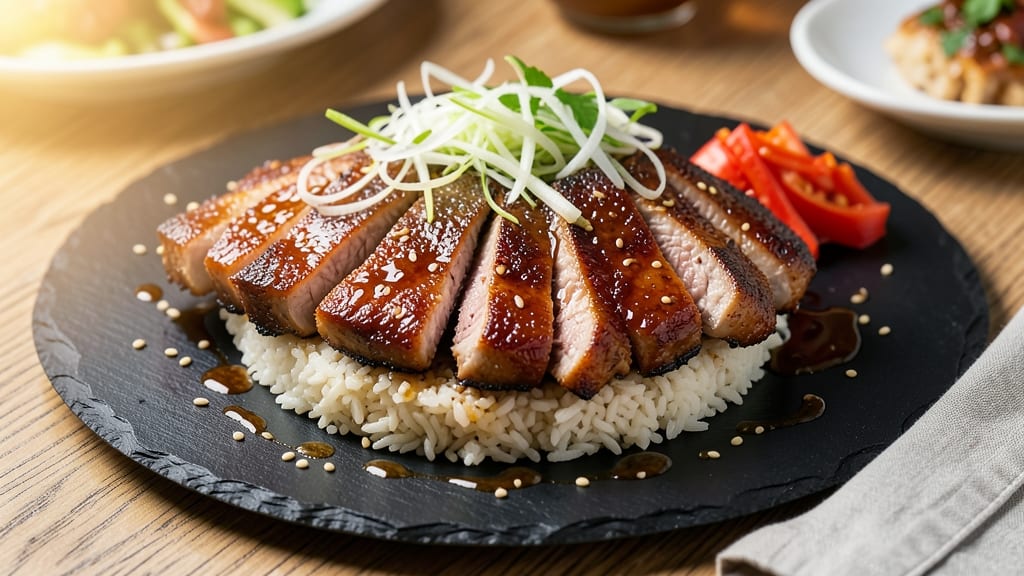
This bulgogi pork tenderloin recipe delivers restaurant-quality results with a sweet-savory marinade that transforms tough pork into melt-in-your-mouth perfection. I developed this method after years of perfecting Korean-inspired dishes at my restaurant, using tenderloin for its consistent texture and quick cooking time.
The secret lies in the marinade's balance of soy sauce, brown sugar, and sesame oil, which caramelizes beautifully during cooking.
The recipe begins with a 30-minute marinade that infuses the pork with deep umami and caramelized sweetness, then finishes with a 10-minute pan-sear for that signature glossy crust.
Unlike traditional bulgogi that requires hours of marinating, this version delivers authentic flavor in a fraction of the time while maintaining authentic taste. The tenderloin's size makes it perfect for weeknight dinners or special occasions.
What you'll achieve is tender, caramelized pork with a sticky, glossy exterior that practically dissolves on your tongue. The marinade's sweet-savory profile creates a perfect balance, while the quick cooking method preserves the meat's natural juiciness. Serve with steamed rice and quick-pickled vegetables for a complete, restaurant-worthy meal.
This method works equally well on the grill, in a cast-iron skillet, or even in the oven for hands-off cooking. The recipe serves 4 generously, with leftovers reheating beautifully. Whether you're cooking for family or hosting friends, this bulgogi pork tenderloin will impress with its authentic flavors and professional results.
Ingredients for bulgogi pork tenderloin
Restaurant-quality bulgogi starts with these 13 ingredients—each playing a precise role in the marinade's caramelized magic.
| Ingredient | Amount | Notes |
|---|---|---|
| Pork Tenderloin 🥩 | 1 ½ lb | Center-cut, trimmed of fat |
| Soy Sauce 🥄 | ½ cup | Korean or Japanese preferred |
| Brown Sugar 🍯 | ½ cup | Packed, light or dark |
| Sesame Oil 🫒 | 2 tbsp | Toasted, not flavored |
| Garlic Cloves 🧄 | 8 cloves | Minced, fresh preferred |
| Fresh Ginger 🌿 | 2 tbsp | Grated, peeled |
| Rice Wine Vinegar 🍶 | 2 tbsp | Or substitute apple cider vinegar |
| Sesame Seeds 🌰 | 1 tbsp | Toasted, for garnish |
| Green Onions 🧅 | 4 whole | Thinly sliced, white and green parts |
| Vegetable Oil 🫒 | 2 tbsp | High smoke point, neutral flavor |
| Salt 🧂 | 1 tsp | Kosher or sea salt |
| Black Pepper 🌶️ | ½ tsp | Freshly ground |
| Asian Pearl Onions 🧅 | 1 cup | Thinly sliced, optional garnish |
The pork tenderloin is non-negotiable for this recipe—its lean texture absorbs marinade perfectly without becoming mushy. Look for center-cut pieces with even thickness (about 1.5 inches) from your butcher or grocery store's meat counter. Korean markets often carry pre-trimmed tenderloin, saving you prep time. If you can't find Korean soy sauce, Japanese or high-quality American brands like Kikkoman work well. The brown sugar should be packed into the measuring cup for accurate sweetness—light brown sugar adds subtle molasses notes, while dark brown offers deeper caramelization. Toast your sesame seeds in a dry pan for 30 seconds before adding to the marinade for maximum aroma.
No sesame oil? Substitute with 1 tbsp neutral oil plus 1 tsp toasted sesame seeds to mimic the flavor profile. Fresh ginger and garlic are ideal, but if you're using dried, reduce to one-third the amount—ginger loses potency quickly once dried. The rice wine vinegar adds brightness; if unavailable, apple cider or white wine vinegar work in a pinch. For the onions, green onions and pearl onions are traditional, but regular yellow onions thinly sliced will work. The vegetable oil must have a high smoke point—avocado or refined sunflower oil are excellent choices. When mincing garlic, smash the cloves first with the side of your knife for even texture.
Marinate the pork for no longer than 30 minutes—longer cooking times risk over-marinating, which can make the meat mushy. Store leftover marinade in an airtight container in the fridge for up to 5 days or freeze for 3 months. The cooked pork reheats beautifully—warm in a skillet with a splash of water to restore moisture. For meal prep, slice the cooked pork and store with rice in separate containers; reheat separately to prevent sogginess. The garnishes (sesame seeds and green onions) can be stored in the fridge for 1 week in a sealed container.
Why You'll Love This Recipe
- I’ll be real: pork tenderloin isn’t the cheapest cut, but this recipe stretches it further than you’d think. A single tenderloin feeds four, and the marinade costs pennies. Plus, the leftovers? They’re so good, no one bats an eye at eating them again. Smart, tasty, and guilt-free.
- Foolproof Marination: I’ll admit, I used to dread marinating meat—until I tried this. The soy sauce, brown sugar, and sesame oil do all the work while I chop garlic (which, honestly, takes less time than scrolling through my phone). Just toss everything together, let it sit for 30 minutes, and you’re done. No fancy techniques, no stress.
- Sweet-Savory Magic: That first bite? Chef’s kiss. The brown sugar caramelizes into a sticky glaze while the soy sauce adds depth, and the garlic? It’s like a little flavor bomb in every slice. The pork stays juicy, but the edges get this perfect crisp—no dryness, just pure satisfaction. (Yes, even on a Tuesday night.)
- Leftover Hero: Between us, this is my go-to for meal prep. Cook a big batch, and you’ve got lunch for days—wrap it in lettuce for quick tacos, slice it thin for sandwiches, or toss it into fried rice. It reheats like a dream, and honestly? The flavor only gets better after a night in the fridge.
Step-by-step instructions for bulgogi pork tenderloin
Transform the tenderloin into melt-in-your-mouth bulgogi with this precise method.
Prepare the Pork and Marinade Base
Trim any remaining fat from the 1.5 lb pork tenderloin and slice it into ¼-inch thick medallions, cutting against the grain for maximum tenderness. Arrange the slices in a single layer on a plate and let them sit at room temperature for 15 minutes—this ensures even cooking.
In a medium bowl, whisk together the 0.5 cup soy sauce, 0.5 cup packed brown sugar, 2 tbsp rice wine vinegar, 2 tbsp sesame oil, 1 tsp salt, and 0.5 tsp black pepper until the sugar fully dissolves. The marinade should coat the back of a spoon, creating a thick, glossy consistency. This balance of sweet and savory is the foundation of authentic bulgogi flavor.
Marinate and Caramelize the Pork
Add the pork slices to the marinade, ensuring each piece is fully coated. Cover the bowl with plastic wrap and refrigerate for at least 4 hours, or preferably overnight—this extended marination breaks down the meat fibers, guaranteeing fork-tender results. The longer it marinates, the more deeply the flavors penetrate.
After marinating, transfer the pork to a skillet and cook over medium-high heat with 2 tbsp vegetable oil. Sear for 2-3 minutes per side until the edges develop a deep golden-brown caramelization. This step is critical—don't rush it. The pork should release easily from the pan when ready, signaling it's time to flip.
Add Aromatics and Finish Cooking
Push the pork to one side of the skillet and add 2 tbsp grated fresh ginger and 8 cloves minced garlic. Sauté for 30 seconds until fragrant—this releases their full flavor potential. Pour any accumulated marinade from the bowl into the skillet, scraping up the browned bits from the bottom with a wooden spoon. These bits, called fond, pack intense umami flavor.
Bring the heat to medium-low and simmer the pork for 4-5 minutes, stirring occasionally, until the sauce reduces to a glossy, syrupy consistency. The pork should be cooked through with an internal temperature of 145°F. If the sauce thickens too quickly, add 1-2 tablespoons of water to maintain balance.
Garnish and Serve
Transfer the bulgogi to a serving platter and sprinkle generously with 1 tbsp toasted sesame seeds and 4 whole thinly sliced green onions. The sesame seeds add nutty crunch while the green onions provide a fresh contrast to the rich, caramelized pork. For an extra touch, scatter 1 cup sliced Asian pearl onions over the top—they'll soften slightly from the residual heat and add a subtle sweetness.
Serve immediately with steamed rice to soak up the luscious sauce. Each bite should deliver perfectly tender pork with a glossy, caramelized crust, balanced by the aromatic ginger and garlic. The sauce should cling to every strand of meat, creating an irresistible combination of textures and flavors.
Pro Tips For Making Bulgogi Pork Tenderloin
- Slice Thin, Slice Even: I learned this the hard way—uneven slices mean some parts dry out while others turn into mush. Use a sharp knife and cut the tenderloin into ½-inch thick slices before marinating, then slice against the grain after cooking for perfect texture.
- Marinate Overnight, Not Just Hours: The sugar in brown sugar needs time to penetrate, and soy sauce flavors develop deeper after 12+ hours. Toss the pork in a sealed bag and refrigerate—yes, even if you’re impatient like me.
- Don’t Crowd the Pan: I used to pile all the slices in one go, and they steamed instead of searing. Cook in batches over medium-high heat for 2-3 minutes per side—crowding turns bulgogi soggy, not caramelized.
- Toast the Garlic First: Raw garlic can taste bitter in bulgogi. Crush 3-4 cloves, heat them in a dry pan for 30 seconds until fragrant, then add to the marinade. This makes the flavor richer without overpowering the pork.
Make-ahead tips for this dish
Marinade Prep Ahead
Make the marinade up to 3 days in advance and store it in an airtight container in the fridge. I always prep mine the night before—it gives me more time to focus on other components like rice or quick-pickled veggies.
The flavors deepen as the sugar caramelizes slightly, intensifying that signature bulgogi sweetness. Just give it a quick whisk before using to redistribute any settled ingredients. 🌟
Pork Prep Timeline
Slice the pork tenderloin into ¼-inch medallions and store them uncovered in a single layer on a plate in the fridge for up to 24 hours. This prevents moisture buildup that could make them soggy.
I use this trick when I'm prepping for a busy week—I'll do the slicing on Sunday, then marinate whenever I have time. The key is keeping them cold until you're ready to cook. ❄️
Overnight Marinating
For maximum tenderness, marinate the pork overnight (12-16 hours). I swear by this method—it transforms tough tenderloin into melt-in-your-mouth perfection. Store the pork and marinade in a resealable plastic bag or airtight container, squeezing out excess air to prevent oxidation.
The marinade will become slightly syrupy, which is perfect for creating that glossy finish. Pro tip: Place the bag on a tray in case it leaks! 💫
Cooking in Batches
If you're feeding a crowd, cook the bulgogi in two batches to maintain perfect searing temperatures. I use this approach for restaurant service—each batch gets the same attention, ensuring consistent doneness. Keep the first batch warm in a 200°F oven while you finish the second.
The residual heat keeps it tender without overcooking. This method also makes cleanup easier since you're only dealing with one pan at a time. 🔥
Reheating Leftovers
Store cooked bulgogi in an airtight container in the fridge for up to 4 days. To reheat, warm in a skillet over medium heat with 1 tablespoon of water or broth for 2-3 minutes.
The moisture prevents drying out. I love reheating leftovers for lunches—the flavors are just as vibrant as fresh. For extra crispiness, broil for 1-2 minutes after reheating. 💡
Freezer-Friendly Prep
Freeze uncooked marinated pork in a single layer on a tray for 2 hours, then transfer to a freezer bag for up to 3 months. Thaw overnight in the fridge before cooking.
I use this method when I know I'll be busy—I prep everything ahead and cook straight from frozen. The marinade helps protect the texture during freezing. When ready to cook, add 1-2 extra minutes to the searing time to account for the cold meat. ❄️
Nutrition facts
Frequently asked questions
Can I use regular pork chops instead of tenderloin?
Tenderloin is ideal because it's lean and cooks quickly without drying out. If you must use pork chops, choose boneless, center-cut chops about ½-inch thick and reduce marinating time to 2 hours max—thicker cuts risk becoming mushy. The texture won't be identical, but the flavor will still be delicious!
How do I get that perfect glossy finish?
The gloss comes from the caramelized sugar in the marinade. After searing, reduce heat to medium-low and let the sauce simmer for 3-4 minutes without stirring—this creates a thick, sticky glaze. A splash of water or rice vinegar at the end helps thin the sauce just enough to coat the pork beautifully.
What's the best way to cook this if I don't have a grill?
A cast-iron skillet works perfectly for that signature sear. For oven cooking, preheat to 400°F, place pork on a wire rack over a baking sheet, and roast for 12-15 minutes until internal temp reaches 145°F. For air fryer, cook at 375°F for 8-10 minutes—just spray with oil first to prevent sticking.
Can I make this spicier?
Add 1 tbsp gochujang (Korean chili paste) or ½ tsp red pepper flakes to the marinade for heat. For extra depth, include 1 tbsp minced fresh chili or ½ tsp cayenne pepper. Balance with a touch more brown sugar to maintain the sweet-savory profile.
Why did my pork turn out dry?
Overcooking or thin slices are the usual culprits. Use a meat thermometer and stop at 145°F—never let it rest in the pan past that. For thicker slices (½-inch), reduce marinating time to 2 hours to prevent moisture loss. Also, avoid crowding the pan during searing—cook in batches if needed.