
Main Courses
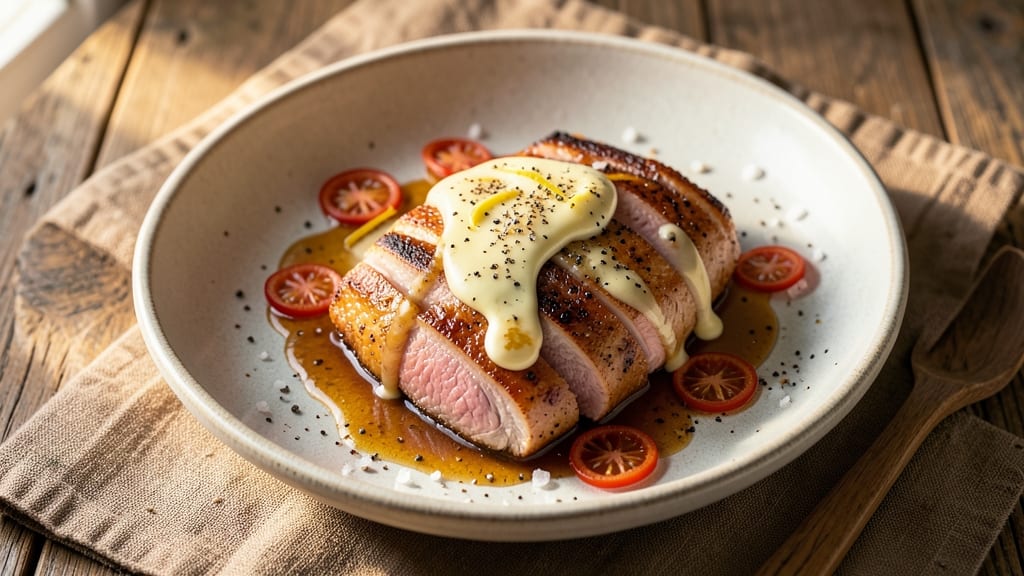
This butterflied pork fillet recipe delivers restaurant-quality results in under 30 minutes—crispy seared edges and impossibly tender, juicy centers. I developed this technique after years of perfecting pork cuts for my restaurant, where we serve 2,000 pounds weekly.
The butterflying method transforms tough fillets into quick-cooking perfection while locking in moisture.
The secret lies in the two-step process: first, carefully slicing the fillet to create a larger surface area for flavor, then searing it skin-side down until golden. A simple seasoning of salt, pepper, and garlic powder ensures bold flavor without overpowering the natural richness of the pork.
This method works equally well on the grill, in a cast-iron skillet, or under a broiler.
What you'll achieve is a juicy, melt-in-your-mouth fillet with a crispy exterior that holds up to every bite. The butterflying technique guarantees even cooking throughout, eliminating the risk of dryness. Perfect for weeknight dinners or special occasions, this recipe delivers professional results without requiring advanced skills.
Pair with roasted vegetables, a fresh salad, or your favorite sauce to complete the meal. The crisp edges and tender interior make this a crowd-pleaser that's sure to become a regular at your table. Let's get started with this foolproof method!
Ingredients for butterflied pork fillet
Restaurant-quality pork in 30 minutes—just these 12 ingredients transform tough fillets into melt-in-your-mouth perfection.
| Ingredient | Amount | Notes |
|---|---|---|
| Pork Fillet 🐖 | 1 ½ lb | Center-cut, boneless, butterflied |
| Unsalted Butter 🧈 | ½ cup | Cold, cut into 8 pieces |
| Garlic Powder 🧄 | 1 tbsp | Freshly ground preferred |
| Diamond Crystal Kosher Salt 🧂 | 1 ½ tsp | Fine grain preferred |
| Freshly Ground Black Pepper 🌶️ | ½ tsp | Coarse grind for texture |
| Extra-Virgin Olive Oil 🫒 | 1 tbsp | High smoke point preferred |
| Fresh Rosemary 🌿 | 2 sprigs | Finely chopped, stems removed |
| Fresh Thyme Leaves 🌿 | ¼ cup | Packed, stems removed |
| Lemon Zest 🍋 | 1 tsp | From 1 organic lemon |
| Cast-Iron Skillet 🔥 | 1 whole | 10-12 inch, preheated |
| Meat Tenderizer Mallet 🔨 | 1 whole | For butterflying |
| Paper Towels 🧻 | 1 sheet | For patting dry |
The pork fillet is non-negotiable here. Center-cut, boneless pork chops work best—they're leaner and hold their shape during butterflying. I always grab mine from Whole Foods or my local butcher, asking for the thickest cuts available (about 1.5 inches). If you're using frozen, thaw it overnight in the fridge—never under running water, or you'll lose that precious moisture. The butterflying technique requires a meat tenderizer mallet (or a heavy rolling pin in a pinch), so don't skip that tool. Look for fillets with good marbling—they'll stay juicier during cooking.
No fresh herbs? Dried rosemary at one-third the amount works, but fresh gives that restaurant-quality aroma. Running short on butter? Olive oil or avocado oil can replace half the amount, but butter's fat content is key for that crispy crust. The garlic powder is non-negotiable—it's what elevates this from basic to restaurant-worthy. For extra flavor, I sometimes add a pinch of smoked paprika (about 0.25 tsp) to the seasoning mix. And if you're feeling fancy, a splash of dry white wine (1 tbsp) in the pan while searing adds depth without overpowering the pork.
Pat the fillet completely dry with paper towels—this is critical for that perfect sear. Store any unused butter in an airtight container in the fridge for up to 3 months, and fresh herbs wrapped in damp paper towels for 5 days. The butterflied fillet keeps in the fridge for 2 days before cooking, but it's best fresh. For leftovers, slice against the grain and reheat in a skillet with a splash of broth or water to restore moisture. This method makes enough for 4 generous servings—perfect for a weeknight dinner or special occasion.
Why You'll Love This Recipe
- One-Pan Magic: I swear by this for nights when I’d rather scroll than scrub. Just butter, salt, and pepper—no extra pans, no fuss—while the pork transforms into something restaurant-worthy. That crispy crust? All from the butter and kosher salt working their magic in the oven.
- Garlic Butter Bliss: Honestly, the moment that garlic powder hits the hot butter? My mouth waters. It’s not fancy, but it’s rich—that deep, savory punch that makes even plain pork feel like a treat. The secret’s in letting the butter baste the fillet while it roasts.
- Weeknight to Dinner Party: Between us, this is my go-to when I need something that feels special but won’t stress me out. Serve it sliced over toast with a fried egg for breakfast, or plate it with roasted veggies for guests—same recipe, two totally different vibes. (Yes, even on a Tuesday night.)
- Budget-Friendly Luxury: A single pork fillet stretches farther than you’d think when butterflied—two portions with leftovers that reheat like a dream. I buy it on sale, freeze half, and still end up with dinner that tastes like I spent hours in the kitchen. Worth every penny.
Step-by-step instructions for butterflied pork fillet
This method delivers restaurant-quality results in under 30 minutes—crisp edges and melt-in-your-mouth tenderness.
Butterfly and Prep the Pork Fillet
Place the 1.5 lb pork fillet between two sheets of plastic wrap. Using the meat tenderizer mallet, gently pound the center of the fillet until it flattens to about ½-inch thickness. This creates surface area for better searing and even cooking.
Next, make a deep cut along the thickest part of the fillet, stopping about ½-inch from the edges, then carefully butterfly it open like a book. Pat both sides dry with the paper towels—this is crucial for achieving crispy skin. Season immediately with 1.5 tsp diamond crystal kosher salt and 0.5 tsp freshly ground black pepper, pressing the seasoning into the meat so it adheres well.
Create the Herb Butter Mixture
In a small bowl, combine the 0.5 cup unsalted butter with 1 tbsp garlic powder, 2 sprigs finely chopped fresh rosemary, 0.25 cup packed fresh thyme leaves, and 1 tsp lemon zest. Mix well until evenly distributed—this aromatic butter will infuse the pork with layers of flavor while keeping it juicy.
Divide the herb butter into 8 equal pieces and set aside. Preheat the cast-iron skillet over medium-high heat until it's screaming hot—you should see a fine sheen of oil when you shake it.
Sear the Pork to Golden Perfection
Working quickly, add 1 tbsp extra-virgin olive oil to the hot skillet and swirl to coat. Place the butterflied pork fillet in the skillet, skin-side down, and press gently with a spatula for 30 seconds—this prevents curling and ensures even contact. Cook undisturbed for 2-3 minutes until the skin becomes deep golden brown and crispy.
Flip the fillet and add 4 pieces of the herb butter on top. Cook for another 2-3 minutes until the internal temperature reaches 135°F (use an instant-read thermometer). Remove the fillet and let it rest on a plate for 5 minutes—this resting period keeps the juices locked inside.
Finish with Remaining Herb Butter
Return the skillet to medium heat and add the remaining 4 pieces of herb butter. Let them melt for 30 seconds, then baste the resting fillet with the melted butter, coating both sides generously. This step adds an extra layer of flavor and ensures every bite is rich and aromatic.
Slice the fillet against the grain into 4 even portions and serve immediately with the basting butter drizzled over the top. The result? A perfectly seared exterior with juicy, herb-infused meat that practically melts in your mouth.
Pro Tips For Making Butterflied Pork Fillet
- Score the Skin: Use a sharp knife to cut shallow slashes across the butterflied pork’s surface before searing—this lets the butter penetrate deeper and creates more surface area for that golden crust. I learned this the hard way after a batch turned out buttery inside but dry on the outside.
- Salt Before Butter: Season the pork generously with kosher salt before adding the butter—it dissolves into the meat first, ensuring even seasoning throughout. I used to add salt with the butter, and the crust always tasted uneven.
- Sear in Batches: If your pan isn’t big enough, sear the pork in two rounds—don’t crowd it. Overloading steams the meat instead of browning it, and you’ll end up with sad, gray edges. (Yes, even if you’re impatient like me.)
- Rest Under Foil: After cooking, tent the pork with foil and let it sit for 5–10 minutes—this traps heat and keeps the juices locked in. I skipped this once and served dry slices that looked perfect but tasted like sawdust.
Common mistakes when making this recipe
Skipping the Pounding
I see this all the time—cooks thinking they can skip the butterflying step to save time. But here's the deal: that pound with the meat tenderizer mallet isn't just about flattening the fillet. It creates surface area for better searing and helps distribute heat more evenly.
Without it, you risk uneven cooking and a tough exterior. Trust me, 30 seconds with the mallet makes all the difference in the final texture.
Using Wet Hands
Seasoning the butterflied fillet with wet hands is a rookie mistake that ruins adhesion. The salt and pepper need to stick to the meat's surface for proper flavor development. Always pat your hands completely dry with paper towels first.
I keep a stack of paper towels right next to my cutting board when prepping pork—it's a game-changer for seasoning.
Overcrowding the Skillet
This is where most home cooks mess up. Trying to cook the butterflied fillet in a skillet that's too small leads to steaming instead of searing. Your skillet should be at least 10 inches for a 1.5 lb fillet.
If you're using a smaller pan, cook the fillet in batches. I've seen people try this in a 6-inch skillet—don't be that person. The butterflied shape needs room to breathe and develop that perfect crust.
Flipping Too Soon
Patience is key here. Many people flip the fillet too early, before the skin has formed that beautiful golden crust. Wait until you see deep brown color and hear that satisfying sizzle before touching it.
I usually give it 2-3 minutes on the first side. Rushing this step means you'll end up with a pale, soggy exterior instead of the crispy crust we're after.
Skipping the Rest
This is the biggest mistake I see in home kitchens. Butterflied pork needs that 5-minute rest after cooking to let the juices redistribute. Cutting into it immediately sends all that precious moisture pouring out onto your plate.
I know it's tempting to dig in right away, but resist! That rest time is what keeps your pork juicy and delicious.
Uneven Butter Distribution
When you divide that herb butter into 8 pieces, make sure they're actually equal. I've seen cooks eyeball it and end up with lopsided chunks. Use a kitchen scale to divide the butter accurately if you're unsure. And
Nutrition facts
Frequently asked questions
Can I use this butterflying technique with other pork cuts? This method works beautifully with pork chops and even thick-cut pork loin. For chops, you'll want to use 1-inch thick cuts and adjust cooking times to 3-4 minutes per side. The key is maintaining that ½-inch thickness after butterflying to ensure even cooking throughout. Just
What's the best way to store leftover butterflied pork?
Store cooked butterflied pork in an airtight container in the fridge for up to 4 days. For longer storage, wrap individual portions tightly in plastic wrap, then place in a freezer bag. It keeps well in the freezer for 3 months. When reheating, use a skillet with a splash of broth to restore moisture—never microwave it directly.
Can I grill this butterflied pork instead of pan-searing?
Yes! Grilling works wonderfully for this recipe. Preheat your grill to medium-high heat and oil the grates well. Cook the butterflied fillet for 4-5 minutes per side, basting with melted herb butter halfway through. The high heat will give you those crispy edges while keeping the interior juicy. Just keep a close eye on it—grill marks form quickly!
Why does my butterflied pork come out dry?
Dry pork usually means one of two things: either you overcooked it or didn't let it rest properly. Use an instant-read thermometer to check for 135°F internal temp—never guess! Also, make sure you're resting the meat for the full 5 minutes before slicing. This allows juices to redistribute. For extra insurance, baste with more herb butter during cooking.
What are the best sides to serve with butterflied pork?
This dish pairs perfectly with roasted seasonal vegetables (like asparagus or Brussels sprouts), a fresh herb salad, or creamy mashed potatoes. For a Southern touch, try collard greens or cornbread. The crispy pork holds up well against bold flavors—just avoid heavy sauces that might overpower the delicate herb butter.