
Main Courses
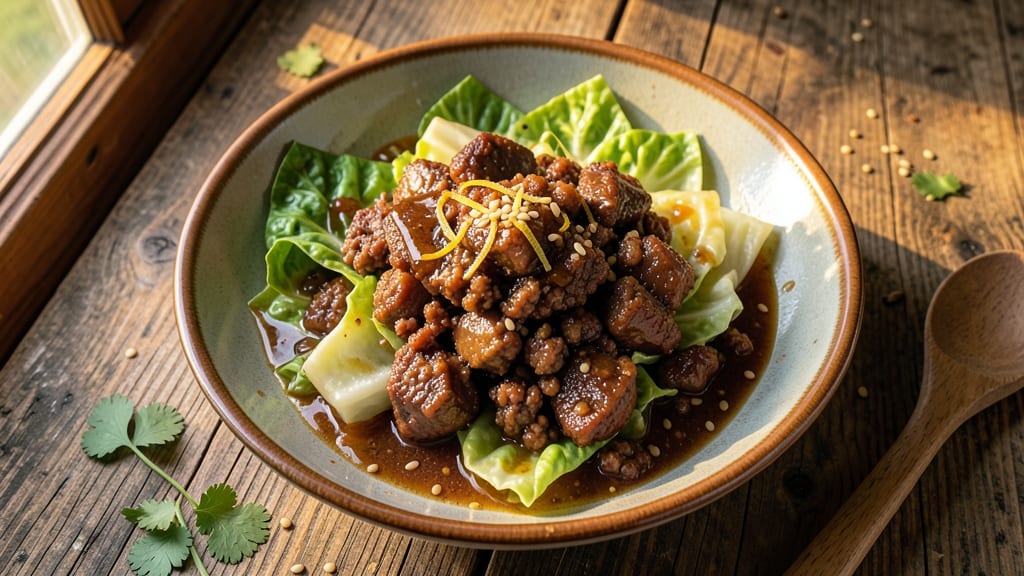
This cabbage and minced pork recipe transforms humble ingredients into a dish that balances crisp wok-seared edges with a silky braised center. Growing up in Georgia, I learned pork's transformative power—how it absorbs flavors while keeping its natural richness.
The secret lies in high-heat searing followed by a slow braise, creating texture contrast that makes every bite satisfying.
What sets this recipe apart is the technique: minced pork develops a caramelized crust when seared in a hot wok, while cabbage softens just enough to absorb the savory sauce without losing its structure.
I use ground pork shoulder for its fat content—essential for moisture and flavor development during the braise. The result? A dish that's hearty enough for a weeknight dinner but sophisticated enough for company.
By the time you're done, you'll have a restaurant-quality plate featuring tender pork with crisp edges, cabbage that's perfectly al dente, and a sauce thickened just enough to coat every bite.
The aroma alone—garlic, ginger, and pork fat—will have your kitchen feeling like a Charleston eatery. Serve with steamed jasmine rice to soak up every last drop of that flavorful braising liquid.
This recipe scales beautifully, making it perfect for meal prep or feeding a crowd. The leftovers actually taste better the next day as flavors meld further.
For an extra touch, garnish with fresh cilantro or a sprinkle of toasted sesame seeds before serving. Let's get cooking—your taste buds will thank you.
Ingredients for cabbage and minced pork
Pantry staples meet wok magic for a dish that's crisp, tender, and packed with flavor.
| Ingredient | Amount | Notes |
|---|---|---|
| Ground Pork Shoulder 🥩 | 1 ½ lb | Fat content essential for moisture |
| Green Cabbage 🧅 | 1 small head | About 2 lbs total weight |
| Garlic Cloves 🧄 | 6 cloves | Minced for aromatic base |
| Fresh Ginger 🌿 | 2 tbsp | Grated, for zesty kick |
| Soy Sauce 🍶 | ½ cup | Light or dark variety |
| Oyster Sauce 🍜 | 2 tbsp | For umami depth |
| Sesame Oil 🫒 | 1 tbsp | Toasted for aroma |
| Brown Sugar 🍚 | 2 tbsp | Balances savory flavors |
| Cornstarch 🌾 | 1 tbsp | For sauce thickening |
| Vegetable Oil 🫒 | 2 tbsp | High smoke point for searing |
| Salt 🧂 | 1 tsp | Kosher or sea salt |
| Black Pepper 🌶️ | ½ tsp | Freshly ground preferred |
| Fresh Cilantro 🌿 | ¼ cup | Chopped, for garnish |
| Toasted Sesame Seeds 🌾 | 1 tbsp | For garnish |
The pork shoulder is non-negotiable here—fat content is key for that silky braise. Butcher sections usually sell it pre-ground, but if you're buying whole, ask for the shoulder cut. For cabbage, green is best—it holds its shape better than red. I grab mine from local farmers markets when in season, but the grocery store variety works fine. Look for heads that feel heavy for their size—sign of freshness. The garlic and ginger? Fresh is a must—dried just won't cut it for this dish's aromatic base. Pro tip: buy ginger in small chunks and freeze it—peeling is way easier after a quick microwave zap.
No oyster sauce? Substitute with extra soy sauce plus a splash of fish sauce—it's the umami bomb in this dish. Running low on sesame oil? Toasted sesame seeds ground with a pinch of oil works in a pinch (literally). The cabbage can be pre-shredded to save time, but thin slices sear better. For the cornstarch, arrowroot powder works too if you're out. And if you're feeling fancy, swap the brown sugar for honey or maple syrup—just reduce the liquid in the braise by 1 tbsp to account for the moisture difference. The sesame seeds? Toast them in a dry pan for 1-2 minutes until fragrant—game-changer for that nutty aroma.
This dish reheats beautifully—leftovers taste even better as flavors meld. Store in airtight containers for 4-5 days in the fridge or freeze for 3 months. I like to portion it with rice in meal prep containers so lunches are ready to grab. For extra crispiness, re-sear the pork edges in a hot pan before serving. The cilantro wilts fast, so add it just before serving or skip it entirely if you're not a fan—no judgment. Double the recipe? It keeps just as well and makes feeding a crowd a breeze.
Why You'll Love This Recipe
- One-Pan Magic: I swear by this recipe for lazy nights—just toss everything into one skillet, stir, and walk away. The cabbage softens while the pork browns, and honestly? No extra pots to wash.
- Umami Bomb: That combo of ginger, garlic, and soy sauce? It’s like a flavor explosion in your mouth. The pork stays juicy, the cabbage gets tender-crisp, and the sauce clings to every bite—no dryness here.
- Budget Feast: Ground pork shoulder stretches far, and a whole cabbage costs pennies. I’ve fed my family of four with leftovers for days, and the best part? It’s still delicious reheated—no sad, rubbery textures.
- Weeknight Workhorse: Need something fast but hearty? This is my go-to when I’m exhausted but still want flavor. Double the batch, store it, and pull it out for lunches or a quick dinner—no stress, all satisfaction.
Step-by-step instructions for wok-seared cabbage and pork
Here's how to balance crispy edges with tender pork and silky cabbage—every bite delivers.
Prep the Cabbage and Pork Mixture
Cut the 1 small head green cabbage in half, remove the core, then slice each half into ¼-inch thick wedges. Keep the leaves intact for even cooking. In a large bowl, combine the cabbage with the 1.5 lb ground pork shoulder, 6 cloves minced garlic cloves, 2 tbsp grated fresh ginger, 1 tsp salt, and 0.5 tsp black pepper. Use your hands to gently mix until the pork is evenly distributed throughout the cabbage—this ensures every bite has flavor.
Here's the thing—don't overmix or you'll bruise the cabbage. Just toss until the pork clings lightly to the leaves. Let the mixture sit at room temperature for 10 minutes while you heat your wok. This short rest helps the pork absorb the aromatics better, giving you deeper flavor when you sear.
Sear the Pork and Cabbage for Crispy Edges
Heat a 14-inch wok or large skillet over high heat until smoking. Add 2 tbsp vegetable oil and swirl to coat. Working in batches if needed (you'll likely need two rounds), add half of the pork-cabbage mixture to the wok. Press down gently with a spatula to help the pork release its fat and create that signature crispy crust.
Cook undisturbed for 3-4 minutes until the pork browns deeply and the cabbage edges turn golden and slightly charred. You'll see the fat rendering out—this is what gives the dish its rich, caramelized flavor. If the mixture sticks, don't panic—just give it another 30 seconds before gently stirring to redistribute. The goal is to build those crispy pockets while keeping the cabbage tender.
Build the Silky Braising Sauce
Push the seared pork and cabbage to one side of the wok. Add another 1 tbsp vegetable oil if needed, then pour in the 0.5 cup soy sauce, 2 tbsp oyster sauce, 2 tbsp brown sugar, and 1 tbsp sesame oil. Let it simmer for 1 minute until the sugars begin to caramelize slightly—you'll smell that sweet, savory aroma developing.
Here's where the magic happens: sprinkle the 1 tbsp cornstarch over the sauce and stir vigorously for 30 seconds until it thickens to a glossy, syrupy consistency. Pour this sauce over the pork and cabbage, tossing everything together until every piece is evenly coated. The sauce should cling beautifully, creating that signature silky texture we're after. If it's too thick, add 1-2 tablespoons of water to loosen it.
Finish and Garnish for Perfect Texture
Reduce heat to medium-low and cover the wok with a lid. Let it steam for 5-7 minutes until the cabbage is tender when pierced with a fork but still holds its shape. The pork should be cooked through with no pink remaining. Real talk: don't overcook here—you want that perfect balance of crispy edges and tender cabbage.
Once cooked, transfer to a serving platter and let it rest for 2 minutes. Garnish with the 0.25 cup chopped fresh cilantro and 1 tbsp toasted sesame seeds right before serving. The contrast of fresh herbs and nutty sesame seeds against the rich pork and cabbage makes this dish sing. Serve immediately while the edges are still crisp and the cabbage holds its texture.
Pro Tips For Making Cabbage And Minced Pork
- Sear the Pork First: High heat for 3-4 minutes until browned—this isn’t just for looks. The Maillard reaction here builds flavor that soy sauce alone can’t mask. I used to skip it, and the dish always tasted flat until I realized the pork needed that initial punch.
- Shred Cabbage Thin: Slice the cabbage into ¼-inch strips, not chunks—thin pieces soften faster and blend better with the pork. Thick slices turn mushy or stay crunchy, and neither works well. (Yes, even if you’re impatient like me, resist the urge to cut them big.)
- Salt the Cabbage Early: Toss the shredded cabbage with ½ teaspoon salt and let it sit for 10 minutes before cooking. This draws out water and keeps the final dish from getting soggy. I learned this the hard way after serving a watery batch that made my guests side-eye their plates.
- Finish with Ginger-Garlic Oil: After the pork and cabbage cook down, drain most of the liquid, then toss in minced garlic and ginger with a splash of oil. Fry for 30 seconds until fragrant—this adds brightness without overpowering. Sounds weird, but it works: the oil carries the aroma straight to every bite.
Serving suggestions for this cabbage and minced pork
Rice Pairings
Jasmine rice is my go-to for this dish—its delicate floral aroma complements the pork's richness without overpowering it. Cook 1 cup jasmine rice with 1.5 cups water and ½ tsp salt, then steam until fluffy.
The slightly sticky texture soaks up the braising sauce beautifully. For extra flair, add 1 tsp toasted sesame oil to the rice before serving. 💛
Crispy Noodle Bowls
Transform leftovers into crispy noodle bowls by tossing 6 oz cooked rice noodles with 1 tbsp vegetable oil and ½ tsp sugar in a hot wok until golden. Top with the cabbage-pork mixture and drizzle with extra sauce.
Garnish with sliced green onions and chili crisp for heat. This version turns a simple dinner into a restaurant-worthy meal.
Fresh Herb Garnishes
Fresh cilantro and toasted sesame seeds are my standard garnishes, but don't be afraid to experiment. Try thinly sliced scallions for brightness or crispy fried shallots for texture.
For a smoky touch, sprinkle with ½ tsp smoked paprika right before serving. The key is contrast—herbs cut through the richness while crispy elements add crunch.
Quick Pickled Veggies
Add a tangy crunch with quick-pickled radishes or carrots. Thinly slice 1 cup radishes or carrots and toss with ¼ cup rice vinegar, 1 tbsp sugar, and ½ tsp salt. Let sit for 15 minutes before draining.
The bright acidity balances the dish's savory depth perfectly. I like to serve them on the side so guests can add as much or as little as they like.
Warm Flatbreads
For a heartier meal, serve with warm naan or scallion pancakes. Brush with garlic butter and toast in a skillet until golden. The soft, pillowy texture contrasts wonderfully with the crispy cabbage edges.
I often make a big batch of pancakes ahead and reheat them in the oven at 350°F for 5 minutes before serving.
Spicy Sauce Drizzle
Elevate the dish with a drizzle of chili garlic sauce or sriracha-honey mix. I like to combine 1 tbsp chili garlic sauce with 1 tsp honey and ½ tsp rice vinegar for a sweet-spicy contrast.
Drizzle lightly over the top or serve on the side for those who want extra heat. This simple addition takes the dish from everyday to extraordinary. ✨
Nutrition facts
Frequently asked questions
Can I use ground beef instead of pork?
Ground beef works in a pinch, but pork shoulder delivers superior flavor and texture. The fat content in pork creates that signature silky braise, while beef can make the dish too heavy. If you must substitute, use lean ground beef (85% lean/15% fat max) and reduce the cooking time by 2 minutes—it dries out faster.
How do I prevent the cabbage from getting mushy?
Keep slices ¼-inch thick and avoid overcooking. The secret is high-heat searing first to build crisp edges, then a quick steam finish. If using pre-shredded cabbage, rinse and drain thoroughly to remove excess moisture. For extra structure, add 1 tbsp cornstarch to the cabbage before mixing with pork.
What's the best way to reheat leftovers?
Reheat in a skillet over medium heat with 1 tsp sesame oil for 3-4 minutes to restore crisp edges. Avoid microwaving—it turns the cabbage soggy. For meal prep, portion with rice in airtight containers and reheat covered for 1 minute in the microwave (then crisp in a pan). Leftovers actually improve as flavors meld!
Can I make this dish ahead of time?
Assemble the mixture up to 24 hours ahead and refrigerate uncovered. The cabbage will wilt slightly, which is perfect for braising. Cook fresh from cold (no need to thaw) and add 1 extra minute to the braising time. For make-ahead dinners, this is a game-changer—just sear and braise when ready to eat.
What if I don't have oyster sauce?
Mix 1 tbsp soy sauce + ½ tsp fish sauce + ½ tsp sugar as a substitute. The umami punch comes from the fish sauce, while sugar mimics oyster sauce's slight sweetness. For a vegetarian version, use 1 tbsp mushroom sauce or extra soy sauce with ½ tsp miso paste.