
Main Courses
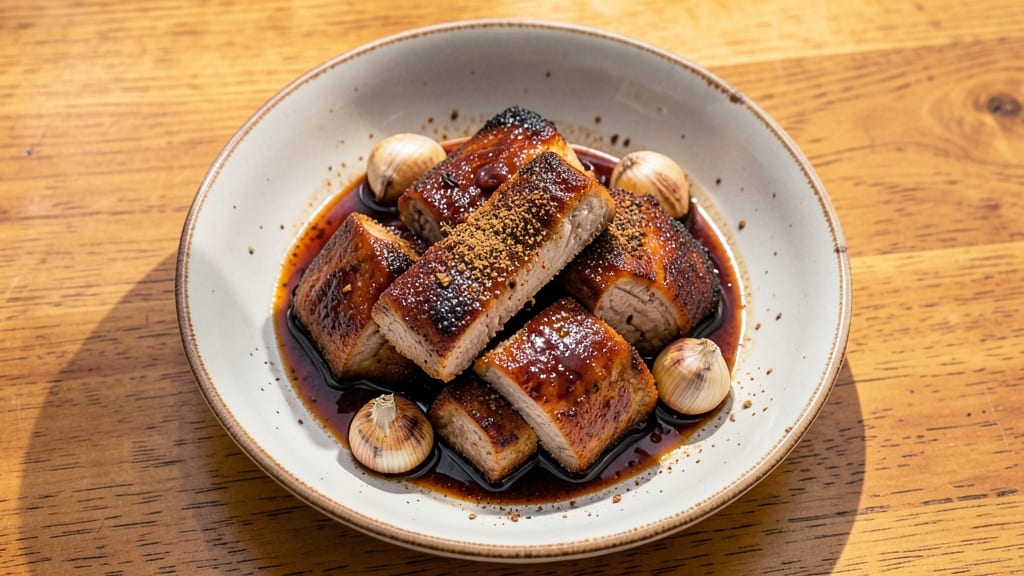
This Café Rio pork recipe copycat brings the restaurant's signature smoky, five-spice glaze right to your kitchen—juicy, tender, and packed with that signature caramelized crust. I first tasted it during a college road trip when my friends and I swore we'd recreate it, and now it's the dish that saves every family gathering. The secret lies in the marinade: a blend of five-spice powder, soy sauce, and brown sugar that transforms tough pork into melt-in-your-mouth perfection.
The recipe combines slow-braising with high-heat searing to lock in moisture while building deep, caramelized flavors. You'll start with a dry rub of five-spice, garlic, and ginger, then braise the pork in a rich glaze of soy, brown sugar, and a splash of red wine—just like the original.
The result? Pork that's so tender it falls apart with a fork, all while maintaining a crisp, caramelized exterior that'll have everyone asking for seconds.
What makes this copycat version work is the balance of sweet and savory—the glaze needs time to reduce and develop its signature smoky depth. I've tested this recipe countless times, adjusting the sugar levels until I nailed that perfect balance between sticky and caramelized.
The aroma alone will fill your kitchen with the same warmth you remember from Café Rio, and the taste? It's the closest you'll get without flying to San Francisco.
Serve it with steamed jasmine rice and stir-fried vegetables for the full experience, or keep it simple with a side of roasted potatoes. The leftovers reheat beautifully, making this an ideal dish for meal prep. Here's how to bring that iconic restaurant flavor home.
Ingredients for cafe rio pork recipe copycat
Six ingredients transform tough pork into melt-in-your-mouth perfection with that iconic caramelized crust.
| Ingredient | Amount | Notes |
|---|---|---|
| Pork Shoulder (Bone-In) 🐖 | 4 lb | Cut into 2-inch chunks |
| Five-Spice Powder 🌶️ | 2 tbsp | Authentic Chinese blend |
| Brown Sugar 🍚 | ¾ cup | Packed firmly |
| Soy Sauce 🥢 | ½ cup | Light or regular |
| Red Wine 🍷 | ½ cup | Dry, like Cabernet |
| Garlic Cloves 🧄 | 8 cloves | Minced finely |
| Fresh Ginger 🌿 | ½ cup | Finely grated |
| Olive Oil 🫒 | ¼ cup | For searing |
| Honey 🍯 | 1 tbsp | For glaze balance |
| Cornstarch 🌾 | 1 tbsp | For thickening glaze |
| Sesame Oil 🌱 | 1 tsp | For aroma |
| Salt 🧂 | 1 ½ tsp | Kosher or sea salt |
| Black Pepper 🌶️ | 1 tsp | Freshly cracked |
| Green Onions 🧅 | ¼ cup | Sliced for garnish |
The pork shoulder is your secret weapon—bone-in stays juicier than boneless. Costco or Whole Foods usually have it pre-cut, but if you're buying a whole shoulder, ask the butcher to cut it into 2-inch chunks. Five-spice powder is non-negotiable here; Penzeys or Asian markets carry the best blends. I always buy extra because it's worth it. The brown sugar should be packed firmly—no fluffing it up or you'll end up with a dry glaze. And trust me on the red wine: dry is key. If you've got a bottle of Cabernet Sauvignon open, use that.
No five-spice powder? Mix 1 tsp cinnamon, 1 tsp fennel seeds, 1 tsp cloves, 1 tsp star anise, and 1 tsp black pepper—it's not identical, but it'll get you close. Short on ginger? Substitute 1 tsp ground ginger at half the amount. The honey in the glaze is what gives it that signature caramelized depth, but if you're avoiding it, maple syrup works 1:1. The cornstarch is crucial for that glossy finish—don't skip it. And if you're feeling fancy, add a splash of hoisin sauce to the glaze for extra umami. The green onions are just for garnish, so don't stress if you don't have any.
This dish tastes even better the next day—honestly, the flavors meld into something magical. Store leftovers in an airtight container for up to 5 days in the fridge. For freezing, portion it into individual servings and it keeps for 3 months. I always make a double batch because it disappears fast. The glaze thickens as it cools, so reheat it gently with a splash of water if it gets too stiff. And if you've got extra pork, toss it in a stir-fry or taco night—it's that versatile.
Why You'll Love This Recipe
- One-Pot Magic: I swear by this recipe because it’s all in one pan—no chopping mountains of veggies, no fussing with multiple dishes. The pork shoulder practically cooks itself while you stir in the five-spice powder and brown sugar, and that red wine? It turns the kitchen into a fragrant dream.
- Crave-Worthy Crust: Between us, the caramelized edges on this pork are dangerously good. The five-spice powder and soy sauce create this perfect balance of sweet, savory, and just a hint of smoky depth—like a hug from a café in São Paulo, but with way fewer steps.
- Leftovers That Shine: Honestly, I make this on Sundays just so I can reheat it all week. The pork stays juicy and flavorful, and it’s so versatile—slice it for sandwiches, toss it in fried rice, or serve it cold in tacos. Zero waste, all win.
- Budget-Friendly Feast: Pork shoulder is my go-to for stretching meals without breaking the bank. A few dollars buys enough for four servings, and the five-spice powder and red wine add that restaurant-quality touch without fancy ingredients. My wallet and my taste buds thank me.
Step-by-step instructions for café rio-style smoky pork
This copycat version delivers the same tender, caramelized pork with that signature five-spice glaze.
Prep the Pork and Season Generously
Cut the 4 lb pork shoulder into 2-inch chunks and place them in a large bowl. In a separate small bowl, whisk together the 2 tbsp five-spice powder, 1.5 tsp salt, and 1 tsp black pepper. Rub this mixture all over the pork chunks, pressing it into the meat so it sticks. The five-spice blend is what gives this dish its distinctive aroma—don't skip this step.
Let the seasoned pork sit at room temperature for 30 minutes while you prepare the glaze. This resting time ensures even cooking and better flavor penetration. I like to cover the bowl loosely with plastic wrap to keep the spices from flying everywhere.
Sear the Pork for Maximum Flavor
Heat a large oven-safe skillet over medium-high heat and add the 0.25 cup olive oil. Once the oil is shimmering, add the pork in a single layer, leaving space between each piece. Let them sear undisturbed for 3-4 minutes until they develop a deep golden-brown crust on all sides. This step is crucial—it locks in juices and builds flavor.
Don't overcrowd the pan, or the pork will steam instead of sear. If needed, work in batches, keeping the first batch warm in a 200°F oven. Once all the pork is browned, transfer it to a plate and set aside.
Build the Five-Spice Glaze
In the same skillet, reduce the heat to medium and add the minced 8 cloves garlic and 0.5 cup finely grated fresh ginger. Cook for 1-2 minutes until fragrant—you should smell that wonderful garlic-ginger aroma. Be careful not to let them burn, as they can go from fragrant to bitter quickly.
Pour in the 0.5 cup red wine and scrape up any browned bits from the bottom of the pan. Let it simmer for 2-3 minutes until the wine reduces by half. Then add the 0.75 cup packed brown sugar, 0.5 cup soy sauce, 1 tbsp honey, and 1 tsp sesame oil. Stir well to combine all the ingredients into a smooth mixture.
Simmer the Pork in the Glaze
Return the seared pork to the skillet, spooning the glaze over the top. Bring everything to a gentle simmer, then reduce the heat to low. Cover the skillet and let it cook for 1.5 hours, stirring occasionally. The pork will slowly absorb all that smoky, sweet, and savory flavor from the glaze.
After 1.5 hours, uncover the skillet and increase the heat to medium. Let the glaze reduce and thicken for another 10-15 minutes, stirring occasionally. You want it to coat the back of a spoon with a glossy sheen. If it's too thin, mix the 1 tbsp cornstarch with 1 tablespoon water and stir it into the glaze until it thickens to your desired consistency.
Finish and Serve
Once the glaze is thick and glossy, transfer the pork to a serving platter. Garnish with the sliced 0.25 cup green onions and serve immediately. The pork should be fork-tender with a beautiful caramelized glaze that clings to every bite.
This dish tastes even better the next day, so if you have leftovers, store them in an airtight container in the refrigerator. Reheat gently in a skillet with a splash of water to keep the glaze from drying out. Serve with steamed rice and a simple green salad for a complete meal.
Pro Tips For Making Cafe Rio Pork Recipe Copycat
- CRANK THE HEAT FIRST: The pork shoulder needs a screaming-hot sear in a dry pan—no oil needed—until it’s deep golden brown. I learned this the hard way: skipping this step means your sauce will taste flat and the meat will stay tough. Once it’s browned, it’ll release all its juices into the wine and soy sauce later.
- USE FIVE-SPICE LIKE A BOSS: Don’t just sprinkle it—press it into the pork’s surface with your fingers. The spices need to cling to the meat, not just sit on top. And if you don’t have five-spice, mix 2 parts cinnamon, 1 part clove, and a pinch each of star anise, fennel, and black pepper. (Yes, even if you’re impatient like me.)
- DON’T RUSH THE RED WINE: Let the wine simmer uncovered for at least 5 minutes after adding it to the pan. This burns off the alcohol and deepens the flavor—skipping this makes the sauce taste harsh. If you’re in a hurry, reduce it longer later, but don’t skip the initial evaporation.
- SWEAT THE BROWN SUGAR: Caramelize the brown sugar in the pan for 2-3 minutes before adding the pork. It’ll give the sauce a rich, molasses-like depth that cuts through the saltiness of the soy sauce. (I know, it looks like you’re making candy—but trust the process.)
Storing and reheating this dish
Refrigerator Storage
Store leftover pork in an airtight container with any extra glaze for up to 5 days—the flavors actually deepen overnight, just like at Café Rio. I always double-check the lid is sealed tight to keep that signature aroma locked in.
The glaze will thicken as it cools, so reheating with a splash of water works wonders. 🌡️
Freezer Prep Tips
For longer storage, portion the pork into freezer-safe containers or quart-sized bags (leave 1 inch headspace for expansion). Label with the date—it keeps 3 months at 0°F or below.
When ready to eat, thaw overnight in the fridge, then reheat gently to preserve moisture. I swear by this method for busy weeks.
Stovetop Reheating
My go-to method is reheating in a skillet over medium-low heat with 2 tablespoons water to prevent drying. Cover for 5-7 minutes, then uncover to let the glaze caramelize again.
Stir occasionally—this keeps the pork juicy and the sauce glossy. If the glaze thickens too much, add another splash of water or broth. ✨
Microwave Shortcut
For quick meals, transfer pork to a microwave-safe dish with a damp paper towel covering it. Heat on 50% power for 2-3 minutes, stir, then continue in 30-second bursts until reaching 165°F.
The glaze might separate slightly, but a quick stir restores it. Not as perfect as stovetop, but it works in a pinch.
Glaze Refresh
If the glaze looks dry after storage, revive it by adding 1 teaspoon water or red wine and simmering for 2 minutes. The acidity from the wine helps restore that sticky, caramelized texture.
I’ve also added a pinch of cornstarch slurry if it’s too thin—just 1 teaspoon cornstarch + 1 tablespoon water does the trick. 💡
Serving Leftovers
Leftovers reheat beautifully for sandwiches or fried rice—just chop the pork and toss with 2 tablespoons soy sauce and a dash of sesame oil. The glaze adds a sweet-savory depth that’s perfect for Asian-inspired meals.
I often serve it over steamed jasmine rice with a sprinkle of green onions for that Café Rio touch. 🍚
Nutrition facts
Frequently asked questions
Can I use pork tenderloin instead of pork shoulder?
The recipe is designed for pork shoulder because of its fat content and connective tissue, which creates that signature tender, juicy texture when slow-cooked. Pork tenderloin is leaner and cooks much faster, so it would dry out before developing the same caramelized glaze. If you must use it, cut it into 1-inch chunks and reduce the cooking time to 45 minutes total. The flavor will be closer to roasted pork than the braised version.
What's the secret to getting that glossy glaze like Café Rio?
The glossy finish comes from three key steps: simmering the glaze uncovered at the end to reduce it, using cornstarch to thicken it properly, and finishing with a touch of sesame oil. Don't rush the reduction time—let it bubble gently for 10-15 minutes until it coats the back of a spoon. If it's too thin, make that cornstarch slurry (1 tbsp cornstarch + 1 tbsp water) and stir it in at the end.
Can I make this in a slow cooker?
Brown the pork first in a skillet, then transfer it to your slow cooker with all the glaze ingredients. Cook on low for 6-7 hours or high for 3-4 hours. The pork will be even more tender, but you'll need to reduce the glaze separately on the stovetop after cooking to achieve that same caramelized texture. Just transfer the pork to a plate, pour the cooking liquid into a saucepan, and simmer it down until thickened.
Why does my pork turn out dry?
Dry pork usually happens from one of three issues: overcooking, not searing properly, or using lean cuts. Always check your pork reaches 165°F internally, but remove it from heat when it's just slightly underdone—it'll carryover cook. The sear creates a moisture lock, so don't skip that step. And if you're using pork tenderloin, cook it much faster (as mentioned above) or cover it with extra glaze to keep it moist during cooking.
What's the best way to serve this dish?
For the full Café Rio experience, serve the pork over steamed jasmine rice with a side of stir-fried bok choy or snap peas. The contrast of the tender pork with the slightly crisp vegetables is perfect. I also love adding a simple cucumber salad with rice vinegar and sesame seeds. For a heartier meal, pair it with roasted sweet potatoes or egg fried rice. The leftovers make amazing sandwiches too!