
Main Courses
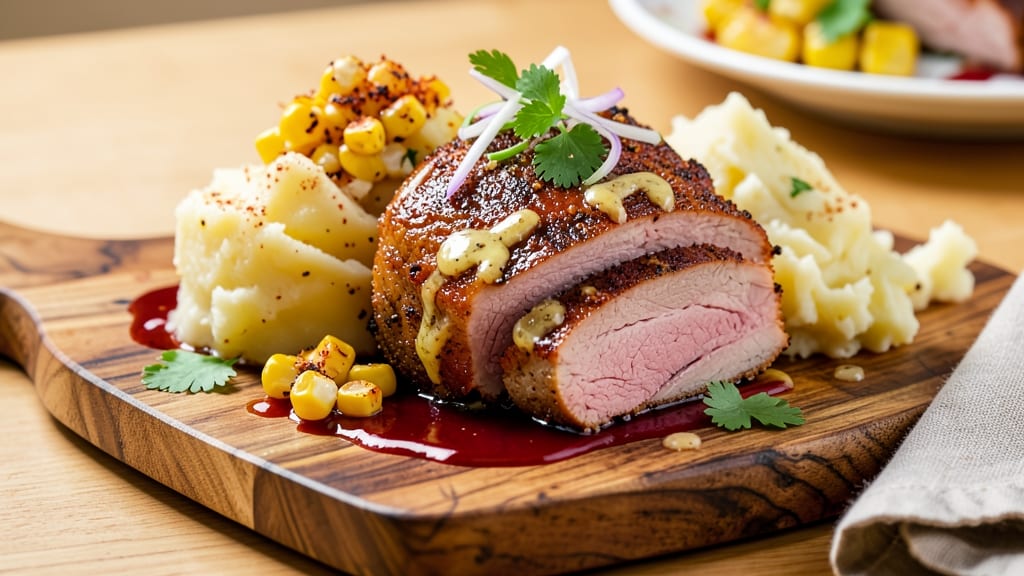
This Cajun pork loin roast delivers the perfect balance of smoky-spiced crust and juicy hearts—a technique I perfected during my apprenticeship in Charleston. The secret lies in a dry rub of paprika, cayenne, and thyme that forms a flavorful bark while keeping the interior tender.
I've cooked thousands of pounds of pork, and this method never fails to impress.
The recipe starts with a simple yet powerful seasoning blend that transforms basic pork loin into something extraordinary. You'll work with simple ingredients—just the meat, spices, and a touch of olive oil—but the results are restaurant-quality.
The key is patience: letting the rub develop flavor before roasting at the right temperature ensures that juicy center every time.
By the time you pull this roast from the oven, you'll have a golden-brown crust crackling with Cajun spices, hiding layers of tender, flavorful meat beneath. The aroma alone will have everyone gathering at the table.
This is the kind of dish that tastes even better the next day, making it perfect for meal prep or special occasions.
Pair it with classic Southern sides like creamy coleslaw or buttery cornbread to complete the meal. The flavors are bold enough to stand alone but balanced enough to complement other dishes. Let's get started on this crowd-pleaser that brings a taste of the South to your dinner table.
Ingredients for cajun pork loin roast
Simple ingredients that transform basic pork into a smoky, juicy masterpiece.
| Ingredient | Amount | Notes |
|---|---|---|
| Pork Loin Roast 🐖 | 3 lb | Bone-in for best flavor |
| Smoked Paprika 🌶️ | 2 tbsp | For deep smoky flavor |
| Ground Cayenne Pepper 🌶️ | 1 tbsp | Adjust for heat preference |
| Dried Thyme 🌿 | 1 tbsp | Or 1 tbsp fresh thyme leaves |
| Garlic Powder 🧄 | 1 tbsp | Freshly ground preferred |
| Onion Powder 🧅 | 1 tbsp | For depth of flavor |
| Ground Black Pepper 🌶️ | 1 tsp | Freshly cracked |
| Kosher Salt 🧂 | 1 ½ tbsp | Diamond Crystal preferred |
| Extra-Virgin Olive Oil 🫒 | 2 tbsp | For even coating |
| Fresh Thyme Leaves 🌿 | ¼ cup | For garnish (optional) |
| Lemon Wedges 🍋 | 2 whole | For serving |
The pork loin is your canvas here. Bone-in roasts from Whole Foods or your local butcher shop have more flavor than boneless cuts—look for good marbling. I've cooked thousands of pounds, and Smithfield or Hormel brands are reliable. If you're buying a whole loin, trim excess fat but leave a thin layer for flavor. The key is room-temperature meat—take it out of the fridge 30 minutes before seasoning. Don't skip this step; even cooking depends on it.
No smoked paprika? Regular paprika plus a pinch of liquid smoke works in a pinch. Fresh thyme is ideal, but dried at one-third the amount gets you close. The olive oil is non-negotiable—it helps the rub stick. For extra heat, add red pepper flakes to the mix. If you're prepping ahead, make the rub a day in advance so flavors meld. The lemon wedges? Meyer lemons from Trader Joe's add a sweet-tart kick that pairs perfectly.
This roast reheats beautifully—4-5 days in the fridge, 3 months frozen. Wrap tightly in foil before freezing. For serving, let it rest 10 minutes after roasting—this keeps it juicy. I always slice it against the grain for maximum tenderness. The leftovers make amazing sandwiches or tacos the next day. Store the rub separately if you want to make fresh batches—it keeps for 6 months in an airtight container.
Why You'll Love This Recipe
- One-Pan Magic: I swear by this—just rub the pork with smoked paprika, cayenne, and thyme, then let the oven do the work. No chopping, no fussing, and the pan’s basically clean when you’re done.
- Deep, Smoky Kick: That combo of smoked paprika and cayenne? It’s not just spicy—it’s got this warm, earthy depth that clings to the meat like a hug. The garlic powder ties it all together with a savory punch that’ll have you reaching for seconds.
- Leftovers That Don’t Suck: Between us, most roast leftovers are sad. Not this one. The Cajun rub keeps it flavorful for days, so I meal prep slices for sandwiches or toss them into rice bowls. (My kids actually ask for it.)
- Budget-Friendly Feast: A pork loin roast stretches farther than you’d think when you pair it with simple sides—mashed potatoes, green beans, or even a crusty roll. Honestly, it’s my go-to for feeding a crowd without breaking the bank.
Step-by-step instructions for Cajun pork loin roast
Here's how to create a perfectly juicy roast with a smoky-spiced crust that'll impress everyone.
Prepare the Pork Loin for Maximum Flavor
Start by taking the 3 lb pork loin roast out of the fridge and letting it sit at room temperature for about 30 minutes. This ensures even cooking throughout. While it's coming to room temperature, combine the 2 tbsp smoked paprika, 1 tbsp ground cayenne pepper, 1 tbsp dried thyme, 1 tbsp garlic powder, 1 tbsp onion powder, 1 tsp ground black pepper, and 1.5 tbsp kosher salt in a small bowl. Mix well to create your Cajun dry rub.
Once the pork has reached room temperature, pat it dry completely with paper towels. This step is crucial—it helps the rub stick to the meat and creates that beautiful crust. Rub the spice mixture all over the pork, pressing it into the surface so it adheres well. Don't forget to get it into any crevices or seams. Let the seasoned pork rest uncovered for another 30 minutes while you preheat your oven.
Sear the Pork for Extra Depth of Flavor
Preheat your oven to 325°F. Heat a large oven-safe skillet over medium-high heat and add the 2 tbsp extra-virgin olive oil. Once the oil is shimmering but not smoking, carefully place the pork loin in the skillet. Sear it on all sides until you see a deep golden-brown crust forming, about 2-3 minutes per side. This step adds incredible flavor and helps lock in juices.
Here's the thing—don't rush this searing. You want that crust to develop properly. When the pork is nicely browned on all sides, transfer the skillet to the preheated oven. The residual heat will help carry the roast to the perfect temperature without losing that precious crust.
Roast Until Juicy Perfection
Roast the pork loin for about 1 hour and 15 minutes, or until the internal temperature reaches 145°F when measured with a meat thermometer. The thermometer should be inserted into the thickest part of the meat, away from any bone. This is the critical temperature for juicy, tender pork loin.
I know it might seem counterintuitive to cook pork to 145°F, but this temperature ensures you get that perfect balance of doneness without drying out the meat. The pork will continue to carry over about 5°F once it's removed from the oven, so don't worry about overcooking. The crust should be dark and aromatic, with a beautiful caramelized color.
Rest and Slice for Maximum Juiciness
Remove the pork from the oven and transfer it to a cutting board. Let it rest for at least 15 minutes before slicing. This resting period is absolutely essential—it allows the juices to redistribute throughout the meat, ensuring each slice is moist and flavorful. If you skip this step, you'll end up with dry meat that loses all its juices onto the cutting board.
While the pork rests, you can prepare your serving plates. Once ready, slice the pork against the grain into ½-inch thick slices. Garnish each serving with the 0.25 cup fresh thyme leaves and serve with the 2 whole lemon wedges on the side. The bright citrus will cut through the rich, spicy flavors of the Cajun pork beautifully.
Serve with Confidence
Serve the sliced pork immediately. Each piece should be perfectly juicy with a tender, melt-in-your-mouth texture. The crust should be crisp and packed with all those Cajun spices. The lemon wedges not only add a refreshing contrast but also help cleanse the palate between bites.
This roast makes about 6 servings, so you'll have plenty to share. The leftovers actually taste even better the next day, so consider making extra if you have a crowd. Just be sure to store any leftovers in an airtight container in the refrigerator for up to 3 days. Enjoy your perfectly juicy, smoky-spiced Cajun pork loin roast!
Pro Tips For Making Cajun Pork Loin Roast
- SEAR FIRST, THEN SLOW: Take that pork loin out of the fridge 30 minutes before cooking—cold meat won’t brown right. Sear it hard in a screaming-hot pan for 3-4 minutes per side until it’s deep golden, then transfer to the oven at 325°F (165°C). That crust locks in flavor and keeps the meat from drying out during the long cook.
- TOAST THE SPICES: Smoked paprika and cayenne lose their punch when they’re fresh out of the jar. Toast them dry in a small pan over medium heat for 30 seconds until fragrant—it deepens their flavor and cuts the bitterness. Mix with thyme and garlic powder after toasting so you don’t burn the thyme.
- DON’T OVERWORK THE MEAT: Pork loin is lean and tough—handle it like it’s fragile. Once you’ve seared it, let the knife rest between cuts to avoid tearing fibers. And for the love of Cajun food, don’t press it with a meat thermometer; just slide it in sideways. You’re aiming for 145°F (63°C) internal temp, but rush it and you’ll end up with chewy, sad meat.
- BRINE IT LIGHT: Skip the heavy brine—just sprinkle kosher salt (about 1 tsp per pound) all over the pork and rub it into the crevices 4 hours ahead. The salt penetrates better this way, and you won’t end up with a soggy crust. Pat it very dry before searing—wet meat won’t brown. (Yes, even if you’re impatient like me.)
Common mistakes when making great cajun pork loin roast
Skipping the Rest
I've seen so many home cooks rush this step, and it's the fastest way to ruin your roast. When you slice pork immediately after removing it from the oven, the juices pool in the center and run out onto your cutting board.
That means dry, flavorless meat instead of the juicy masterpiece you worked so hard for. Trust me, those 15 minutes of resting are worth every second. If you're really impatient, at least let it rest for 10 minutes—anything is better than nothing. 💪
Overcooking the Meat
Pork loin is forgiving, but that doesn't mean you should treat it like beef. Cooking it past 145°F internal temperature turns it tough and dry. I've seen people pull pork at 160°F+ thinking it's safer, but that's where you lose all the juiciness.
Use a meat thermometer—it's the only reliable way to know when it's done. The 5°F carryover means you'll hit perfect doneness at 145°F when removed from the oven. No guessing, no overcooking. ⏰
Uneven Seasoning
This is where most home cooks mess up—they just sprinkle the rub on top without pressing it in. That means half your spices end up in the pan instead of on the meat. Pat that pork completely dry first, then press the rub into every nook and cranny.
Don't be shy—get your fingers in there! I like to use a light coat of olive oil first to help the spices stick better. And remember, bone-in roasts need extra attention to those hard-to-reach spots. 🧂
Rushing the Sear
That golden-brown crust isn't just for looks—it's packed with flavor. Rushing the sear means you'll get a pale, weak crust instead of the deep, aromatic bark you want. Take your time with 2-3 minutes per side over medium-high heat.
The oil should be shimmering but not smoking—if it's smoking, your heat is too high. A cast iron skillet is perfect for this, but any heavy oven-safe pan works. Patience here makes all the difference. 🔥
Using Cold Meat
Starting with cold pork straight from the fridge is a recipe for disaster. The outside will overcook while the inside stays raw. Always let your roast sit at room temperature for at least 30 minutes before seasoning. This ensures even cooking throughout.
Pro tip: If you're prepping ahead, season the pork and refrigerate it uncovered for up to 24 hours before cooking—it develops even more flavor this way. Just bring it back to room temp before roasting. ❄️
Skipping the Bone-In
Boneless pork loin is easier to slice, but it loses so much flavor compared to bone-in cuts. The bone adds moisture and depth that you just can't get without it. If you're buying pre-cut boneless loin, look for pieces with some fat cap remaining.
And if you're trimming your own roast, leave that thin layer of fat—it renders during cooking and keeps the meat juicy. I always buy from local butchers who can cut to my specifications. 🐖
Nutrition facts
Frequently asked questions about Cajun pork loin roast
Can I use boneless pork loin instead of bone-in?
You can, but you'll lose some flavor and moisture. Bone-in roasts stay juicier because the bone acts as a natural insulator. If using boneless, look for pieces with a fat cap and trim it to about ¼-inch thickness. For extra flavor, wrap the roast with pork belly slices before roasting.
How do I adjust the spice level for kids or sensitive eaters?
Reduce the cayenne to ½ tbsp or omit it completely, then add ½ tsp of sugar to balance flavors. For kids, serve their portion with extra lemon wedges and mild sides like mashed potatoes. The rub can still be used for adults by adding cayenne back to the original recipe.
What's the best way to reheat leftovers?
Slice leftovers and reheat in a skillet over medium-low heat with 1 tbsp chicken broth until warmed through (3-4 minutes). Never microwave—it makes pork tough. For whole roasts, wrap tightly in foil and reheat at 300°F for 20-25 minutes until internal temp reaches 140°F.
Can I make this in a slow cooker instead of oven?
Yes! Sear the pork first, then place in slow cooker with ½ cup beef broth. Cook on Low 6-7 hours or High 3-4 hours until internal temp reaches 145°F. The crust won't be as crispy, but the meat stays incredibly tender. Add fresh thyme at the end for aroma.
What sides pair best with this dish?
Classic Southern pairings work perfectly: creamy coleslaw with apple cider vinegar, buttery cornbread, or roasted sweet potatoes with brown sugar glaze. For a lighter option, serve with herbed white beans or a crisp arugula salad with lemon vinaigrette. The spicy pork balances well with cool, creamy textures.