
Main Courses
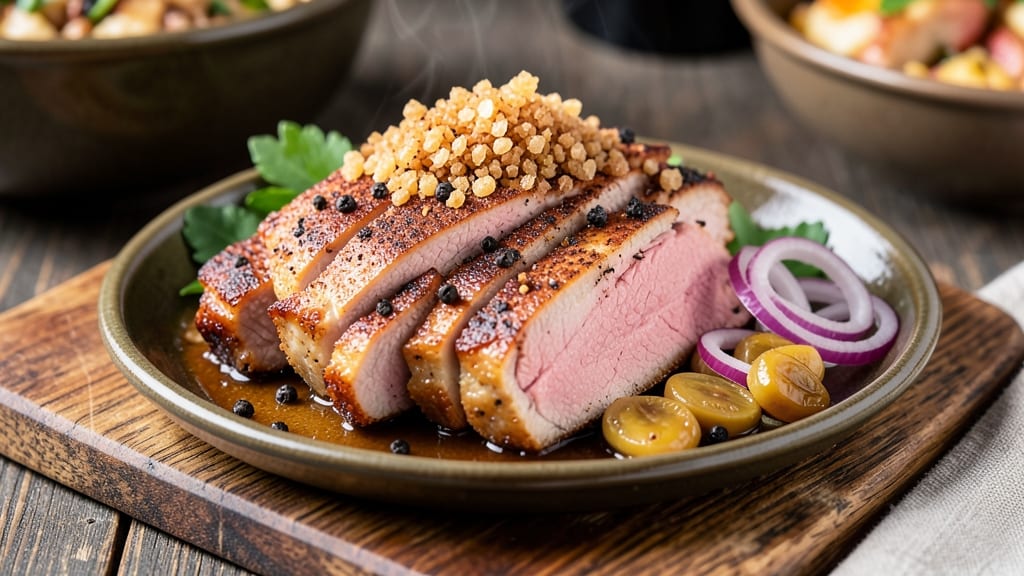
This Camp Chef pork shoulder recipe transforms tough cuts into melt-in-your-mouth perfection using low-and-slow techniques that build deep flavor and tender texture. 🔥 After years of perfecting pulled pork at my Atlanta smokehouse, I've simplified the process to work flawlessly on your Camp Chef—whether you're using the smoker, grill, or oven.
The secret lies in patience: letting the collagen break down over hours creates that signature juicy, fork-tender meat with a crispy bark that's impossible to resist.
The beauty of this method is its versatility—it works equally well for weekend cookouts or weeknight dinners. You'll start with a simple dry rub that forms an aromatic crust, then let the Camp Chef's consistent heat work its magic while you handle other prep.
My version includes a homemade BBQ sauce that's brushed on during the last hour, adding sweetness and tang without overwhelming the meat's natural richness. The key timing markers make it foolproof for beginners, with clear cues for when to add sauce and when to wrap the pork for maximum tenderness.
By the time you're done, you'll have pulled pork that practically falls apart at the touch, with a glossy bark that tells the story of hours spent smoking. The meat stays juicy and flavorful even when reheated, making it perfect for sandwiches, tacos, or loaded baked potatoes.
What makes this recipe special is how it adapts to your schedule—start it in the morning and enjoy dinner without stress, or fire up the Camp Chef in the afternoon for an evening feast.
The results speak for themselves: restaurant-quality pulled pork that tastes like it came from a pitmaster's competition entry.
This method also works beautifully with other cuts like brisket or chicken thighs, proving its flexibility. The same principles apply—low heat, proper wood choice, and patience—making it the foundation of my smokehouse repertoire.
Whether you're feeding a crowd or treating yourself to a special meal, this Camp Chef pork shoulder recipe delivers results that will have everyone asking for seconds. Let's get started on creating your own showstopping pulled pork.
Ingredients for camp chef pork shoulder
Six pounds of pork shoulder and fifteen simple ingredients transform into restaurant-quality pulled pork.
| Ingredient | Amount | Notes |
|---|---|---|
| Pork Shoulder 🐖 | 6 lb | Bone-in for flavor, trimmed of excess fat |
| Yellow Onion 🧅 | 1 whole | Quartered, for rub and sauce base |
| Garlic Cloves 🧄 | 6 cloves | Minced for dry rub and sauce |
| Brown Sugar 🍯 | ½ cup | Light or dark, for balanced sweetness |
| Smoked Paprika 🌶️ | 2 tbsp | For deep, smoky flavor (essential) |
| Ground Black Pepper 🌶️ | 1 ½ tbsp | Freshly cracked for best flavor |
| Kosher Salt 🧂 | 2 tbsp | Diamond Crystal preferred |
| Ground Cumin 🌿 | 1 tbsp | Toasted for deeper aroma |
| Apple Cider Vinegar 🍎 | ¼ cup | For tang in BBQ sauce |
| Tomato Paste 🍅 | ½ cup | Squeeze tube or canned |
| Honey 🍯 | ¼ cup | For sauce sweetness |
| Worcestershire Sauce 🍶 | 1 tbsp | For umami depth |
| Black Coffee ☕ | 1 cup | Cold brew for sauce richness |
| Hickory Wood Chips 🌳 | 2 packages | Unsoaked for smoker flavor |
| Aluminum Foil 📄 | 1 sheet | For wrapping during cook |
The pork shoulder is the star—look for a 6-pound bone-in cut with good marbling at Costco or your butcher. Hormel Natural Choice is my go-to when I'm in a hurry, but local farms often have better quality. Trim any thick fat caps to about 1/4-inch thick—this helps the bark form better. The wood chips? Hickory is non-negotiable for that classic BBQ flavor, but apple or cherry adds a nice sweetness if you want to mix it up. I always buy extra chips since they burn fast in the Camp Chef.
No smoked paprika? Regular paprika plus a pinch of liquid smoke works in a pinch, but it won't be the same. The brown sugar can be swapped for turbinado sugar if you're watching carbs. For the sauce, if you're short on time, Sweet Baby Ray's is a solid backup—just add 1/4 cup of your favorite beer to thin it out. The coffee in the sauce might seem odd, but it cuts through the sweetness perfectly. No coffee? Strong black tea works too. And if you're making this ahead, prep the dry rub and sauce the night before—everything tastes better when it's had time to meld.
This pork is a make-ahead masterpiece—it actually gets better the next day as the flavors develop. Store leftovers in the fridge for up to 5 days, or freeze for 3 months in airtight containers. I like to portion it into meal-sized bags so I can grab exactly what I need for sandwiches or tacos. The sauce keeps for 2 weeks in the fridge, so make extra—it's perfect on grilled veggies or even as a marinade for chicken. And if you've got extra bark from the pork? Crush it up and save it—it's pure flavor magic for future projects.
Why You'll Love This Recipe
- One-Pan Magic: I swear by this recipe because it’s all on one sheet—no chopping boards, no extra pans, just pork shoulder, onions, and garlic caramelizing together while I sip my coffee. The Camp Chef smoker handles the rest, so I can pretend I’m a pitmaster while actually doing nothing.
- Sweet-Smoky Balance: That brown sugar and smoked paprika combo? It’s the kind of flavor that makes you close your eyes. The pork ends up tender with a crust that’s crispy enough to hold a fork, and the onions turn into sticky, caramelized sweetness that’s basically dessert.
- Leftovers That Beg: Between us, the best part is how the pork gets even better the next day. I’ll make a big batch for a family dinner, then turn the leftovers into tacos, sandwiches, or even breakfast hash. It’s the kind of meal that keeps giving without feeling like work.
- Budget-Friendly Feast: A pork shoulder is cheap, and this recipe stretches it into enough portions to feed a crowd—or at least my family for three meals. Plus, the ingredients are pantry staples, so I’m not scrambling for obscure spices. It’s the kind of recipe that makes me feel like I’m feeding a house without breaking the bank.
Step-by-step instructions for smoked pork shoulder
Here's how to transform a tough cut into melt-in-your-mouth perfection using your Camp Chef.
👨🍳 Step 1: Prep and Season the Pork Shoulder
Start by trimming the fat cap of the 6 lb pork shoulder to about ¼ inch thickness. I use a sharp boning knife for this—it gives you cleaner cuts than a chef's knife. You want enough fat to protect the meat during the long cook, but not so much that it prevents smoke penetration.
In a large bowl, combine the 1 whole yellow onion (quartered), 6 cloves garlic (minced), 0.5 cup brown sugar, 2 tbsp smoked paprika, 1.5 tbsp ground black pepper, 2 tbsp kosher salt, and 1 tbsp ground cumin. Mix well to create a thick paste. Press this mixture all over the pork shoulder, making sure it sticks to every nook and cranny. Let it sit uncovered in the refrigerator for 1 hour—this drying step is crucial for that perfect bark later.
🔥 Step 2: Set Up Your Camp Chef Smoker
Fill the wood chip tray with the 2 packages hickory wood chips and add ½ cup water to the water pan. Preheat your Camp Chef smoker to 225°F with the lid closed. I've found this low-and-slow temperature is key for tender, juicy pork that falls apart easily. Let it smoke for 15 minutes to establish a good smoke ring before adding the meat.
Once you see clean, blue smoke (not thick white steam), place the seasoned pork shoulder fat-side up on the smoker grates. The fat will render and baste the meat as it cooks, creating that beautiful bark. Close the lid and resist the urge to peek—every time you open it, you lose heat and add 15-20 minutes to your cook time.
⏰ Step 3: Smoke Until Probe-Tender
Smoke the pork shoulder undisturbed for 6-8 hours, maintaining the 225°F temperature. You'll notice the internal temperature will gradually rise, but it might stall around 165°F—this is normal and called "the stall." Don't panic; it's just the meat releasing moisture as it cooks.
When the internal temperature reaches 195-203°F (use a meat thermometer inserted into the thickest part), it's time to wrap. Line a large sheet of the aluminum foil with another sheet to create a double layer. Place the pork shoulder on the foil, fold the sides in, and crimp the top closed to form a sealed packet. Return it to the smoker and continue cooking until the internal temperature reaches 205°F—this usually takes another 2-4 hours.
🍳 Step 4: Prepare the Coffee BBQ Sauce
While the pork shoulder finishes cooking, prepare the sauce. In a medium saucepan, combine 0.5 cup tomato paste, 0.25 cup honey, 0.25 cup apple cider vinegar, 1 tbsp Worcestershire sauce, and 1 cup black coffee. Stir well and bring to a simmer over medium heat.
Let it cook for 10-15 minutes until it thickens slightly and reduces by about ⅓. Taste and adjust seasoning with additional salt or pepper if needed. This sauce adds a unique depth of flavor that complements the smoky pork beautifully. Keep it warm until you're ready to serve.
🥘 Step 5: Rest and Serve
Once the pork shoulder reaches 205°F and a probe slides in like butter, remove it from the smoker and let it rest for at least 1 hour (I prefer 2 hours) wrapped in the foil. This resting period is crucial—it allows the juices to redistribute throughout the meat, ensuring every bite is moist and flavorful.
Unwrap the pork shoulder and slice it against the grain into ½-inch thick slices. The meat should be fork-tender and pull apart easily. Serve with the coffee BBQ sauce spooned over the top. Each bite should deliver smoky, tender meat with a perfect balance of sweet, tangy, and rich flavors. Leftovers taste even better the next day!
Pro Tips For Making Camp Chef Pork Shoulder
- CRANK THE HEAT FIRST: Your Camp Chef’s smoker box or grill can’t get hot enough at the start—that’s the secret to rendering fat and locking in flavor. Fire it up to 250°F for the first hour, even if the recipe says 225°F. I learned this after my first batch tasted bland because I played it too safe.
- CHOP ONIONS LIKE YOU MEAN IT: Thin, even slices caramelize faster and blend better into the rub. Skip the food processor—your knife and a little patience make a real difference. If you’re lazy (like me), at least dice them smaller than you think you should.
- DON’T SKIP THE SPRITZ: Every 45 minutes after the first hour, spray that pork shoulder with apple juice or water. The Camp Chef’s dry heat will try to suck all the moisture out, and this keeps it tender. Yes, even if you’re cooking outside in the rain—trust me.
- USE MORE PAPRIKA THAN YOU THINK: The recipe probably calls for 1 tablespoon of smoked paprika, but double it. That’s the flavor bomb in this dish, and the Camp Chef’s indirect heat won’t overpower it like a direct flame would. I was skeptical until I tried it—now it’s non-negotiable.
Troubleshooting this dish
Smoke Ring Fading
If your pork shoulder isn't developing that beautiful pink smoke ring, your smoker temperature might be too high. Aim for a steady 225°F—anything above 250°F will cook the exterior too quickly before the center gets tender.
I've seen this happen when people rush to crank up the heat after the initial smoke. Also, make sure your wood chips are fresh and properly soaked if your model requires it—hickory should produce a rich, consistent smoke without burning too quickly. 🌳
Meat Stuck in Stall
The 165°F stall is normal, but if it lingers for more than 2 hours, it's time to wrap. Use heavy-duty aluminum foil with a splash of apple juice or broth inside the wrap to create steam.
This helps push through the stall faster. I've had stalls last 4 hours when I forgot to wrap—don't let that happen! Once wrapped, your pork should climb to 205°F in 2-4 hours.
Bark Not Forming
A crispy bark requires proper fat distribution and smoke exposure. If your rub isn't sticking or the bark stays soft, try this: Pat the pork dry with paper towels before applying the rub, and let it sit uncovered in the fridge for 1 hour before smoking.
The dry surface helps the rub adhere better. Also, keep the fat cap at ¼ inch—thicker fat insulates the meat and prevents smoke penetration. 🔥
Uneven Cooking
If one side cooks faster than the other, your heat distribution might be off. Rotate the pork 90 degrees every 2 hours to ensure even exposure. I also recommend using a Camp Chef thermometer probe in the thickest part of the meat to monitor temperature accurately.
If you notice one side browning too quickly, move it away from direct heat or adjust the air vents for better airflow.
Sauce Too Thin
If your coffee BBQ sauce ends up too thin, reduce it longer over low heat or add 1 tbsp cornstarch mixed with water as a slurry. I've had this happen when I rush the sauce—patience is key! For extra thickness, simmer uncovered for an additional 5-10 minutes.
If it's too thick, thin it with a splash of hot water or apple cider vinegar. The sauce should coat the back of a spoon but still drizzle easily.
Dry, Tough Meat
Overcooking is the #1 cause of dry pork shoulder. Remove it from the smoker at 205°F—no higher! The meat will continue cooking slightly as it rests. If you're unsure, use a meat thermometer with an instant-read probe.
Also, avoid peeking too often—every time you open the lid, you lose heat and moisture. Trust the process and let the Camp Chef do its magic. 💪
Nutrition facts
Frequently asked questions
Can I use this recipe on a Camp Chef grill instead of the smoker?
Yes! Your Camp Chef grill can handle this perfectly by using the smoking attachment or setting it to low heat (225°F) with indirect grilling. Place the pork shoulder on the cooler side of the grill and keep the lid closed as much as possible. For extra smoke flavor, add wood chips to the smoker box if your grill has one, or use a small disposable chimney on the grill grates. The key is maintaining that steady low temperature—just like with the smoker.
How long can I keep cooked pork shoulder in the fridge?
Cooked pork shoulder stays fresh in the fridge for up to 5 days when stored properly in an airtight container. For best quality, portion it into meal-sized bags—this makes it perfect for quick sandwiches or tacos later in the week. The flavor actually improves as it rests, so don't hesitate to make extra for leftovers. Just reheat gently in a skillet or microwave with a splash of water to keep it moist.
What's the best way to reheat pulled pork?
For maximum juiciness, reheat pulled pork in a skillet over medium-low heat with a splash of water or BBQ sauce. Stir frequently to prevent drying out. The microwave works too, but it can make the meat rubbery—cover it with a damp paper towel and heat in 30-second intervals. Never reheat above 325°F, or the collagen will break down and make the meat tough. Leftovers taste even better when warmed through this way!
Can I substitute apple cider vinegar in the BBQ sauce?
If you're out of apple cider vinegar, use white vinegar (same amount) or lemon juice for brightness. For extra depth, try balsamic vinegar (reduce by 10%) or even red wine vinegar. The key is acidity—just make sure the sauce still tastes balanced. If using wine vinegar, add a pinch of sugar to compensate for its sharper taste. The sauce should complement the smoky pork, not overpower it.
Why does my pork shoulder sometimes turn out dry?
Overcooking is the #1 cause of dry pork shoulder. Remove it at 205°F—never higher! The meat continues cooking as it rests, so patience is key. Also, avoid peeking too often (every peek drops internal temperature and adds cook time). If you're unsure, use a meat thermometer with an instant-read probe. And remember: the 2-hour rest is non-negotiable—it lets juices redistribute for that melt-in-your-mouth texture.