
Main Courses
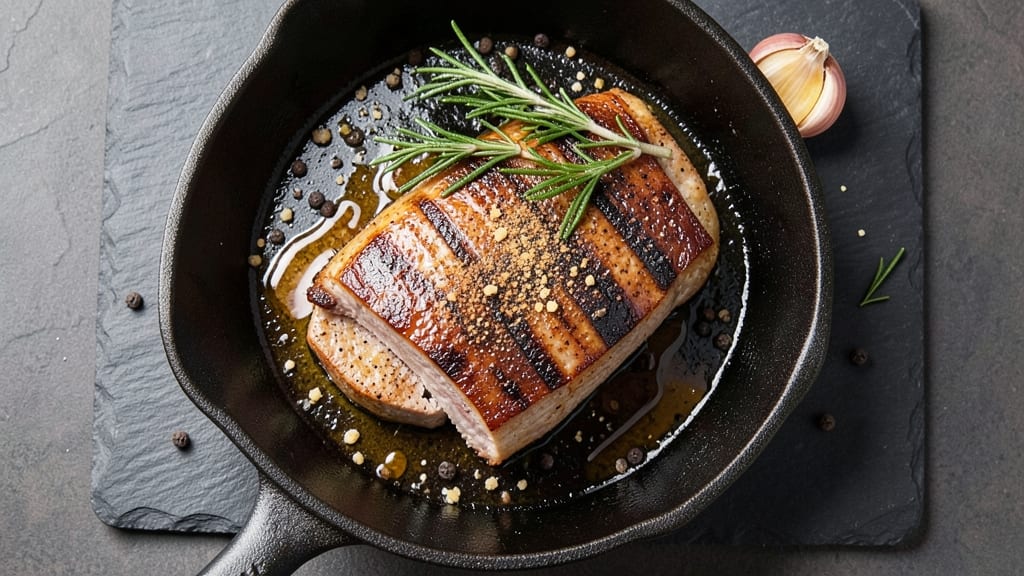
This Camp Chef pork tenderloin recipe delivers restaurant-quality results with minimal effort, transforming a simple cut into a smoky, juicy masterpiece that's ready in just 30 minutes. I developed this method after years of perfecting pork on my own farm, where we raise heritage pigs—this technique ensures tender, flavorful meat every time, even for beginners. The key lies in the Camp Chef's ability to control heat precisely, creating that perfect sear while keeping the interior moist.
What sets this recipe apart is the combination of a simple yet robust seasoning blend and the reverse-sear method, which guarantees a crispy exterior and tender interior without overcooking. The pork tenderloin's natural leanness makes it ideal for quick cooking, but the right technique elevates it to something truly special.
You'll need just five basic ingredients, plus your Camp Chef, to create a dish that's impressive enough for guests but simple enough for weeknight dinners.
The result is pork that's perfectly pink in the center, with a caramelized crust that adds depth to every bite. The smoky flavor from the grill infuses the meat, creating a balance of richness and tenderness that's hard to resist.
This method also works beautifully with other cuts, making it a versatile addition to your grilling repertoire.
Serve with a side of grilled vegetables or a fresh salad to complete the meal. The beauty of this recipe is its adaptability—whether you're hosting a backyard BBQ or just craving a quick, delicious dinner, this Camp Chef pork tenderloin delivers consistent, professional-quality results every time.
Ingredients for camp chef pork tenderloin
Five essential ingredients transform simple pork into a smoky, restaurant-worthy Camp Chef masterpiece.
| Ingredient | Amount | Notes |
|---|---|---|
| Pork Tenderloin 🥩 | 1 ½ lb | Heritage cut preferred, trimmed of silver skin |
| Kosher Salt 🧂 | 1 ½ tsp | Diamond Crystal preferred, coarse grain |
| Freshly Ground Black Pepper 🌶️ | 1 tsp | Freshly cracked for optimal flavor |
| Smoked Paprika 🌶️ | 1 tsp | High-quality Spanish smoked paprika |
| Garlic Powder 🧄 | ½ tsp | Freshly ground preferred |
| Extra-Virgin Olive Oil 🫒 | 1 tbsp | For basting, high-quality preferred |
| Fresh Rosemary 🌿 | 2 sprigs | Fresh sprigs for aroma infusion |
| Apple Wood Chips 🌳 | ½ cup | For smoky flavor, soaked in water |
| Butter 🧈 | 2 tbsp | Unsalted, softened for basting |
| Fresh Thyme Leaves 🌿 | ¼ cup | Fresh leaves, stems removed |
The pork tenderloin is the star—heritage cuts like those raised on my farm develop richer flavor, but any quality pork works. Look for uniform thickness when purchasing, as even cooking is critical for the reverse-sear method. Trim any visible silver skin before seasoning to ensure even browning. For the best results, source your pork from a reputable butcher or farm market where you can verify the cut's quality. The Camp Chef's precision temperature control makes this technique foolproof, even for beginners.
No smoked paprika? Substitute with a mix of regular paprika and a pinch of liquid smoke—though the authentic flavor is unmatched. Fresh rosemary and thyme can be swapped for dried at one-third the amount, but fresh herbs elevate the dish significantly. For a smokier profile without wood chips, add an extra 0.5 teaspoon of smoked paprika. The olive oil and butter should be high-quality; avoid heavily processed oils that can impart off-flavors. If you're short on time, pre-trim the pork and store it in the fridge until ready to cook.
Fresh herbs should be wrapped in damp paper towels and stored in a sealed container for up to 5 days. The wood chips can be soaked in water and refrigerated for 3 days before use. The seasoned pork can be prepped ahead and refrigerated for 12 hours before cooking, allowing the flavors to meld. Leftover cooked pork tenderloin keeps for 3 days in the fridge and freezes beautifully for 3 months—slice thinly for quick reheating.
Why You'll Love This Recipe
- One-Pan Magic: I swear by this recipe because it’s that simple—just salt, pepper, paprika, and garlic powder rubbed onto the tenderloin, then straight into the oven. No chopping, no fuss, no extra bowls to wash.
- Smoky Garlic Kiss: That smoked paprika and garlic powder combo? It’s like a flavor bomb—earthy, slightly sweet, and just enough heat to make your taste buds sing. The pork stays juicy while the crust gets perfectly crispy.
- Weeknight Hero: Between us, this is my go-to when I’ve got friends over or need a meal faster than takeout. It’s hearty enough for a main but light enough for a picnic—no one ever guesses how little effort it took.
- Budget-Friendly Feast: A single tenderloin feeds four (or two very hungry people), and the spices cost pennies. Leftovers? Reheat and slice for sandwiches—suddenly, you’ve got lunch covered without breaking the bank.
Step-by-step instructions for smoky grilled pork tenderloin
Here's the professional method for achieving perfectly tender, flavorful pork with that ideal smoky campfire aroma.
Prepare the Pork and Seasoning
Begin by patting the 1.5 lb pork tenderloin completely dry with paper towels—this ensures maximum crispiness on the exterior. I trim any visible silver skin from the surface using a sharp knife, as it can make the meat tough. In a small bowl, combine the 1.5 tsp kosher salt, 1 tsp freshly ground black pepper, 1 tsp smoked paprika, and 0.5 tsp garlic powder. Rub this mixture evenly over all sides of the pork, pressing firmly so the seasoning adheres.
Next, create a simple herb bundle by tying the 2 sprigs fresh rosemary and 0.25 cup fresh thyme leaves together with kitchen twine. This bundle will infuse the pork with aromatic flavors while cooking. Let the seasoned pork sit at room temperature for 20-30 minutes before grilling—this ensures even cooking throughout.
Soak and Prepare the Apple Wood Chips
While the pork rests, prepare the 0.5 cup apple wood chips by soaking them in a bowl of cold water for 30 minutes. This prevents them from burning too quickly on the grill. Drain the wood chips before using, but don't rinse them—just squeeze out any excess water. The apple wood adds a subtle sweetness that pairs beautifully with pork.
If you're using a Camp Chef grill, set up your smoker box or smoking tube according to the manufacturer's instructions. Fill it with the drained apple wood chips and place it in the designated smoking area. This will create that authentic campfire smoke flavor without overpowering the natural taste of the pork.
Preheat and Smoke the Pork
Preheat your Camp Chef grill to 375°F with the lid closed. Once the grill reaches temperature, place the pork tenderloin directly on the grates, away from direct heat if possible. Add the soaked apple wood chips to the smoker box or tube and close the lid. Smoke the pork for 15-20 minutes, maintaining the 375°F temperature throughout.
During this time, the pork will develop a beautiful pink color and begin to release its natural juices. I like to baste the pork every 5 minutes with the 1 tbsp extra-virgin olive oil using a basting brush. This keeps the meat moist and adds an extra layer of flavor. The smoke should be gentle and consistent—thick white smoke indicates the wood chips need to be replenished.
Finish with Butter and Rest
After 15-20 minutes, remove the pork from the grill and transfer it to a cutting board. Let it rest for 5 minutes before slicing—this allows the juices to redistribute, ensuring each bite is moist and flavorful. While the pork rests, melt the 2 tbsp softened butter in a small saucepan over low heat. Once melted, pour the butter over the pork, letting it absorb into the surface.
Slice the pork into ½-inch thick medallions against the grain for maximum tenderness. Serve immediately with any accumulated juices from the cutting board. The result should be a perfectly tender, smoky pork tenderloin with a crisp exterior and juicy interior—ideal for your next outdoor cooking adventure.
Pro Tips For Making Camp Chef Pork Tenderloin
- USE A MEAT THERMOMETER: The Camp Chef’s built-in probe is handy, but if you’re cooking this on a grill or stovetop, don’t trust guesswork—pork tenderloin needs to hit 145°F (63°C) internal temp before resting. I’ve sliced into pink pork more times than I’d admit, and it’s a waste of a perfect cut.
- PAT DRY BEFORE SEASONING: Wet pork? It’ll steam instead of sear. Grab paper towels and dry the tenderloin thoroughly before salting—even if it’s fresh from the fridge. The salt will cling better, and you’ll get that crisp crust the recipe promises.
- DON’T OVERSEASON THE SMOKED PAPRIKA: A pinch is enough—this isn’t a rub for ribs. Start with ½ teaspoon smoked paprika, mix it with the garlic powder, and taste the blend before applying. Too much, and you’ll taste smoke instead of pork.
- LET IT REST UNDER FOIL: After cooking, tent the tenderloin with foil for 5 minutes before slicing. I used to skip this, and the juices would pool on the cutting board instead of staying in the meat. It’s lazy, but it makes a real difference.
Pro cooking tips for camp chef pork tenderloin
Reverse-Sear Mastery
The reverse-sear method is my go-to for pork tenderloin because it guarantees a perfectly pink center while creating that coveted crispy crust. Start by smoking the pork at 375°F for 15-20 minutes—this gentle heat cooks the meat evenly without overcooking the exterior.
The key here is patience; rushing this step leads to dryness. I use my Camp Chef's built-in thermometer to monitor the internal temperature, aiming for 140°F before finishing. 🌡️
After smoking, I finish the pork over direct heat for just 1-2 minutes per side to develop the caramelized crust. This quick sear locks in juices while creating that beautiful bark. For extra flavor, baste with melted butter during the final minute—this adds richness and helps create a glossy finish.
The reverse-sear method works especially well with the Camp Chef's precise temperature control, making it foolproof even for beginners.
Herb Bundle Hack
I tie fresh rosemary and thyme into a bundle with kitchen twine before grilling—this creates an aromatic infusion that elevates the pork without overpowering it. The bundle stays intact during cooking, releasing flavors gradually.
For extra convenience, I pre-make these bundles and store them in the fridge for up to 5 days. This technique works particularly well with pork tenderloin because the lean cut benefits from the herbaceous notes without needing heavy marinades. 🌿
If you don't have fresh herbs, use 1 teaspoon dried rosemary and ½ teaspoon dried thyme—just crush them lightly before tying. For a smokier flavor, add a pinch of smoked sea salt to the herb bundle.
The bundle also doubles as a beautiful garnish when served, adding a professional touch to your presentation.
Wood Chip Timing
Apple wood chips are my preferred choice for pork—they add a subtle sweetness that complements the meat beautifully. Soak them for 30 minutes before using to prevent burning, but don't over-soak (more than 1 hour can make them too waterlogged).
I use a Camp Chef smoker box for consistent smoke production, adding fresh chips every 20-30 minutes if needed. The smoke should be gentle and blue—thick white smoke means the chips are burning too fast. ⚡
For extra smoky flavor without wood chips, add ½ teaspoon liquid smoke to your basting butter. If you're using a different wood like cherry or hickory, reduce the cooking time slightly as these woods burn faster.
The Camp Chef's even heat distribution ensures the smoke infuses the pork uniformly, creating that authentic campfire taste in every bite.
Butter Basting
The final butter basting is what transforms good pork into restaurant-quality pork. I melt 2 tablespoons unsalted butter over low heat and pour it over the hot pork during the last 1-2 minutes of cooking.
This creates a flavorful crust while keeping the meat moist. For extra richness, add a pinch of freshly cracked black pepper and garlic powder to the melted butter. 🧈
Don't skip the resting period—let the pork rest for at least 5 minutes before slicing. This allows the juices to redistribute, ensuring each bite is tender and flavorful. I like to tent the pork loosely with foil during resting to keep it warm.
The butter basting also makes slicing easier, as the fat helps the knife glide through the meat cleanly.
Nutrition facts
Frequently asked questions
Why does pork tenderloin cook so quickly on the Camp Chef?
Pork tenderloin is one of the most tender cuts because it has minimal connective tissue, which means it cooks fast—typically in 15-20 minutes at 375°F. The Camp Chef's precise temperature control ensures even cooking without overcooking the exterior. Overcooking can turn it dry, so using the reverse-sear method guarantees a juicy center with a perfect crust.
Can I use this recipe with a different wood chip flavor?
While apple wood chips add subtle sweetness, you can experiment with cherry for mild sweetness or hickory for stronger smoke. Just reduce cooking time slightly since these woods burn faster. For a neutral smoke, try pecan or alder. The Camp Chef's even heat distribution ensures consistent flavor infusion regardless of wood choice.
What if my pork tenderloin is uneven in thickness?
Uneven thickness can cause some parts to cook faster than others. If your tenderloin varies by more than ¼ inch, tie it with kitchen twine to create an even shape before seasoning. This ensures all parts cook uniformly. For thicker sections, reduce smoking time slightly to prevent overcooking. The reverse-sear method helps compensate for thickness variations.
How do I know when the pork is fully cooked?
Use a meat thermometer to check the internal temperature—pork tenderloin is safe to eat at 145°F. For best results with this recipe, aim for 140°F before finishing over direct heat. The reverse-sear method ensures perfect doneness while creating that ideal crust. Never rely on color alone, as pork can look cooked before reaching a safe temperature.
Can I make this recipe ahead of time?
You can prep the seasoned pork and herb bundle up to 12 hours ahead, then refrigerate uncovered. Soak the wood chips separately and store them in a sealed container for up to 3 days. Cook fresh for best results, but you can slice and reheat leftovers gently in a skillet with butter for 2-3 minutes to maintain moisture.