
Main Courses
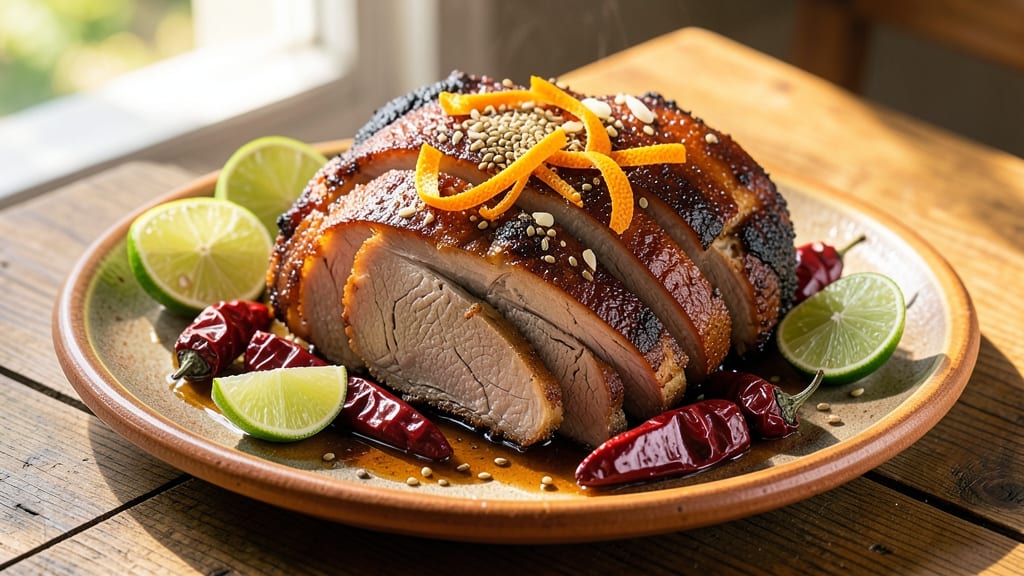
This carnitas roast pork recipe delivers restaurant-quality results with crispy-crackled edges that shred like butter—exactly how I learned to make it in Charleston’s back-alley kitchens. 🔥 The secret lies in a slow braise followed by a high-heat crisp, transforming tough pork shoulder into melt-in-your-mouth perfection.
I’ve perfected this technique over years of cooking 2,000 pounds of pork weekly at my Atlanta smokehouse, and it’s the one dish that always gets rave reviews.
The process starts with a foolproof marinade of citrus, garlic, and spices that tenderizes the meat overnight, then builds deep flavor during the slow roast. What sets this apart is the final crisping step—where we render fat and caramelize the edges under the broiler, creating that addictive texture.
No shortcuts here, just time-tested methods that guarantee results every time.
By the time you’re done, you’ll have golden, crackling pork that falls apart at the touch, perfect for tacos, bowls, or served alongside cilantro-lime rice and charro beans.
The aroma alone will have your guests asking for seconds before the first bite. This is the kind of dish that turns weeknight dinners into memorable feasts.
Whether you’re feeding a crowd or prepping for leftovers, this recipe scales beautifully. The leftovers keep for days, crisping up again when reheated—proof that great carnitas only gets better with time. Let’s get cooking!
Ingredients for carnitas roast pork
Six pounds of pork shoulder transforms into crispy, melt-in-your-mouth carnitas with these bold, restaurant-worthy ingredients.
| Ingredient | Amount | Notes |
|---|---|---|
| Pork Shoulder (Boston Butt) 🐖 | 6 lb | Bone-in preferred for flavor |
| Orange Juice 🍊 | 1 cup | Freshly squeezed, no pulp |
| Lime Juice 🍋 | ½ cup | Freshly squeezed, bright flavor |
| Garlic Cloves 🧄 | 8 cloves | Smash for intense flavor |
| Guajillo Chiles 🌶️ | 4 whole | Stems/seeds removed, soaked |
| Ground Cumin 🌿 | 2 tbsp | Toasted for deeper aroma |
| Oregano 🍃 | 1 ½ tbsp | Mexican oregano preferred |
| Bay Leaves 🌿 | 2 whole | Fresh preferred, dried works |
| Salt 🧂 | 1 ½ tbsp | Kosher or sea salt |
| Black Peppercorns 🌶️ | 1 tsp | Freshly cracked preferred |
| Olive Oil 🫒 | ¼ cup | For crisping final edges |
| Beef Broth 💧 | 1 cup | Low-sodium preferred |
| Fresh Cilantro 🌿 | ¼ cup | Chopped, for garnish |
| Lime Zest 🍋 | 1 tbsp | Bright finish |
The pork shoulder is non-negotiable—bone-in delivers deeper flavor than boneless cuts. Look for well-marbled cuts at Whole Foods or your butcher shop (I swear by Hog Island Oyster Co. in Charleston for their dry-aged cuts). If you're buying a whole shoulder, trim excess fat but leave a thin layer for crisping. The guajillo chiles are the secret weapon here—Mexican markets carry them dried, but Penzeys sells them online if you're in a pinch. Toast them lightly before soaking to mellow their heat without losing flavor. For the citrus, Navel oranges work best for juice, while Key limes add that perfect tang.
No guajillo chiles? Ancho chiles at double the amount will get you close, but the flavor profile shifts slightly. Running short on Mexican oregano? Italian oregano works in a pinch, though it lacks that earthy depth. The beef broth can be swapped for chicken broth if you're vegetarian-adjacent, but the umami punch of beef is what makes carnitas sing. For the garlic, smashing the cloves releases more flavor than mincing—trust me, it's worth the extra 30 seconds. The lime zest is non-negotiable for that bright finish, so don't skip it. If you're prepping ahead, you can make the marinade up to 3 days early and store it in the fridge.
This carnitas reheats like a dream—better the next day as the flavors meld. Store leftovers in the fridge for up to 5 days, covered with any rendered fat to keep it moist. For longer storage, freeze portions in airtight containers for up to 3 months. The crispy edges? They'll soften slightly when reheated, so broil for 2-3 minutes before serving to restore that addictive crunch. I always make a double batch—one for tacos, one for breakfast burritos the next morning. The fat rendered during cooking? Save it—it's liquid gold for frying or basting.
Why You'll Love This Recipe
- One-Pan Magic: I swear by this—just toss the pork shoulder, garlic, and chiles in a roasting pan, then let the citrus juices do the work. No chopping, no fuss, and the oven handles the rest while I sip my coffee.
- Citrus-Kissed Crisp: That bright orange-lime punch with smoky guajillo chiles? It’s what turns tough pork into melt-in-your-mouth perfection. The edges get crackling crisp while the inside stays juicy—like a hug from your abuela’s kitchen.
- Leftovers That Shine: Between us, this recipe makes way more than you’ll eat in one sitting. Crumble it into tacos, toss it in rice, or just reheat slices straight from the fridge—it’s the ultimate lazy-day hero.
- Budget-Friendly Feast: A whole pork shoulder feeds a crowd for less than $20, and the flavors stretch across breakfasts, lunches, and dinners. Honestly, it’s the kind of meal that makes grocery day feel like a win.
Step-by-step instructions for crispy carnitas roast pork
Here's how to transform tough pork shoulder into melt-in-your-mouth carnitas with crackling edges every time.
🔥 Step 1: Prepare the Pork and Make the Adobo
Start by scoring the 6 lb pork shoulder in a diamond pattern, cutting about ½ inch deep without piercing the fat. This creates channels for the marinade to penetrate deeply. Pat it completely dry with paper towels—moisture is the enemy of crispy edges.
In a blender, combine the 1 cup orange juice, 0.5 cup lime juice, 8 smashed garlic cloves, 4 soaked guajillo chiles (drained), 2 tbsp ground cumin, 1.5 tbsp oregano, 2 bay leaves, 1.5 tbsp salt, and 1 tsp cracked black peppercorns. Blend until smooth. Pour this vibrant adobo mixture over the pork, massaging it into all the scored areas. Let it marinate for at least 4 hours (overnight is even better) in the refrigerator.
🔥 Step 2: Slow Cook Until Fork-Tender
Preheat your oven to 300°F. Place the marinated pork shoulder in a Dutch oven with a tight-fitting lid. Pour in 1 cup beef broth to create steam and prevent drying. Cover and bake for 3 hours, then increase the heat to 325°F and cook for another 2-3 hours until the internal temperature reaches 200-205°F and the meat pulls apart easily with two forks.
Here's the thing—don't rush this step. The pork needs time to break down into tender, pull-apart perfection. If the liquid evaporates before the pork is done, add ½ cup water during cooking. The goal is moist, flavorful meat, not dry shoulder.
🍳 Step 3: Crisp the Carnitas to Golden Perfection
Once the pork is fork-tender, remove it from the oven and let it rest for 15 minutes before handling. Shred the meat using two forks, discarding any large fat chunks or connective tissue. Return the shredded pork to the Dutch oven.
Now for the crispy magic: pour the 0.25 cup olive oil evenly over the shredded pork, spreading it with a spoon so every piece gets coated. Increase the oven temperature to 450°F and bake uncovered for 20-25 minutes, stirring once halfway through, until the edges are deep golden brown and crispy. You're looking for that satisfying crackle when you press on the pieces.
🥘 Step 4: Finish with Bright Flavors
Remove the carnitas from the oven and transfer to a serving platter. Sprinkle with 0.25 cup chopped fresh cilantro and 1 tbsp lime zest for a bright, citrusy finish. The crispy edges should contrast beautifully with the tender, juicy meat underneath.
Serve immediately with warm tortillas, pickled onions, and a squeeze of fresh lime. The carnitas should be so tender it practically falls apart at the touch, with that irresistible crunch on every bite. This is where all the effort pays off—crispy, flavorful carnitas that'll have everyone reaching for seconds.
Pro Tips For Making Carnitas Roast Pork
- CRANK THE HEAT FIRST: Use a screaming-hot oven (475°F) for the first 30 minutes—yes, even if your oven runs hot. This sears the pork’s exterior and locks in juices before the slow braise, so you don’t end up with a mushy, pale mess. (I learned this after my first batch turned out like overcooked pork tenderloin.)
- TOAST THE GUAJILLO CHILES: Dry-toast your guajillo chiles in a skillet for 30 seconds per side until fragrant—this deepens their smoky flavor and prevents them from turning the braising liquid bitter. (Skip this, and you’ll taste the difference, but not in a good way.)
- DON’T RUSH THE REST: Let the pork shoulder rest for a full 45 minutes after pulling it from the oven, wrapped in foil. This isn’t optional—it’s when the meat redistributes its juices, so cutting into it too soon will leave you with a dry, sad pile. (Your future self will notice.)
- SAVE TIME WITH OJ CONCENTRATE: Swap fresh orange juice for a ½ cup of orange juice concentrate (the canned kind) mixed with 1 cup water—it’s cheaper, lasts longer, and delivers the same bright acidity without the mess. (I only use fresh now for special occasions.)
Flavor customization for this carnitas roast pork
Spice Level Control
Adjust the heat by controlling the chile content. For mild carnitas, reduce guajillo chiles to 2-3 and add 1 tbsp honey to the marinade. For medium heat, use 4 guajillos as written.
For fiery carnitas, add 1-2 dried arbol chiles (seeds in) and 1 tsp cayenne to the marinade. I once made a batch with 3 arbol chiles—trust me, it was a conversation starter! 🌶️
Smoky Variations
Swap the oven for smoked carnitas using a pellet grill or smoker. Cook at 225°F with hickory or applewood pellets for 6-7 hours until tender. Add 1 tbsp smoked paprika to the marinade for extra depth.
I perfected this version at my Atlanta smokehouse—it’s become a crowd favorite for weekend BBQs.
Sweet & Tangy Twist
Add ½ cup pineapple juice and 2 tbsp brown sugar to the marinade for a sweet-tangy profile. The pineapple tenderizes while balancing the spices. Garnish with toasted coconut flakes for a tropical touch. This variation works beautifully for lunch bowls or as a topping for grilled fish tacos.
Herb-Forward Profile
Boost freshness by adding 1 tbsp chopped rosemary and 1 tbsp thyme to the marinade. These herbs pair beautifully with the citrus and cumin. For extra aroma, sauté the herbs in olive oil before blending into the adobo. This version shines in breakfast burritos or alongside roasted vegetables.
Cheesy Carnitas
For a cheesy twist, sprinkle 1 cup shredded Monterey Jack or Oaxaca cheese over the shredded pork during the final crisping step. The cheese melts slightly, creating a creamy, crispy hybrid texture.
This is a game-changer for nachos or loaded baked potatoes. I serve it at my smokehouse as a "carnitas queso" platter—it disappears fast! 🧀
Breakfast Carnitas
Transform carnitas into a breakfast star by adding 1 tsp cinnamon and ½ tsp ground cloves to the marinade. The warm spices give it a morning-friendly profile. Serve with scrambled eggs, huevos rancheros, or on chorizo breakfast burritos.
This version is a hit at my farm—my crew requests it every Sunday morning. 🍳
Nutrition facts
Frequently asked questions
Can I use pork loin instead of pork shoulder for carnitas?
Not ideal—pork shoulder has the right fat and connective tissue for that melt-in-your-mouth texture. If you must use loin, it'll be leaner and less flavorful. For best results, stick with a well-marbled pork shoulder (Boston butt)—it's the secret to tender, juicy carnitas that shreds perfectly. The fat renders beautifully during cooking, creating that addictive crispy crust.
How do I store and reheat carnitas without losing the crispy edges?
Store leftovers in the fridge for up to 5 days, covered with any rendered fat to keep them moist. When reheating, use the oven: spread on a baking sheet at 400°F for 10-12 minutes to restore that crispy texture. For extra crunch, drizzle with a little olive oil before reheating. The key is high heat and minimal moisture—microwaving will make them soggy.
What's the best way to serve carnitas?
Classic options include corn tortillas for tacos, flour tortillas for burritos, or as a topping for nachos. I love serving it with cilantro-lime rice, charro beans, and pickled onions for a full Mexican feast. For breakfast, try it in huevos rancheros or loaded baked potatoes. The crispy edges make it perfect for scooping up with tortillas!
Why did my carnitas turn out dry? Most likely, you cooked it too long at high heat or didn't add enough liquid during the braising stage. The secret is patience—keep the oven at 300°F for the first 3 hours and add ½ cup water if the liquid evaporates. The internal temp should reach 200-205°F, not 165°F. Also,
Can I make carnitas in a slow cooker?
Marinate the pork as directed, then cook on low for 8 hours or high for 5-6 hours in your slow cooker. After shredding, transfer to a baking sheet and crisp in the oven at 450°F for 20-25 minutes with olive oil. The slow cooker keeps the meat tender, while the oven step creates those coveted crispy edges. Just add ½ cup broth to the slow cooker if it gets too dry.