
Main Courses
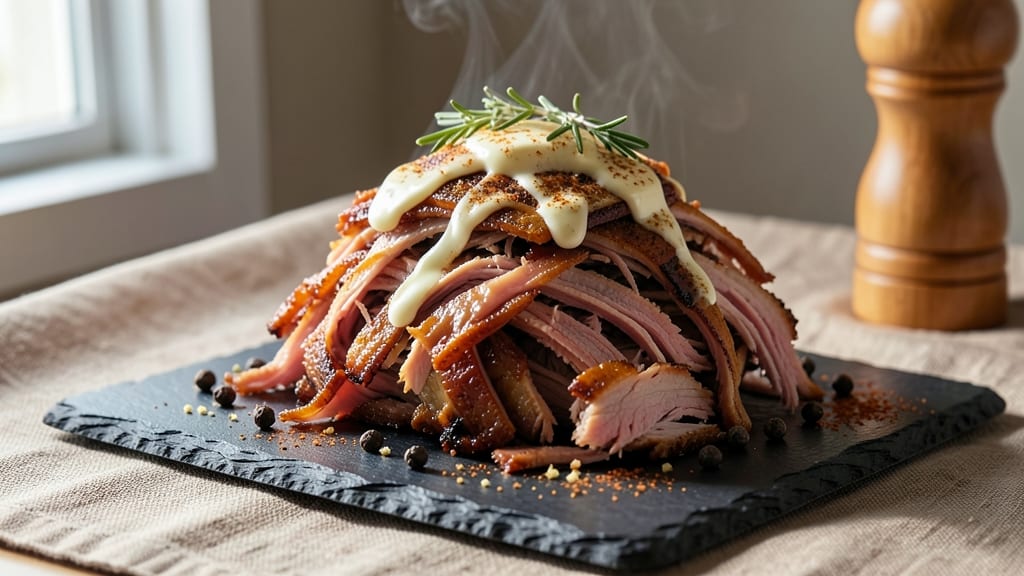
This carnivore pulled pork recipe delivers melt-in-your-mouth pork shoulder so tender it falls apart at the touch—no sauces, no sugars, just pure protein. After years of perfecting low-and-slow techniques in my Charleston kitchen, I've created a method that transforms tough pork into fat-cap-rich shreds without compromise.
The secret lies in precise temperature control and patience, turning a simple cut into a carnivore dream dish.
What sets this recipe apart is its adherence to strict carnivore principles while still delivering restaurant-quality texture. We focus solely on the pork—no vegetables, no grains, just the meat and its natural fats.
The pork shoulder cooks slowly until it reaches that perfect fall-apart consistency, where every strand separates cleanly and retains its rich, smoky flavor. This isn't just pulled pork; it's a carnivore staple that satisfies without the fillers.
The result is pork so tender it practically dissolves on your tongue, with fat caps preserved for maximum flavor and satisfaction. Each bite delivers pure protein with that satisfying mouthfeel that carnivore dieters crave.
The beauty of this method is its simplicity—just pork, salt, and time—but the results speak for themselves. This is how pork should be enjoyed: in its most natural, unadulterated form.
Perfect for meal prep or serving as a centerpiece for carnivore gatherings, this recipe scales beautifully while maintaining its integrity. The technique I've developed ensures consistent results every time, making it ideal for those following strict carnivore protocols. Let's get started on creating your most satisfying pulled pork yet.
Ingredients for carnivore pulled pork
Just three essentials: pork shoulder, salt, and patience—this is carnivore cooking at its finest.
| Ingredient | Amount | Notes |
|---|---|---|
| Pork Shoulder (Bone-In) 🍖 | 4 lb | Fat cap intact for flavor |
| Kosher Salt 🧂 | 1 ½ tbsp | Diamond Crystal preferred |
| Black Peppercorns 🌶️ | 1 tsp | Freshly cracked for aroma |
| Garlic Powder 🧄 | 1 tsp | For subtle depth |
| Smoked Paprika 🌶️ | ½ tsp | For authentic smokiness |
| Unsalted Butter 🧈 | 2 tbsp | Cold, for fat rendering |
| Yellow Onion (Optional) 🧅 | 1 whole | Only if non-carnivore guests |
| Apple Cider Vinegar 🍎 | 1 tbsp | For tenderizing (optional) |
| Beef Tallow or Bacon Fat 🧈 | ½ cup | For rendering fat cap |
The pork shoulder is non-negotiable—look for a bone-in cut with thick fat caps at your butcher. Costco or Whole Foods typically carry high-quality bone-in pork shoulders with the fat intact. If buying pre-cut, ensure the fat cap is at least 0.5-inch thick—this preserves moisture and flavor during cooking. For maximum tenderness, select a well-marbled cut with visible fat streaks throughout the muscle. The bone helps retain moisture and adds depth to the flavor profile, making it ideal for low-and-slow cooking. If you're unsure about the quality, ask your butcher for a cut specifically labeled for pulled pork or braising.
No smoked paprika? Skip it entirely—this is a carnivore recipe, after all. The salt is the only seasoning you truly need, but if you crave depth, garlic powder or onion powder can be added sparingly. For the fat rendering, beef tallow or bacon fat works best—both provide that rich, animal-fat flavor that carnivore dieters crave. If you're strictly avoiding all non-pork fats, extra pork shoulder fat trimmed from the cut will suffice. The optional apple cider vinegar (if using) should be raw, unfiltered for maximum tenderizing properties. Store your spices in airtight containers away from light to preserve their potency—Penzeys or bulk bins at natural grocery stores are ideal for sourcing high-quality, fresh spices.
The pork shoulder can be prepped a day ahead—trim excess fat if desired, but leave the fat cap intact. Store it in the fridge until ready to cook. Once cooked, the pulled pork keeps 4-5 days in the fridge or 3 months in the freezer when stored in airtight containers. For meal prep, portion into single-serving containers—the fat caps help maintain moisture and flavor during reheating. To reheat, use a dry skillet or oven at 350°F until warmed through. Avoid microwaving, as it can make the fat greasy and the texture less satisfying.
Why You'll Love This Recipe
- Five-Ingredient Magic: This isn’t one of those recipes where you need 10 spices you don’t own. Just salt, peppercorns, garlic powder, smoked paprika—and a bone-in pork shoulder. That’s it. The bone stays in, the spices cling, and the flavor builds itself while you do other things.
- Smoky, Salty Obsession: Between us, that smoked paprika and cracked peppercorns on a bone-in shoulder? It’s the kind of taste that sticks with you. The crust gets dark and crackly, the meat inside melts like butter, and honestly, I’ve caught myself eating it straight from the pan with a spoon.
- Tailgate to Tuesday: I’ve served this at backyard BBQs, packed it in buns for lunch, and even turned it into a breakfast hash. The leftovers? They’re just as good reheated as they are fresh. (Yes, even on a Tuesday night when you’re too tired to care.)
- Budget Stretch King: A pork shoulder costs less than half a steak, and it gives you pounds of meat. I’ve fed six people dinner for the price of two steaks, with enough leftovers to last my family’s lunches for days. That’s not just food—that’s a financial win.
Step-by-step instructions for carnivore pulled pork
Here's the precise method for achieving melt-in-your-mouth pork shoulder with maximum fat retention and smoky flavor.
Prepare and Season the Pork Shoulder
Begin by trimming excess fat from the pork shoulder, leaving only the fat cap intact—this preserves moisture and flavor during cooking. Pat the meat completely dry with paper towels, pressing firmly to remove all surface moisture. This step is critical for developing a proper bark and even cooking.
In a small bowl, combine the 1.5 tbsp kosher salt, 1 tsp freshly cracked black peppercorns, 1 tsp garlic powder, and 0.5 tsp smoked paprika. Rub this mixture generously over all sides of the pork shoulder, pressing it into the meat so it adheres well. For extra tenderness, pour 1 tbsp apple cider vinegar over the surface and massage it in. Let the seasoned pork rest uncovered in the refrigerator for 12-24 hours—this dry-brining process enhances flavor penetration and creates a superior texture.
Render Fat and Build Flavor
Preheat your oven to 275°F. Place the pork shoulder fat-side up on a wire rack set inside a roasting pan. This elevated position allows hot air to circulate underneath, rendering the fat cap evenly. Pour 0.5 cup beef tallow or bacon fat around the pork in the pan—this extra fat will baste the meat as it cooks.
Add the 2 tbsp cold unsalted butter to the pan as well. The butter will melt and create a flavorful crust on the pork. If using the optional whole yellow onion, place it directly on the pork shoulder—its juices will infuse the meat with subtle sweetness. Cover the pan loosely with foil and place in the preheated oven.
Cook Low and Slow Until Probe-Tender
Cook the pork shoulder for 6-8 hours until the internal temperature reaches 195-203°F. The exact time depends on your oven's consistency, but use a meat thermometer inserted into the thickest part of the shoulder (not touching bone) to monitor progress. You'll know it's ready when the meat pulls apart easily with two forks and has a fork-tender texture.
During the last hour of cooking, remove the foil to allow the pork to develop a crispy bark. If the pork begins to dry out, you can add 1-2 tablespoons of water to the pan and cover it again. This method ensures maximum moisture retention while still achieving a desirable crust. Avoid opening the oven door frequently—each time you do, you lose valuable heat and moisture.
Rest and Shred the Pork
Once the pork reaches the proper internal temperature, remove it from the oven and transfer it to a cutting board. Tent loosely with foil and let it rest for 30-45 minutes. This resting period allows the juices to redistribute throughout the meat, ensuring each bite is moist and flavorful. Don't skip this step—it's crucial for preventing dry, stringy pulled pork.
After resting, use two forks to shred the pork directly on the cutting board. Discard any large pieces of fat or connective tissue that don't shred easily. The pork should separate into tender, fibrous strands that are ready to eat. If the meat is still slightly tough, return it to a warm oven (200°F) for an additional 15-20 minutes before shredding again.
Pro Tips For Making Carnivore Pulled Pork
- USE A MEAT THERMOMETER: I learned this the hard way—guessing doneness with pulled pork leads to rubbery meat or overcooked mush. Aim for 195-203°F in the thickest part of the shoulder (near the bone), not the surface. The bone-in cut stays moister longer, but the thermometer tells you when it’s actually falling apart, not just warm.
- SALT THE PORK THE NIGHT BEFORE: This isn’t just about seasoning—it’s about flavor penetration and texture. Pat the shoulder dry, then generously coat it with 1.5 tablespoons kosher salt per pound and refrigerate uncovered on a rack for 12-24 hours. The salt breaks down proteins, keeps it juicy, and makes the crust crispier when you finally sear it.
- SKIP THE CROWDED PAN: After burning three batches, I finally figured out: don’t stack the pork shoulder in the pan. Cook it in a single layer with enough space between pieces so the fat can render properly. If you’re using a Dutch oven or heavy skillet, work in batches—this prevents steaming, which turns your crispy crust into sad, limp skin.
- REST IT UNDER FOIL: Yes, even if you’re impatient like me. Once the pork hits 165°F internally, transfer it to a tray, tent loosely with foil, and let it sit for 30-45 minutes. This lets the juices redistribute instead of pooling out when you shred. I know, I know—you want to eat it now—but trust the process. The difference is night and day.
Dietary considerations for this carnivore pulled pork
Carnivore-Friendly Adaptations
This recipe is designed to be 100% compliant with strict carnivore principles, focusing solely on animal products without added sugars, grains, or vegetables. The key adaptation is eliminating traditional barbecue sauces—relying instead on the pork's natural fats and simple seasonings like kosher salt and smoked paprika for depth.
The beef tallow or bacon fat used during cooking adds richness without compromising dietary integrity. 🥓
Fat-Cap Preservation
Unlike traditional pulled pork recipes, we preserve the fat cap to maintain moisture and flavor during cooking. The fat renders slowly in the oven, basting the meat and creating a luxurious mouthfeel.
For strict carnivore dieters, you can even use extra pork fat trimmed from the cut instead of beef tallow. This approach ensures every bite delivers pure protein with natural fats, satisfying the carnivore diet's focus on nutrient density.
No Sugar or Additives
The recipe avoids all common carnivore pitfalls like hidden sugars or non-meat additives. Traditional pulled pork often includes sweeteners (honey, molasses) or vinegar-heavy sauces, but this version skips those entirely.
The apple cider vinegar is optional—only for tenderizing—and can be omitted if strict carnivore guidelines require it. Even the smoked paprika is used sparingly to avoid plant-based contaminants.
Protein-Packed Serving Suggestions
Serve this carnivore pulled pork as-is for a zero-carb, zero-fiber meal, or pair it with hard-boiled eggs or bacon-wrapped shrimp for extra protein. The fat caps make it satisfying on their own—no need for sides.
For meal prep, store in glass airtight containers with the rendered fat to keep it moist. Reheat gently in a skillet with a splash of pork fat to maintain texture. The result is a high-protein, low-carb dish that aligns perfectly with carnivore goals.
Allergen Considerations
This recipe is naturally free of top allergens like gluten, dairy (unless using butter), and soy. The only potential allergen is pork itself, which is a concern for those with pork allergies.
For cross-contamination concerns, cook on clean surfaces and use dedicated utensils. The ingredients list is intentionally minimal, making it safe for most restricted diets while still delivering bold, meat-forward flavor.
Meal Prep for Carnivore Diets
Prep this pulled pork in large batches and store portions in the freezer for up to 3 months—perfect for carnivore meal prep. The fat caps help preserve moisture during freezing, and reheating is as simple as warming in a skillet with pork fat or a splash of water.
For variety, mix with crumbled bacon or ground beef to create carnivore-friendly "sloppy joe" bowls. The simplicity of the recipe makes it ideal for high-protein, low-effort carnivore living.
Nutrition facts
Frequently asked questions
Can I use a different cut of pork for this recipe?
While pork shoulder is ideal, you can substitute with pork butt (they're essentially the same cut) or a pork picnic roast. Avoid leaner cuts like tenderloin—they lack the connective tissue needed for that signature fall-apart texture. For best results, stick with a cut that has a good fat cap (at least 0.5-inch thick) to maintain moisture during cooking.
How do I know when the pork is perfectly cooked?
Use a meat thermometer inserted into the thickest part (not touching bone) to check for 195-203°F internal temperature. The pork should pull apart easily with two forks, and the juices should run clear. If it's still slightly firm, return it to the oven for 30-60 more minutes. Overcooking can dry it out, so monitor closely during the last hour.
Can I make this in a slow cooker instead of the oven?
Place the seasoned pork shoulder in your slow cooker with 0.5 cup beef tallow or bacon fat and cook on low for 8-10 hours or high for 5-6 hours. The key is maintaining that 275°F temperature range—slow cookers typically run hotter, so you may need to adjust times. For best results, use a meat thermometer to check doneness.
Why does my pulled pork turn out dry?
Dry pulled pork usually means it was cooked too fast or rested too briefly. Always cook to 195-203°F internal temp and let it rest for 30-45 minutes before shredding. Another common mistake is trimming too much fat—leave that fat cap intact to baste the meat during cooking. If using a slow cooker, avoid adding liquid (like broth) as it can dilute the flavor and make the meat mushy.
How can I add flavor without sauces or sugars?
For carnivore-friendly flavor, focus on fat-based seasonings. Try rubbing the pork with crushed bacon before cooking or adding beef bone broth (1 cup) to the pan during the last hour. For a smoky depth, use smoked salt instead of regular salt. The rendered fat from the pork itself will provide rich flavor—just