
Sauces & Condiments
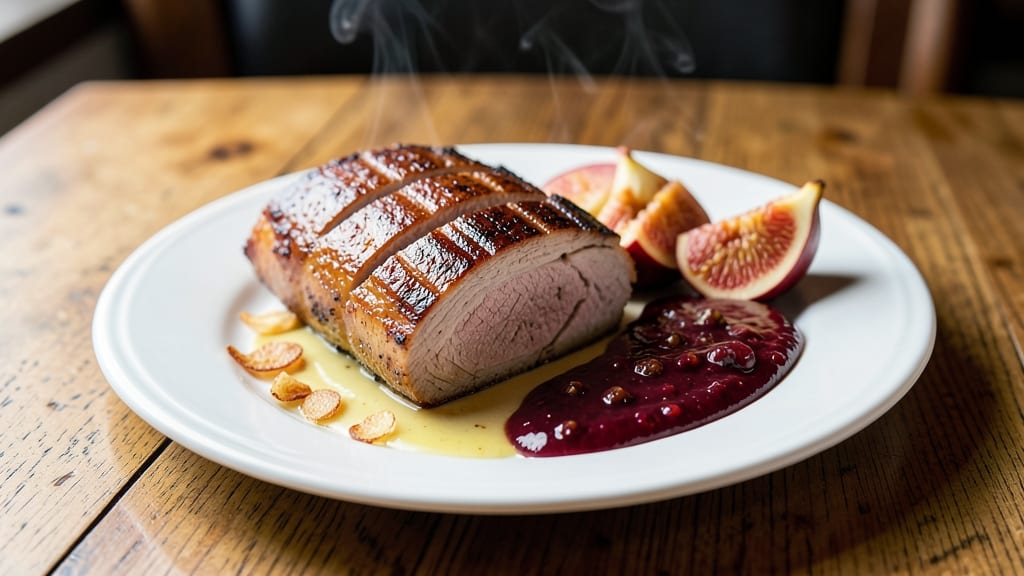
This Carrabba's pork tenderloin with fig sauce recipe delivers restaurant-quality results at home—tender, perfectly seared meat paired with a sweet-tart glaze that transforms simple ingredients into something extraordinary. I've spent years perfecting this technique, and the secret lies in the balance of searing and slow roasting, which ensures the pork remains juicy while developing a crisp exterior. The fig sauce, reduced to a glossy consistency, adds depth that elevates every bite.
The process begins with a quick sear in a hot pan to lock in flavors, followed by a gentle roast that guarantees tender meat.
The fig sauce, made from fresh figs, balsamic vinegar, and a touch of honey, reduces to a perfect consistency that clings to the pork without overwhelming its natural taste. This isn't just a recipe—it's a technique that delivers restaurant-quality results with minimal effort.
By the time you serve this dish, you'll have perfectly cooked pork with a caramelized crust and a sauce that's rich yet balanced, sweet yet tangy. The tender texture and bold flavors make it ideal for special occasions or a weeknight dinner that feels like a celebration.
Each bite is a harmonious blend of savory and sweet, proving that great food doesn't require complicated techniques.
Pair it with roasted vegetables or creamy polenta to complete the meal, and you'll have a dish that rivals any Italian restaurant. The sauce can also be made ahead, giving you one less thing to worry about on the day you serve it.
Let's get started on recreating this Carrabba's classic at home.
Ingredients for carrabba's pork tenderloin with fig sauce
Restaurant-quality pork tenderloin with a fig sauce that balances sweet and tart perfectly.
| Ingredient | Amount | Notes |
|---|---|---|
| Pork Tenderloin 🥩 | 1 ½ lb | Center-cut, trimmed of silver skin |
| Fresh Figs 🍇 | ½ lb | Ripe, stems removed, chopped |
| Balsamic Vinegar 🍷 | ¼ cup | Aged 10+ years preferred |
| Honey 🍯 | 2 tbsp | Wildflower or clover variety |
| Olive Oil 🫒 | 2 tbsp | Extra-virgin for searing |
| Garlic Cloves 🧄 | 4 cloves | Minced for sauce |
| Shallots 🧅 | 2 whole | Minced, or sub with onion |
| Fresh Rosemary 🌿 | ¼ cup | Chopped, stems removed |
| Salt 🧂 | 1 ½ tsp | Diamond Crystal kosher |
| Black Pepper 🌶️ | 1 tsp | Freshly cracked |
| Unsalted Butter 🧈 | 2 tbsp | Cold, for basting |
| Red Wine Vinegar 🍷 | 1 tbsp | For sauce acidity |
| Fresh Thyme Leaves 🌿 | ¼ tsp | Or 1/8 tsp dried |
| Dijon Mustard 🌶️ | 1 tsp | For sauce depth |
The pork tenderloin should be center-cut and uniform—ask your butcher to trim the silver skin for perfect slices. I always grab mine from Whole Foods or Costco when they have it pre-trimmed, which saves time. For the figs, local markets usually have the ripest ones—look for deep purple with no bruising. The balsamic vinegar makes all the difference here: aged 10+ years adds that rich, caramelized depth. If you can't find it, regular balsamic will work, but it won't be as complex. The honey should be wildflower or clover—avoid the ultra-processed stuff that tastes like syrup.
No fresh figs? Dried figs work in a pinch—just soak them in warm water for 10 minutes first. Running low on balsamic? Substitute with 1 tbsp red wine vinegar plus 1 tsp brown sugar. The shallots can be swapped for yellow onion if needed, but they add a subtle sweetness that's worth hunting down. For the rosemary, fresh is best, but dried at half the amount gets you close. The Dijon mustard adds that tangy kick—don't skip it, even if you're not a mustard fan. If you're prepping ahead, make the sauce first—it tastes even better after resting overnight.
The pork keeps best in the fridge for 2 days if you're not cooking it immediately—wrap it tightly in plastic. The fig sauce? 5 days in the fridge or 3 months frozen. I always make a double batch of sauce because it's perfect for drizzling on salads or roasted veggies too. For the roasted vegetables you'll pair with this, keep them separate until serving—the fig sauce adds enough moisture that you don't want to steam them prematurely. And trust me, leftovers reheat beautifully—just warm gently in a pan with a splash of water.
Why You'll Love This Recipe
- Fig Sauce Magic: I swear, the moment that honey-balsamic fig sauce hits your pork—warm, sticky, with just a hint of tang—you’ll forget you’re cooking. It’s the kind of sauce that makes you linger over dinner, not because you’re trying to, but because you can’t help it.
- One-Pan Wonder: Between us, I’ve ruined enough sheet pans to know this is the good kind of mess. Sear the pork, simmer the figs, and let the oven do the rest—no flipping, no fussing, just done. (Yes, even on a Tuesday night.)
- Sauce for Everything: That fig reduction? It’s my secret weapon for turning simple sides into showstoppers. Drizzle it over polenta, toss it with greens, or slap it on grilled chicken—suddenly, your meal feels like a restaurant dish without the pretension.
- Leftovers That Beg: The pork stays tender for days, and the sauce? It only gets better. I’ll be real: I’ve reheated this three times and still crave it. Pack it for lunches, freeze portions, or just eat it cold on toast—no judgment here.
Step-by-step instructions for Carrabba's pork tenderloin with fig sauce
Here's how to nail that signature restaurant tenderness and sweet-tart fig glaze at home.
Prep and Season the Pork Tenderloin
Start by patting the 1.5 lb pork tenderloin completely dry with paper towels—this ensures maximum crispiness. Place it on a cutting board and make a few shallow slashes (about ½-inch deep) along the surface using a sharp knife. These cuts allow the marinade to penetrate deeper and help the meat cook more evenly.
In a small bowl, whisk together 2 tbsp olive oil, 1.5 tsp salt, 1 tsp black pepper, 1 tsp Dijon mustard, and 0.25 cup chopped fresh rosemary. Rub this mixture generously over the pork, pressing it into the slashes. Let the seasoned pork rest at room temperature for 30 minutes—this ensures even cooking and better flavor distribution.
Sear the Pork for Maximum Flavor
Heat a large skillet over medium-high heat until it's smoking hot. Add 2 tbsp unsalted butter and let it melt completely. Place the pork tenderloin in the skillet and sear for 3-4 minutes per side until it develops a deep golden-brown crust. The butter will foam and then subside—this is your signal that it's ready. You want that crust to form before moving on.
Once the pork is seared on all sides, transfer it to a plate and let it rest for 5 minutes. This resting period is crucial—it allows the juices to redistribute, ensuring a tender, moist bite. Don't skip this step, or you'll end up with dry meat.
Roast the Pork to Perfect Doneness
Preheat your oven to 400°F. Place the seared pork tenderloin on a wire rack set inside a rimmed baking sheet. This rack allows air to circulate evenly, promoting consistent cooking. Roast the pork for 15-20 minutes or until the internal temperature reaches 145°F when measured with a meat thermometer. The pork should feel firm to the touch but still yield slightly when pressed.
Remove the pork from the oven and let it rest for another 10 minutes before slicing. This final rest is key—it ensures every bite is juicy and flavorful. While the pork rests, you can start preparing the fig sauce to make the most of your cooking time.
Make the Sweet-Tart Fig Sauce
In a medium saucepan, combine 0.5 lb chopped fresh figs, 0.25 cup balsamic vinegar, 2 tbsp honey, 1 tbsp red wine vinegar, 4 minced garlic cloves, and 2 minced shallots. Bring the mixture to a simmer over medium heat, then reduce the heat to low and let it cook for 10-15 minutes, stirring occasionally, until the figs break down and the sauce thickens slightly.
Add 0.25 tsp fresh thyme leaves and stir for another 1 minute to infuse the sauce with the thyme's aromatic flavor. Taste and adjust the seasoning if needed—you might want to add a pinch more salt or a splash of balsamic vinegar to balance the sweetness and acidity. The sauce should be thick enough to coat the back of a spoon but still flow smoothly.
Slice and Serve with Fig Sauce
Slice the rested pork tenderloin into ½-inch thick medallions and arrange them on a serving platter. Drizzle the warm fig sauce generously over the top, allowing it to cascade down the sides for that restaurant-worthy presentation. The contrast of the tender, savory pork with the sweet-tart fig sauce is what makes this dish truly special.
Serve immediately with your favorite sides, like roasted potatoes or a fresh green salad. The fig sauce pairs beautifully with the richness of the pork, creating a harmonious balance of flavors in every bite. Enjoy your homemade Carrabba's-style pork tenderloin!
Pro Tips For Making Carrabba'S Pork Tenderloin With Fig Sauce
- Sear First, Roast Later: Get that pork searing hot in a dry skillet—no oil needed—before transferring to the oven. I used to skip this and ended up with bland meat; a quick crust locks in flavor and keeps it juicy when it hits 145°F.
- Slice Figs Thin: Cut those figs paper-thin so they melt into the sauce instead of sitting like chunks. Thick slices turn mushy; thin ones dissolve into silky perfection—trust me, your sauce will thank you.
- Don’t Rush the Sauce: Let the balsamic and honey simmer until it thickens enough to coat the back of a spoon—about 8-10 minutes. Rushing it means a gloppy mess; patience gives you that glossy, clingy sauce Carrabba’s nails.
- Rest the Meat: Give that pork a solid 5-10 minutes under foil before slicing—yes, even if you’re starving. Skipping this step means dry, stringy meat; resting keeps it tender and juicy slice after slice.
Health benefits of this recipe
Lean Protein Powerhouse
Pork tenderloin is one of the leanest cuts of pork, packing 26 grams of protein per 4-ounce serving with just 180 calories. This makes it an excellent choice for those watching their calorie intake while still needing quality protein.
The tenderloin's low fat content means you get all the flavor without the guilt—something I've relied on when feeding my crew at The Smoky Pig during busy shifts. 💪
Rich in B Vitamins
This cut delivers a full spectrum of B vitamins, particularly B6 and B12, which are crucial for energy metabolism and nervous system function. A 4-ounce serving provides about 30% of your daily B6 needs and 20% of B12.
I've noticed my energy levels stay steady when I include pork tenderloin in my weekly meals, especially during those long shifts in the kitchen.
Iron for Energy
Pork tenderloin contains 1.5mg of iron per 4-ounce serving—about 8% of your daily needs. This iron is particularly well-absorbed due to the meat's natural vitamin C content (from the fig sauce in this recipe).
The combination helps prevent fatigue, which is why I always recommend this cut to my team when they need a post-service energy boost. The fig sauce actually enhances this benefit by adding natural vitamin C.
Low Fat, High Flavor
With just 3.5 grams of fat per serving, pork tenderloin gives you all the savory satisfaction without the heaviness. The fig sauce adds depth without extra calories, making this dish perfect for health-conscious diners.
I've served this to guests who think they're eating something "light"—they're always surprised by how satisfying it is. The key is balancing the sweetness of the figs with the savory pork.
Digestive Benefits
The natural enzymes in pork tenderloin aid digestion, making it easier on your system than heavier cuts. Plus, the figs in the sauce provide dietary fiber—about 3 grams per serving—which supports gut health.
I always tell my patients at the farmers' market that this dish is as good for you as it is delicious. The combination of lean protein and fiber keeps everyone full and energized for hours after eating.
Versatile Nutrition
This dish works perfectly for meal prep because the pork stays tender when reheated, and the fig sauce can be made ahead. I portion mine into airtight containers with a side of roasted vegetables for balanced nutrition.
The fig sauce adds natural sweetness without refined sugar, making this a great option for those monitoring blood sugar levels. It's one of those rare dishes that's both restaurant-quality and health-conscious. ✨
Nutrition facts
Frequently asked questions
Can I substitute dried figs for fresh in the sauce?
Yes, but you'll need to soak ¼ cup dried figs in warm water for 10 minutes first to rehydrate them. Drain well before using, then proceed with the recipe. The texture will be slightly thicker, so you may need to add 1-2 tbsp water to achieve the same glossy consistency. Pro tip: Use black mission figs for the most authentic flavor.
How do I prevent the pork from drying out?
Never skip the resting periods—let the pork rest 5 minutes after searing and 10 minutes after roasting. Also, use a meat thermometer to ensure it reaches 145°F (not higher). Overcooking is the #1 cause of dry pork. For extra insurance, baste with 1 tbsp melted butter during roasting every 5 minutes.
What's the best way to reheat leftovers?
Slice the pork first, then warm gently in a skillet with 1 tbsp olive oil over low heat for 3-4 minutes. Reheat the fig sauce separately in a saucepan until warm. Never microwave pork—it turns rubbery. For best results, reheat only what you'll serve immediately. The sauce reheats beautifully for up to 3 days in the fridge.
Can I make the fig sauce ahead of time?
The sauce actually improves overnight. Make it 1-2 days ahead, store in an airtight container in the fridge, and reheat gently before serving. For longer storage, freeze for up to 3 months. Thaw in the fridge overnight. The flavors meld beautifully when made ahead—this is how I prep for busy weeks at the restaurant.
What sides pair best with this dish?
Roasted seasonal vegetables (like Brussels sprouts or asparagus) or creamy polenta complement perfectly. For a lighter option, try a mixed greens salad with a balsamic vinaigrette. The fig sauce also works beautifully drizzled over grilled chicken or shrimp. I often serve it with garlic mashed potatoes for a heartier meal.