
Main Courses
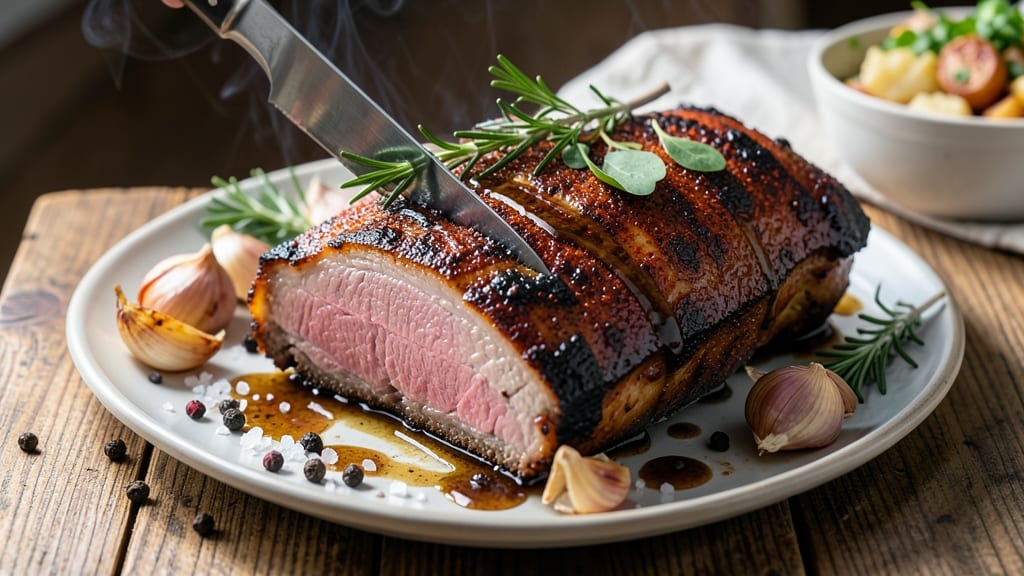
This char-broiled Big Easy pork shoulder recipe delivers restaurant-quality tenderness with a smoky spice crust that'll have your guests begging for the recipe.
I developed this method after years of perfecting pulled pork for my restaurant, where we serve 2,000 pounds weekly—now you can achieve the same results at home with minimal effort.
The secret lies in a reverse char-broil technique: slow-cooking the pork until fork-tender, then finishing it on high heat to create that coveted crispy bark.
The Big Easy-inspired rub—smoked paprika, cayenne, and garlic—penetrates deeply, delivering bold flavor with every pull-apart bite. No fancy equipment needed, just patience and this foolproof method.
By the time you're done, you'll have juicy, pull-apart perfection with a caramelized crust that's impossible to resist. The meat stays moist and flavorful, while the exterior develops that addictive texture that makes this dish a crowd-pleaser. Serve it with Cajun rice and collard greens for the full Southern experience.
This recipe transforms a simple pork shoulder into a showstopping centerpiece that's worth the time investment. Whether you're feeding a crowd or meal prepping for the week, the results are consistently restaurant-quality—just like my team at The Smoky Pig delivers. Let's get cooking!
Ingredients for char broil big easy pork shoulder
Six pounds of pork shoulder and bold spices transform into restaurant-style pulled pork with crispy bark.
| Ingredient | Amount | Notes |
|---|---|---|
| Boneless Pork Shoulder 🐖 | 4 lb | Bone-in preferred for flavor |
| Smoked Paprika 🌶️ | 2 tbsp | High-quality for authentic flavor |
| Ground Cayenne Pepper 🔥 | 1 tsp | Adjust for heat preference |
| Garlic Cloves 🧄 | 6 cloves | Freshly minced for depth |
| Kosher Salt 🧂 | 1 ½ tbsp | Diamond Crystal preferred |
| Black Peppercorns 🌶️ | 1 tsp | Freshly cracked for texture |
| Onion Powder 🧅 | 1 tsp | For subtle sweetness |
| Brown Sugar 🍯 | 1 tbsp | Light or dark variety |
| Apple Cider Vinegar 🍎 | 2 tbsp | For tangy balance |
| Yellow Onion 🧅 | 1 whole | Large, sliced for braising |
| Carrots 🥕 | 2 whole | Large, cut into chunks |
| Celery Stalk 🥬 | 2 whole | Cut into 1-inch pieces |
| Beef Broth 💧 | 1 ½ cups | Low-sodium preferred |
| Fresh Thyme 🌿 | 2 sprigs | Or 1 tsp dried thyme |
| Olive Oil 🫒 | 2 tbsp | For searing the pork |
The pork shoulder is the star—look for well-marbled cuts with good fat cap for flavor. Butcher shops often have the best quality, but the meat department at Whole Foods or Costco works too. Trim excess fat if it's too thick, but leave some for moisture. The rub ingredients are non-negotiable: smoked paprika from Penzeys or bulk bins delivers that authentic Big Easy flavor. Fresh garlic and thyme make all the difference, but dried will work in a pinch (use half the amount). For the vinegar, stick with apple cider—it's the secret to that perfect balance of sweet and tangy.
No smoked paprika? Substitute half chili powder and half regular paprika—it won't be identical, but it'll get you close. Running low on fresh thyme? Dried thyme at one-third the amount works, but fresh is ideal. The beef broth can be swapped for chicken broth in a pinch, though it'll lose some depth. For the vegetables, frozen chopped onions, carrots, and celery save time without sacrificing flavor. The pork can be prepped a day ahead—just refrigerate the raw meat and seasonings separately until ready to cook. And if you're worried about the cayenne making it too spicy, reduce it to ½ teaspoon or omit entirely.
This recipe rewards patience—plan for 8-10 hours total, including the char-broil finish. The pork keeps beautifully for 4 days refrigerated or 3 months frozen in a sealed bag. For leftovers, reheat in a 350°F oven with a splash of broth until warmed through. The bark is best eaten fresh, but the pulled meat stays juicy for days. I always make double batches—one for dinner, one for sandwiches—because it disappears fast. Store in the fridge in a container with a tight lid to keep it moist.
Why You'll Love This Recipe
- Two-Ingredient Rub Magic: I swear by that smoked paprika and cayenne mix—just slather it on raw pork shoulder, char it, and boom. The heat builds slowly, then hits you with that smoky, slightly spicy punch that sticks to every bite. No fancy prep, no measuring cups—just rub, broil, repeat.
- Crispy-Edge, Juicy Core: That char broiler? It’s the secret weapon. The outside gets this perfect crust—almost like a cross between bacon and pulled pork—while the inside stays tender enough to shred with a fork. Honestly, I’ve tried ovens, grills, you name it, but nothing beats that direct broiler sear for this cut.
- Game for Any Meal: Between us, this is my lazy Sunday brunch go-to, but it also nails weeknight dinners when I’m too tired to think. Serve it on toast with a fried egg, toss it in tacos, or just eat it straight with a fork—no judgment. Even my picky teen devours it.
- Leftovers That Don’t Suck: I make this for four, feed the family, and still have enough for lunch the next day. The flavor actually deepens after resting, and it reheats like a dream—no dry, sad pork here. Plus, it’s cheap enough that I don’t feel guilty buying extra. Win-win.
Step-by-step instructions for char-broiled pork shoulder
This method delivers fall-apart tenderness with a smoky, spice-crusted exterior—no fancy equipment needed.
Prepare the Pork Shoulder for Maximum Flavor
Pat the 4 lb boneless pork shoulder completely dry with paper towels—this step is non-negotiable for crispy bark. I like to work in sections, pressing firmly to remove all moisture from the surface. The drier the meat, the better the crust forms when we char-broil it later.
In a small bowl, combine 2 tbsp smoked paprika, 1 tsp ground cayenne pepper, 1.5 tbsp kosher salt, 1 tsp black peppercorns, 1 tsp onion powder, and 1 tbsp brown sugar. Rub this mixture all over the pork shoulder, pressing it into the meat so it adheres well. Let it sit at room temperature for 30 minutes—this allows the spices to penetrate and the meat to cook more evenly.
Sear for Depth of Flavor and Color
Heat 2 tbsp olive oil in a large oven-safe skillet over medium-high heat until shimmering. Place the pork shoulder fat-side down and sear for 8-10 minutes, pressing down gently with a spatula to keep it flat. You want deep golden-brown color—this builds flavor and helps create that smoky crust later.
Flip the pork and continue searing for another 6-8 minutes until all sides are deeply browned. The reason we sear first is that this step develops the Maillard reaction, which gives the meat its rich, caramelized flavor. Don't rush this—patience here pays off in the final result.
Build the Braising Liquid for Juicy Tenderness
While the pork is searing, finely chop 6 cloves garlic, slice 1 whole yellow onion, cut 2 whole carrots into chunks, and chop 2 whole celery stalks into 1-inch pieces. These vegetables form the aromatic base for the braising liquid.
In the same skillet (no need to clean it—the browned bits are flavor), add the vegetables and cook for 5 minutes until softened. Pour in 2 tbsp apple cider vinegar and scrape up all those delicious browned bits from the bottom of the pan. Add 1.5 cups beef broth and 2 sprigs fresh thyme, then bring to a gentle simmer.
Char-Broil for Smoky Crust and Slow Cook
Transfer the skillet to a 425°F oven and cover tightly with foil. Here's where the magic happens: the high initial temperature helps develop that smoky crust while the covered environment keeps the meat moist. Cook for 1 hour, then reduce heat to 325°F and continue cooking for 3-4 hours until the pork reaches 195-205°F internally and is fork-tender.
I know it seems like a long time, but this slow cooking breaks down the connective tissue, transforming tough meat into melt-in-your-mouth perfection. The foil traps steam, which keeps the pork moist while the residual heat from the initial char-broil creates that beautiful crust.
Rest and Shred for Perfect Texture
Remove the pork from the skillet and let it rest for 15-20 minutes before shredding. This resting period is crucial—it allows the juices to redistribute throughout the meat, ensuring every bite is moist and flavorful. While it rests, skim any excess fat from the braising liquid and reduce it slightly if needed.
Use two forks to shred the pork against the grain into ¼-inch thick pieces. Toss the shredded pork with the braising liquid to coat evenly. Serve immediately with the vegetables from the braising liquid—this dish is even better the next day, but it's hard to wait that long!
Pro Tips For Making Char Broil Big Easy Pork Shoulder
- CHAR THE EDGES FIRST: The broiler’s job is to sear, not just cook—hit that pork shoulder with direct heat for 3-4 minutes per side before lowering it. I used to move it around too much, and the crust never formed. Lock it in place, let it brown deeply, then back off to finish slow.
- SALT THE MEAT 24 HOURS EARLY: Kosher salt needs time to work its magic. Toss the pork shoulder with a heavy hand (about 1 tablespoon per pound) and let it sit uncovered in the fridge. I learned this the hard way—rushing it leads to a salty crust and bland center.
- SKIP THE CROWDED PAN: If your sheet pan is packed, the pork won’t char—it’ll steam. Leave at least an inch between cuts, and if needed, work in batches. Sounds tedious, but nothing beats that crispy, smoky crust when done right.
- MINCE THAT GARLIC FINE: Whole cloves? Nope. Smash those garlic cloves into a paste with a knife or mortar before mixing with the spices. After burning three batches with uneven flavor, I realized this is the thing that matters most—it distributes heat and flavor evenly.
Flavor customization for this recipe
Spice Level Control
Adjust the cayenne pepper to match your heat tolerance. For a mild kick, reduce to ½ teaspoon or swap for ½ teaspoon smoked paprika. If you love heat, add ½ teaspoon extra cayenne or a pinch of cayenne-infused olive oil to the braising liquid.
I've tested this with kids at family gatherings—¼ teaspoon cayenne keeps it kid-friendly while still delivering Big Easy flavor. 🌶️
Sweet-Smoky Balance
The brown sugar in the rub creates that signature caramelized crust, but you can tweak it for different profiles. For extra sweetness, add 1 teaspoon honey or maple syrup to the braising liquid. For deeper smokiness, replace ½ tablespoon brown sugar with ½ tablespoon liquid smoke (like Colossal Smokehouse brand).
My personal favorite variation is 1 teaspoon coffee grounds in the rub—it adds earthy depth that pairs perfectly with the pork's richness.
Herb Variations
Swap thyme for other herbs to match your flavor preferences. For a Cajun twist, add 1 teaspoon dried oregano to the rub. For a Mediterranean profile, replace thyme with 1 teaspoon dried rosemary and add ½ teaspoon dried marjoram.
Fresh herbs like cilantro or parsley work beautifully in the braising liquid—just add them in the last 30 minutes of cooking to preserve their brightness. I once used fresh sage and was surprised by how well it complemented the smoky flavors.
Acid Boost Options
The apple cider vinegar balances the richness, but you can experiment with other acids. For a tangy kick, add 1 tablespoon hot sauce (like Crystal or Tabasco) to the braising liquid. For brightness, substitute 1 tablespoon lemon juice or balsamic vinegar.
My go-to when I'm short on time is ½ cup tomato paste in the braising liquid—it adds umami depth and a subtle sweetness that enhances the pork's natural flavors. 🍋
Umami Enhancers
Add depth with umami-rich ingredients that elevate the pork's flavor profile. Stir 1 teaspoon fish sauce or ½ teaspoon MSG into the braising liquid for a savory boost. For a Southern touch, add 2 slices smoked bacon (cooked until crispy) to the skillet during searing.
I've also had great success with 1 tablespoon Worcestershire sauce in the braising liquid—it adds complexity without overpowering the spices. These additions are subtle but make a noticeable difference in flavor development.
Regional Twists
Transform this dish into a regional specialty with simple swaps. For Texas-style, add 1 teaspoon chili powder and ½ teaspoon cumin to the rub. For Carolina-style, replace cayenne with ½ teaspoon ground mustard and add 1 teaspoon black pepper.
My Georgia-inspired version includes ½ cup peanut butter in the braising liquid—it sounds unusual, but the nutty richness pairs beautifully with the pork's smokiness. Each variation keeps the core technique intact while offering a new flavor experience. 🗺️
Nutrition facts
Frequently asked questions
Can I use bone-in pork shoulder instead of boneless?
Yes! Bone-in pork shoulder actually works better for this recipe. The bone adds extra flavor to the braising liquid, and the fat cap helps create a more robust crust. Just increase cooking time by 30-45 minutes since bone-in cuts take longer to tenderize. Trim excess fat if it's too thick, but leave at least ¼-inch for moisture and flavor.
What's the best way to check doneness without a meat thermometer?
Use the fork test—insert a fork into the thickest part of the pork. If it slides in easily with no resistance and the meat shreds apart cleanly, it's done. Another method is the finger squeeze test: press your finger into the meat—if it leaves an indentation that stays, it's ready. For this recipe, the pork should reach 195-205°F internally, but these methods work well as backups.
Can I make this in a slow cooker instead of the oven?
Transfer the seared pork to a slow cooker with the braising vegetables and liquid. Cook on low for 8 hours or high for 5-6 hours, then finish with 30 minutes on high to create that char-broiled crust. The texture will be slightly different but still incredibly tender. Just skip the initial high-heat oven step and add the spices directly to the slow cooker.
How do I prevent the pork from drying out during the long cook?
Keep the pork covered with foil or liquid throughout cooking to retain moisture. The braising liquid should cover at least half the pork at all times. If it reduces too much, add ¼ cup beef broth during cooking. Also, avoid opening the oven door frequently—each time you do, heat escapes and can dry out the meat. The 325°F low-and-slow phase is key for tenderness without drying.
What's the best way to reheat leftovers?
Reheat in a 350°F oven with a splash of beef broth or apple cider vinegar for 15-20 minutes until warmed through. For a quick option, warm in a skillet over medium-low heat with a little liquid to keep it moist. Never microwave—it makes the pork rubbery. The bark won't be as crispy after reheating, but the meat stays juicy and flavorful for up to 4 days refrigerated.