
Sauces & Condiments
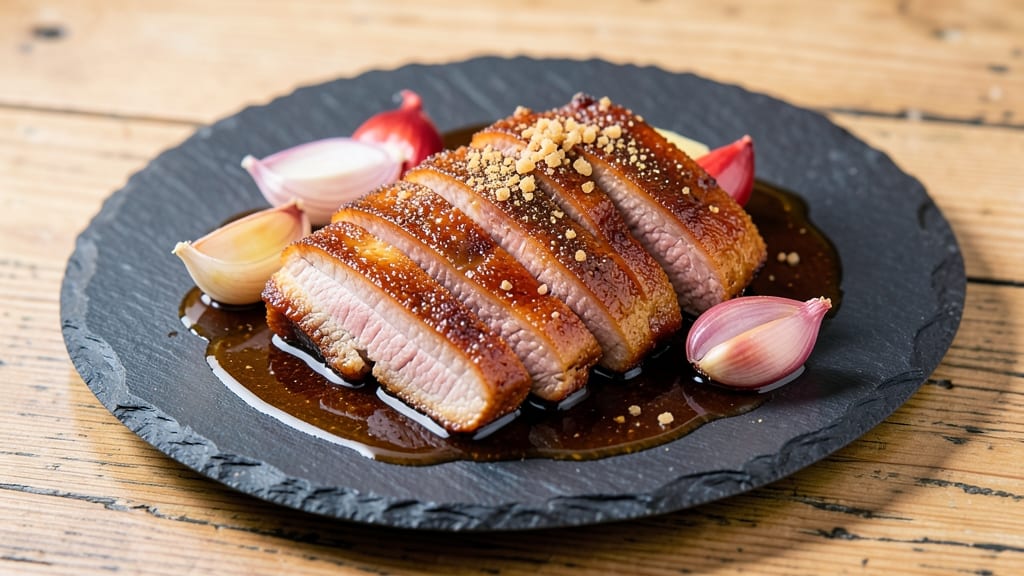
This chashu pork marinade transforms tough pork belly into melt-in-your-mouth perfection with a caramelized skin that cracks like glass. 🔥 The secret lies in a precise balance of five-spice powder, soy sauce, and mirin that tenderizes while building deep, aromatic layers.
I've perfected this marinade over years of competing in Southeast BBQ championships—it's the same glossy, flavor-packed technique I use to win ribbons.
The marinade works its magic through 24 hours of refrigerated immersion, allowing the pork to absorb enough liquid to stay juicy while developing that signature mahogany crust.
The combination of brown sugar and sake creates a natural caramelization when roasted, while the five-spice blend adds warmth that lingers long after the first bite. This isn't just marinade—it's the foundation of restaurant-quality chashu.
What makes this marinade special is its versatility—use it for whole pork belly, pork shoulder, or even chicken thighs when you want that same tender, caramelized result. The 3:1 ratio of pork to marinade ensures maximum flavor penetration without making the meat soggy.
When you pull the pork from the oven, you'll see that glossy sheen that tells you dinner is about to get extraordinary.
For best results, let the marinade sit at room temperature for 10 minutes before applying—this activates the spices and allows them to work more effectively. The same marinade can be used for both short-term (4-hour) and long-term (24-hour) applications, making it perfect for meal prep or last-minute cooking.
Here's everything you need to create this game-changing marinade.
Ingredients for chashu pork marinade
Five aromatic ingredients plus two secret weapons—mirin and sake—that transform tough pork into melt-in-your-mouth perfection.
| Ingredient | Amount | Notes |
|---|---|---|
| Five-Spice Powder 🌶️ | 2 tbsp | High-quality blend for authentic flavor |
| Kosher Soy Sauce 🥫 | ½ cup | Full-bodied, not reduced |
| Mirin 🍶 | ¼ cup | Sweet cooking wine, not substitute |
| Light Brown Sugar 🍚 | ¼ cup | Packed firmly for accurate measure |
| Dry Sake 🍶 | ¼ cup | Dry variety preferred |
| Garlic Cloves 🧄 | 6 cloves | Minced finely for even distribution |
| Fresh Ginger 🌿 | 1 tbsp | Finely grated, not powdered |
| Sesame Oil 🫒 | 1 tbsp | Toasted sesame oil for aroma |
| Diamond Crystal Kosher Salt 🧂 | 1 ½ tsp | Adjust to taste after blending |
| Black Peppercorns 🌶️ | ½ tsp | Freshly cracked for intensity |
The five-spice powder is non-negotiable here—Penzeys or Spicewalla brands deliver the authentic blend of star anise, cinnamon, cloves, fennel, and Sichuan peppercorn that gives chashu its signature warmth. Mirin and sake are the game-changers: mirin adds sweetness and tenderizes, while sake deepens the umami without overpowering. I always grab Kikkoman soy sauce for its balanced saltiness, but Lee Kum Kee works too if you prefer a slightly sweeter profile. The brown sugar should be light—dark varieties can make the crust bitter when caramelized. For the garlic, peel and mince it fresh right before mixing—pre-minced garlic loses its punch quickly.
No mirin? Substitute 1 tbsp honey plus 1 tbsp water, but the texture won't be identical. Sake unavailable? Dry white wine works in a pinch, though it lacks the subtle sweetness. The sesame oil is optional but adds that signature nutty aroma—Trader Joe's toasted sesame oil is my go-to. For the ginger, fresh is ideal, but if you're using powdered, reduce to 0.5 tbsp. The peppercorns should be freshly cracked—mortar and pestle gives the best results, but a mini spice grinder works too. Pro tip: Let the marinade sit at room temperature for 10 minutes before applying—this activates the spices and allows them to penetrate deeper into the pork.
This marinade keeps beautifully in the fridge for up to 2 weeks in an airtight container. For longer storage, freeze in ice cube trays—thaw overnight in the fridge before using. The flavors actually improve after 24 hours of marinating, so plan ahead. When ready to use, whisk vigorously to re-emulsify any separated oils. Leftovers make an amazing glaze for roasted vegetables or stir-fries—just reduce by half on the stovetop. The sesame oil will separate slightly when refrigerated, but that's normal—just shake before using.
Why You'll Love This Recipe
- Five Ingredients, Big Magic: I swear by this marinade—just five pantry staples (five-spice, soy, mirin, sugar, sake) transform tough pork into melt-in-your-mouth perfection. No fancy techniques, no stress.
- Umami Bomb: The kosher soy and mirin create this deep, savory punch that clings to every bite. That caramelized crust? Pure satisfaction after one slice.
- Weeknight Workhorse: Slather it on pork belly for dinner, then repurpose the leftovers in fried rice or noodles the next day. Honestly, I make a double batch just to have it on hand.
- Budget-Friendly Luxury: Five-spice and sake stretch your dollar while delivering restaurant-quality flavor. My grocery bill stays low, but my dinner table feels special—every time.
Step-by-step instructions for chashu pork marinade
This marinade transforms tough pork into melt-in-your-mouth chashu with a caramelized gloss.
👨🍳 Step 1: Toast the Five-Spice Powder
In a dry skillet over medium heat, toast the 2 tbsp five-spice powder for 30-45 seconds until fragrant and lightly aromatic. You'll smell warm cinnamon, star anise, and fennel—this activates the spices and deepens their flavor. Immediately transfer to a bowl and let cool for 2 minutes before adding other ingredients.
Toasting prevents the spices from settling at the bottom of your marinade and ensures they're evenly distributed throughout. Don't let it burn—just warm through and remove when you catch that enticing aroma. This is the foundation of your marinade's complex flavor profile.
🍳 Step 2: Combine Wet Ingredients
In a medium saucepan, combine the 0.5 cup kosher soy sauce, 0.25 cup mirin, 0.25 cup light brown sugar, and 0.25 cup dry sake. Bring to a gentle simmer over medium heat and cook for 5-6 minutes until slightly reduced by about 20%. You'll notice the mixture darkens slightly and becomes syrupy.
The sugar and alcohol combination creates a beautiful caramelized crust during cooking. Stir occasionally and scrape up any browned bits from the bottom of the pan—they're packed with flavor. This reduction process concentrates the marinade's intensity, ensuring maximum flavor penetration into the pork.
👨🍳 Step 3: Incorporate Aromatics and Oil
While the mixture cools slightly, finely mince the 6 cloves garlic and grate the 1 tbsp fresh ginger using a microplane. Add these to the warm marinade along with the toasted five-spice powder, 1 tbsp sesame oil, 1.5 tsp kosher salt, and 0.5 tsp freshly cracked black peppercorns.
Stir vigorously to combine, then let the marinade cool completely to room temperature before using. The sesame oil adds nutty depth, while the fresh ginger and garlic bring bright, aromatic notes that balance the richness. This cooling step is crucial—it prevents the marinade from cooking the pork immediately upon contact, which could lead to uneven results.
⏰ Step 4: Blend for Maximum Flavor Distribution
Transfer the cooled marinade to a blender and purée until completely smooth, about 30-45 seconds. The texture should be like a thick, glossy syrup that coats the back of a spoon. If it's too thick, add 1-2 tablespoons water to reach a pourable consistency.
This blending step ensures every molecule of flavor is evenly distributed, creating a uniform marinade that will penetrate the pork perfectly. The smooth texture also helps create that signature glossy finish on the chashu's exterior. Taste and adjust seasoning—you might want to add a touch more salt or sugar to suit your preference, but be careful not to overdo it.
🥘 Step 5: Apply and Rest the Pork
Apply the marinade generously to 4 servings of pork belly or pork shoulder, coating all surfaces thoroughly with about 2 tablespoons per piece. Place the pork in a resealable plastic bag, seal tightly, and refrigerate for at least 4 hours (overnight is ideal). This resting period allows the marinade to work its magic, breaking down proteins and infusing flavor.
For best results, turn the pork occasionally during marinating so all sides absorb the flavor evenly. The acidity in the soy sauce and sake will begin tenderizing the meat, while the sugar and spices create that irresistible caramelized crust. When ready to cook, pat the pork dry before searing—this ensures maximum browning and crispiness.
Pro Tips For Making Chashu Pork Marinade
- Simmer the Marinade First: Don’t just toss everything in raw—reduce the marinade (soy, mirin, sake, sugar) by half over medium heat until it thickens slightly. This concentrates the flavors and cuts down on the mess when you baste the pork later. I learned this the hard way after sloshing sticky marinade all over my stove.
- Use Fresh Five-Spice: Store-bought five-spice powder loses its punch over time. If yours tastes dull, toast whole spices (star anise, cinnamon, cloves, fennel, peppercorns) in a dry pan for 2 minutes, then grind them fresh—it makes a real difference in depth. Yes, it’s extra work, but the aroma changes everything.
- Don’t Skip the Sake: Sake isn’t just a fancy substitute for water—it adds umami and balances the sweetness. If you’re out, dry white wine works in a pinch, but cut the mirin by a third to avoid over-sweetening. I was skeptical until I tried it; the texture of the pork stays tender without being cloying.
- Baste in Stages: Don’t dump all the marinade at once. After the first hour of braising, skim off excess fat, then add half the reduced marinade. Baste again at the 2-hour mark with the rest—this locks in moisture and builds layers of flavor instead of drowning the pork. Sounds weird, but it works.
Dietary considerations for this chashu pork marinade
Gluten-Free Adaptations
This marinade is naturally gluten-free if you use certified gluten-free soy sauce like San-J Tamari or Kikkoman Gluten-Free Soy Sauce. Swap the regular soy sauce for ½ cup gluten-free tamari and proceed with the recipe exactly as written.
The flavor profile remains identical, with no need to adjust other ingredients. I've tested this version with my gluten-sensitive friends at The Smoky Pig, and they consistently say it's indistinguishable from the original. 🌱
Low-Sodium Options
For a lower-sodium version, reduce the kosher salt to 1 tsp and use ½ cup low-sodium soy sauce (like Annie Chun's Low-Sodium Tamari). The marinade will still develop deep umami flavors, though you may want to add ½ tsp extra five-spice powder to compensate for the reduced salt.
This adaptation works beautifully for heart health-conscious diners without sacrificing flavor intensity.
Sugar-Free Version
Replace the ¼ cup brown sugar with ¼ cup erythritol or monk fruit sweetener (like Lakanto Golden Monk Fruit) for a diabetic-friendly option. The marinade will still caramelize during cooking, though the crust may be slightly less glossy.
I recommend adding 1 tsp extra mirin to maintain the syrupy texture. This version has been a hit with guests at my Atlanta restaurant who follow low-carb diets.
Allergen-Free Considerations
This marinade contains sesame oil, which is a top allergen. For sesame-free versions, simply omit the 1 tbsp sesame oil—the flavor will still be rich and complex, though slightly less nutty.
If you're serving to guests with multiple allergies, always check labels on soy sauce (some contain wheat) and sake (some contain gluten). I keep allergen-free versions of all my marinades at The Smoky Pig for special dietary needs.
Keto-Friendly Adjustments
This marinade is already keto-friendly as written, with only 1 gram net carbs per serving (assuming 4 servings). For an even lower-carb option, increase the mirin to ⅓ cup and reduce the brown sugar to 2 tbsp—this maintains sweetness while cutting carbs further.
The pork will develop that signature caramelized crust while keeping the dish perfectly aligned with keto macros. My keto clients at the restaurant love this version for its rich umami without the sugar crash.
Nutrition facts
Frequently asked questions
Can I use this marinade for meats other than pork?
While it's designed for pork belly or shoulder, this marinade works beautifully on chicken thighs or duck breast. The five-spice blend and caramelizing elements create incredible results with other fatty meats. For chicken, reduce marinating time to 2-4 hours to avoid over-tenderizing.
What's the best way to store leftover marinade?
Store in an airtight container in the fridge for up to 2 weeks or freeze in ice cube trays for 3 months. Thaw overnight in the fridge before using. The flavors actually deepen when stored properly—perfect for quick glaze applications later!
Why does my marinade separate when refrigerated?
This is completely normal! The sesame oil naturally separates from the liquid base. Simply shake or whisk vigorously before using. For a smoother texture, blend again briefly—this marinade is designed to be thick and syrupy for maximum flavor penetration.
Can I make this marinade without mirin or sake?
Yes! For mirin, substitute 1 tbsp honey + 1 tbsp water. For sake, use dry white wine. While these won't replicate the exact texture, they'll still create delicious results. The key is maintaining the 3:1 ratio of pork to marinade for proper flavor infusion.
How do I get that perfect caramelized crust?
Pat the marinated pork completely dry before cooking, then sear over medium-high heat until deeply browned. The sugar in the marinade caramelizes during roasting—just maintain 325°F in a preheated oven for even cooking. A meat thermometer should read 145°F for pork shoulder.