
Main Courses
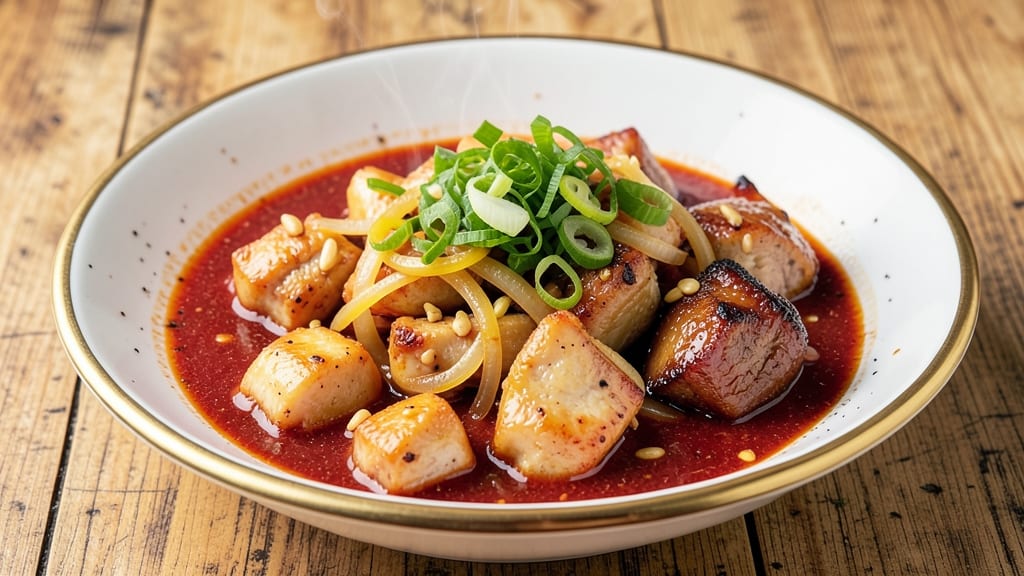
This one-pot Chicken and Pork Afritada recipe panlasang Pinoy brings the heart of Filipino comfort food to your kitchen with minimal effort. 🌟 The rich, tangy tomato sauce simmered with tender chicken and pork creates a dish that's both nostalgic and deeply satisfying—just like my abuela used to make.
I've perfected this recipe to deliver restaurant-quality results while keeping the traditional flavors that make it a staple in Filipino homes.
The beauty of Afritada lies in its simplicity: a few key ingredients transform into a deeply flavorful meal. You'll start with a simple tomato base, then build layers of savory goodness through careful sautéing and slow simmering.
The dish is designed to be foolproof, ensuring tender meat and a sauce that clings perfectly to every bite—no complicated techniques required.
What you'll end up with is a steaming pot of golden-brown chicken and pork swimming in a velvety, slightly sweet tomato sauce.
The aromas alone will transport you to a Filipino dining table, where this dish is served with steamed rice to soak up every last drop of that rich, comforting sauce. It's the kind of meal that brings people together, whether for a family dinner or a gathering with friends.
This recipe also works beautifully as a meal prep solution—leftovers reheat wonderfully, making it perfect for busy weeks. The one-pot method means less cleanup, and the flavors only deepen as the dish sits. Ready to experience the comfort of home-cooked Filipino cuisine? Let's get started!
Ingredients for chicken and pork afritada recipe panlasang pinoy
Six servings of nostalgic Filipino comfort in one pot—just these ingredients transform into a steaming, saucy masterpiece.
| Ingredient | Amount | Notes |
|---|---|---|
| Boneless Chicken Thighs 🍗 | 1 ½ lb | Skin-on preferred for flavor |
| Pork Shoulder 🥓 | 1 ½ lb | Cut into 1-inch cubes |
| Yellow Onions 🧅 | 2 whole | Sliced into half-moons |
| Garlic Cloves 🧄 | 8 cloves | Minced, for deep flavor |
| Canned Tomato Sauce 🍅 | 28 oz | San Marzano if available |
| Calamansi or Lemon Juice 🍋 | ¼ cup | Calamansi preferred, lemon works |
| Soy Sauce 🥢 | 2 tbsp | Regular or light soy |
| Fish Sauce 🐟 | 1 tbsp | Red Boat preferred |
| Sugar 🍚 | 2 tbsp | White or brown sugar |
| Bay Leaves 🌿 | 2 whole | Crushed lightly |
| Black Peppercorns 🌶️ | ½ tsp | Freshly cracked |
| Olive Oil 🫒 | ¼ cup | For sautéing |
| Salt 🧂 | 1 ½ tsp | Adjust to taste |
| Green Bell Pepper 🌶️ | 1 whole | Sliced, optional |
The pork shoulder and chicken thighs are the heart of this dish—look for well-marbled cuts at your local Filipino grocery store or the butcher section. I always grab mine from Costco when I'm making a big batch, but the regular supermarket stuff works fine for a weeknight dinner. The pork should be cut into even 1-inch cubes before cooking—this ensures everything cooks at the same rate. For the tomato sauce, San Marzano is ideal if you can find it, but any good-quality canned tomato sauce will do. If you're using fresh tomatoes, roast them first for a deeper flavor—trust me on this—it makes all the difference.
No calamansi? Fresh lemon juice works perfectly—just double the amount. Short on fish sauce? Soy sauce plus a pinch of sugar mimics the umami punch. The green bell pepper is optional, but if you add it, slice it thinly so it cooks through without turning mushy. For the garlic, I like to toast it lightly in olive oil before adding it to the pot—this brings out its natural sweetness. The bay leaves? Crush them lightly with the side of your knife before adding to the pot for more flavor. And if you're feeling fancy, add a pinch of ground cloves—it's a secret ingredient in my abuela's recipe that takes it to the next level.
This dish tastes even better the next day—honestly, leftovers are my favorite. Store it in the fridge for up to 5 days or freeze for 3 months. I always make a double batch because it disappears fast—portion it into containers so you can grab and reheat for quick lunches. The sauce thickens as it cools, so add a splash of water if it seems too thick when reheating. Serve it with steamed rice, and you've got a full Filipino feast. The aromas alone will transport you straight to my lola's kitchen.
Why You'll Love This Recipe
- One-Pot Magic: I swear by this recipe when I’m too tired to wash pots. Chicken thighs and pork shoulder simmer together in the same pan with onions and garlic—no extra dishes, just layers of flavor.
- Garlic Bomb Fusion: That first bite? Pure satisfaction. The pork shoulder gets tender while the chicken stays juicy, all blanketed in a rich tomato sauce that’s got garlic caramelized right into it—no need for fancy seasonings.
- Leftover Goldmine: Between us, this dish begs to be made extra. The flavors only get better the next day, and it reheats like a dream—perfect for packed lunches or when you’re too lazy to cook again.
- Budget Hero: Pork shoulder and chicken thighs stretch across meals without breaking the bank. A single batch feeds four, and the canned tomato sauce cuts costs while keeping that deep, restaurant-worthy taste.
Step-by-step instructions for chicken and pork afritada
This one-pot wonder delivers rich, tangy flavors in under an hour—no fancy skills required.
🍳 Step 1: Sear the Meats for Maximum Flavor
Heat the 0.25 cup olive oil in a large, deep pot or Dutch oven over medium-high heat. Working in batches to avoid crowding, add the 1.5 lb boneless chicken thighs and sear for 3-4 minutes per side until golden brown. Transfer to a plate and set aside.
In the same pot, add the 1.5 lb pork shoulder cubes and cook for 4-5 minutes, stirring occasionally, until lightly browned. You want that caramelized crust—it's the secret to deep flavor. If the oil starts smoking, reduce heat slightly and let it cook at a steady pace.
👨🍳 Step 2: Sauté Aromatics Until Fragrant
Add the 2 whole yellow onions sliced into half-moons to the pot and cook for 5-6 minutes until softened and starting to caramelize. This is where the sweetness develops—don't rush it. Toss in the 8 cloves minced garlic and cook for another 30 seconds until fragrant.
If using, add the 1 whole green bell pepper sliced into strips and cook for 2 minutes until slightly softened. The bell pepper adds a nice crunch and freshness to balance the richness. Stir everything together and let the aromatics meld for 1 minute before moving to the next step.
🥘 Step 3: Build the Tangy Sauce Base
Pour in the 28 oz canned tomato sauce, scraping up any browned bits from the bottom of the pot with a wooden spoon. Add the 0.25 cup calamansi or lemon juice, 2 tbsp soy sauce, 1 tbsp fish sauce, 2 tbsp sugar, 1.5 tsp salt, and 0.5 tsp black peppercorns. Stir well to combine all the ingredients.
Here's the thing—this sauce needs time to develop. Return the seared chicken and pork to the pot, add the 2 whole crushed bay leaves, and bring everything to a gentle simmer over medium heat. Let it cook uncovered for 15 minutes, stirring occasionally, until the flavors meld and the sauce starts to thicken slightly.
⏰ Step 4: Simmer Until Tender and Flavorful
Reduce heat to low and let the afritada simmer uncovered for 30-40 minutes until the pork is fork-tender and the sauce has thickened to your desired consistency. The chicken should be cooked through with no pink remaining in the thickest part.
I know it seems like a long time, but patience pays off here. The flavors will deepen and the sauce will become rich and velvety. If the sauce gets too thick, add 2-3 tablespoons of water to loosen it. Taste and adjust seasoning if needed—you might need a little more salt or a splash of calamansi juice for brightness.
🍽️ Step 5: Finish and Serve with Steamed Rice
Once everything is tender and the sauce has reached your preferred consistency, remove the 2 whole bay leaves and discard them. Taste and make any final adjustments—maybe a little more fish sauce for umami or a squeeze of lemon for acidity.
Serve the afritada hot over steamed white rice. The combination of tender meats in a rich, tangy sauce is pure comfort food. For extra authenticity, garnish with fresh cilantro if you like. This dish tastes even better the next day as the flavors continue to meld!
Pro Tips For Making Chicken And Pork Afritada Recipe Panlasang Pinoy
- Brown the Pork First: I used to toss everything in the pot at once, but the pork shoulder needs that deep, caramelized crust to hold up in the long simmer. Sear it skin-side down in batches—no crowding—until it’s golden brown, then flip and cook another 2-3 minutes. This isn’t just for looks; it’s what keeps the meat tender and flavorful through the tomato sauce.
- Dice Onions Uniformly: Big, uneven onion chunks turn to mush and make the sauce watery. Cut them into ½-inch dice—small enough to soften quickly but not so fine they disappear. My grandmother called this the "no-sludge rule," and she was right: sloppy prep = sloppy sauce.
- Deglaze with Tomato Sauce: After browning the meat, don’t just add water or broth—pour in a splash of the canned tomato sauce right away. The acid cuts through the fond (those sticky bits) and builds flavor immediately. Skip this, and you’ll be chasing depth later with extra spices.
- Simmer, Don’t Boil: Afritada is a slow-cooked stew, not a quick boil. Once everything’s in the pot, keep the heat low enough that the sauce bubbles gently—tiny, lazy bubbles, not violent ones. I learned this the hard way: boiling turns the pork tough and the sauce thin. Cover it and let it work for 45-60 minutes.
Serving suggestions for this recipe
Steamed White Rice
Afritada is best served with steamed white rice—the perfect vehicle for soaking up that rich, tangy sauce. I like to use jasmine rice for its delicate floral notes that complement the dish beautifully.
For 6 servings, cook 2 cups uncooked rice with 3 cups water in a rice cooker or pot. The rice should be fluffy and slightly sticky when done—just like my abuela used to make. 🍚
Garlicky Atchara
Add a refreshing, tangy contrast with Filipino atchara—pickled green papaya. Thinly slice 1 cup green papaya and soak in a mix of ½ cup vinegar, 1 tbsp sugar, 1 tsp salt, and 3 minced garlic cloves for at least 30 minutes.
This sweet-sour side balances the richness of the afritada perfectly. I like to serve it chilled in a small bowl on the side. 🥒
Simple Ensaladang Talong
For a hearty vegetable side, try eggplant salad—a classic Filipino dish. Slice 1 medium eggplant into rounds, salt them, and let sit for 20 minutes to draw out bitterness. Squeeze out excess water, then sauté in 1 tbsp oil with 1 minced onion and 2 minced garlic cloves.
Finish with 1 tbsp vinegar and a sprinkle of black pepper. This adds a smoky, savory element to your meal. 🍆
Garnishes for Extra Flavor
Before serving, brighten the dish with fresh cilantro or green onions—both add a pop of color and freshness. I also like to sprinkle toasted garlic chips on top for a crunchy texture.
For a smoky finish, add a pinch of ground annatto (achuete) to the sauce before serving. These small touches elevate the dish to restaurant-quality. 🌿
Beverage Pairings
Pair your afritada with a Filipino iced tea—mix 2 black tea bags, 1 cup boiling water, 1 cup cold water, 2 tbsp sugar, and a squeeze of lemon.
Serve over ice for a refreshing contrast. For something stronger, try a San Miguel beer—its crisp, light flavor complements the rich sauce beautifully. 🍹
Meal Prep Tips
Afritada makes fantastic leftovers—store in an airtight container in the fridge for up to 5 days or freeze for 3 months. Reheat gently on the stovetop with a splash of water to restore moisture.
For meal prep, serve with pre-cooked rice and pickled vegetables in separate containers for easy assembly. This dish is a lifesaver for busy weeknights! ⏰
Nutrition facts
Frequently asked questions
Can I substitute chicken breast for chicken thighs in this recipe?
I wouldn't recommend it for this dish. Chicken thighs stay juicier and more tender during the long simmering process—perfect for soaking up all that rich sauce. Chicken breast can dry out and turn rubbery. If you must use breast, cut it into small pieces and add it only in the last 10 minutes of cooking.
What's the secret to getting that perfect tangy flavor?
The magic happens with the calamansi or lemon juice plus fish sauce combination. The acidity brightens the dish while the fish sauce adds umami depth. If you can't find calamansi, use double the lemon juice. For extra tang, add a pinch of annatto (achuete) or a dash of vinegar at the end. Balance is key—taste as you go!
How do I make this recipe vegetarian?
Swap the meats for extra-firm tofu or mushrooms (like portobello or oyster) cut into chunks. For texture, add 1 cup cooked chickpeas or 1 block firm tofu pressed and cubed. Boost the sauce with 1 tbsp soy sauce and 1 tsp miso paste for umami. The dish will still be hearty and flavorful!
Can I make this in an Instant Pot?
Sear the meats and aromatics first as directed, then transfer everything to your Instant Pot. Add 1 cup water instead of simmering, seal, and cook on high pressure for 20 minutes. Let pressure release naturally, then adjust the sauce consistency. The Instant Pot version cooks faster but may need a splash of water to restore sauce thickness.
Why does my sauce look too thin or too thick?
Sauce thickness depends on simmering time. For thicker sauce, cook uncovered for 5-10 extra minutes on low heat. If too thin, simmer uncovered to reduce. For instant fixes: add 1 tbsp cornstarch mixed with water for thickening, or 2 tbsp water for thinning. Remember—sauce thickens as it cools, so adjust while hot.