
Main Courses
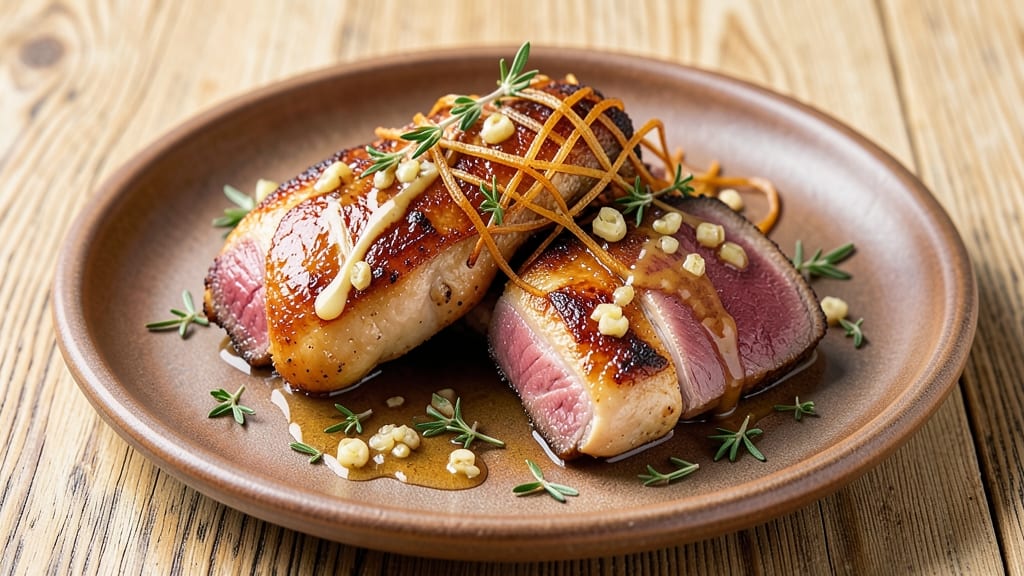
This chicken and pork liver recipe delivers a bold, umami-rich dish where crispy pan-seared chicken pairs perfectly with tender, caramelized liver. The secret lies in quick, high-heat cooking—searing the chicken until golden and the liver just until it transforms from pink to rich amber, all while preserving its delicate texture.
I developed this recipe after years of experimenting with offal dishes, balancing rich flavors with techniques that keep the liver from becoming tough or gamey.
The magic happens in the herbed butter, which adds depth to both proteins while creating a crispy crust on the chicken. You'll start by seasoning the chicken thighs generously with salt and pepper, then searing them skin-side down until deeply browned.
Meanwhile, the pork liver gets a quick pan-fry with shallots and garlic, ensuring it stays juicy and flavorful. The result? A dish that's rich yet refined, with textures that range from crispy to velvety.
What makes this recipe stand out is how it transforms two distinct proteins into a cohesive, restaurant-worthy meal. The chicken provides a satisfying bite, while the liver adds a luxurious depth that elevates the entire dish.
Serve it with roasted potatoes or a simple arugula salad to balance the richness, and drizzle with the herbed butter for an extra layer of flavor. This is comfort food with a gourmet twist—perfect for those who appreciate bold, umami-packed flavors.
For those new to cooking with liver, this recipe is a great starting point. The key is speed and precision—overcooking turns liver into a tough, unappetizing mess, but with the right technique, it becomes a standout ingredient.
Once you master this method, you'll unlock a world of possibilities for offal dishes. Let’s get started on creating a dish that’s both impressive and deeply satisfying.
Ingredients for chicken and pork liver
Twelve ingredients for a restaurant-quality dish that balances crispy chicken with tender liver.
| Ingredient | Amount | Notes |
|---|---|---|
| Boneless, Skinless Chicken Thighs 🍗 | 1 ½ lb | Trimmed of excess fat |
| Fresh Pork Liver 🍖 | 1 lb | Trimmed, rinsed, patted dry |
| Unsalted Butter 🧈 | ½ cup | Cold, cubed for herbed butter |
| Shallots 🧅 | ½ cup | Finely minced, about 4-5 whole |
| Garlic Cloves 🧄 | 4 cloves | Minced, about 1 tsp total |
| Fresh Thyme Leaves 🌿 | 2 tbsp | Chopped, stems removed |
| Fresh Rosemary 🌿 | 1 tbsp | Finely chopped, leaves only |
| Kosher Salt 🧂 | 1 ½ tsp | Diamond Crystal preferred |
| Freshly Ground Black Pepper 🌶️ | 1 tsp | Coarse grind preferred |
| Olive Oil 🫒 | 2 tbsp | High smoke point for searing |
| Lemon Zest 🍋 | 1 tsp | From 1 lemon, finely grated |
| Fresh Parsley 🌿 | ¼ cup | Chopped, for garnish |
The pork liver is the star here, so quality matters. Look for fresh, bright red liver at your butcher counter—avoid any with grayish or yellowish spots. Whole Foods or local specialty grocers often carry the best cuts. Chicken thighs should have good marbling for flavor, and Costco or Trader Joe's typically have good pre-trimmed options. Fresh herbs make all the difference—Whole Foods' bulk section is perfect for thyme and rosemary, or grow your own if possible. The key is using everything fresh, especially the liver, which should be cooked immediately after purchase.
No fresh thyme? Dried works at half the amount, but fresh is ideal for that bright aroma. Short on shallots? Substitute 3 tbsp finely chopped yellow onion, but reduce the cooking time slightly. The butter must be cold when cubed—take it out of the fridge 20 minutes before using for even distribution. For the liver, speed is critical—overcooking turns it tough, so have everything prepped before you start searing. If you're nervous about handling liver, wear gloves and wash your hands thoroughly after prepping. The lemon zest adds brightness, but if you're out, a splash of fresh lemon juice works too.
Leftover liver reheats beautifully—warm in a dry pan over medium heat for 1-2 minutes. Store chicken and liver separately in airtight containers for up to 2 days, but the herbed butter keeps for 1 week in the fridge. For best results, make the herbed butter ahead—it develops deeper flavor as it sits. If you're prepping for a crowd, double the recipe and freeze the extra herbed butter in portions. The crispy chicken skin stays crunchy when stored properly, but reheating may require a quick toast in the oven to restore crispiness.
Why You'll Love This Recipe
- Pan-Fry Magic: I swear by this recipe because it’s all about that buttery sear—chicken thighs and liver get golden in minutes, no fancy techniques. The pork liver actually softens into something rich and tender while the chicken stays juicy, and honestly? That crispy edge on both? Chef’s kiss.
- Umami Bomb: Between us, pork liver has this deep flavor that transforms a simple weeknight meal. Sauté it with shallots and garlic until it’s just tender, then let that butter pool around it—suddenly, you’ve got something restaurant-worthy without the fuss. The chicken soaks up all that savory goodness like a sponge.
- Leftovers I Actually Want: This dish reheats like a dream—better than takeout, even. I’ll make a big batch on Sunday, and by Wednesday, I’m still digging into those crispy bits. The liver stays moist (no one likes rubbery leftovers), and the chicken? Still juicy. It’s my go-to for lazy days when I don’t want to cook but need to eat well.
- Budget Meal That Feeds: Chicken thighs and pork liver stretch this recipe into a full meal without breaking the bank. A single pan, a handful of ingredients, and you’ve got protein-packed dinner for the family. (Yes, even on a Tuesday night.) Plus, the liver’s richness means you don’t need expensive sides—just crusty bread and a simple salad.
Step-by-step instructions for crispy pan-seared chicken and pork liver
Here's how to achieve perfectly crispy, flavorful bites with herbed butter that ties everything together.
Prepare the Chicken and Pork Liver
Pat the 1.5 lb boneless, skinless chicken thighs and 1 lb fresh pork liver completely dry with paper towels. This step is crucial—any moisture will prevent that beautiful crispy crust we're after. Trim any remaining fat from the chicken thighs, leaving just a thin layer for flavor. For the pork liver, make sure it's perfectly dry and free of any blood, as this can make the meat bitter.
Season both the chicken and pork liver generously with 1.5 tsp kosher salt and 1 tsp freshly ground black pepper. I like to press the seasoning into the meat so it adheres well. Let them sit at room temperature for 15-20 minutes before cooking. This ensures even cooking and maximum flavor penetration.
Sear the Chicken and Pork Liver
Heat 2 tbsp olive oil in a large skillet over medium-high heat until shimmering. Add the chicken thighs first and cook for 5-6 minutes per side until they develop a deep golden-brown crust. You'll know they're ready when they release easily from the pan—this is your signal to flip. Transfer the chicken to a plate and tent loosely with foil to keep warm.
In the same skillet (no need to wipe it clean—those browned bits are pure flavor), add the pork liver and cook for 2-3 minutes per side until it reaches 145°F internally and develops a crispy exterior. Pork liver cooks quickly, so keep a close eye on it. It should be just barely pink in the center—overcooking will make it tough. Transfer the liver to the same plate with the chicken.
Prepare the Herbed Butter
While the meats cook, make the herbed butter by combining the 0.5 cup cold, cubed unsalted butter, 0.5 cup finely minced shallots, 4 cloves minced garlic, 2 tbsp chopped fresh thyme leaves, 1 tbsp chopped fresh rosemary, and 1 tsp lemon zest in a small bowl. Mix gently with a fork until the shallots and garlic are evenly distributed throughout the butter. This mixture should be cold and crumbly—if it starts to melt, chill it briefly in the refrigerator.
Here's the thing—this herbed butter isn't just for serving. It's the secret to keeping the meats moist and adding layers of flavor. The cold butter will help melt slightly when spread on the hot meats, creating a delicious sauce that clings to every bite.
Assemble and Serve
Return the skillet to medium heat and add the herbed butter. Let it melt for 1-2 minutes, stirring occasionally, until it becomes fragrant and slightly golden. This step infuses the butter with the flavors from the skillet, creating an even richer sauce.
Spread a generous dollop of the herbed butter mixture over each piece of chicken and pork liver. The butter should melt slightly from the residual heat, creating a glossy, flavorful coating. Garnish with 0.25 cup chopped fresh parsley for a pop of color and freshness. Serve immediately while everything is hot and crispy—this dish doesn't wait!
Pro Tips For Making Chicken And Pork Liver
- Sear Livers Fast: Pork liver turns rubbery if overcooked, so blast it in a screaming-hot pan for just 30 seconds per side—until barely pink inside. Chicken thighs can wait; focus on the liver first, then pull them out when the livers are done.
- Rinse Livers Twice: Blood and bile make liver bitter. After trimming, give fresh pork liver a quick cold-water rinse, then pat dry with paper towels. I learned this the hard way—skipping the rinse left a metallic aftertaste that ruined the whole dish.
- Salt Chicken First: Season chicken thighs before searing—let them sit 10 minutes while you prep livers. The salt breaks down proteins, guaranteeing juicier meat when you finish cooking. (Yes, even if you’re impatient like me.)
- Deglaze with Wine: After browning chicken and liver, splash in ¼ cup dry white wine (or broth) to scrape up fond. It’s the lazy upgrade that turns a simple pan sauce into something silky and rich—no extra effort, just better flavor.
Perfect pairings for this recipe
Side Dish Harmony
Roasted garlic mashed potatoes balance the richness of the liver and chicken beautifully. Use Yukon Gold potatoes, boiled until tender, then mashed with 4 oz cold butter, ¼ cup warm milk, 3 cloves roasted garlic, and ½ tsp salt.
The creaminess contrasts the crispy textures while soaking up any herbed butter drippings. 🥔
For a lighter option, try sautéed garlic green beans with 1 tbsp toasted almonds and a splash of lemon juice. Toss 1 lb green beans in 1 tbsp olive oil with 3 minced garlic cloves and ½ tsp red pepper flakes until tender-crisp.
The almonds add crunch that mirrors the chicken's texture, while the acidity cuts through the richness.
Wine Pairings
A Pinot Noir from Oregon or Burgundy complements this dish perfectly with its bright acidity and earthy undertones. Look for a 2022 Domaine Drouhin Oregon Pinot Noir—its red fruit notes and subtle spice enhance the herbed butter without overpowering the liver's delicate flavor.
Serve slightly chilled to preserve its freshness. 🍷
For white wine lovers, a dry Riesling from Germany offers a crisp, citrus-forward contrast. The 2023 Dr. Loosen "Blue Slate" Riesling has peach and mineral notes that pair beautifully with the lemon zest in the herbed butter. Chill thoroughly before serving to highlight its vibrant acidity.
Beverage Balance
A light lager like Peroni or Heineken cleanses the palate between bites. The crisp, effervescent quality of these beers cuts through the richness, making each bite feel fresh.
For a craft option, try a Belgian witbier like Stella Artois Wit—its corianander and orange peel notes add a refreshing twist that complements the thyme and rosemary in the butter. 🍺
For non-alcoholic options, sparkling water with a twist of lemon or iced hibiscus tea both work wonders. The citrusy brightness of lemon mirrors the lemon zest in the recipe, while the tannic depth of hibiscus tea balances the dish's richness without overpowering it. Serve chilled for the best experience.
Garnish & Finish
Fresh chopped parsley isn't just for garnish—it adds a bright, herbal note that ties everything together. Sprinkle ¼ cup over the finished dish just before serving to keep it vibrant.
For extra flair, add toasted breadcrumbs tossed with 1 tsp smoked paprika and a pinch of salt for a crunchy, smoky contrast. 🌿
Drizzle the plate with extra herbed butter before serving to create a glossy, flavorful finish. The melted butter pools beautifully, inviting diners to dip their chicken or liver. For a final touch, a pinch of flaky sea salt on top elevates the dish to restaurant-quality elegance.
Nutrition facts
Frequently asked questions
Why cook pork liver so quickly?
Pork liver cooks in a flash—just 2-3 minutes per side—because it's incredibly tender and becomes tough when overcooked. The goal is to reach 145°F internally while keeping the center just barely pink. Think of it like a delicate omelet: overcooking turns it rubbery, while perfect timing keeps it velvety and rich.
Can I substitute chicken thighs with another cut?
Yes, but choose wisely! Bone-in, skin-on chicken drumsticks work beautifully—they stay juicy and crisp up perfectly. Avoid breast meat, as it dries out during searing. For a leaner option, use duck legs (they render fat beautifully), but adjust cooking time slightly since duck is denser. The key is fat content—you want that crispy crust!
What if my pork liver turns gray?
Gray liver means it's overcooked or wasn't fresh to begin with. Always buy the brightest red liver from your butcher, and cook it immediately after purchasing. If you see gray spots before cooking, trim them out—they indicate oxidation. For gray liver after cooking, it's best to discard it, as the texture and flavor will be off. Quality matters most with offal!
How do I make this dish less rich?
Balance the richness by adding bright, acidic components. Serve with sautéed arugula dressed with lemon and olive oil, or a cucumber-yogurt salad. You can also reduce the butter in the herbed mixture by 25% and replace it with avocado oil for a lighter touch. The lemon zest and fresh herbs already provide brightness, so lean into those flavors!
Can I prepare this ahead of time?
Yes, but strategically! Cook the chicken and liver separately, then store them in airtight containers for up to 2 days. Reheat gently in a dry pan over medium-low heat for 1-2 minutes per side. Make the herbed butter 1 week ahead and store it in the fridge—it develops deeper flavor over time. Just reheat the butter separately and assemble everything fresh before serving for the best texture.