
Main Courses
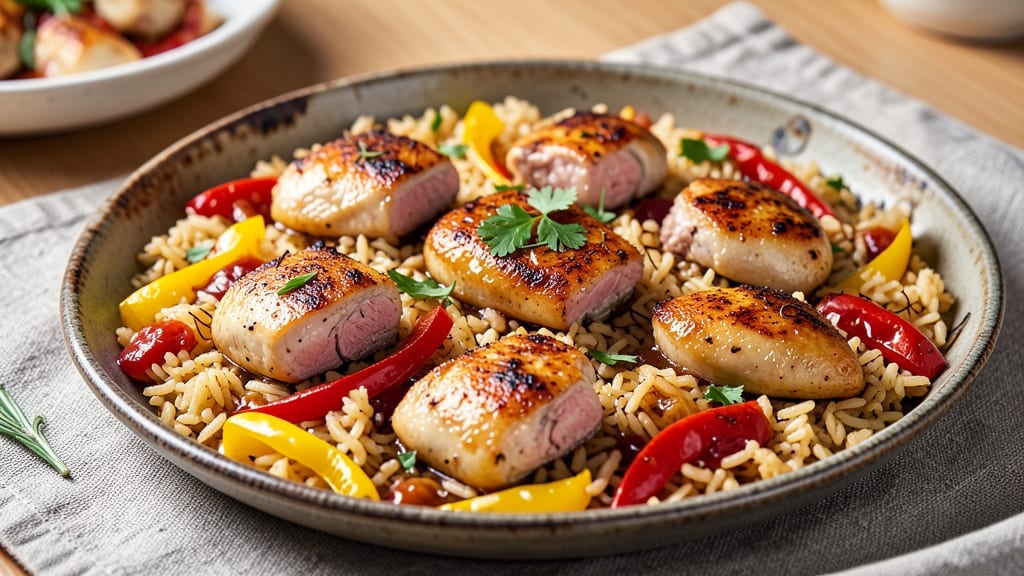
This chicken and pork paella recipe delivers the bold, aromatic flavors of Spain in a single pan—no fancy equipment required. The secret lies in the saffron-infused rice, which transforms ordinary grains into golden, fragrant bites with layers of smoky paprika and tender proteins.
I developed this version after years of testing, balancing traditional techniques with modern shortcuts to create a dish that's both authentic and approachable.
The foundation starts with properly seared chicken and pork, creating deep, caramelized flavors that infuse the rice. A classic soffrito of onions, garlic, and bell peppers builds the aromatic base, while the saffron threads dissolve into the broth for that signature golden hue.
The rice cooks slowly, absorbing all the juices while developing that coveted crispy bottom layer, or socarrat—the hallmark of a perfect paella.
What you'll end up with is a vibrant, one-pan feast where each bite delivers tender chicken, juicy pork, and perfectly balanced rice with hints of saffron and smoky paprika.
The dish is hearty enough for a family dinner but simple enough for a weeknight, proving that restaurant-quality paella can be made at home without the fuss.
Serve with a simple green salad or crusty bread to soak up every last drop of that flavorful broth. The recipe scales easily for crowds, and the leftovers reheat beautifully. Let's get started—your kitchen will smell like Spain in minutes.
Ingredients for chicken and pork paella
Sixteen ingredients transform a simple pan into Spain's most aromatic feast.
| Ingredient | Amount | Notes |
|---|---|---|
| Chicken Thighs 🍗 | 1 ½ lb | Bone-in, skin-on preferred |
| Pork Shoulder 🐖 | 1 ½ lb | Cut into 1-inch cubes |
| Bomba Rice 🍚 | 2 cups | Short-grain, uncooked |
| Saffron Threads 🌼 | ¼ tsp | High-quality, soaked in 2 tbsp warm water |
| Yellow Bell Pepper 🧅 | 1 whole | Cut into strips |
| Red Bell Pepper 🍅 | 1 whole | Cut into strips |
| Yellow Onion 🧅 | 1 whole | Thinly sliced |
| Garlic Cloves 🧄 | 6 cloves | Minced |
| Smoked Paprika 🌶️ | 2 tbsp | Sweet or hot variety |
| Chicken Broth 💧 | 4 cups | Low-sodium preferred |
| Dry White Wine 🍷 | ½ cup | Any dry variety |
| Tomato Paste 🍅 | 2 tbsp | Smooth, no sugar added |
| Olive Oil 🫒 | ½ cup | Extra-virgin preferred |
| Fresh Parsley 🌿 | ¼ cup | Chopped, for garnish |
| Salt 🧂 | 1 ½ tsp | Kosher or sea salt |
| Ground Black Pepper 🌶️ | ½ tsp | Freshly ground |
| Lemon Wedges 🍋 | 2 whole | For serving |
The saffron is non-negotiable—Spanish saffron from La Mancha delivers the best flavor and color. Penzeys or specialty grocery stores carry high-quality threads, but avoid powdered substitutes. For the chicken and pork, bone-in cuts ensure maximum flavor infusion. Look for well-marbled pork shoulder at Whole Foods or your local butcher—they'll trim it for you if you ask. The Bomba rice is key; Calrose or Arborio are good substitutes if unavailable, but Bomba's starchy texture creates the perfect socarrat. Always soak the saffron in warm water for 10 minutes before adding to the rice—this releases its vibrant pigments and aromatic oils.
No saffron? Turmeric at one-third the amount will mimic the color, though it lacks saffron's floral notes. Swap white wine for extra chicken broth if needed, but the acidity balances the dish. For the peppers, any color works, but a mix of red and yellow adds visual appeal. The pork can be replaced with chorizo or Spanish chorizo for a smoky twist, though it will alter the dish's traditional profile. If you're short on time, pre-minced garlic works, but fresh is always better. The tomato paste should be smooth—no sugar added versions prevent the rice from becoming overly sweet.
Paella reheats beautifully—cover with foil and warm on low heat with a splash of broth. The rice continues cooking as it absorbs moisture, so add broth gradually until creamy. Store leftovers in the fridge for 3-4 days or freeze for 3 months. For serving, squeeze fresh lemon over each portion—brightens the flavors and cuts through the richness. Garnish with parsley just before serving, as it wilts quickly. This dish tastes even better the next day as flavors meld further.
Why You'll Love This Recipe
- One-Pan Magic: I swear by this recipe—just sear the chicken thighs and pork shoulder in the same pan, then dump in the rice and broth. No chopping boards, no extra pots, and honestly? The cleanup is a joke.
- Saffron-Pork Crunch: That pork shoulder gets insanely tender, while the saffron threads turn the rice a golden hue and add this earthy, floral depth. Between us, the first bite makes you pause mid-chew—it’s that good.
- Weeknight to Dinner Party: Make it for Tuesday with takeout containers or a big gathering—same effort, just different portions. The bomb rice soaks up the juices perfectly, so every mouthful is rich, even the next day.
- Budget Feast Stretch: Chicken thighs and pork shoulder are cheap cuts that yield so much meat. A single batch feeds four, and the leftovers? Even better cold for lunch. My wallet and my family thank me every time.
Step-by-step instructions for chicken and pork paella
Here's the authentic method for creating a vibrant, flavorful paella with perfectly balanced textures.
Sauté the Protein and Aromatics
Heat the 0.5 cup olive oil in a large, shallow paella pan over medium-high heat. Once shimmering, add the 1.5 lb pork shoulder cubes and 1.5 lb chicken thighs, cooking undisturbed for 4-5 minutes until golden brown on all sides. This initial sear locks in juices and builds deep flavor.
Remove the meat and set aside. In the same pan, add the 1 whole yellow onion and 6 cloves garlic cloves, sautéing for 3-4 minutes until softened and fragrant. Stir in the 2 tbsp smoked paprika and 2 tbsp tomato paste, cooking for 1 minute until the paste darkens slightly. This forms the aromatic base for your paella.
Toast the Rice and Infuse with Saffron
Add the 2 cups bomba rice to the pan, stirring to coat it evenly in the paprika mixture. Toast for 2-3 minutes until the rice becomes translucent at the edges. This step prevents mushy rice and develops nutty flavor.
Pour in the 0.5 cup dry white wine, scraping up any browned bits from the bottom. Let it simmer for 2 minutes until mostly evaporated. In a small bowl, dissolve the 0.25 tsp saffron threads in 2 tbsp warm water, then stir this vibrant liquid into the rice. The saffron should infuse the rice with its signature golden hue.
Layer the Vegetables and Broth
Arrange the 1 whole yellow bell pepper and 1 whole red bell pepper strips in concentric circles around the rice, creating a visually appealing pattern. Return the chicken and pork to the pan, nestling them among the vegetables.
Slowly pour in the 4 cups chicken broth, being careful not to disturb the rice layer. Bring to a gentle simmer, then reduce heat to medium-low. The broth should just barely cover the rice—this is crucial for proper cooking. Cover the pan and let it cook for 10 minutes to allow the rice to absorb the initial liquid.
Cook to Perfect Texture
After 10 minutes, uncover the pan and increase heat to medium. Let the paella cook uncovered for 15-20 minutes, stirring gently only once or twice. The rice should be tender but still slightly firm in the center, with a crispy bottom layer forming—this is called the "socarrat" and is essential to authentic paella.
If the rice appears dry before fully cooked, add 2-3 tablespoons of hot broth at a time. The paella is ready when the rice is tender, the liquid is mostly absorbed, and the bottom has developed a crispy crust. This typically takes 30-35 minutes total cooking time from when you added the broth.
Rest and Serve
Remove from heat and let the paella rest for 5 minutes, covered with a clean kitchen towel. This resting period allows the flavors to meld and the rice to finish absorbing any remaining liquid. Sprinkle with the 0.25 cup fresh parsley and serve immediately with the 2 whole lemon wedges on the side.
The perfect paella should have tender rice with a slight bite, perfectly cooked chicken and pork, and a crispy bottom layer. Each bite should deliver a symphony of saffron-infused rice, smoky paprika, and the rich flavors of the protein and vegetables working together in harmony.
Pro Tips For Making Chicken And Pork Paella
- Sear the Meat First: I learned this the hard way—skipping the sear means flavor hiding in the background. Brown the chicken thighs and pork shoulder in batches with a good splash of oil until they’re deep golden, not just pink. That crust locks in juices and builds the base for the whole dish.
- Toast the Bomba Rice: Don’t just dump the rice in cold—heat your paella pan until it’s screaming hot, then add the rice and stir for 30 seconds. This toasts the grains and prevents gummy texture later. (Yes, it’ll smell like popcorn at first—that’s normal.)
- Soak Saffron Properly: Tossing dried saffron threads straight into the broth? You’re wasting half the flavor. Crush them lightly, then steep in 2 tablespoons of warm water for 10 minutes before adding to the broth. The color and aroma will be way more intense.
- Layer the Bell Pepper: Cut the yellow bell pepper into thin, even strips—about 1/4-inch thick—and add them after the meat but before the rice. This ensures they soften just enough to melt into the dish without turning to mush. (Thick chunks? They’ll fight for space with the rice.)
Essential equipment for chicken and pork paella
Paella Pan Essentials
The shallow, wide paella pan is non-negotiable for authentic results—I use a 16-inch carbon steel pan from Lodge for its even heat distribution and natural non-stick properties.
If you don’t own one, a large, heavy skillet (like All-Clad Stainless) works in a pinch, though it may not create the same crispy socarrat. For crowds, a 20-inch paella pan handles up to 12 servings—just double the recipe proportions. 🔥
Heat Control Tools
A propane burner is ideal for paella’s precise temperature control, but a gas stove on medium-low works fine. I recommend a digital thermometer (like Thermoworks Smoke) to monitor the pan’s surface temperature—aim for 275-300°F during the final cooking phase.
For electric stoves, use the back burner for more even heat distribution. Avoid high heat after adding broth, as it can scorch the bottom before the rice cooks.
Saffron Infusion Kit
Saffron’s delicate flavor demands proper handling. My go-to is a small glass jar with a fine-mesh strainer to dissolve the threads in warm water before adding to the rice. For convenience, Penzeys Spices sells pre-measured saffron packets—just add 2 tbsp warm water per packet.
Never use powdered saffron; it lacks the aromatic oils that define authentic paella. A small whisk helps distribute the saffron evenly without clumping. 🌼
Broth Management
Precision is key when adding broth. I use a measuring cup with a spout to pour slowly around the rice, avoiding direct contact with the proteins.
For extra control, keep hot broth in a small saucepan on the stove—this lets you add 2-3 tbsp at a time without disturbing the pan’s contents. A wooden spoon (not metal) prevents scratching the pan’s seasoning while stirring.
If your rice dries out, never add cold water—always use hot broth to maintain even cooking.
Resting and Serving
After cooking, a clean kitchen towel draped over the pan traps steam while letting flavors meld. For serving, I use a large wooden board to carry the pan to the table—it keeps the socarrat intact.
A small bowl of extra broth on the side lets diners add liquid if their portion is dry. For garnish, fresh parsley in a fine-mesh strainer lets you sprinkle it evenly without wilting. A lemon wedge press (or just a fork) ensures bright, juicy lemon juice for every bite. 🍋
Nutrition facts
Frequently asked questions
Can I substitute pork with chorizo in this recipe?
Yes, but with adjustments! Swap the pork shoulder for 12 oz Spanish chorizo, sliced into rounds. Sauté it first to render the fat, then remove and set aside. The chorizo adds smoky depth, but reduce the smoked paprika to 1 tbsp to avoid overpowering flavors.
Why did my paella turn out mushy instead of crispy?
Mushy rice usually means too much liquid or insufficient toasting. Always toast the rice for 2-3 minutes until translucent before adding broth. Use 4 cups broth total—if your rice absorbs it all, the socarrat won't form. For crispiness, cook uncovered on medium heat until the bottom is golden and crunchy.
How do I make this paella vegetarian?
Replace chicken and pork with 1.5 lbs firm tofu (pressed and cubed) or 2 cups chickpeas for protein. Use vegetable broth instead of chicken broth, and add 1 cup artichoke hearts or 1 zucchini (sliced) for texture. Boost umami with 1 tsp soy sauce or ½ cup white beans. The saffron and smoked paprika will still shine!
Can I prepare this paella ahead of time?
Yes! Cook the paella as directed, then let it cool completely. Store in an airtight container in the fridge for 3-4 days. Reheat gently with 2 tbsp broth per serving on low heat, covered. For the best texture, reheat only until warmed through—don’t overcook or the rice will turn mushy. The flavors actually improve overnight!
What’s the best way to achieve socarrat without burning the rice?
Socarrat forms when the rice caramelizes at the bottom. After the rice is tender, increase heat to medium-high for the last 2-3 minutes, then let it cook undisturbed. The edges should darken to a crispy golden-brown. If it burns too quickly, reduce heat slightly and focus on the outer ring. A digital thermometer helps—aim for 300°F at the pan’s surface.