
Side Dishes
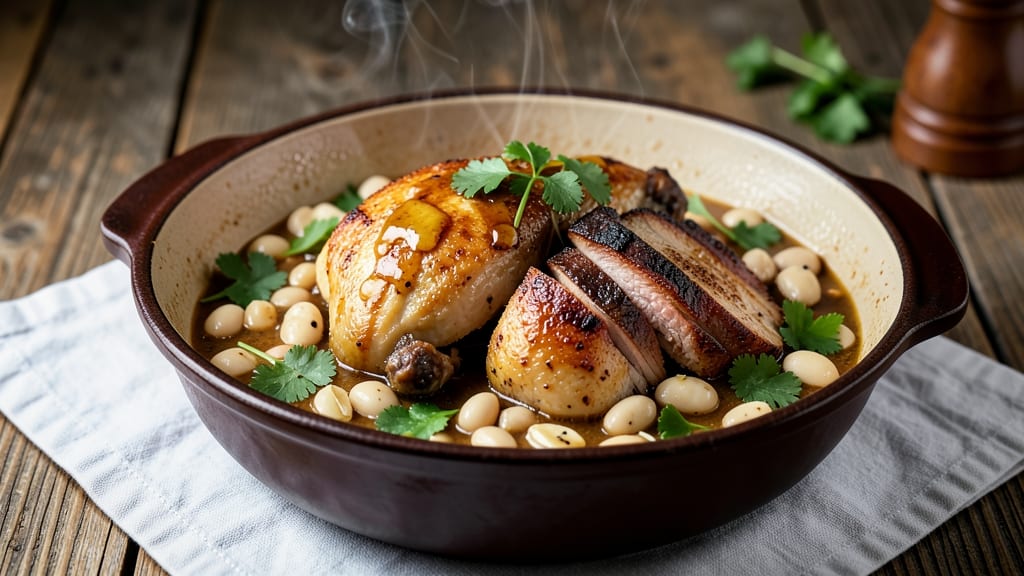
This chicken pochero with pork and beans recipe brings the soul-warming flavors of Filipino comfort food to your kitchen, slow-simmered in one pot until tender and fragrant. 💛 I first discovered this dish during a Boston neighborhood market trip, where a vendor described it as "Filipino chicken and rice's hearty cousin"—and I knew I had to recreate it.
The secret lies in braising the meats until they're practically falling apart, then letting the beans and aromatic spices meld into a rich, savory broth.
The beauty of pochero is its simplicity: just a handful of ingredients—chicken, pork, beans, and traditional seasonings—work together over time to create something deeply satisfying. Unlike quick weeknight meals, this dish rewards patience with layers of flavor that develop as it simmers.
The pork adds richness, the beans bring heartiness, and the chicken absorbs all the wonderful aromatics from the garlic, ginger, and bay leaves.
What you'll end up with is a steaming pot of tender chicken, melt-in-your-mouth pork, and perfectly cooked beans swimming in a fragrant broth that's perfect for serving over rice.
The dish is hearty enough to stand alone but elegant enough to feel special—ideal for family dinners or gatherings where you want to share something truly comforting. The aroma alone will have everyone gathering around the table.
This recipe stays true to its Filipino roots while being approachable for home cooks. The slow simmering process means you can prep ahead and let the flavors develop naturally, making it perfect for busy weeknights or weekend meals.
Serve it with steamed rice and a simple side salad to complete the experience. Let's get cooking!
Ingredients for chicken pochero recipe with pork and beans
Six ingredients make this Filipino comfort dish shine—pork, chicken, beans, and spices that simmer into pure soul food.
| Ingredient | Amount | Notes |
|---|---|---|
| Chicken Thighs 🍗 | 2 lb | Bone-in, skin-on preferred |
| Pork Shoulder 🐷 | 1 ½ lb | Cut into 2-inch chunks |
| Large White Beans 🌱 | 2 cups | Dried navy or cannellini beans |
| Garlic Cloves 🧄 | 8 cloves | Minced for aromatic base |
| Fresh Ginger 🌿 | 2 tbsp | Finely grated, fresh preferred |
| Bay Leaves 🍃 | 4 whole | Dried or fresh, standard size |
| Onions 🧅 | 2 whole | Yellow or red, sliced |
| Tomatoes 🍅 | 4 whole | Roma or vine-ripened, crushed |
| Soy Sauce 🍶 | ¼ cup | Light or regular, not low-sodium |
| Coconut Milk 🥥 | 1 can | Full-fat, 13.5 oz can |
| Salt 🧂 | 1 ½ tsp | Kosher or sea salt |
| Black Peppercorns 🌶️ | 1 tsp | Freshly ground preferred |
| Olive Oil 🫒 | ¼ cup | For initial searing |
| Green Onions 🧅 | ¼ cup | Sliced for garnish |
The pork shoulder is the star here—its rich fat keeps everything tender. Ask your butcher for bone-in cuts if available, but no worries if you grab pre-cut from the store. Chicken thighs hold up better than breasts in this long cook. For the beans, soak dried overnight or use canned (drained and rinsed)—just skip the salted ones. Ginger and garlic are non-negotiable; freshly grated ginger has more punch than powder. I always grab extra bay leaves—you can't overdo them in this dish.
No pork shoulder? Pork ribs or even chicken thighs work in a pinch, though the texture changes. Short on beans? Lentils at half the amount add earthiness. The soy sauce is key—Kikkoman or La Choy are reliable brands. Coconut milk can be swapped for coconut cream if you prefer richer texture. Fresh tomatoes are ideal, but canned San Marzano works in a bind. The green onions? Freeze extras in ice cube trays for future recipes.
This dish tastes even better the next day—make extra for leftovers. Keeps 4-5 days in the fridge or 3 months frozen. I portion mine into containers so lunches are sorted for the week. For reheating, add a splash of water or broth to prevent drying out. Serve over steamed rice—jasmine or long-grain both work perfectly.
Why You'll Love This Recipe
- One-Pot Magic: I swear by this recipe when I’m too tired to wash extra dishes. The chicken thighs and pork shoulder practically melt into the beans while simmering—just toss everything in one pot, add water, and let it do the work.
- Ginger-Garlic Punch: That fresh ginger and minced garlic? Oh, it’s good. The slow simmer pulls out all the warmth from the ginger while the garlic caramelizes just enough to give every bite a deep, savory kick.
- Leftovers That Don’t Suck: Honestly, this dish tastes better the next day. The flavors meld even more, and I always have enough for lunches—just reheat with a splash of water, and it’s like eating a restaurant-quality stew.
- Budget-Friendly Feast: Pork shoulder and chicken thighs stretch across multiple meals without breaking the bank, and the white beans add hearty texture for next to nothing. It’s my go-to when I need to feed a crowd without stress.
Step-by-step instructions for chicken pochero with pork and beans
This one-pot wonder delivers rich, comforting flavors that'll have everyone asking for seconds.
🔥 Step 1: Sear the Meats for Deep Flavor
Heat a large Dutch oven over medium-high heat and add the 0.25 cup olive oil. Once shimmering, add the 2 lb chicken thighs skin-side down. Cook undisturbed for 5-6 minutes until the skin is deep golden brown and crispy—this creates that signature rich flavor. Flip the chicken and sear the other side for 3-4 minutes.
Remove the chicken and set aside. In the same pot, add the 1.5 lb pork shoulder in 2-inch chunks and brown on all sides for 4-5 minutes until golden. You want maximum surface area caramelized—this builds the foundation for your sauce. Remove the pork and set aside with the chicken.
🍳 Step 2: Build the Aromatic Base
In the same Dutch oven, add the 2 whole onions sliced into wedges and cook for 5 minutes until softened and slightly golden. Add the 8 cloves garlic cloves (minced) and 2 tbsp fresh ginger (finely grated), stirring constantly for 1 minute until fragrant—you'll smell that gorgeous garlic-ginger aroma filling your kitchen.
Stir in the 4 whole tomatoes (crushed by hand) and cook for 3-4 minutes until the tomatoes break down into a thick paste. Add the 4 whole bay leaves and pour in the 0.25 cup soy sauce. Let this simmer for 2 minutes to meld the flavors together—this is where all the magic happens.
🥘 Step 3: Simmer the Beans and Meats Together
Add the 2 cups large white beans (rinsed if using dried) to the pot and stir to combine. Pour in 6 cups water (enough to just cover everything) and bring to a gentle boil. Once boiling, reduce heat to low and add the chicken and pork back to the pot.
Partially cover the pot and let it simmer for 1 hour until the beans are tender and the meats are fork-tender. Stir occasionally to prevent sticking, but don't worry about constant attention—this is a forgiving, hands-off process. You'll know it's ready when the chicken falls off the bone easily and the beans are creamy.
🥥 Step 4: Finish with Coconut Milk and Season
Stir in the 1 can coconut milk and let it simmer for another 10-15 minutes until the flavors meld beautifully. Add the 1.5 tsp salt and 1 tsp black peppercorns (freshly ground), adjusting to taste. The coconut milk should create a luscious, creamy sauce that coats everything.
Taste and adjust seasoning—you might need a little more salt or soy sauce to balance the flavors. This is where all the hard work pays off—each bite should be rich, savory, and comforting with perfect tenderness in every bite.
🍽️ Step 5: Serve with Fresh Garnish
Remove the 4 whole bay leaves before serving. Ladle the steaming hot pochero into bowls, making sure each serving gets plenty of beans, meat, and sauce. Garnish with the 0.25 cup green onions (sliced) for a fresh pop of color and brightness that cuts through the richness.
Serve immediately with steamed rice—this dish is all about that comforting, hearty experience where every spoonful feels like a warm hug. The combination of tender meats, creamy beans, and aromatic sauce makes this a true crowd-pleaser that'll become a regular in your meal rotation.
Pro Tips For Making Chicken Pochero Recipe With Pork And Beans
- START LOW, END SLOW: The pork shoulder needs time to break down—don’t rush it. Simmer at a gentle bubble (barely any movement) for the first 30 minutes, then drop to a whisper of a simmer once the beans soften. I used to crank the heat and ended up with tough meat and mushy beans. This recipe rewards patience.
- PEEL BEANS, DON’T SOAK: Skip the soaking—just peel the white beans (or use canned, drained) to cut cooking time by half. The starch in unpeeled beans thickens the broth into glue; peeled beans let the flavors focus on the meat. I learned this after sludging up three batches.
- BROWN THE MEAT FIRST: Sear the chicken thighs and pork shoulder in batches until deeply golden—no crowding, or you’ll steam instead of brown. The crust locks in flavor and keeps the meat from falling apart later. I was lazy once and got bland, greasy results. Worth the extra 10 minutes.
- ADD GINGER LAST: Toss the fresh ginger in at the very end—just before serving. It burns easily and turns bitter if simmered too long. A quick pulse in the food processor makes it easier to control. I used to add it early and wondered why my dish tasted off.
Storing and reheating your leftovers
Refrigerator Storage
Let your pochero cool completely before transferring to airtight containers—I swear by glass Pyrex with snap-on lids for best results. Store in the fridge at 40°F or below for up to 4-5 days, though I've found the flavors actually deepen overnight.
The beans soften further, and the meats become even more tender. Just give it a stir before reheating to redistribute any settled juices. 💛
Freezer Prep Tips
For longer storage, portion into quart-sized freezer bags with 1-inch headspace to prevent ice crystals. I like to freeze individual servings so I can grab one straight from the freezer for busy weeknights.
This dish keeps its quality for up to 3 months—just thaw overnight in the fridge before reheating. The coconut milk might separate slightly, but a quick stir brings everything back together.
Stovetop Reheating
My preferred method is stovetop because it preserves that creamy coconut texture. Transfer the desired amount to a pot, add ¼ cup water or chicken broth, and heat over medium-low heat for 10-15 minutes.
Stir occasionally to prevent sticking—this is where most home cooks go wrong by letting it boil dry. If it looks too thick, add a splash more liquid. The result should be just as rich as when you first made it. 🔥
Microwave Shortcut
For quick lunches, microwave covered portions in 2-minute intervals on 50% power, stirring between each interval. This gentle approach prevents rubbery beans or dry meats. If your microwave isn't powerful, add 2 tablespoons water before microwaving.
I always check the temperature reaches 165°F for food safety—use an instant-read thermometer if you're unsure. The green onions stay fresh, so add them after reheating for that bright pop of color.
Leftovers Magic
Pochero makes even better leftovers—trust me, I've tested this a dozen times. The next day, the beans become almost creamy, and the meats absorb all the aromatic flavors. I like to reheat a portion, then serve it over steamed rice with a side of quick-pickled vegetables for contrast.
The acidity from pickles cuts through the richness perfectly. This is how I feed my family for three meals after one cooking session. 💡
Make-Ahead Secret
Here's my pro tip: Make a double batch and freeze half immediately. When you're ready to eat, thaw it in the fridge overnight, then reheat. This way, you always have a comforting meal ready without last-minute stress.
I keep a dedicated container in my freezer labeled "Pochero Night" so I never forget it's there. The slow thawing process actually enhances the texture—it's like the beans get a second chance to soak up all those wonderful flavors. ✨
Nutrition facts
Frequently asked questions
Can I substitute pork ribs for pork shoulder in this recipe?
Yes! Pork ribs work perfectly—they'll add a slightly different texture but still deliver rich flavor. Just cut them into 2-inch pieces (including the meaty parts) and sear them until deeply browned. The cooking time remains the same since ribs break down similarly to shoulder during simmering. For extra tenderness, you might want to remove any large bones before serving.
What's the secret to getting the beans perfectly tender?
The key is patience and proper prep! For dried beans, soak overnight (or quick-soak for 2 hours in boiling water). Start with 6 cups water and simmer 1 hour—don't rush it. If using canned beans, drain and rinse well to remove excess sodium. The coconut milk at the end helps soften them further while adding creaminess. Never skip the simmering time—this is where the magic happens!
How do I make this dish vegetarian?
Swap the chicken and pork for firm tofu (pressed and cubed) and smoked tempeh (for meaty texture). Use 1 block tofu + 1 pack tempeh total. Marinate them in ¼ cup soy sauce + 1 tbsp coconut milk for 30 minutes before cooking. The beans and coconut milk will still create that rich, satisfying base. For extra protein, add 1 cup cooked lentils with the beans.
Can I make this in an Instant Pot or slow cooker?
For the Instant Pot: Sauté meats and aromatics as directed, then add everything (including 6 cups water) and cook on high pressure for 25 minutes, followed by a 10-minute natural release. For slow cooker: Combine all ingredients (except coconut milk) and cook on low for 6-7 hours or high for 3-4 hours. Stir in coconut milk during the last 30 minutes of cooking. The textures will be slightly different but still delicious!
Why does my pochero taste too salty?
This usually happens from canned beans or soy sauce. Start by tasting the beans before adding them—if they're salty, rinse them thoroughly. For the soy sauce, use ¼ cup light soy sauce instead of regular (it's about 50% less salty). If it's still too salty after cooking, stir in 1-2 tbsp coconut milk or ¼ cup water to dilute. Remember, you can always add more seasoning, but you can't remove salt!