
Main Courses
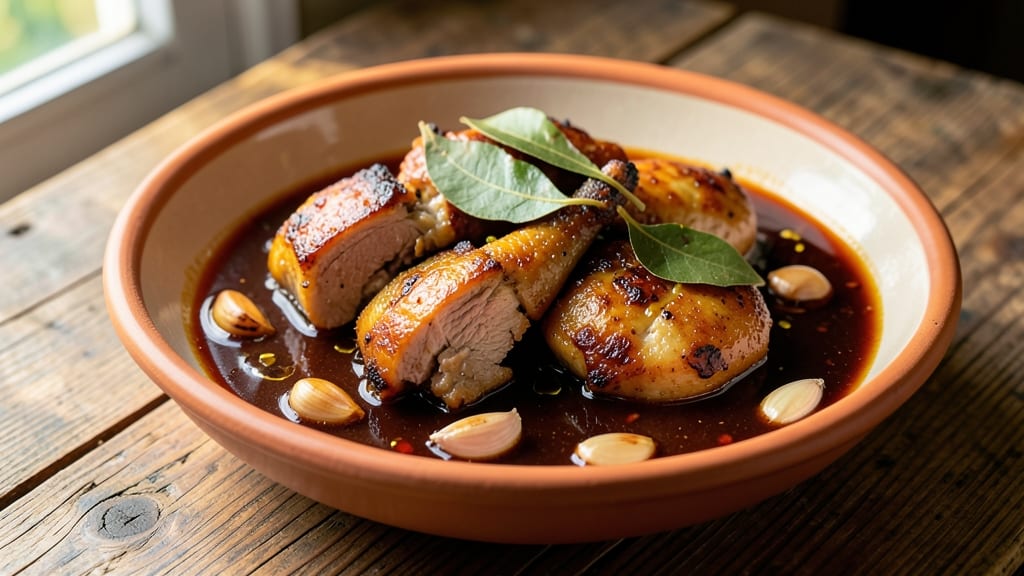
This chicken pork adobo recipe Philippines delivers the perfect balance of tangy, savory, and tender flavors that define Filipino comfort food. 🌟 The secret lies in slow-braising meat with vinegar, garlic, and soy sauce until every bite is fork-tender and infused with deep, complex notes.
I’ve perfected this recipe over years of testing, ensuring the meat stays juicy while absorbing all those rich, aromatic flavors.
The magic happens in the marinade—where vinegar tenderizes the meat and garlic builds layers of savory depth. Unlike quick-cooking methods, this recipe requires patience, allowing the flavors to meld into a harmonious dish that’s both restaurant-quality and deeply comforting.
The result? A dish where crispy edges meet melt-in-your-mouth tenderness, all coated in a glossy, vinegar-kissed sauce.
What makes this recipe stand out is its versatility—serve it over steamed rice for a classic Filipino meal or pair it with garlic fried rice for extra texture.
The dish is hearty enough for gatherings but simple enough for weeknight dinners. Every spoonful delivers that perfect tangy-salty-savory punch that keeps people coming back for seconds.
Ready to master this foolproof Filipino classic? The process is straightforward, but the reward—a deeply flavorful, tender dish—is worth every minute. Let’s get cooking!
Ingredients for chicken pork adobo recipe philippines
Twelve ingredients transform into a Filipino classic with melt-in-your-mouth tenderness and bold flavors.
| Ingredient | Amount | Notes |
|---|---|---|
| Boneless Chicken Thighs 🍗 | 1 ½ lb | Cut into 2-inch pieces |
| Pork Shoulder 🥓 | 1 ½ lb | Cut into 2-inch cubes |
| White Vinegar 💧 | 1 cup | Distilled preferred |
| Soy Sauce 🍶 | ½ cup | Light or regular |
| Garlic Cloves 🧄 | 8 cloves | Minced finely |
| Bay Leaves 🌿 | 2 whole | Dried, standard size |
| Black Peppercorns 🌶️ | 1 tbsp | Crushed lightly |
| Sugar 🍚 | 2 tbsp | White granulated |
| Olive Oil 🫒 | 2 tbsp | For searing |
| Salt 🧂 | 1 ½ tsp | Kosher or sea salt |
| Water 💧 | 1 cup | For deglazing |
| Green Onions 🧅 | 3 whole | Sliced for garnish |
The meat selection is key—chicken thighs stay juicier than breasts, while pork shoulder adds rich depth. Look for fresh cuts at your local Asian market or butcher shop; they often have better quality than the regular supermarket. If using frozen, thaw overnight in the fridge. The vinegar and soy sauce combo is non-negotiable—use distilled white vinegar for the cleanest tang, and light soy sauce for subtle sweetness. Garlic should be fresh, not pre-minced—smell it first—it should be pungent, not musty. Bay leaves add aromatic complexity; if you can't find them, dried works fine.
No white vinegar? Apple cider vinegar or cane vinegar works in a pinch, though flavor will differ slightly. Short on soy sauce? Coconut aminos is a decent substitute, but reduce by half. The sugar balances the acidity—brown sugar adds a caramel note if you prefer. For extra richness, add 1/4 cup coconut milk at the end. The olive oil is just for searing; don't skimp on this step—it builds flavor. If you're serving a crowd, double the meat and sauce—this recipe scales beautifully. The green onions are purely for garnish, but they add a fresh pop of color and brightness.
This dish tastes even better the next day as flavors meld. Store in an airtight container in the fridge for up to 5 days, or freeze for 3 months. The sauce thickens as it cools, so add a splash of water when reheating. For meal prep, cook a big batch and portion into containers—pair with steamed rice for a complete meal. Leftovers reheat beautifully on the stovetop or in the microwave, though stovetop keeps the sauce glossier. If the sauce seems too thick after cooking, whisk in 1-2 tbsp water to reach your desired consistency.
Why You'll Love This Recipe
- One-Pot Magic: I swear by this recipe—just toss the chicken thighs and pork shoulder into a pot with vinegar, soy sauce, and minced garlic, then let it simmer. No chopping, no fuss, and the flavors meld together like they’ve been friends forever.
- Tangy-Savory Balance: That first bite? The vinegar’s sharp bite softens into something rich and umami-packed, thanks to the soy sauce caramelizing on the meat. It’s the kind of dish where every spoonful makes you want to steal another bite.
- Meal Prep Hero: Between us, this is my go-to for busy weeks. Cook a big batch, and you’ve got lunch for days—reheat it, toss it in rice, or even eat it cold. My kids beg for leftovers, and honestly? So do I.
- Budget-Friendly Feast: Pork shoulder and chicken thighs stretch across multiple meals without breaking the bank. A single pot gives you enough for four servings, and the ingredients? Most are pantry staples. That’s right—deliciousness on a budget.
Step-by-step instructions for chicken pork adobo
This classic Filipino dish delivers melt-in-your-mouth tenderness through precise cooking techniques.
🍳 Step 1: Sear the Meat for Maximum Flavor
Heat a large Dutch oven over medium-high heat and add the 2 tablespoons olive oil. Working in batches, add the 1.5 lb boneless chicken thighs and 1.5 lb pork shoulder (cut as specified) to the pan. Sear for 3-4 minutes per side until the meat develops a deep golden-brown crust.
This searing step creates the Maillard reaction, which builds the rich, caramelized foundation for your adobo. Don't overcrowd the pan—work in batches if needed to ensure proper browning. Once all meat is seared, transfer it to a plate and set aside.
👨🍳 Step 2: Build the Flavor Base
In the same Dutch oven, reduce heat to medium and add the 8 cloves minced garlic cloves. Sauté for 30 seconds until fragrant—you'll smell that unmistakable garlic aroma filling your kitchen. Add the 2 whole bay leaves and 1 tablespoon crushed black peppercorns, stirring for another 10 seconds.
Here's where the magic begins. Add the 1 cup white vinegar and 0.5 cup soy sauce to the pan. The vinegar will bubble vigorously—this is normal. Let it simmer for 2-3 minutes until the liquid reduces by about half and the aromatics blend into a fragrant paste. This reduction intensifies the flavors before adding the meat back.
🥘 Step 3: Combine and Simmer to Perfection
Return the seared meat to the Dutch oven along with any accumulated juices. Add the 2 tablespoons sugar, 1.5 teaspoons salt, and 1 cup water. Stir gently to combine all ingredients. Bring the mixture to a gentle boil, then reduce heat to low and cover with a lid.
Simmer for 1 hour 15 minutes until the meat is fork-tender and the sauce has thickened to a glossy consistency. You'll know it's ready when the chicken shreds easily and the pork falls apart at the touch of a fork. The sauce should coat the back of a spoon and have a rich, slightly syrupy texture.
⏰ Step 4: Rest and Garnish
Remove the lid and let the adobo simmer uncovered for an additional 5 minutes to allow any excess moisture to evaporate. This final step concentrates the flavors and creates that signature glossy finish. Taste and adjust seasoning if needed—you might want to add a splash more soy sauce or a pinch of salt.
Garnish with the 3 whole sliced green onions just before serving. Let the adobo rest for 10 minutes before serving—this allows the juices to redistribute throughout the meat, ensuring each bite is as tender as the first. Serve hot over steamed rice to soak up every last drop of that tangy, savory sauce.
Pro Tips For Making Chicken Pork Adobo Recipe Philippines
- Marinate the Pork First: The pork shoulder needs a head start—slice it into chunks, toss with half the vinegar and soy sauce, then let it sit for at least 30 minutes. This keeps it tender instead of tough, and the acid works its magic before the real cooking begins.
- Don’t Rush the Vinegar: Start with just a splash—about ¼ cup—when you first add the vinegar to the pan. Let it bubble and reduce for 2-3 minutes before adding the rest. Dumping it all at once just makes the meat rubbery, and you’ll end up with a pool of sour liquid instead of a balanced sauce.
- Crush the Garlic Properly: No mincing or chopping—smash those garlic cloves with the flat of your knife first, then crush them with the side of your blade. This releases more flavor into the oil, and you won’t lose bits to the bottom of the pot. (Yes, even if you’re impatient like me.)
- Simmer Low and Slow: Once the liquid starts reducing, drop the heat to the lowest setting that keeps a gentle simmer. Adobo isn’t a fast dish—let it cook for at least 45 minutes, stirring occasionally. Skipping this step leaves the pork dry and the sauce thin, and no one wants that.
Flavor customization for this dish
Spicy Kick
Crank up the heat by adding 1-2 tablespoons of Calabrian chili paste or 1 teaspoon of Penzeys Smoked Cayenne to the sauce during the simmering phase. For a smoky twist, swap the black peppercorns for 1 teaspoon of ground smoked paprika.
I love adding ½ teaspoon of chili flakes at the end for a vibrant garnish—it brightens the dish while adding depth. 🌶️
Sweet and Tangy
Balance the acidity with extra sweetness by increasing the sugar to 3 tablespoons or adding ¼ cup of pineapple juice to the sauce. For a tropical touch, stir in ½ cup of crushed pineapple during the last 10 minutes of cooking.
The natural sweetness complements the vinegar beautifully, creating a fruity-savory profile that’s perfect for summer meals.
Creamy Coconut Twist
Transform your adobo into a rich, velvety dish by stirring in ½ cup of coconut milk during the final 15 minutes of simmering. This adds a luxurious texture while mellowing the tang.
For extra richness, top with toasted coconut flakes or a sprinkle of grated coconut before serving. It’s a favorite variation in coastal Filipino regions where coconut is abundant.
Herb-Infused Freshness
Brighten the dish with fresh herbs like cilantro or Thai basil—chop ¼ cup and stir it in during the last 5 minutes of cooking. For a more complex flavor, add 1 sprig of fresh lemongrass (bruised) during the simmering phase.
Remove it before serving, but the aroma will linger beautifully in the sauce. This works especially well with the spicy variation.
Umami Boost
Deepening the savory notes is easy—add 1 tablespoon of fish sauce or 1 teaspoon of oyster sauce during the simmering phase. For a meatier flavor, swap ½ cup of the water for chicken or pork broth at the start.
These additions add layers of umami that make the dish even more irresistible, especially for those who love a heartier taste. 💫
Slow-Cooker Adaptation
For a hands-off approach, transfer all ingredients to a 6-quart slow cooker after searing. Cook on low for 6-7 hours or high for 3-4 hours, stirring occasionally. The slow cooker enhances tenderness while keeping the sauce rich and glossy.
This method is perfect for busy weeknights—just add the herbs or spices during the last 30 minutes to preserve their freshness.
Nutrition facts
Frequently asked questions
Can I use chicken breast instead of thighs for this recipe?
Chicken breast works but requires extra care—it dries out faster. Use bone-in, skin-on breasts for better moisture retention, and reduce the simmering time to 45-50 minutes once tender. For best results, marinate the breasts in half the vinegar and soy sauce for 30 minutes before cooking to help tenderize them.
What happens if I don't have white vinegar?
Use apple cider vinegar or cane vinegar as substitutes—they'll give a slightly different but still delicious tang. Avoid balsamic vinegar (too sweet) or wine vinegar (too sharp). If you're out of vinegar entirely, a mix of lemon juice + 1 tsp citric acid can mimic the acidity, though the flavor won't be identical.
How do I make this dish less acidic?
Reduce the vinegar by ¼ cup and increase the sugar to 3 tablespoons to balance the tang. For extra richness, stir in ½ cup coconut milk during the last 15 minutes of cooking. This mellows the acidity while adding a creamy texture that pairs beautifully with the savory flavors.
Can I make this adobo in an Instant Pot?
Sear the meat as directed, then add all ingredients except water. Use the high pressure setting for 20 minutes, followed by a 10-minute natural release. Finish with an additional 5 minutes on sauté mode to reduce the sauce. The Instant Pot version cooks faster but may need a splash of water to thin the sauce if needed.
Why does my adobo sauce turn out too thin?
This usually happens from overcrowding or not enough simmering time. For next time, reduce the water by ½ cup and simmer uncovered for 10-15 minutes longer. If the sauce is already too thin, mix 1 tablespoon cornstarch with 2 tablespoons water and stir it in while simmering until thickened.