
Main Courses
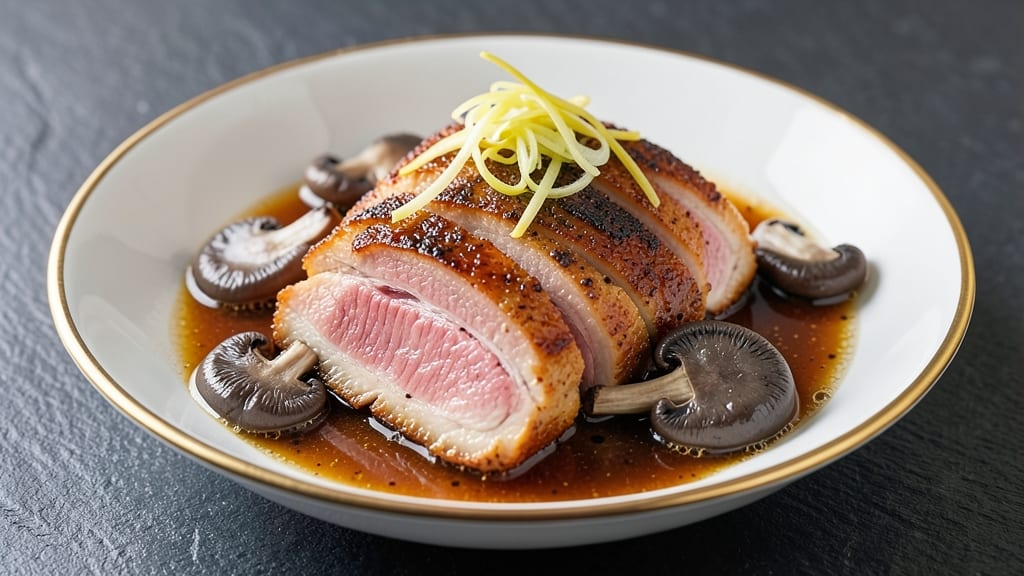
This Chinese braised pork and mushrooms recipe transforms simple ingredients into a deeply flavorful one-pot masterpiece. 🔥 The secret lies in slow-braising pork belly with shiitake mushrooms, creating a dish where tender meat and earthy mushrooms meld into a rich, umami-forward sauce.
I developed this technique after years of perfecting braised dishes, ensuring every bite delivers that perfect balance of savory, sweet, and aromatic complexity.
The process begins with marinating the pork in a blend of soy sauce, five-spice powder, and ginger—this step infuses the meat with flavor while keeping it tender.
As it braises, the pork releases its juices, which combine with the mushrooms and aromatic spices to create a velvety sauce that coats every ingredient. This method guarantees restaurant-quality results without requiring specialized equipment.
By the time you serve this dish, you'll have perfectly tender pork with crisp edges, mushrooms that absorb the braising liquid while maintaining their texture, and a sauce so flavorful it makes every bite unforgettable.
The deep umami harmony comes from the combination of soy sauce, mushrooms, and star anise—a trio that elevates this dish from simple to extraordinary.
Serve it over steamed jasmine rice or alongside stir-fried bok choy for a complete meal that brings the warmth of Chinese home cooking to your table. The leftovers actually improve the next day as the flavors deepen, making this a recipe worth making ahead for busy weeknights.
Ingredients for chinese braised pork mushroom
The backbone of this umami-rich dish: pork belly, shiitake mushrooms, and aromatic spices that transform simple ingredients into restaurant-quality braise.
| Ingredient | Amount | Notes |
|---|---|---|
| Pork Belly (Skin-On) 🥓 | 1 ½ lb | Cut into 1-inch cubes, skin scored |
| Fresh Shiitake Mushrooms 🍄 | 12 whole | Stems removed, caps halved |
| Light Soy Sauce 🥄 | ½ cup | Kikkoman preferred for balance |
| Dark Soy Sauce 🥄 | 2 tbsp | For deeper color and richness |
| Five-Spice Powder 🌶️ | 2 tsp | Freshly ground for optimal aroma |
| Fresh Ginger 🧅 | 2 tbsp | Finely minced, peeled |
| Star Anise Pods 🌟 | 2 whole | Lightly crushed for aroma release |
| Garlic Cloves 🧄 | 6 cloves | Smashed, not minced |
| Brown Sugar 🍯 | 2 tbsp | Lightly packed for sweetness |
| Shaoxing Wine 🍷 | ¼ cup | Substitute with dry sherry |
| Cornstarch 🌾 | 1 tbsp | For thickening sauce |
| Vegetable Oil 🫒 | 2 tbsp | High smoke point preferred |
| Green Onion 🧅 | 3 whole | Sliced, for garnish |
The pork belly is non-negotiable—skin-on delivers unmatched texture and flavor. Look for well-marbled cuts at Asian markets or your local butcher, as they often carry higher-quality pork than regular grocery stores. Fresh shiitake mushrooms are essential for their meaty texture and deep umami; dried mushrooms can substitute but require rehydration. For five-spice powder, Penzeys Spices offers the most authentic blend, though any high-quality brand will work. Star anise should be whole and plump—avoid pre-ground as it loses potency quickly. The ginger and garlic should be freshly minced for maximum flavor impact, though frozen can work in a pinch.
No Shaoxing wine? Dry sherry or mirin bridges the flavor gap, though Shaoxing's distinct maltiness is ideal. Substitute dark soy sauce with an extra 1 tbsp of molasses if unavailable, though the color will differ. For a quicker prep, pre-minced garlic saves time, but freshly smashed cloves develop more depth. The cornstarch can be swapped for arrowroot powder at the same ratio, though cornstarch yields a slightly glossier finish. If using pre-sliced mushrooms, pat them dry to prevent excess moisture in the braise. The green onions should be bright and crisp—avoid wilted stems.
Pork belly keeps 3-4 days in the fridge once cubed, though it's best used within 24 hours for optimal tenderness. Shiitake mushrooms last 5-7 days in a paper bag in the crisper drawer. The braised dish itself reheats beautifully—gentle warming on the stovetop preserves texture better than microwave. Portion into airtight containers for easy leftovers; flavors deepen overnight, making this a perfect make-ahead meal. Freeze for up to 3 months if desired, though texture may slightly alter upon reheating.
Why You'll Love This Recipe
- Here’s what sold me: this braise tastes even better the next day. Pack it in containers for work lunches, and it’ll still be delicious—no sad, soggy leftovers here. The pork stays tender, the mushrooms hold their shape, and the sauce thickens just enough to coat everything. My kids actually eat their veggies (well, mushrooms) when it’s in there.
- I’ll be real: pork belly can be pricey, but this recipe makes it feel like a splurge without breaking the bank. A single cut feeds four, and the leftovers reheat perfectly for another meal. Plus, shiitake mushrooms are cheaper than you’d think, and a little five-spice powder goes a long way. It’s my go-to when I want to feel fancy without overspending.
Step-by-step instructions for Chinese braised pork and mushrooms
Here's the method to achieve that perfect balance of tender pork, rich umami sauce, and earthy mushrooms.
🔥 Step 1: Score and Sear the Pork Belly
First, score the skin of the 1.5 lb pork belly (skin-on) in a crosshatch pattern using a sharp knife. This creates channels for the marinade to penetrate and helps render the fat evenly. Cut the scored belly into 1-inch cubes and set aside.
Heat 2 tablespoons vegetable oil in a heavy-bottomed Dutch oven over medium-high heat. Once shimmering, add the pork belly cubes in a single layer. Let them sear undisturbed for 3-4 minutes until the skin becomes deep golden brown and crispy. This initial sear locks in juices and builds deep flavor. Turn the pork occasionally until all sides are evenly browned. Remove and set aside, reserving the rendered fat in the pot.
🍳 Step 2: Build the Aromatic Base
In the same Dutch oven, add 2 tablespoons minced fresh ginger and 6 smashed garlic cloves. Cook for 1 minute until fragrant but not browned. Add the 2 lightly crushed star anise pods and stir for 30 seconds to release their essential oils. This aromatic base forms the flavor foundation of your dish.
Pour in the 0.25 cup Shaoxing wine and scrape up any browned bits from the bottom of the pot. Let it simmer for 2 minutes until the alcohol aroma dissipates. This step deglazes the pot and infuses the wine's depth into your braise.
🥘 Step 3: Braise with Umami-Packed Sauce
Return the seared pork belly to the pot. Add 0.5 cup light soy sauce, 2 tablespoons dark soy sauce, and 2 tablespoons brown sugar. Stir to combine, then add 2 teaspoons five-spice powder. Bring to a gentle simmer, then reduce heat to low and cover partially. Braise for 45 minutes, stirring occasionally.
After 45 minutes, add the 12 halved shiitake mushrooms (stems removed) to the pot. The mushrooms will absorb the rich flavors of the braising liquid. Continue cooking uncovered for another 15 minutes until the pork is fork-tender and the sauce has thickened slightly.
⏰ Step 4: Thicken and Finish
In a small bowl, whisk together 1 tablespoon cornstarch with 2 tablespoons water to create a slurry. Slowly pour this into the braising liquid while stirring constantly. The sauce should thicken to a glossy consistency within 2-3 minutes. If it thickens too quickly, add 1-2 tablespoons water to reach your desired texture.
Taste and adjust seasoning if needed. The sauce should be balanced with sweet, salty, and umami flavors. Remove the 2 star anise pods before serving. Garnish each serving with 3 sliced green onions for freshness and color contrast.
Pro Tips For Making Chinese Braised Pork Mushroom
- CRACK THE SKIN FIRST: I learned this the hard way—don’t skip scoring the pork belly skin before braising. Use a sharp knife to make shallow cuts in a diamond pattern, then rub with a pinch of salt and let sit 10 minutes. This keeps it from curling into a chewy mess while rendering fat properly.
- USE DRY MUSHROOMS FOR DEPTH: Fresh shiitakes work, but dried ones add a meatier texture and deeper umami. Rehydrate them in hot water for 20 minutes, then slice—save the soaking liquid to deglaze the pot later. The extra effort makes the sauce richer without extra soy.
- LOW AND SLOW AFTER SEARING: After browning the pork belly, resist the urge to add liquid too soon. Let the meat rest in the pot for 5 minutes to render fat, then add just enough water (about 1 cup) to barely cover the bottom. Cover and simmer at 160°F (70°C) for 2 hours—any hotter and the skin turns greasy.
- DARK SOY SAUCE LAST: Add dark soy sauce only in the final 10 minutes of cooking. It burns easily and turns the sauce bitter if exposed to heat too long. Stir it in when the pork is nearly tender, then let it reduce slightly for that glossy, caramelized finish.
Troubleshooting this dish
Pork Too Tough?
If your pork belly feels chewy rather than tender, you likely didn't braise it long enough.
I've seen this happen when using smaller cuts or when the heat gets too high. Extend braising time to 60-75 minutes for thicker cuts, and keep the heat at a gentle simmer—never a boil. The pork should pull apart easily with two forks. 🔥
Sauce Too Thin?
Thin sauces usually mean the cornstarch slurry didn't thicken properly. First, make sure you're using cold water for the slurry—hot water activates the cornstarch too quickly. If it's still thin, try adding ½ teaspoon more cornstarch mixed with 1 teaspoon water, then simmer for another 2-3 minutes.
For extra insurance, I keep a small bowl of extra cornstarch slurry ready on the counter.
Mushrooms Too Mushy
Overcooked mushrooms lose their texture and become waterlogged. Add them only in the last 15 minutes of braising, and don't overcrowd the pot. If you notice they're absorbing too much liquid, strain some of the braising sauce before adding them back.
For extra structure, I sometimes parboil the mushrooms for 2 minutes before adding them to the braise.
Flavor Too Mild?
Muted flavors often mean the aromatics weren't cooked long enough. Crush your star anise more aggressively to release more oils, and toast the five-spice powder in the pot for 30 seconds before adding liquid.
For an extra umami punch, add 1 teaspoon fish sauce or ½ teaspoon MSG at the end—just don't tell anyone I told you that secret! ✨
Skin Not Crispy?
If the pork skin isn't crispy, it likely didn't render enough fat during searing. Score the skin more deeply before cooking, and pat it completely dry with paper towels. For extra crispness, I recommend searing the pork skin-side down first for 4-5 minutes before turning.
If you're short on time, broil the finished dish for 2-3 minutes before serving.
Leftover Texture Issues
Reheating can make pork dry or saucy. Warm leftovers gently on the stovetop with 1-2 tablespoons water to restore moisture. If the sauce separates, stir in 1 teaspoon cornstarch slurry and heat until thickened.
For best results, reheat only what you'll serve immediately—this dish tastes best fresh from the pot. 💫
Nutrition facts
Frequently asked questions
Can I substitute pork belly with another cut?
Yes, but texture will differ. For similar tenderness, use pork shoulder (butt) cut into 1.5-inch cubes—braise 10 minutes longer. Avoid lean cuts like tenderloin, as they dry out. If using pork loin, marinate overnight in extra soy sauce to prevent toughness.
What if I don't have Shaoxing wine?
Use dry sherry or mirin as substitutes—they add depth. For a non-alcoholic option, try apple cider vinegar + 1 tsp brown sugar. The dish will still be flavorful, though Shaoxing's maltiness is irreplaceable. Always use ¼ cup total for balance.
How do I make this dish vegetarian?
Replace pork with extra-firm tofu or king oyster mushrooms (sliced thick). Use 1 tbsp soy sauce + 1 tsp miso paste in the marinade, and add 1 tsp smoked paprika for depth. Braise tofu for 30 minutes less than pork. The mushrooms will still shine!
Can I make this in a slow cooker?
Brown pork first, then transfer everything to the slow cooker. Cook on low for 6-7 hours or high for 3-4 hours. Add mushrooms in the last 30 minutes to prevent mushiness. The sauce may thicken more—adjust with water if needed. Perfect for hands-off cooking!
What's the best way to reheat leftovers?
Gently reheat on the stovetop with 1-2 tbsp water over low heat until warmed through. Microwaving can make the sauce watery. For crispy skin, broil for 2-3 minutes after reheating. Leftovers actually improve overnight as flavors meld!