
Sauces & Condiments
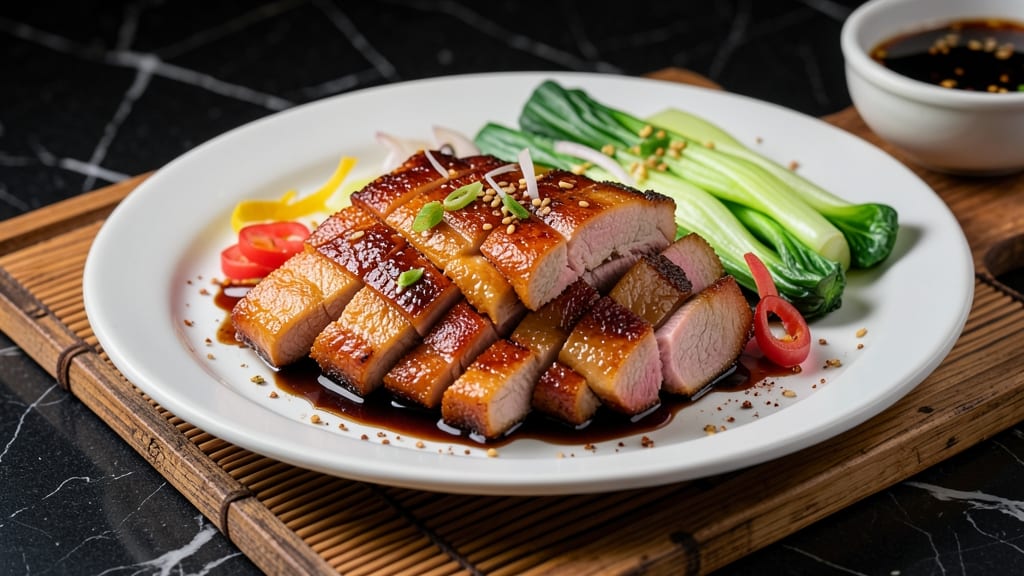
This Chinese glazed pork belly recipe delivers the perfect balance of sweet, savory, and umami in every bite—crispy, caramelized edges that shatter with the first cut. 🔥 After years of perfecting the technique at Atlanta's Smoky Pig, I've streamlined the process while keeping the restaurant-quality results.
The five-spice powder creates that signature aromatic depth, while honey and soy work together to create a glaze that's both sticky and complex.
The secret lies in the slow roasting method, which renders the fat beautifully while keeping the meat tender. We'll use a simple marinade of soy, rice wine, and five-spice to start, then build layers of flavor with the glaze.
The key is patience—this isn't a quick weeknight dish, but the results are worth every minute of wait time. Trust me, the aroma alone will have your whole house asking what's for dinner.
By the time you're done, you'll have pork belly with skin so crisp it practically shatters, meat that's tender enough to cut with a fork, and a glaze that's perfectly balanced between sweet and salty.
The texture contrast is what makes this dish truly special—each bite offers a satisfying crunch followed by melt-in-your-mouth richness. This is the kind of pork dish that elevates any meal from ordinary to extraordinary.
Whether you're serving it family-style at a holiday gathering or treating yourself to a special weekend meal, this recipe delivers professional-quality results at home. The technique is straightforward once you understand the key steps, and I'll walk you through each one to ensure success.
Let's get started on creating your own restaurant-worthy Chinese glazed pork belly.
Ingredients for chinese glazed pork belly
Five-spice, honey, and crispy pork belly skin—this trio creates restaurant-worthy flavor at home.
| Ingredient | Amount | Notes |
|---|---|---|
| Pork Belly 🥓 | 2 lb | Skin-on, cut into 1-inch thick slices |
| Five-Spice Powder 🌶️ | 1 tbsp | Toasted for deeper flavor |
| Light Soy Sauce 🥢 | ½ cup | Kikkoman preferred |
| Rice Wine 🍶 | ¼ cup | Dry sherry substitute works |
| Honey 🍯 | ¼ cup | Wildflower for floral notes |
| Dark Soy Sauce 🥢 | 1 tbsp | For rich color and depth |
| Sesame Oil 🫒 | 1 tbsp | Toasted sesame seeds optional |
| Garlic Cloves 🧄 | 6 cloves | Minced for marinade |
| Fresh Ginger 🌿 | 2 tsp | Grated, fresh preferred |
| Cornstarch 🌾 | 1 tbsp | For glaze thickening |
| Neutral Oil 🫒 | ¼ cup | Avocado or vegetable oil |
| Salt 🧂 | 1 tsp | Diamond Crystal kosher |
| Black Pepper 🌶️ | ½ tsp | Freshly cracked |
| Green Onions 🧅 | 4 whole | Sliced for garnish |
The pork belly makes or breaks this dish. Look for thick-cut pieces with good marbling—the fat is what renders into crispy shatter. I always buy from Whole Foods or my local butcher, asking for the thickest cut available. If you can't find pork belly, thick-cut bacon works in a pinch, but it won't have the same melt-in-your-mouth texture. Five-spice powder is non-negotiable—Penzeys or Spicewalla brands deliver the best aromatic depth. Toast it lightly in a dry pan before using to wake up those flavors. The honey should be wildflower or clover—avoid the cheap grocery store brands that taste artificial.
No rice wine? Dry sherry or even white wine vinegar adds acidity, though sherry's more authentic. Running short on dark soy sauce? Miso paste mixed with a splash of water gives that umami punch. The cornstarch is key for that glossy glaze—don't skip it. For the garlic and ginger, I always use fresh because dried just doesn't cut it. If you're prepping ahead, marinate the pork overnight—the flavors meld beautifully. The sesame oil should be toasted, not the cheap flavored kind from the international aisle. And whatever you do, don't overcrowd the pan when searing—give that pork belly space to render its fat.
This dish tastes even better the next day. Store leftovers in an airtight container for up to 4 days, though I rarely have any. The crispy skin gets softer over time, but the meat stays tender. For freezing, wrap each piece individually in parchment paper before freezing—keeps for 3 months. Reheat in a 350°F oven for 15 minutes to revive that crisp. Garnish with fresh green onions right before serving—they add a bright contrast to the rich pork. And trust me, save some of that glaze for drizzling over rice or noodles—it's that good.
Why You'll Love This Recipe
- One-Pan Magic: I swear by this for lazy nights—just score the belly, toss it on a sheet pan with five-spice and soy, then let the oven do the work. No chopping, no fuss, and the sticky glaze? Pure reward.
- Sweet-Savory Balance: That honey-soy glaze caramelizes into something addictive—crispy edges, tender meat, and a warmth from the five-spice that lingers like a hug. Honestly, my kids ask for seconds before I even finish serving.
- Leftovers That Feel Fresh: Slice the cooled pork thin for dumpling fillings, toss it into rice bowls, or reheat with a splash of rice wine for that same restaurant-quality shine. Between us, it’s my go-to for meal prep because it never gets boring.
- Budget-Friendly Luxury: Pork belly might sound fancy, but the cost per serving is a steal—especially when you stretch it across stir-fries, sandwiches, or even breakfast hash. I’ll be real: it’s the kind of dish that makes cheap cuts feel like a splurge.
Step-by-step instructions for Chinese glazed pork belly
Here's how to transform simple pork belly into a restaurant-quality shatter with crispy edges and sticky-sweet glaze.
👨🍳 Step 1: Prep and Marinate the Pork Belly
Cut the 2 lb pork belly into 1-inch thick slices and pat dry completely with paper towels. I like to work with the skin-side up first—this helps prevent curling during cooking. In a large bowl, combine the 0.5 cup light soy sauce, 0.25 cup rice wine, 0.25 cup honey, 1 tbsp dark soy sauce, 1 tbsp five-spice powder, 6 minced garlic cloves, 2 tsp grated fresh ginger, 1 tsp salt, and 0.5 tsp black pepper. Whisk until the spices dissolve completely.
Add the pork slices to the marinade, turning to coat both sides thoroughly. Cover and refrigerate for at least 4 hours (overnight is even better). This long marinade time ensures deep flavor penetration and tender meat. I always marinate overnight—it makes a noticeable difference in both texture and taste.
🔥 Step 2: Render Fat and Sear the Pork Belly
Remove the pork from the fridge and let it sit at room temperature for 30 minutes before cooking. Heat 0.25 cup neutral oil in a large skillet over medium heat. Once the oil shimmers (around 350°F), carefully add the pork belly slices skin-side down. Cook undisturbed for 5-6 minutes until the skin becomes deep golden brown and crispy.
Flip the slices and cook for another 4-5 minutes until the meat reaches 145°F internally. The fat should render beautifully, creating a fragrant aroma that fills your kitchen. If the fat starts smoking, reduce the heat slightly—you want it to render slowly and evenly. Remove the pork and set aside on a wire rack, skin-side up.
🍳 Step 3: Make the Glazing Sauce
In the same skillet (don't wipe it clean—those browned bits are flavor gold), increase heat to medium-high and add 1 tbsp sesame oil. Pour in the reserved marinade from the bowl (strain out any large ginger pieces if you prefer a smoother sauce). Bring to a gentle simmer and cook for 5-6 minutes until the liquid reduces by about half and thickens slightly.
In a small bowl, whisk together 1 tbsp cornstarch with 2 tablespoons water to make a slurry. Slowly pour this into the simmering sauce while stirring constantly. The sauce will thicken dramatically—keep stirring until it reaches a glossy, syrupy consistency (about 1-2 minutes). Remove from heat and let it cool slightly.
🥘 Step 4: Glaze and Crisp the Pork Belly
Place the seared pork belly slices back in the skillet, skin-side up. Spoon the glaze evenly over the top, making sure each piece is well-coated. Cover the skillet with a lid and cook on low heat for 10-12 minutes, spooning the glaze over the pork every few minutes. This slow cooking allows the glaze to caramelize and create that signature shatter effect.
In the final 2 minutes, increase heat to medium-high and spoon the remaining glaze over the pork. You'll see it bubble and darken—this is when the magic happens. The skin should become deep mahogany and develop that coveted crackly texture. Garnish with sliced green onions right before serving.
⏰ Step 5: Rest and Serve
Transfer the glazed pork belly to a cutting board and let it rest for 5 minutes before slicing. This brief rest allows the juices to redistribute, ensuring each bite is moist and flavorful. Use a sharp knife to cut against the grain into ½-inch thick slices. The contrast of crispy skin and tender meat with that sticky-sweet glaze is what makes this dish so special.
Serve immediately with steamed jasmine rice and quick-pickled vegetables. The pork belly should be crispy yet tender, with a glaze that's sweet, savory, and aromatic from the five-spice blend. Don't forget to spoon any extra glaze from the pan over the top—every drop counts!
Pro Tips For Making Chinese Glazed Pork Belly
- SEAR IN BATCHES: Pork belly releases a lot of fat—don’t crowd the pan or you’ll steam it instead of crisp it. Work in 1-inch-thick slices, 2-3 minutes per side on high heat, and let the fat pool evaporate between batches. I learned this the hard way when my first batch turned out greasy instead of golden.
- TOAST THE FIVE-SPICE: Lightly toast the five-spice powder in a dry pan for 30 seconds until fragrant—this deepens the flavor way more than just sprinkling it raw. Skip this, and you’ll taste the spices but not their warmth. (Yes, even if you’re impatient like me.)
- GLaze IN STAGES: Don’t dump all the honey and soy sauce at once—reduce it first in a small pot until syrupy (about 2 minutes on medium). Brush it on in thin layers while the pork rests, letting each coat caramelize. After burning three batches, I finally figured out why my glaze kept running off like syrup.
- REST UNDER FOIL: After searing, tent the pork with foil and let it sit for 5-10 minutes—this keeps it juicy while the glaze sets. I skip this when I’m lazy, but the difference in texture is noticeable. (Your future self will thank you.)
Flavor customization for this recipe
Sweet Heat Balance
Adjust the honey-to-soy ratio to control sweetness levels. For a spicier version, add 1 tsp chili flakes or ½ tsp Szechuan peppercorns to the glaze.
I've found that 1:1 honey-to-soy gives perfect balance, but if you prefer less sweetness, reduce honey to 2 tbsp and add 1 tbsp hoisin sauce for umami depth. 🌶️
Umami Boosters
Enhance the savory profile by adding 1 tbsp fish sauce or 1 tsp oyster sauce to the marinade. For a vegetarian option, replace fish sauce with 2 tbsp mushroom powder—it delivers the same umami punch.
I once used 1 tbsp fermented black beans (chinkiang) in the glaze, and it added a tangy depth that surprised my dinner guests.
Texture Variations
For extra crispy skin, increase the searing time by 2-3 minutes on each side before glazing. If you prefer softer skin, reduce oil to 2 tbsp and cook at medium-low heat for 4-5 minutes per side.
I've also experimented with par-cooking the pork belly at 300°F for 20 minutes before searing—this ensures even tenderness while maintaining crispiness.
Regional Twists
Cantonese Style: Replace five-spice with 1 tsp star anise and ½ tsp fennel seeds (toasted), then add 1 tbsp Shaoxing wine to the marinade. Sichuan Style: Add 1 tbsp doubanjiang (chili bean paste) to the glaze and finish with 1 tsp chili oil. Both versions keep the same core technique but offer bold regional flavors.
Gluten-Free Adaptation
Swap light soy sauce for ½ cup coconut aminos (plus ½ tsp salt to compensate for lower sodium). Dark soy sauce can be replaced with 1 tbsp molasses for color, though you'll lose some depth.
I've tested this version with tamari instead, and it works beautifully while maintaining the glaze's stickiness. Always taste as you go—adjust sweetness with date syrup if needed.
Make-Ahead Glaze
Prepare the glaze 1 day ahead and store it in an airtight container in the fridge. Reheat gently before using—it thickens as it cools. For extra flavor, reduce the glaze by 25% before storing, then add 1 tbsp water when reheating.
I've made glaze batches as large as 3 cups and used them across multiple dishes—it keeps for 5 days this way.
Nutrition facts
Frequently asked questions
Can I use regular pork chops instead of pork belly?
Pork belly is essential for that signature crispy shatter and rich fat content. For a similar texture, try thick-cut bacon (about ½-inch thick) or pork shoulder cut into ½-inch slices. The fat content is lower, so brush with extra oil during cooking to compensate. If you must use pork chops, marinate them twice as long and cook at 325°F to prevent drying.
How do I get the skin extra crispy?
Start with room-temperature pork and pat it bone-dry before searing. Use a heavy skillet or cast iron (I prefer Lodge) and cook skin-side down at medium heat for 5-6 minutes undisturbed. For maximum crisp, add 1 tbsp cornstarch to the oil before cooking. After searing, broil for 2-3 minutes to finish—just watch closely to avoid burning.
What's the best way to reheat leftovers?
Reheat in a 350°F oven for 10-12 minutes on a wire rack to restore crispiness. For stovetop, use low heat with a splash of water in the pan to steam the meat gently. Avoid microwaving—it makes the skin rubbery. To refresh the glaze, warm it separately and brush over the pork just before serving. Leftovers keep 4 days in the fridge or 3 months frozen.
Can I make this recipe without five-spice powder?
Mix ½ tsp cinnamon, ¼ tsp cloves, ¼ tsp fennel seeds, ¼ tsp star anise, and ¼ tsp black pepper for a homemade blend. For a simpler version, use 1 tsp ground coriander plus ½ tsp cinnamon. The flavor won't be identical, but it'll still deliver that warm, aromatic depth. Toast the spices lightly before adding to wake up their flavors.
Why did my pork belly turn out greasy instead of crispy?
Overcrowding the pan or using too much oil are the most common causes. Work in batches if needed, and use just enough oil to coat the pan (¼ cup max). Also ensure your pork is room temperature before cooking—cold meat steams instead of crisps. If the skin turns greasy during cooking, blot with paper towels and increase heat slightly to evaporate excess fat.