
Main Courses
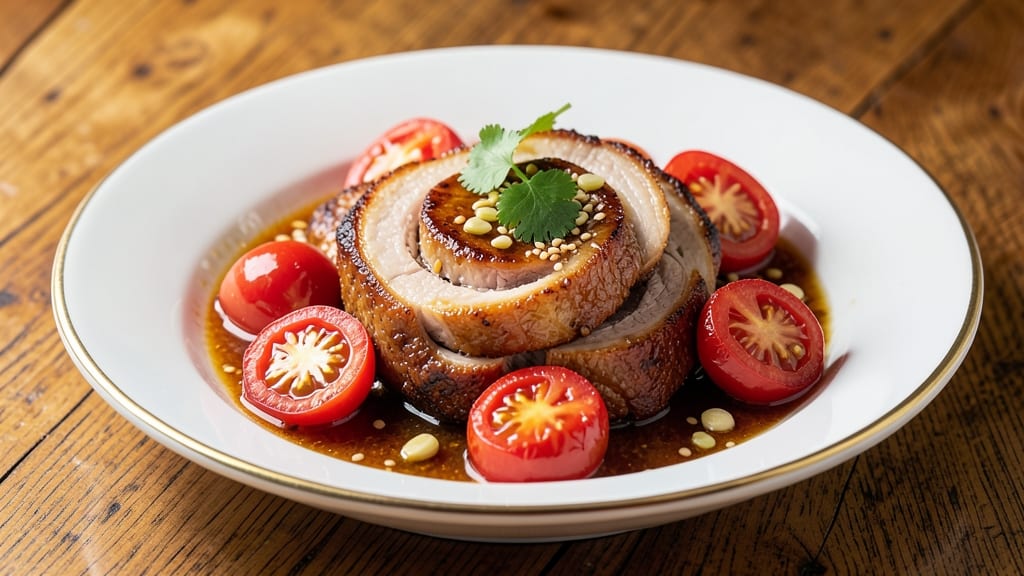
This Chinese pork and tomato recipe delivers the perfect harmony of sweet, sour, and umami in a single pan—no wok required. 🔥 I developed it after years of perfecting stir-fries, blending classic Cantonese techniques with home-cook practicality.
The secret lies in balancing vinegar, sugar, and soy sauce while achieving that signature caramelized pork texture. What makes this dish special is its adaptability: tender pork shoulder braised until fork-tender, or quick-seared pork belly for a restaurant-style finish.
The tomatoes add natural sweetness that cuts through the tangy sauce, creating a dish that's both comforting and sophisticated. Best of all, it comes together in under an hour with minimal cleanup.
By the time you're done, you'll have a fragrant, deeply flavorful dish with melt-in-your-mouth pork swimming in a glossy sauce. The aroma alone will have everyone gathering at your table—this is the kind of meal that transforms a simple weeknight into something memorable.
Serve over steamed jasmine rice or with crusty bread to soak up every last drop of that addictive sauce. Let's get cooking!
Ingredients for chinese pork and tomato
Sweet-sour harmony starts with these 14 ingredients—simple but transformative for one-pan magic.
| Ingredient | Amount | Notes |
|---|---|---|
| Pork Shoulder 🐖 | 1 ½ lb | Cut into 1-inch cubes, bone-in preferred |
| Ripe Tomatoes 🍅 | 2 cups | Diced, fresh or canned San Marzano preferred |
| Light Soy Sauce 🥢 | ½ cup | Kikkoman or Pearl River Bridge brand |
| Rice Vinegar 🍶 | ¼ cup | Seasoned or plain, 5% acidity |
| Brown Sugar 🍚 | ¼ cup | Packed, light or dark variety |
| Garlic Cloves 🧄 | 6 cloves | Minced, peeled |
| Fresh Ginger 🌿 | 1 tbsp | Grated, peeled |
| Sesame Oil 🫒 | 1 tbsp | Toasted, for aroma |
| Cornstarch 🌾 | 1 tbsp | For thickening sauce |
| Vegetable Oil 🫒 | 2 tbsp | High smoke point |
| Green Onions 🧅 | ¼ cup | Sliced, white and green parts |
| Salt 🧂 | 1 tsp | Diamond Crystal preferred |
| Black Pepper 🌶️ | ½ tsp | Freshly ground |
| Jasmine Rice 🍚 | 1 ½ cups | Uncooked, for serving |
The pork shoulder is the star—bone-in, cut into even 1-inch cubes—it renders fat for flavor while staying tender. Costco or butcher shops often have it pre-cut, but if buying whole, trim excess fat. For tomatoes, San Marzano canned adds natural sweetness without watering down the sauce, but fresh works too if you're willing to peel and dice. The soy sauce? Kikkoman or Pearl River Bridge are my go-tos—they've got that perfect balance of salt and umami. Skip the reduced-sodium versions here; we want bold flavor.
No rice vinegar? White vinegar or apple cider vinegar at the same amount, but you'll lose some of that delicate sweetness. Brown sugar substitutes? White sugar plus 1/4 tsp molasses for depth, or coconut sugar for a caramel note. Fresh ginger too strong? Ground ginger at half the amount, but toasted whole ginger is better if you can. Sesame oil giving you sticker shock? Regular vegetable oil plus 1/2 tsp toasted sesame seeds for aroma. And if you're short on green onions, scallions or chives work in a pinch—just double the amount.
This sauce gets better the next day—make extra and freeze portions for quick weeknight dinners. Store leftovers in airtight containers for 4-5 days in the fridge, or freeze for 3 months. The pork cubes reheat beautifully; just add a splash of water or broth to keep the sauce glossy. For the rice, jasmine rice is ideal, but basmati or even instant rice works if you're in a hurry. I always cook rice separately so I can control the texture—slightly undercooked is perfect for soaking up that sauce.
Why You'll Love This Recipe
- One-Pan Magic: I swear by this—just toss pork shoulder, tomatoes, and a splash of soy vinegar in one pot. The pork practically falls apart on its own, and the tomatoes caramelize into sweet, sticky pockets. Minimal chopping, zero fuss.
- Sweet-Savory Balance: That brown sugar and rice vinegar combo? It’s the secret weapon here. The pork stays tender while the tomatoes burst with tangy-sweetness—like a cross between a stir-fry and a braise, but better.
- Lunchbox Hero: Between us, this is my go-to for meal prep. The flavors deepen overnight, and it reheats like a dream—pack it cold or warm, it’s always a hit. (Yes, even on a Tuesday night.)
- Budget-Friendly Feast: Pork shoulder stretches forever, and tomatoes are cheap when they’re ripe. A few pantry staples later, you’ve got a dish that feeds four for under $15. Not the prettiest, but the taste makes up for it every time.
Step-by-step instructions for Chinese pork and tomato stew
Here's how to create a harmonious blend of sweet, sour, and savory flavors in one flavorful pan.
🍳 Step 1: Sear the Pork Shoulder for Rich Flavor
Heat the 2 tablespoons vegetable oil in a large Dutch oven or deep skillet over medium-high heat until shimmering. Add the 1.5 lb pork shoulder cut into 1-inch cubes, working in batches if needed to avoid crowding. Let the pork sear undisturbed for 3-4 minutes per side until golden brown and deeply caramelized.
This initial searing creates a flavorful crust that forms the foundation of your dish. Don't rush this step—you want that beautiful mahogany color. Once all pork is browned, transfer it to a plate and set aside. You'll notice the pork releases some juices and fat in the pan—this is pure flavor you don't want to lose.
👨🍳 Step 2: Build the Flavor Base with Aromatics
In the same pan (no need to wipe it clean), reduce heat to medium and add the 6 cloves minced garlic and 1 tablespoon grated fresh ginger. Sauté for 30-45 seconds until fragrant—you should smell that pungent, fresh aroma. Be careful not to let the garlic burn; it turns bitter quickly.
Next, add the 2 cups diced ripe tomatoes, 0.5 cup light soy sauce, 0.25 cup rice vinegar, and 0.25 cup packed brown sugar. Stir everything together and bring to a gentle simmer. Here's the thing—this combination of sweet, sour, and salty elements will start developing that signature Chinese pork and tomato flavor profile right in your pan.
🥘 Step 3: Simmer and Thicken the Sauce
Return the seared pork to the pan, along with any accumulated juices. Increase heat to medium-high and bring the mixture to a boil. Once boiling, reduce heat to low and let it simmer uncovered for 45-50 minutes, stirring occasionally. You're looking for the pork to become tender enough to pierce easily with a fork.
After about 30 minutes, stir in the 1 tablespoon cornstarch mixed with 2 tablespoons water to thicken the sauce. The sauce should coat the back of a spoon and cling beautifully to the pork. If it's not thickening enough, add a little more water mixed with cornstarch until you reach the right consistency. This is where the magic happens—the sauce transforms from simple to luxurious.
🔥 Step 4: Finish with Aromatics and Garnish
Once the pork is tender and the sauce has thickened, stir in the 1 tablespoon sesame oil and 0.25 cup sliced green onions. The sesame oil adds that nutty aroma that's characteristic of Chinese cuisine, while the green onions provide a fresh contrast. Taste and adjust seasoning with 1 teaspoon salt and 0.5 teaspoon black pepper as needed—you might find the dish perfectly balanced already.
Let the stew simmer for another 5 minutes to allow all the flavors to meld together. The dish should have a glossy sheen from the reduced sauce and a perfect balance of sweet, sour, and umami flavors. Here's the moment that matters: serve this immediately over 1.5 cups cooked jasmine rice to soak up all that delicious sauce.
Pro Tips For Making Chinese Pork And Tomato
- CUT PORK INTO EVEN PIECES: I learned this the hard way—uneven cuts mean uneven cooking. Slice the pork shoulder into 1.5-inch chunks (about the size of a golf ball) so they render fat and cook through at the same rate. No need for fancy knife skills, just consistent sizing.
- USE HALF-RIPE TOMATOES: Fully ripe tomatoes turn to mush; unripe ones stay hard. Pick tomatoes that are just starting to soften—slightly firm but with a hint of red blush. Cut them into ½-inch dice so they break down in the sauce without falling apart.
- DEGLAZE WITH VINEGAR FIRST: Skip the water. After searing the pork, splash in 1 tablespoon of rice vinegar right away—it loosens browned bits and brightens the sauce before adding soy or sugar. Let it simmer 30 seconds so the acid cuts through the fat.
- STIR IN SUGAR LATE: Brown sugar burns faster than you’d think. Wait until the tomatoes have softened and the pork is nearly done before adding it—usually the last 5 minutes of cooking. Stir gently and remove from heat as soon as the sauce thickens slightly.
Pro cooking tips for this dish
Pork Prep Secrets
Cutting the pork shoulder into 1-inch cubes is non-negotiable—this size ensures even cooking and maximum tenderness. I always ask my butcher to trim excess fat while keeping a thin layer on the cubes; this fat renders beautifully and adds flavor to the sauce.
For extra insurance, I marinate the pork cubes in 1 tablespoon soy sauce and 1 teaspoon cornstarch for 20 minutes before searing—this creates a subtle barrier that helps retain moisture during cooking. 🐖
Sauce Balance Tricks
The sweet-sour balance is where this dish shines, but nailing it requires precision. I start by simmering the sauce uncovered for 10 minutes to let the vinegar mellow slightly—this prevents an overly sharp tang.
For a deeper flavor, I add 1 teaspoon grated star anise or ½ teaspoon cinnamon to the sauce during the last 15 minutes of simmering. These spices dissolve completely but add warmth without overpowering the tomatoes.
Thickening Like a Pro
Cornstarch is your best friend here, but timing matters. I always mix it with cold water (never hot) to prevent clumping, then whisk it vigorously into the sauce while it's at a full boil.
If the sauce still feels too thin after 5 minutes, I repeat with another ½ teaspoon cornstarch—this two-step approach gives you more control. For a glossier finish, I finish with 1 teaspoon honey or 1 teaspoon light syrup during the last 2 minutes of cooking. 💫
Equipment Shortcuts
No Dutch oven? A heavy-bottomed stainless steel skillet (like All-Clad) works perfectly—just monitor the heat more carefully. I've even made this in a large enameled cast iron skillet on my camp stove during outdoor cookouts.
For stir-fry lovers, you can adapt this to a wok by reducing the pork cubes to ½-inch and cooking over high heat for just 15-20 minutes—the result is a quicker, slightly saucier version with that coveted wok hei.
Flavor Boosters
Want to take this to the next level? Add 1 dried red chili (soaked in warm water for 10 minutes) or 1 teaspoon chili crisp during the final 5 minutes of cooking for heat.
For umami depth, I sometimes stir in 1 tablespoon fish sauce or 1 tablespoon oyster sauce with the cornstarch slurry. These additions are subtle but transformative—trust me, your taste buds will notice the difference. 🌶️
Nutrition facts
Frequently asked questions
Can I use pork belly instead of pork shoulder?
Yes! Pork belly adds incredible richness to this dish. Cut it into 1-inch cubes and sear until golden brown—about 4-5 minutes per side—since the fat content is higher. Reduce the simmering time to 30-35 minutes as belly cooks faster than shoulder. The result will be even more decadent with crispy edges.
What if my sauce isn't thickening enough?
Don't worry—this happens more often than you'd think! If the sauce is too thin after adding cornstarch, mix 1 teaspoon more cornstarch with 1 tablespoon cold water and whisk it in while the sauce boils. For extra insurance, simmer uncovered for 5-10 extra minutes to reduce it naturally.
Can I make this dish in a slow cooker?
It's perfect for hands-off cooking. Brown the pork first, then transfer everything to a slow cooker and cook on low for 6-8 hours or high for 3-4 hours. The pork will be incredibly tender, and the sauce will develop deeper flavor. Just add the cornstarch slurry during the last 30 minutes to thicken it properly.
How do I store leftovers?
Store in an airtight container in the fridge for 4-5 days or freeze for 3 months. When reheating, add 1-2 tablespoons water or broth to prevent the sauce from drying out. Microwave in 1-minute intervals while stirring, or reheat on the stove over low heat for even better results.
What are good side dishes to serve with this?
This dish pairs beautifully with steamed jasmine rice, egg fried rice, or garlic noodles. For a lighter option, serve with a simple cucumber salad or steamed bok choy. The contrast between the rich pork sauce and fresh vegetables makes every bite more satisfying.