
Main Courses
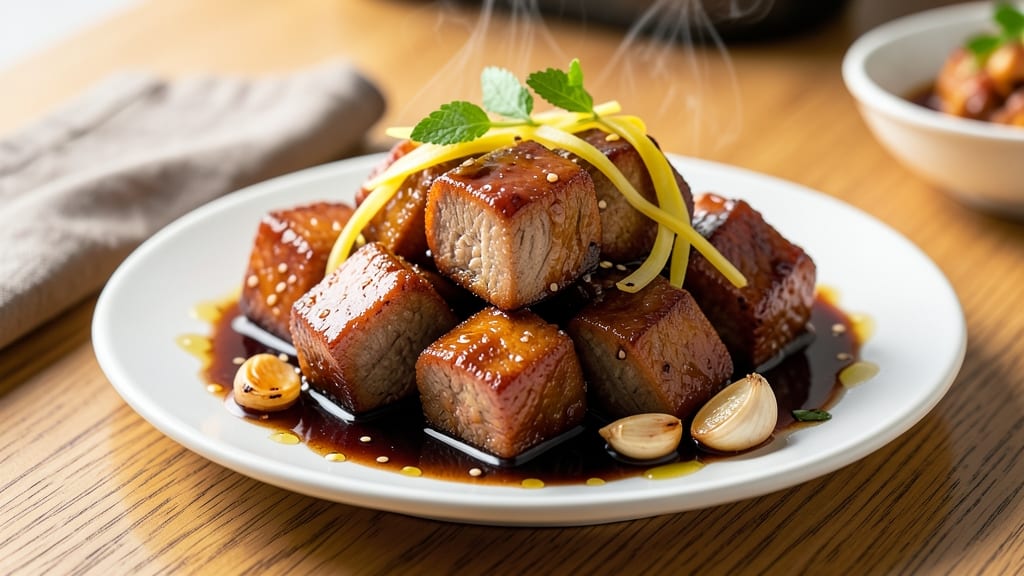
This Chinese pork cubes recipe delivers the perfect balance of wok-seared crispness and tender, juicy centers—just like my grandmother used to make. 🔥 The secret lies in the tamarind glaze, which adds a tangy-sweet contrast that elevates every bite.
I developed this recipe after years of perfecting the art of Chinese stir-frying, and it's now a staple in my kitchen.
The process starts with tender pork cubes marinated in a blend of soy sauce, Shaoxing wine, and ginger, which infuses deep flavor while keeping the meat moist. High-heat wok searing creates that signature crispy exterior, while the tamarind glaze adds a glossy finish that makes each piece irresistible.
This method ensures restaurant-quality results without requiring specialized equipment.
What you'll end up with is a dish that's rich in flavor and texture—crispy edges giving way to tender pork, all coated in a sticky-sweet tamarind glaze. The aroma alone will have everyone gathering around the table, and the taste is a perfect harmony of savory, sweet, and umami.
It's the kind of dish that feels both comforting and impressive.
Serve with steamed jasmine rice and quick-pickled vegetables for a complete meal that's balanced and satisfying. The tamarind glaze also makes this dish incredibly versatile—it works as a standalone entrée or pairs beautifully with noodles. Let's get cooking!
Ingredients for chinese pork cubes
Pantry staples plus a few specialty touches—this is where the magic happens.
| Ingredient | Amount | Notes |
|---|---|---|
| Pork Shoulder 🥩 | 1 ½ lb | Cut into 1.5-inch cubes, boneless |
| Soy Sauce 🍶 | ½ cup | Light or dark, not low-sodium |
| Shaoxing Wine 🍷 | ¼ cup | Substitute dry sherry if unavailable |
| Fresh Ginger 🧄 | 2 tbsp | Grated, aromatic |
| Garlic Cloves 🧄 | 6 cloves | Minced, fresh preferred |
| Sesame Oil 🫒 | 1 tbsp | Toasted, for aroma |
| Neutral Oil 🫒 | ½ cup | Vegetable or canola |
| Tamarind Paste 🍈 | ¼ cup | Or 2 tbsp tamarind concentrate |
| Brown Sugar 🍚 | ¼ cup | Packed, light or dark |
| Rice Vinegar 🍶 | 2 tbsp | Seasoned preferred |
| Cornstarch 🌾 | 2 tbsp | For crispy coating |
| Salt 🧂 | 1 tsp | Kosher or sea salt |
| Black Pepper 🌶️ | ½ tsp | Freshly ground |
| Green Onions 🧅 | 4 whole | Sliced, for garnish |
The pork shoulder is your secret weapon here—it stays juicy while developing that perfect crust. Ask your butcher to cut it into 1.5-inch cubes if they won't do it for you; uniform size ensures even cooking. Shaoxing wine adds depth, but dry sherry works in a pinch. For the tamarind paste, Asian markets usually carry it in tubes—look for brands like Thai Kitchen or Mae Ploy. Fresh ginger and garlic are non-negotiable for that authentic flavor punch, but if you're in a bind, powdered ginger at half the amount will keep things moving.
No tamarind paste? Mix 1 tbsp lemon juice with 1 tbsp brown sugar for a quick substitute. The cornstarch coating is what creates that signature crispiness—don't skip it. For the glaze, reduce the sugar slightly if you prefer less sweetness. The sesame oil should be toasted—heat 1 tbsp in a dry pan for 30 seconds to deepen the flavor. If you can't find it, regular sesame oil will work, but toast the seeds separately for a similar effect. The green onions are just for garnish, but they add that final pop of color and freshness that makes the dish look restaurant-worthy.
Marinate the pork for at least 30 minutes, but overnight is even better—the flavors meld beautifully. The glaze keeps for 1 week in the fridge, so make extra if you're planning to use it again. Store the cooked pork in an airtight container with a paper towel to absorb any moisture—3 days max in the fridge. Freezes beautifully for up to 3 months, though the texture might be slightly softer after thawing.
Why You'll Love This Recipe
- One-Pan Magic: I swear by this recipe when I’m too tired to scrub pots—just cube the pork, toss it in a hot pan with garlic, ginger, and a splash of Shaoxing wine, then let it simmer. The pork renders its own juices, so you’re basically cooking on autopilot.
- Umami Bomb: That combo of soy sauce and Shaoxing wine? It’s like a flavor grenade—sweet, salty, and deep all at once. The ginger and garlic sear into the edges of the pork while staying bright, not bitter, so every bite’s got layers.
- Leftover Hero: I make a big batch on Sundays because it’s perfect for reheating—just toss it in a pan with a little water, and it’s back to crispy-tender in minutes. My kids grab it straight from the fridge for lunch, no complaints.
- Budget Flex: Pork shoulder is cheap, and this recipe stretches it far—feed four for dinner, then four more for lunch. Honestly, I’ve made this with less expensive cuts, and it still tastes like a restaurant dish. No waste, all flavor.
Step-by-step instructions for Chinese pork cubes with tamarind gloss
Let's make these crispy, glossy pork cubes with a perfect balance of sweet, tangy, and savory flavors.
🔥 Step 1: Marinate Pork for Maximum Flavor
In a large bowl, combine the 1.5 lb pork shoulder cubes with 0.5 cup soy sauce, 0.25 cup Shaoxing wine, 2 tbsp grated fresh ginger, 6 minced garlic cloves, 1 tsp salt, and 0.5 tsp black pepper. Use your hands to coat each piece thoroughly—this ensures even flavor distribution and tender meat.
Cover the bowl and refrigerate for at least 2 hours (overnight is even better). The marinade works its magic by breaking down proteins and infusing the pork with deep umami flavors. You'll notice the pork absorbs the marinade and becomes more pliable—this is your cue it's ready for cooking.
🍳 Step 2: Create the Tamarind Glaze
In a small saucepan, combine 0.25 cup tamarind paste, 0.25 cup brown sugar, 2 tbsp rice vinegar, and 1 tbsp toasted sesame oil. Bring to a gentle simmer over medium heat and cook for 5-7 minutes until the mixture thickens slightly and becomes glossy.
Real talk: The tamarind gives that signature tangy sweetness, while the sesame oil adds nutty depth. Stir occasionally and watch for bubbles—this tells you the flavors are melding beautifully. Once thickened, remove from heat and set aside. This glaze will be the star finish to your crispy pork cubes.
🔥 Step 3: Wok-Sear for Perfect Crispness
Heat 0.5 cup neutral oil in a wok or large skillet over high heat until shimmering. Working in batches (don't overcrowd!), add the marinated pork cubes and cook for 3-4 minutes per side until deep golden brown and crispy. The high heat is key here—it creates that wok-seared texture we're after.
I press down gently on the pork cubes during the first minute—this prevents them from curling and ensures even contact with the pan. You'll smell that amazing aroma of caramelizing pork and garlic. Once browned, remove and set aside on a wire rack to keep them crispy.
🥘 Step 4: Glaze and Finish
Return the wok to medium heat and add the prepared tamarind glaze. Let it simmer for 1-2 minutes until it coats the back of a spoon. Add the crispy pork cubes back to the wok and toss gently to coat evenly with the glaze.
Here's where it gets fun—the glaze should cling to the pork, creating that beautiful glossy sheen. If it's too thick, add 1-2 tablespoons of water to loosen it slightly. Taste and adjust seasoning if needed—you might want a touch more soy sauce for saltiness or a splash of vinegar for tang.
🍽️ Step 5: Garnish and Serve
Transfer the pork cubes to a serving platter and garnish with 4 sliced green onions. The bright green color contrasts beautifully with the deep brown pork and adds freshness. Serve immediately while the pork is still crispy and the glaze is glossy—this dish is best enjoyed right away.
Each bite should deliver that perfect combination of crispy exterior, tender interior, and that addictive tamarind glaze. Pair with steamed jasmine rice or noodles to soak up all that delicious sauce. Leftovers? Store in an airtight container and reheat in a skillet for 2-3 minutes to restore crispiness.
Pro Tips For Making Chinese Pork Cubes
- CUT PORK SMALL: Pork shoulder is stubborn—chop it into 1.5-inch cubes before marinating, not after. I used to slice it thin, thinking it’d cook faster, but the cubes dry out and turn rubbery. Big chunks stay juicy and absorb the sauce better.
- MARINATE WITH TIME: Toss the pork in soy, Shaoxing wine, and minced ginger/garlic, then let it sit for at least 30 minutes—overnight if you’re patient. The wine needs time to tenderize, and the pork will soak up flavor instead of just sitting there looking sad.
- DON’T CROWD THE PAN: Cook the pork in a single layer over medium-high heat for 3-4 minutes per side. I learned this after burning the edges on a rushed batch—give them space to brown, or you’ll end up with gray, greasy cubes instead of caramelized ones.
- SAVE THE LIQUID: After browning, pour the pan juices into a saucepan with a splash of water. Simmer for 2 minutes to deglaze—this turns the scraps into a quick, flavorful sauce. I used to toss it, but now I always keep it.
Essential equipment for this dish
Wok Essentials
You don’t need a carbon steel wok to nail this recipe, but it’s my go-to for its heat retention and even cooking. A 14-inch carbon steel wok from Made In is my workhorse—it heats up fast and stays hot.
If you’re just starting, a stainless steel wok (like All-Clad) works too, though it takes slightly longer to reach high heat.
For non-wok options, a heavy-bottomed cast iron skillet (like Lodge) or non-stick pan will do in a pinch, but watch the heat closely—non-stick can’t handle the same high temps. 🔥
High-Heat Tools
Your tongs are the MVP here—slotted metal tongs (not silicone) give you the best grip on those pork cubes without crushing them. I use OXO Good Grips for their sturdy build.
A wire rack (like KitchenAid) is a game-changer for keeping the pork crispy while resting—place it over a baking sheet to catch drips. For the glaze, a small saucepan with high sides prevents spills, and I love All-Clad Stainless Steel for its durability.
A fine-mesh strainer helps if you need to thicken the glaze further.
Marinade Must-Haves
A large mixing bowl (at least 8-quart capacity) holds all the pork and marinade comfortably. I prefer stainless steel for durability, but glass works too—just avoid plastic, which can absorb odors.
For measuring, a liquid measuring cup for the soy sauce and wine, and a microplane for fresh ginger and garlic make prep faster. A small whisk blends the glaze ingredients smoothly, and I keep one in my kitchen just for sauces.
Don’t skip the meat thermometer—it’s not mandatory, but it ensures your pork hits the perfect 145°F internal temp for juicy results. ✨
Garnish and Serve
Fresh green onions are the easiest garnish, but a sharp chef’s knife (like Wüsthof) makes quick work of slicing them. For plating, a large serving platter (at least 12 inches) holds the pork cubes neatly.
I like ceramic or stoneware for its heat retention—it keeps the dish warm while serving. If you’re prepping ahead, airtight containers (like Glasslock) store leftovers perfectly, and a reheating skillet restores that crispy texture in minutes.
Nutrition facts
Frequently asked questions about Chinese pork cubes
Can I substitute pork shoulder with another cut?
Yes, but choose wisely! Pork tenderloin works beautifully for a leaner option, but it's more expensive. Pork loin also works well—just cut it into 1.5-inch cubes and marinate for at least 1 hour to prevent drying out. Avoid fatty cuts like pork belly unless you want to adjust the cooking time significantly. The key is uniform size for even cooking.
How do I get the pork extra crispy?
Three secrets: high heat, cornstarch coating, and proper resting. Toss the marinated pork in 2 tbsp cornstarch before searing, and cook in a very hot wok or skillet until golden brown. Let them rest on a wire rack for 5 minutes before glazing—this prevents steam from making them soggy. For restaurant-style crispiness, double the cornstarch to 4 tbsp.
What if I don't have tamarind paste?
No problem! Mix 1 tbsp lemon juice with 1 tbsp brown sugar for a quick substitute. For deeper flavor, try 1 tbsp soy sauce plus 1 tsp rice vinegar. If you want authenticity, tamarind concentrate (found in Asian markets) works 1:1 with the paste. The glaze will be slightly less tangy but still delicious. Adjust sweetness to taste after cooking.
Can I make this dish ahead of time?
Cook the pork cubes completely, then store them in an airtight container with a paper towel to absorb moisture. Reheat in a skillet over medium-high heat for 2-3 minutes to restore crispiness. The glaze can be made 1 week ahead and stored separately. For best results, reheat the glaze in a small saucepan and toss the pork cubes in it just before serving to maintain that glossy finish.
What are the best sides to serve with this dish?
Steamed jasmine rice is classic, but don't be afraid to get creative! Try stir-fried bok choy, quick-pickled cucumbers, or egg fried rice for a heartier meal. For a lighter option, cucumber salad with sesame dressing adds freshness. The tamarind glaze pairs especially well with miso soup or steamed dumplings—the contrast of textures makes every bite exciting.