
Main Courses
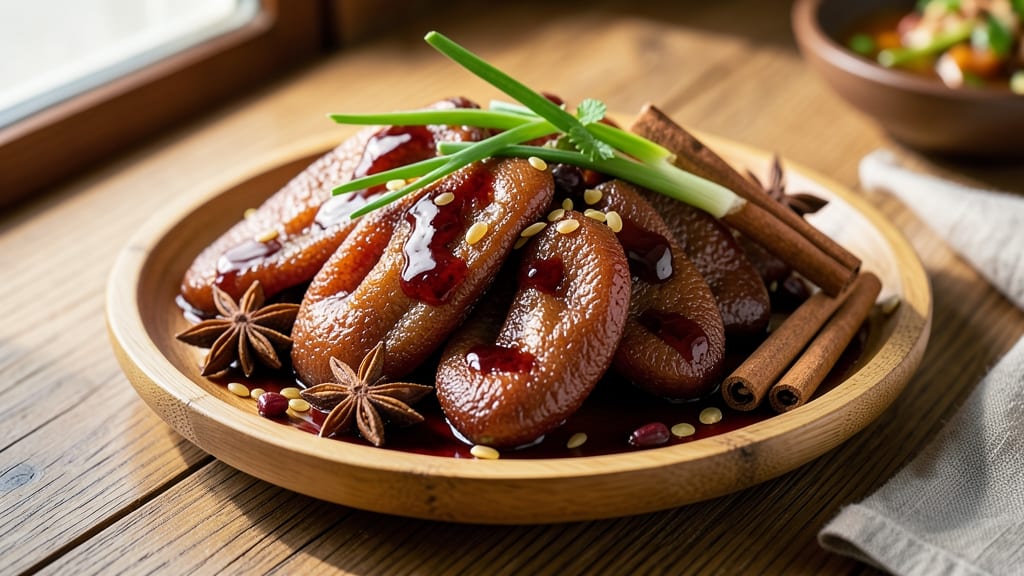
This Chinese pork ear recipe delivers the signature chewy texture and aromatic depth that makes it a beloved street food staple. The secret lies in the five-spice marinade, which infuses the pork with warm, earthy flavors while preserving that legendary chew.
I first discovered this technique during a trip to Guangzhou, where vendors transformed simple ingredients into something extraordinary through precise braising methods.
The process begins with a thorough marinade of star anise, cinnamon, cloves, and fennel seeds that penetrates the pork ears, creating layers of complex flavor. After a brief sear to develop a caramelized exterior, the ears are gently braised until tender yet still maintaining that satisfying resistance.
This balance between texture and flavor is what makes traditional Chinese pork ears so irresistible.
What you'll end up with is a dish that's rich in both taste and cultural heritage—deeply savory with hints of sweetness, all wrapped in a tender yet chewy exterior.
The celery garnish adds a fresh contrast that cuts through the richness, while the aromatic spices create a fragrant experience that transports you straight to a bustling Chinese street market.
Serve with steamed jasmine rice and a side of quick-pickled vegetables to round out the meal, or enjoy as a standalone appetizer that commands attention. This recipe captures the essence of what makes Chinese comfort food so special—simple ingredients transformed through technique into something truly memorable.
Ingredients for chinese pork ear
Authentic Chinese street food flavors start with these aromatic spices and tender pork ears.
| Ingredient | Amount | Notes |
|---|---|---|
| Pork Ears 🐷 | 1 ½ lb | Fresh, cleaned, trimmed of excess fat |
| Star Anise 🌿 | 2 whole | Whole pods, lightly crushed |
| Cinnamon Sticks 🌿 | 2 whole | 2-inch pieces, lightly crushed |
| Cloves 🌿 | 8 whole | Whole, lightly crushed |
| Fennel Seeds 🌿 | 1 tbsp | Whole, lightly toasted |
| Soy Sauce 🍶 | ½ cup | Dark soy sauce preferred |
| Shaoxing Wine 🍷 | ¼ cup | Substitute with dry sherry |
| Brown Sugar 🍚 | ¼ cup | Light or dark, packed |
| Garlic Cloves 🧄 | 6 cloves | Smashed, not minced |
| Fresh Ginger 🌿 | 2 tbsp | Grated, peeled |
| Celery Stems 🥬 | 4 whole | Cut into 2-inch pieces |
| Vegetable Oil 🫒 | 2 tbsp | High smoke point preferred |
| Water 💧 | 2 cups | Room temperature |
| Salt 🧂 | 1 tsp | Diamond Crystal preferred |
| Black Peppercorns 🌶️ | 8 whole | Lightly crushed |
The pork ears are the foundation—look for fresh, plump ears at an Asian market or butcher shop, where they're often sold pre-cleaned. If you're sourcing from a regular grocery store, opt for organic, free-range pork to ensure better texture. The five-spice blend is non-negotiable; Penzeys Spices carries excellent whole spices, but any reputable bulk spice vendor will do. For the celery, choose bright green, crisp stems—they should snap when bent, not bend without resistance. The Shaoxing wine can be found in the international aisle of most supermarkets, or substitute with dry sherry if unavailable. Toast your whole spices lightly in a dry pan before crushing to deepen their aroma—this small step elevates the entire dish.
No star anise? A pinch of anise extract (½ tsp) replicates its licorice-like depth, though it lacks the whole-spice texture. Running short on fennel seeds? Substitute with ½ tsp ground fennel, but toast it first for better flavor. Dark soy sauce is ideal for its rich color, but regular soy sauce works in a pinch—just add a splash of molasses or brown sugar to compensate for the color difference. The garlic and ginger should be freshly grated or smashed—pre-minced garlic lacks the aromatic punch. For a quicker prep, use frozen celery stems (thawed), though fresh is always superior. If you're making this ahead, the marinade can be prepped a day in advance and stored in an airtight container in the fridge.
Pork ears keep well in the freezer for up to 6 months—thaw overnight in the fridge before using. The braising liquid, once strained, can be reduced into a glaze and stored for 3 months in the freezer for future use. Celery stems lose crispness quickly; store them in a sealed container with a damp paper towel to maintain freshness for 5-7 days. For meal prep, portion the cooked pork ears into single-serving containers with a small amount of braising liquid—they reheat beautifully in the microwave or oven. The spices and aromatics can be pre-toasted and stored in a dark glass jar for up to 3 months, ready to enhance any future braising project.
Why You'll Love This Recipe
- No-Chop Needed: I swear, the hardest part is peeling the pork ears—everything else is just simmering. No mincing, no dicing, no small cuts to burn your fingers. Just toss the whole ears in with the spices, cover them with water, and let the magic happen.
- Spice Bomb Delight: That warm, earthy combo of star anise, cinnamon, and cloves? It turns tough pork ears into something tender, fragrant, and ridiculously satisfying. The fennel seeds add this subtle sweetness that makes it taste like a hug from a Chinese grandma’s kitchen.
- Leftover Goldmine: This dish actually improves the second day. The flavors meld even deeper, and the texture gets perfect—crispy edges, melt-in-your-mouth center. I’ve reheated it for breakfast (yes, really), packed it for lunches, and even tossed it into fried rice when I got lazy.
- Budget Meal Hero: Pork ears are the unsung hero of affordable proteins—cheaper than pork belly, just as flavorful. A single bag feeds my family for days, and the spices cost pennies. Honestly, it’s one of those recipes where you feel like you’re serving something fancy without breaking the bank.
Step-by-step instructions for braised pork ears
Aromatic spices and slow braising transform tough pork ears into tender, melt-in-your-mouth delicacies.
Prepare the Pork Ears for Cooking
Begin by thoroughly cleaning the 1.5 lb pork ears under cold running water, removing any remaining hair or debris. Trim away excess fat using a sharp knife, leaving about ¼-inch thickness. This preparation ensures even cooking and prevents greasiness in the finished dish.
Place the cleaned pork ears in a large pot and cover with cold water. Bring to a boil over high heat, then immediately reduce to a simmer. Skim off any foam that rises to the surface during the first 10 minutes. This step removes impurities and prepares the meat for braising—don't skip it, as it significantly improves texture.
Build the Five-Spice Braising Liquid
In a small dry skillet, toast the 1 tbsp fennel seeds over medium heat for 1-2 minutes until fragrant. Immediately transfer them to a mortar and lightly crush with the 2 whole star anise, 2 whole cinnamon sticks, 8 whole cloves, and 8 whole black peppercorns. This aromatic blend forms the foundation of your braising liquid.
In the same pot with the pork ears, add the 2 tbsp vegetable oil, 2 tbsp grated fresh ginger, and 6 smashed garlic cloves. Cook over medium heat for 2 minutes until fragrant. Add the crushed spice mixture, 0.5 cup soy sauce, 0.25 cup shaoxing wine, 0.25 cup brown sugar, 2 cups water, and 1 tsp salt. Stir well to combine all ingredients.
Simmer Until Fork-Tender
Bring the liquid to a gentle boil, then immediately reduce heat to maintain a low simmer. Cover the pot and cook for 3 hours, stirring occasionally to prevent sticking. After 3 hours, check the pork ears—they should be tender but still hold their shape when pierced with a fork.
If the liquid reduces too much before the pork ears are tender, add ½ cup hot water. The goal is to maintain enough liquid to keep the pork ears submerged while allowing the flavors to concentrate. The pork ears are done when they easily pull apart with minimal resistance from a fork.
Finish and Garnish
Once the pork ears reach fork-tenderness, remove them from the braising liquid and transfer to a serving platter. Strain the braising liquid through a fine-mesh sieve to remove any remaining spices, then return it to the pot. Increase heat to medium-high and reduce the liquid by half, about 10-15 minutes, until it reaches a syrupy consistency.
Cut the 4 whole celery stems into 2-inch pieces and arrange them artistically around the pork ears. Drizzle the reduced braising sauce over the top and serve immediately. The celery adds both visual appeal and a refreshing contrast to the rich, spiced pork ears.
Pro Tips For Making Chinese Pork Ear
- PARBOIL FIRST: Toss the pork ears in boiling water for 10 minutes before braising—this softens the cartilage and cuts the cooking time by nearly half. I used to skip it and spent 45 minutes staring at a pot that looked like it wasn’t going to happen.
- CRUSH THE SPICES: Lightly toast and crush the star anise, cinnamon, and fennel seeds in a dry pan for 30 seconds—just until fragrant. Whole spices release flavor, but crushed ones dissolve into the sauce faster. (And yes, I’ve burned them. Don’t rush.)
- DON’T OVERCROWD THE POT: Leave space between the pork ears when braising—pack them too tight, and they’ll steam instead of caramelize. A snug but not stuffed pot guarantees crispy edges and tender centers. (Your future self will thank you.)
- SKIP THE BOIL-OVER: Add a splash of water or broth after the pork ears are submerged—this prevents the spices from floating to the top and burning. I learned this the hard way when my first batch tasted like charred cinnamon.
Serving suggestions for leftovers
Rice Pairings
Serve your braised pork ears over steamed jasmine rice for the classic Chinese meal experience. The fragrant rice soaks up the rich braising sauce beautifully, creating a perfect balance of textures.
I like to cook a large batch of rice (about 2 cups uncooked) and keep it warm in a rice cooker or covered pot until serving. For extra flavor, add a splash of the reduced braising sauce to the rice before serving. 🍚
Quick-Pickled Veggies
Bright, tangy quick-pickled vegetables cut through the richness of the pork ears beautifully. Thinly slice ½ cup radishes and ½ cup cucumber, then toss with ¼ cup rice vinegar, 1 tbsp sugar, and ½ tsp salt.
Let sit for 30 minutes before serving. The crisp texture and acidity refresh your palate between bites of chewy pork. I often make a big batch and store it in the fridge for up to 5 days.
Steamed Greens
Add a serving of steamed bok choy or Chinese broccoli to round out the meal. Blanch 4 cups greens in boiling water for 2 minutes, then drain and toss with a pinch of salt and 1 tsp sesame oil.
The earthy greens complement the pork's aromatic spices while adding essential nutrients. For a quick prep, use frozen greens—just steam for 3-4 minutes until tender. ✨
Crispy Side Dishes
For contrast, serve with crispy fried shallots or sweet potato fries. Toss 1 cup sliced sweet potatoes in 1 tbsp oil, season with salt, and bake at 425°F for 25 minutes until golden.
The crunchy exterior and tender interior provide a satisfying textural contrast to the chewy pork. I also love adding scallion pancakes for an extra crispy element. 🔥
Dipping Sauces
Prepare a simple dipping sauce by mixing 2 tbsp soy sauce, 1 tbsp rice vinegar, 1 tsp sesame oil, and ½ tsp sugar. For extra heat, add ½ tsp chili oil or 1 tsp sriracha.
This sauce enhances the pork's flavors while adding a tangy dimension. I keep it on the table so guests can customize their experience. 💫
Presentation Tips
Arrange the pork ears on a large platter with the celery stems fanned out artistically around the edges. Drizzle the reduced braising sauce in a zigzag pattern for visual appeal. Garnish with toasted sesame seeds or thinly sliced scallions for extra color.
For a rustic touch, serve family-style in a cast iron skillet with the sauce pooled at the center. This makes the dish feel even more inviting. 🌟
Nutrition facts
Frequently asked questions
Why do Chinese pork ears have that signature chewy texture?
The chewy texture comes from the collagen in pork ears, which breaks down during slow braising. The 3-hour simmering time at low heat transforms tough connective tissue into tender yet resilient bites. This texture is intentional—it's what makes pork ears so satisfying!
Can I substitute pork ears with another cut of pork?
While pork ears are traditional, you could try pork belly or pork trotter for similar texture, but expect different flavor profiles. For a closer match, use pork knuckles—they have comparable collagen content. Just note that cooking times and marinades may need adjustment.
What's the best way to reheat leftover pork ears?
Reheat in a covered pot with 2 tbsp water over low heat for 10-15 minutes until warmed through. Avoid microwaving—it can make the texture rubbery. For extra flavor, add a splash of the reduced braising sauce. Store leftovers in an airtight container for up to 4 days.
Is this recipe suitable for a slow cooker?
Yes! Transfer all ingredients to a 6-quart slow cooker and cook on Low for 6-7 hours or High for 3-4 hours. The slow cooker maintains gentle heat, perfect for tenderizing the pork ears. Just check occasionally to ensure the liquid doesn't evaporate completely.
How can I make this dish spicier?
Add 1 tsp chili flakes or ½ tsp ground Sichuan pepper to the braising liquid for subtle heat. For more intensity, stir in 1 tbsp chili bean paste (doubanjiang) when building the spice blend. Finish with a drizzle of chili oil before serving.