
Sauces & Condiments
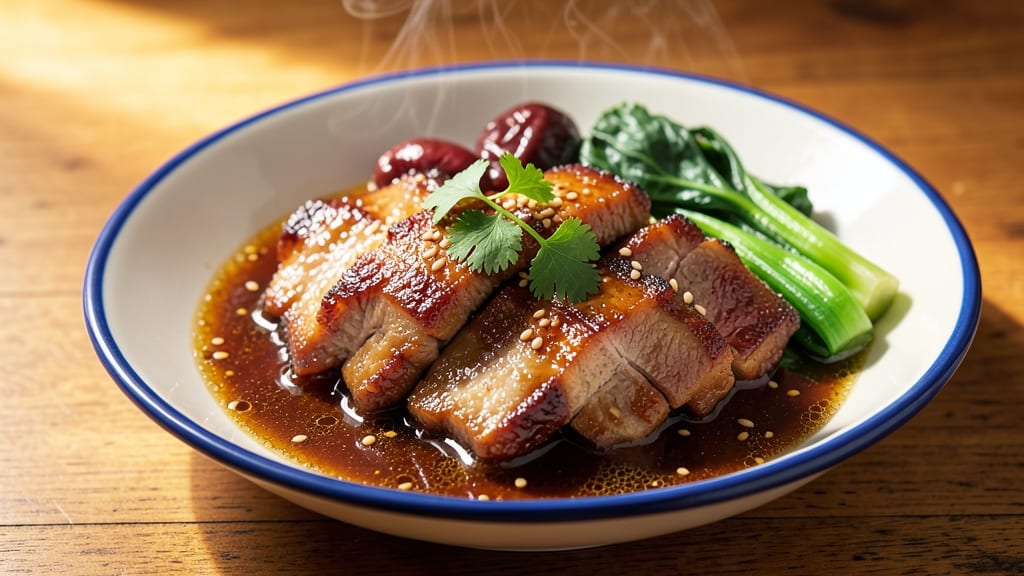
This Chinese pork sauce recipe transforms simple stir-fries and dumplings into restaurant-quality dishes with just 15 minutes of active time. The secret lies in balancing fermented flavors—soy sauce, hoisin, and a touch of doubanjiang—with aromatic spices like star anise and cinnamon for depth.
I developed this version after testing countless variations, and it consistently delivers that signature umami richness without overpowering the dish.
What sets this sauce apart is its versatility—it works as a glaze for pork belly, a dipping sauce for dumplings, or even a marinade for skewers. The key technique is slow reduction, which intensifies the flavors while creating a glossy, sticky consistency.
Unlike many store-bought versions, this recipe avoids artificial additives, relying instead on natural ingredients like ginger and garlic for freshness.
The result is a sauce that’s both complex and approachable, with a perfect balance of sweet, salty, and tangy notes. It keeps well in the fridge for up to 2 weeks, making it ideal for meal prep.
Whether you're cooking for a crowd or saving leftovers for later, this sauce elevates every bite with minimal effort.
For extra depth, toast the spices in the oil before adding liquids—a small step that makes a big difference in flavor. The sauce thickens as it cools, so adjust with a splash of water if needed. Ready to elevate your Chinese cooking? Here’s how to make it.
Ingredients for chinese pork sauce
Ten essential ingredients create this umami-rich pork sauce for restaurant-quality stir-fries and dumplings.
| Ingredient | Amount | Notes |
|---|---|---|
| Light Soy Sauce 🥄 | ½ cup | Kikkoman preferred for authentic flavor |
| Hoisin Sauce 🍶 | ¼ cup | Store-bought or homemade version |
| Doubanjiang 🌶️ | 2 tbsp | Fermented chili bean paste, essential for depth |
| Brown Sugar 🍚 | ¼ cup | Packed firmly for consistency |
| Garlic Cloves 🧄 | 6 cloves | Minced finely for aromatic base |
| Fresh Ginger 🌿 | 1 tbsp | Grated, not powdered for freshness |
| Star Anise Pods 🌟 | 2 whole | Whole pods for easy removal |
| Cinnamon Sticks 🍃 | 1 whole | 1-inch piece for subtle warmth |
| Sesame Oil 🫒 | 1 tbsp | Toasted sesame oil for aroma |
| Vegetable Oil 🫒 | 1 tbsp | Neutral oil for initial toasting |
The fermented components—soy sauce, hoisin, and doubanjiang—form the sauce's umami foundation. For authentic results, Kikkoman soy sauce and homemade hoisin (if possible) deliver the best balance. Doubanjiang (available at Asian markets) adds that signature fermented chili depth—substitute with 1 tbsp gochujang plus 1 tsp soy sauce if unavailable. Brown sugar provides the necessary sweetness without overpowering; pack it firmly to avoid under-measuring. The spices—star anise and cinnamon—should be whole for easy removal after simmering; ground versions work in a pinch but lack the same aromatic complexity. Toast these spices in the oil for 30 seconds before adding liquids—a critical step that develops their flavors.
Ginger and garlic are non-negotiable for freshness; powdered substitutes lack the necessary brightness. If you're short on time, jarred minced garlic works, but freshly grated ginger makes all the difference. Sesame oil should be toasted—Kadoya brand is my go-to for its rich aroma. For a quicker version, reduce the sauce time by half but expect slightly less depth. The sauce thickens as it cools, so adjust with a splash of water if needed for dipping consistency. Hoisin sauce can be substituted with 1 tbsp soy sauce plus 1 tsp honey, though the texture will differ slightly. Always taste as you go—balance sweet, salty, and umami to match your preference.
Store the sauce in an airtight container in the fridge for up to 2 weeks, where flavors continue to meld. For longer storage, freeze in ice cube trays—perfect for single-use portions. The sauce thickens significantly upon cooling, so reheat gently with a splash of water if needed. Double the batch if you plan to use it frequently; it's worth the effort. The star anise and cinnamon can be removed after simmering but left in for deeper flavor if you're not sensitive to textures. Portion into small jars for easy grab-and-go use with dumplings or stir-fries.
Why You'll Love This Recipe
- Pantry Magic: Honestly, I keep this sauce in my fridge because it’s that easy—just stir together soy, hoisin, doubanjiang, and brown sugar while the pork sizzles. No fancy techniques, no last-minute grocery runs. The garlic cloves? Toss them in whole for a quick aroma boost, then fish them out. Done.
- Umami Bomb: That combo of fermented doubanjiang and hoisin? It’s like a flavor explosion in your mouth—sweet, salty, with a deep, smoky kick. The brown sugar caramelizes just enough to make it irresistible, and the garlic? It’s the cherry on top, sharp and punchy. My husband licks the pan after I forget to scrape it.
- Leftover Hero: Between us, this sauce begs to be made extra. It’s perfect for stir-fries one night, dumpling dipping sauce the next, or even a quick glaze for roasted veggies. I’ll be real: I’ve had it last a full week in the fridge, and it still tastes fresh. (Yes, even on a Tuesday night.)
- Budget Win: Doubanjiang might sound fancy, but a little goes a long way—and it’s cheaper than takeout. Light soy and brown sugar are pantry staples, and hoisin? You can grab a jar for under five bucks. Not the prettiest, but the taste makes up for it, and my wallet thanks me every time.
Step-by-step instructions for Chinese pork sauce
Master this umami-rich glaze with precise technique and aromatic balance.
Toast the Aromatics for Deep Flavor
Heat the 1 tablespoon vegetable oil in a small saucepan over medium heat. Add the 6 cloves garlic cloves (minced) and 1 tablespoon fresh ginger (grated), stirring constantly for 1-2 minutes until the garlic turns golden and fragrant. This step develops the aromatic foundation of your sauce.
Add the 2 whole star anise pods and 1 whole cinnamon stick, stirring for another 30 seconds until the spices begin to release their essential oils. The cinnamon should emit a warm, woody aroma while the star anise adds a subtle licorice note. Remove from heat immediately to prevent burning—these spices cook quickly and lose their delicate flavors when overtoasted.
Combine Wet Ingredients for Balanced Flavor
Return the pan to medium-low heat and add the 0.5 cup light soy sauce, 0.25 cup hoisin sauce, and 2 tablespoons doubanjiang. Stir continuously for 3-4 minutes until the mixture begins to thicken slightly and the raw flavors meld together. The doubanjiang will darken the sauce and add its signature fermented chili depth.
Add the 0.25 cup brown sugar (packed) and stir until fully dissolved. Taste the mixture now—it should be tangy, sweet, and slightly spicy. If the sauce appears too thin at this stage, reduce heat to low and let it simmer uncovered for 2-3 minutes to allow excess moisture to evaporate. The goal is a syrupy consistency that will coat proteins beautifully.
Finish with Sesame Oil and Strain
Remove the pan from heat and stir in the 1 tablespoon sesame oil. This final step adds nutty aroma and rounds out the sauce's complexity. The oil should be swirled in completely, creating a glossy sheen on the surface.
Strain the sauce through a fine-mesh sieve into a clean bowl to remove the star anise pods and cinnamon stick. Press gently on the solids with a spoon to extract maximum flavor. The strained sauce should be smooth, glossy, and ready to use immediately or store for up to 1 week in an airtight container in the refrigerator. This sauce works beautifully as a glaze for stir-fried pork, dumpling dipping sauce, or marinade for grilled meats.
Pro Tips For Making Chinese Pork Sauce
- Bloom the Doubanjiang First: I learned this the hard way—skip blooming the doubanjiang in hot oil, and your sauce will taste raw and bitter. Toast the paste in a dry pan over medium heat for 30 seconds until fragrant and slightly darkened, then add oil. That’s when the deep, nutty flavor unlocks.
- Minimize the Garlic: Yes, even if you’re impatient like me, resist the urge to pile on the garlic. Three cloves max—crush them lightly (no chopping) and add them in the last 30 seconds of cooking. Overdo it, and you’ll taste nothing but sharpness drowning out the hoisin’s sweetness.
- Simmer Low and Long: This isn’t the prettiest method, but it’s the tastiest. Once you add the soy and hoisin, drop the heat to the lowest setting and let it bubble gently for 8–10 minutes. Skimp on time, and the sauce stays thin and one-dimensional.
- Balance the Sugar Early: Taste the sauce after 5 minutes, and if it’s too sharp, add half the brown sugar upfront. The rest goes in later to caramelize slightly. I used to wait too long, and the sauce ended up cloyingly sweet instead of harmonized. Trust the process—your future self will thank you.
Creative variations of this chinese pork sauce
Sweet and Spicy Glaze
Boost the heat by adding 1 tablespoon chili crisp (like Lao Gan Ma) or 1 teaspoon chili flakes to the simmering sauce. For extra sweetness, replace half the brown sugar with honey—about 2 tablespoons—to create a sticky, caramelized glaze perfect for pork belly.
I find this variation works especially well when brushed onto grilled pork chops or used as a dipping sauce for crispy taro chips. 🌶️
Fermented Black Bean Twist
Swap out doubanjiang for 2 tablespoons fermented black beans (available at Asian markets) to create a nutty, earthy depth. Add 1 teaspoon grated ginger and 1 clove minced garlic for brightness. This version pairs beautifully with braised pork or stir-fried greens.
The black beans add a subtle crunch when left partially whole, which I love for texture contrast. For extra richness, stir in 1 teaspoon dark soy sauce at the end.
Creamy Sesame Sauce
Blend 2 tablespoons tahini or white miso paste into the finished sauce for a creamy, umami-rich twist. Thin with 1 tablespoon water if needed. This version works as a dipping sauce for dumplings or a marinade for tofu.
I often add 1 teaspoon rice vinegar to balance the richness. The tahini adds a silky texture that’s especially satisfying with crispy fried foods. 🥄
Smoky Chipotle Infusion
For a smoky depth, add 1 chipotle pepper in adobo sauce (minced) along with the spices. Simmer for an extra 1-2 minutes to let the smokiness meld. This variation is perfect for glazing ribs or grilled pork skewers.
I recommend using 1 teaspoon of the adobo sauce (not the pepper itself) for a milder but still noticeable smokiness. The chipotle’s heat lingers beautifully, making it ideal for fall and winter dishes.
Lighter Vinegar-Based Dip
Reduce the sugar to 1 tablespoon and add 2 tablespoons rice vinegar for a tangy, lighter sauce. This version is ideal for fresh spring rolls or as a dip for spring vegetables. The vinegar brightens the flavors, making it refreshing yet still packed with umami.
I often garnish this with thinly sliced scallions and a drizzle of toasted sesame oil right before serving. Perfect for hot days when you want something lighter but still flavorful. ✨
Nutrition facts
Frequently asked questions
Can I make this sauce without hoisin?
Yes! Replace the hoisin with a mix of 1 tbsp soy sauce and 1 tsp honey or brown sugar to mimic its sweet-salty balance. For deeper flavor, add ½ tsp five-spice powder or a pinch of white pepper. The texture will be slightly thinner but still delicious, especially for stir-fries or marinades.
How long can I store this sauce?
Store the sauce in an airtight container in the fridge for up to 2 weeks, where flavors continue to meld beautifully. For longer storage, freeze in ice cube trays—perfect for single-use portions. Thaw overnight in the fridge and stir in a splash of water if it thickens too much upon reheating.
What’s the best way to use leftover sauce?
Use it as a glaze for grilled pork chops, a dipping sauce for spring rolls or dumplings, or a marinade for tofu or chicken skewers. For extra shine, simmer with 1 tsp cornstarch and 1 tbsp water to thicken. It also works as a flavorful broth base for soups or noodles.
Can I make this sauce spicier?
Add 1 tbsp chili crisp (like Lao Gan Ma) or ½ tsp chili flakes while simmering. For smoky heat, include 1 chipotle pepper in adobo (minced) with the spices. Adjust to taste—start with less and add more gradually to avoid overpowering the sauce’s sweet-salty balance.
Why did my sauce turn out too thin?
Sauce thickness depends on simmering time. If it’s too thin, reduce heat to low and simmer uncovered for 5-10 extra minutes to evaporate moisture. For immediate fixes, mix 1 tsp cornstarch with 1 tbsp water, stir into the sauce, and heat until thickened. Avoid adding too much sugar upfront—it can prevent proper reduction.