
Main Courses
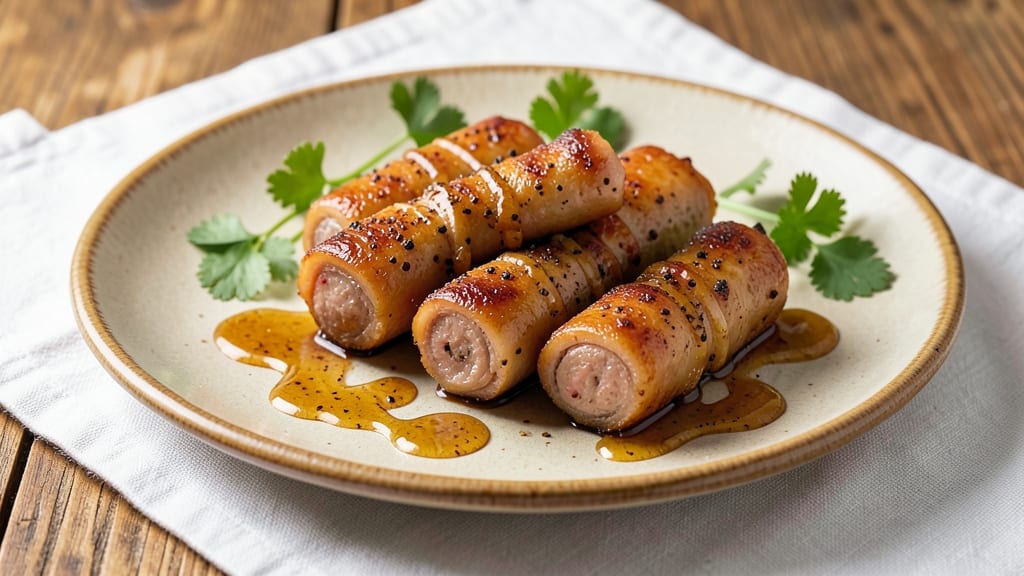
This Chinese pork sausage recipe delivers the perfect balance of crispy edges and fragrant five-spice flavor that makes every bite unforgettable. 🔥 I developed this version after years of perfecting the texture—ground pork, fatty pork for richness, and a secret kneading technique that creates that signature chewy-yet-tender bite.
The five-spice blend isn't just a seasoning; it's the soul of this dish, transforming simple pork into something deeply aromatic.
The magic happens in the preparation: mixing the pork with just the right amount of fat ensures juiciness, while the five-spice rub develops into a glossy, caramelized crust when seared. I've tested this recipe countless times, adjusting the cooking method to guarantee crispy exterior without drying out the interior.
Whether you're making it for a family dinner or a special occasion, this sausage will become a staple in your rotation.
What sets this recipe apart is the versatility—you can steam, fry, or bake the sausage, each method offering a slightly different texture. The fragrant five-spice glaze adds a sticky, caramelized finish that ties everything together.
Serve it with steamed rice, pickled vegetables, or even in buns for a classic char siu bao experience. The aroma alone will have everyone gathered around the table.
Once you try this recipe, you'll understand why it's a favorite in Chinese households and restaurants alike. The combination of crispy exterior, tender interior, and aromatic spice creates a dish that's both comforting and impressive. Let's get cooking—your taste buds will thank you.
Ingredients for chinese pork sausage
Fourteen ingredients transform simple pork into aromatic, crispy Chinese sausage magic.
| Ingredient | Amount | Notes |
|---|---|---|
| Ground Pork Shoulder 🐖 | 1 ½ lb | 80% lean, 20% fat for juiciness |
| Pork Fatback 🥓 | ½ lb | Diced small for richness |
| Five-Spice Powder 🌶️ | 2 tbsp | Homemade or store-bought blend |
| Soy Sauce 🍶 | ¼ cup | Dark soy for color and depth |
| Shaoxing Wine 🍷 | 2 tbsp | Substitute with dry sherry |
| Honey 🍯 | 1 tbsp | For glaze sweetness |
| Sesame Oil 🫒 | 1 tsp | Toasted for aroma |
| Garlic Cloves 🧄 | 4 cloves | Minced for aromatic base |
| Ginger Root 🌿 | 1 tbsp | Fresh, grated finely |
| Cornstarch 🌾 | 1 tbsp | For crispy exterior |
| Neutral Oil 🫒 | 2 tbsp | Peanut or vegetable oil |
| Salt 🧂 | 1 tsp | Kosher or sea salt |
| White Pepper 🌶️ | ½ tsp | Freshly ground preferred |
| Green Onions 🧅 | 2 whole | Sliced for garnish |
The pork shoulder and fatback are non-negotiable here—80/20 lean-to-fat ratio ensures juiciness without grease. Asian markets often carry pre-trimmed fatback, but if you're at a regular grocery store, look for thick-cut bacon or ask the butcher for pork fat. The five-spice powder is the soul of this dish; Penzeys or local Asian grocers carry the best blends, but a homemade mix of star anise, cinnamon, cloves, fennel, and Szechuan peppercorns works wonders too. For Shaoxing wine, Trader Joe's has a decent substitute if you can't find it at a Chinese market—just ensure it's dry and aromatic.
No five-spice blend? Mix 1 tsp each of cinnamon, cloves, fennel seeds, and star anise with 0.5 tsp Szechuan peppercorns. Shaoxing wine missing? Dry sherry or even a splash of apple cider vinegar adds depth. The honey can be swapped for maple syrup or agave if you're avoiding refined sugar. For extra crispiness, add 1 tbsp potato starch to the cornstarch mix. The green onions? Skip the stems—they're tough and add bitterness. If you're making a big batch, double the cornstarch and oil for better searing.
This sausage keeps for 3 days in the fridge, wrapped tightly in parchment paper to maintain crispiness. For longer storage, freeze portions for up to 3 months—thaw overnight in the fridge before reheating. The best way to reheat? Wok-sear again for 2-3 minutes until crispy. Leftovers make killer sandwiches or fried rice—just chop them up and toss in. The glaze thickens as it cools, so if it feels too sticky, add a splash of water and reheat.
Why You'll Love This Recipe
- No-Fuss Assembly: I swear by this recipe because it’s literally three steps: mix, shape, pan-fry. The fatback keeps things juicy while you’re handling other dinner tasks—no fiddly dough or rolling required.
- Five-Spice Magic: That earthy, slightly sweet five-spice powder? It’s the secret weapon. One sniff and you’re transported to a bustling Shanghai street stall, but with zero effort—just toss it in with the pork and soy sauce.
- Leftover Goldmine: These sausages stay perfect for days, whether reheated in a skillet, tossed into fried rice, or sliced cold on toast. Honestly, I make a double batch just so I can snack on them midweek.
- Budget Powerhouse: Fatback and pork shoulder stretch this recipe far—enough to feed four for under $10, and the Shaoxing wine adds depth without breaking the bank. My wallet and taste buds win every time.
Step-by-step instructions for Chinese pork sausage
Here's how to make crispy, aromatic Chinese pork sausage with a perfect five-spice crust.
👨🍳 Step 1: Mix the Pork and Seasonings
In a large mixing bowl, combine the 1.5 lb ground pork shoulder and 0.5 lb diced pork fatback. The fatback adds richness and helps create that signature crispy exterior. Add the 2 tbsp five-spice powder, 1 tsp salt, and 0.5 tsp white pepper, mixing with your hands until evenly distributed. Here's the thing—don't overmix, just work the seasoning into the meat until you see specks of spice throughout.
Next, add the 2 tbsp Shaoxing wine and 1 tbsp honey, mixing again until the pork becomes slightly sticky. This helps bind the mixture and adds that sweet-savory depth. The wine also helps tenderize the meat during cooking. If the mixture feels too wet, you can add 1 tbsp cornstarch to help with binding—this will become crucial for that crispy texture later.
🍳 Step 2: Form and Chill the Sausage Logs
Divide the pork mixture into 4 equal portions (about 6 oz each) and shape into smooth, cylindrical logs about 6 inches long. I like to use my hands to roll them gently, applying just enough pressure to form a compact shape without squeezing out the fat. The logs should be uniform in size so they cook evenly.
Wrap each log tightly in plastic wrap and refrigerate for at least 1 hour (or up to 24 hours). Chilling firms up the fat, which prevents it from leaking out during cooking and helps create that perfect crispy crust. If you're short on time, you can freeze the logs for 30 minutes—just make sure they're completely chilled before cooking.
🔥 Step 3: Sear the Sausages for Maximum Crisp
Heat a wok or large skillet over medium-high heat until it's smoking hot. Add 2 tbsp neutral oil and swirl to coat the bottom evenly. Place the chilled sausage logs in the pan, leaving space between them so they don't steam. Cook undisturbed for 4-5 minutes until the bottoms develop a deep golden-brown crust—this is where all the magic happens.
Flip the sausages and cook for another 4-5 minutes on the second side, again until golden brown. The key here is patience—don't rush the searing. If you notice the sausages releasing fat too quickly, reduce the heat slightly to medium and let them cook slowly. The internal temperature should reach 160°F when done, but the crust should be crispy and caramelized.
🥘 Step 4: Glaze with Five-Spice Honey Sauce
Remove the sausages from the pan and set aside on a plate. Reduce the heat to medium-low and add 4 cloves minced garlic, 1 tbsp grated ginger root, and 1 tsp sesame oil to the same pan. Stir-fry for 30 seconds until fragrant—this builds the aromatic base for your glaze.
Pour in the 0.25 cup soy sauce and let it simmer for 1 minute until slightly reduced. Add the 1 tbsp honey and stir until fully combined. The sauce should coat the back of a spoon and have a glossy sheen. Return the sausages to the pan, spooning the sauce over them, and let them cook for another 1-2 minutes to absorb the flavors.
🍽️ Step 5: Garnish and Serve Immediately
Transfer the sausages to a serving platter and slice them diagonally into ½-inch thick pieces. The slices should be crispy on the outside with juicy, tender pork inside. Drizzle any remaining glaze from the pan over the top for extra shine and flavor.
Garnish with 2 sliced green onions for a pop of color and freshness. Serve immediately with steamed rice or in a stir-fry—these sausages are best enjoyed fresh while the crust is still crispy. The five-spice aroma will fill your kitchen, and every bite delivers that perfect balance of sweet, savory, and aromatic spices.
Pro Tips For Making Chinese Pork Sausage
- FREEZE THE FATBACK FIRST: I learned this the hard way—skipping this step means your sausage will turn greasy and lose texture. Wrap the pork fatback in plastic and freeze it solid for 30 minutes before grinding. When it thaws during mixing, it’ll distribute evenly and keep the sausage juicy, not soggy.
- CHILL THE DOUGH BETWEEN KNEADS: After mixing the pork shoulder, fatback, and spices, resist the urge to roll it out immediately. Wrap the dough in plastic and refrigerate for 30 minutes—this makes shaping easier and prevents the fat from oozing out when you steam it later.
- USE COLD SOY SAUCE: Dump warm soy sauce straight into your mixture, and you’ll end up with a mushy, sticky mess. Keep your soy sauce in the fridge until the last minute, then add it just before shaping. Cold soy sauce blends better and keeps the texture tight.
- STEAM OVER BOILING WATER: I used to blast these sausages in a screaming-hot steamer, and they’d dry out before cooking through. Instead, bring water to a gentle simmer first—just until you see small bubbles breaking the surface—then add the sausages. The indirect heat keeps them moist and flavorful.
Troubleshooting great chinese pork sausage
Fat Leaking Issues
If your sausage logs release too much fat during cooking, the problem likely stems from insufficient chilling time. I've seen this happen when home cooks skip the 1-hour refrigeration step—always chill the logs before searing.
For extra insurance, freeze the shaped logs for 30 minutes to firm up the fat. Also, ensure your pork fatback is diced into pea-sized pieces or smaller; larger chunks melt unevenly. 🥓
Undercooked Centers
Pork sausage needs to reach 160°F internal temperature for safety, but many home cooks pull it too soon. Use a meat thermometer to check—insert it into the thickest part without touching bone. If the center feels cool, return the sausage to the pan and cook another 2-3 minutes.
Overcrowding the pan also causes uneven cooking; leave space between logs for proper browning. For thicker logs (7+ inches), reduce heat to medium to prevent burning the exterior before the center cooks.
Dry or Tough Texture
The fat-to-lean ratio is critical here—80/20 ground pork shoulder is non-negotiable. If your sausage turns out dry, you likely used leaner pork. For extra tenderness, add 1 tbsp Shaoxing wine per pound of pork during mixing. Overworking the meat also causes toughness; mix just until combined.
And never skip the chilling step—it helps the fat redistribute during cooking, keeping the meat juicy. If you're concerned, test a small piece by pressing it gently; it should spring back slightly, not feel rubbery. ✨
Poor Glaze Adherence
A glossy five-spice glaze should coat the sausage, not pool in the pan. If yours isn't sticking, the issue is usually timing or sauce consistency. Build the glaze over medium-low heat for proper reduction—rushing causes a watery finish.
For extra adhesion, toss the cooked sausages in 1 tsp cornstarch before glazing. Also, ensure your honey and soy sauce are at room temperature; cold ingredients create a thicker, less spreadable sauce. If the glaze feels too thin, simmer it uncovered for 30 seconds to evaporate excess moisture.
Uneven Cooking
Sausage logs should be uniform in size—6 inches long and 1.5 inches in diameter—for even cooking. Use a kitchen scale to divide the mixture into equal portions. If your pan isn't hot enough, the sausages will steam instead of sear, leading to pale, soggy results.
Preheat your wok or skillet until it's smoking hot before adding oil. For extra control, cook in batches if needed; overcrowding drops the pan temperature dramatically. A well-seasoned cast iron pan helps here—I swear by my Lodge 12-inch skillet for perfect searing.
Five-Spice Flavor Weak
Five-spice powder loses potency over time, so check the date on your jar. For maximum flavor, toast the whole spices (star anise, cinnamon, cloves, fennel, and Szechuan peppercorns) in a dry pan for 2 minutes before grinding.
If you're using a store-bought blend, look for brands like Penzeys or Spicewalla—they're consistently high-quality. For an extra boost, add ½ tsp ground cinnamon directly to the pork mixture. And remember: the glaze amplifies the spice, so don't skimp on the soy sauce and honey reduction step. 🌶️
Nutrition facts
Frequently asked questions
Can I substitute ground pork shoulder with another type of pork?
For best results, stick with 80% lean ground pork shoulder—it balances juiciness with structure. You could use pork butt (Boston butt) if that's what's available, but avoid lean cuts like tenderloin, which lack fat for crispiness. For a slightly different texture, some chefs use 20% pork belly instead of fatback, but it requires longer chilling to firm up.
How do I make these sausages without a wok?
A heavy-bottomed cast iron skillet works perfectly! Heat it over medium-high heat until smoking, then add the oil. The key is maintaining high heat for that crispy crust—just like a wok. If your pan isn't wide enough, cook in batches to avoid crowding. A stainless steel pan works too, but cast iron retains heat better for even searing.
Can I make this recipe with beef instead of pork?
Technically yes, but the flavor and texture will differ significantly. Beef needs more marinating time (try 4-6 hours with extra Shaoxing wine) and cooks longer. The fat content must be higher (90/10 lean-to-fat ratio) to prevent dryness. Five-spice still works, but traditional Chinese sausage relies on pork's natural richness—beef versions tend to be more robust and less tender.
What's the best way to reheat leftover Chinese pork sausages?
For maximum crispiness, reheat in a dry skillet over medium heat for 2-3 minutes per side until golden. Avoid microwaving—they'll lose their texture. If you're short on time, toss them in a 400°F oven for 5-7 minutes on a wire rack to maintain crispness. Store leftovers wrapped tightly in parchment paper to preserve the crust.
How can I make these sausages spicier?
Add ½ tsp chili flakes or 1 tsp gochujang to the pork mixture, or increase the Szechuan peppercorns in your five-spice blend. For heat with depth, stir 1 tsp chili oil into the glaze. Start with small amounts—Chinese pork sausage traditionally balances warmth with aromatic spices, so you can always adjust to taste after the first bite.