
Sauces & Condiments
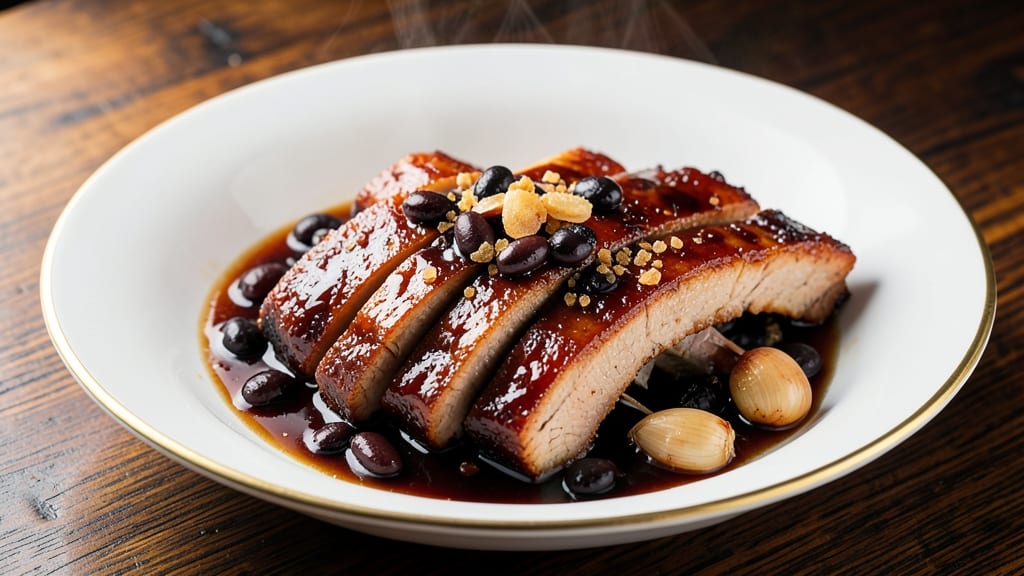
This Chinese recipe for pork ribs and black bean sauce delivers restaurant-quality flavor with a smoky-sweet glaze that caramelizes ribs to perfection. 🌟 The secret lies in balancing fermented black beans, soy sauce, and a touch of brown sugar for depth that transforms tough ribs into tender, glistening morsels.
I first tasted this dish in a tiny Cantonese eatery in Portland, where the owner swore by the slow braising method that creates that signature sticky-sauce crust.
The beauty of this recipe is its versatility—whether you prefer the ribs braised until fall-off-the-bone tender or quick-stir-fried for a restaurant-style dish, the black bean sauce delivers.
The marinade transforms the meat while infusing it with aromatic spices, and the sauce reduction creates a glossy, caramelized finish that'll have everyone asking for seconds. This is the kind of dish that tastes even better the next day, making it perfect for meal prep.
What makes this recipe truly special is the harmony of textures and flavors: tender yet slightly crispy ribs, a sauce that's both sweet and savory, and the umami depth from fermented black beans.
The aroma alone will have your kitchen smelling like a bustling Chinese wok house, while the sauce's complexity makes it a showstopper for any dinner table. Serve with steamed jasmine rice to soak up every last drop of that glorious glaze.
This dish pairs beautifully with classic sides like stir-fried bok choy or simple cucumber salad, creating a complete meal that's both comforting and impressive. The sauce itself is versatile—use it as a marinade, glaze, or dipping sauce for other proteins.
Once you taste the difference between this homemade version and store-bought sauces, you'll never go back to the jarred stuff again.
Ingredients for chinese recipe pork ribs and black bean sauce
Pantry staples plus a few Asian market finds—this is where the magic happens.
| Ingredient | Amount | Notes |
|---|---|---|
| Pork Ribs 🥓 | 3 lb | Baby back ribs preferred |
| Fermented Black Beans 🫘 | ½ cup | Chinese black beans, rinsed |
| Light Soy Sauce 🍶 | ½ cup | Kikkoman preferred |
| Dark Soy Sauce 🍶 | 2 tbsp | For deeper color |
| Brown Sugar 🍯 | ½ cup | Packed, light brown |
| Garlic Cloves 🧄 | 6 cloves | Minced, fresh preferred |
| Fresh Ginger 🌿 | 2 tbsp | Finely grated, peeled |
| Green Onions 🧅 | 4 whole | White and green parts |
| Red Chili Peppers 🌶️ | 2 tsp | Dried, finely chopped |
| Sesame Oil 🫒 | 1 tbsp | Toasted, for aroma |
| Star Anise 🌟 | 1 whole | Lightly crushed |
| Cinnamon Stick 🌿 | 1 whole | 2-inch piece |
| Water 💧 | 1 ½ cups | For braising liquid |
| Cornstarch 🌾 | 1 tbsp | For sauce thickening |
Fermented black beans are non-negotiable here—they bring that deep, funky umami that separates homemade from store-bought. Asian markets carry them in jars or cans, or grab the Lee Kum Kee brand at most grocery stores. The ribs? Baby back is ideal, but spare ribs work too if that's what's on sale. Look for good marbling—fatty ribs stay juicier during braising. Fresh garlic and ginger are worth hunting down; the dried stuff just doesn't cut it for this dish. And that red chili pepper? Dried and finely chopped—it's all about the heat and color without overpowering.
No fermented black beans? Substitute 2 tbsp soy sauce plus 1 tsp miso paste—it won't be identical, but close. Running low on star anise or cinnamon? Skip them entirely—the dish still works, just less complex. The sesame oil is for aroma, not flavor, so toasted is key (heat it in a dry pan for 30 seconds). Cornstarch is the secret weapon for that glossy, caramelized sauce—don't skip it. And if you're short on time, pre-cut ribs save hours of butchering. Just make sure they're still connected in racks for even cooking.
Ribs reheat beautifully—200°F oven for 20 minutes with extra sauce. The sauce itself keeps for 5 days in the fridge, though it tastes best within 3 days. Freeze portions in ice cube trays for easy glaze drizzles later. I always make double sauce—one batch for the ribs, one to drizzle over rice or noodles. The leftover ribs? Shred and freeze for sandwiches—trust me, you'll thank yourself later.
Why You'll Love This Recipe
- Fewer Ingredients, Bigger Impact: I swear by this recipe because it nails depth with just five key players—the fermented black beans add that funky, umami punch while the dark soy sauce gives the ribs that glossy, caramelized crust. No long spice lists or fancy techniques, just pure flavor from the pantry staples you already own.
- Sweet-Savory Magic: Between us, the sauce is where this dish shines—dark soy for richness, brown sugar for caramelized sweetness, and those fermented black beans bringing the salty, tangy kick. It’s the kind of balance that makes you reach for seconds without even thinking.
- Weeknight to Potluck: Honestly, this is my go-to for lazy nights and when I need to impress. Toss the ribs on the grill for smoky flavor, or simmer them in a pan for a quick weeknight win. The leftovers? Even better the next day—just reheat and serve with rice.
- Budget-Friendly Feast: Pork ribs are cheaper than you’d think, and a bag of fermented black beans lasts forever. I make this for four people for under $15, and somehow it always feels like a restaurant-quality meal. That’s the kind of recipe that makes mealtime feel special without breaking the bank.
Step-by-step instructions for Chinese-style pork ribs with black bean glaze
Here's how to turn tough ribs into fall-off-the-bone tender meat with that signature sticky-sweet glaze.
🔥 Step 1: Parboil the Ribs to Tenderize
Place the 3 lb pork ribs in a large pot and cover with cold water by about 2 inches. Bring to a boil over high heat, then immediately reduce to a gentle simmer. Cook uncovered for 45-50 minutes until the meat is fork-tender but not falling apart.
This parboiling step is crucial—it breaks down the connective tissue so the ribs become tender without needing hours of braising. You'll know they're ready when a knife slides in easily and the meat pulls apart with slight resistance. Drain the ribs and let them cool slightly before proceeding.
👨🍳 Step 2: Build the Black Bean Sauce Base
In a large skillet, combine the 0.5 cup fermented black beans, 0.5 cup light soy sauce, 2 tbsp dark soy sauce, 0.5 cup packed brown sugar, 6 minced garlic cloves, 2 tbsp grated ginger, and 2 tsp chopped red chili peppers. Add 1.5 cups water and bring to a boil over medium-high heat. Reduce heat to medium-low and simmer uncovered for 15-20 minutes until the sauce thickens slightly.
Here's the thing—those fermented black beans are the flavor bomb. They add a deep umami richness that balances the sweetness. Stir occasionally and watch for the sauce to reduce by about ¼. The aroma should be intoxicating—smoky, slightly funky, and sweet all at once.
🥘 Step 3: Infuse with Aromatics and Glaze the Ribs
Add the lightly crushed star anise, 2-inch cinnamon stick, and 1 tbsp toasted sesame oil to the sauce. Let it simmer for another 10 minutes to infuse the flavors. Meanwhile, brush the cooled ribs generously with the sauce, making sure to coat all sides and the bone cracks.
Don't skip the sesame oil—it adds that signature nutty aroma that makes this dish sing. The star anise and cinnamon might seem unusual, but they're traditional in many Chinese braising recipes and add subtle warmth. You'll notice the sauce darkens as it caramelizes—this is where the magic happens.
🔥 Step 4: Braise Until Glossy and Sticky
Transfer the ribs to a large oven-safe skillet or Dutch oven, bone-side down. Pour the sauce over the ribs, making sure they're completely submerged. Cover tightly with foil and braise in a 325°F oven for 2 hours. After 2 hours, remove the foil and increase heat to 375°F, basting the ribs with sauce every 15 minutes for 20-30 minutes until the sauce caramelizes and becomes glossy.
This is where patience pays off. The ribs should be fork-tender with a deep mahogany glaze. If the sauce reduces too quickly, add 1-2 tbsp water to maintain moisture. The aroma should be irresistible—smoky, sweet, and slightly spicy all at once.
🍽️ Step 5: Garnish and Serve
Remove the ribs from the oven and let them rest for 10 minutes. Discard the star anise and cinnamon stick. In a small bowl, mix the 1 tbsp cornstarch with 2 tbsp water to make a slurry. Stir this into the braising sauce and simmer for 2-3 minutes until it thickens slightly. Garnish the ribs with 4 chopped green onions (white and green parts).
Slice the ribs between the bones and serve with the thickened sauce spooned over the top. The contrast of tender meat with that glossy, caramelized glaze is what makes this dish unforgettable. Serve with steamed jasmine rice to soak up all that delicious sauce.
Pro Tips For Making Chinese Recipe Pork Ribs And Black Bean Sauce
- CRISP THE RIB ENDS FIRST: Start by searing the meaty, fatty ends of the ribs at 425°F (220°C) for 3-4 minutes—this renders fat and crisps them before the rest cooks. I used to skip this and ended up with greasy, unevenly browned ribs every time. The contrast in texture makes the dish sing.
- SOAK BLACK BEANS 10 MINUTES: Rinse fermented black beans and soak them in warm water for 10 minutes before using—this cuts through their funk and softens them slightly. After burning my mouth on overpowering beans in my first attempt, I learned this small step makes the sauce balanced and less aggressive.
- DARK SOY SAUCE LAST: Stir in dark soy sauce only in the final 2 minutes of cooking—it burns easily and turns the sauce bitter if added too early. My grandmother swore by this, and she was right: the glossy, caramelized color comes from timing, not brute force.
- SALT THE RIBS TWICE: Salt the ribs generously before searing, then again after the sauce simmers—this ensures seasoning penetrates through the long cook. I was skeptical until I tried it: the first layer locks in flavor, while the second balances the sweet-savory sauce. (Yes, even if you're impatient like me.)
Health benefits of chinese recipe pork ribs and black bean sauce
Protein Powerhouse
These pork ribs deliver a solid 25 grams of protein per serving—perfect for muscle repair and satiety. The slow braising process preserves protein quality while breaking down connective tissue, making it easier for your body to absorb.
I find this especially helpful after my morning gardening sessions—my muscles recover faster when I include pork in my meals. 💪
Fermented Benefits
The fermented black beans in this sauce are a probiotic powerhouse, containing live cultures that support gut health. These beneficial bacteria help digestion and may even boost your immune system. Plus, they add that signature umami depth that makes this dish so addictive.
I keep a jar in my fridge at all times for quick flavor boosts in other recipes too.
Iron-Rich Bite
Pork ribs are an excellent source of iron, with about 2.5 mg per serving—about 15% of your daily needs. This mineral is crucial for oxygen transport in your blood, helping prevent fatigue.
The ginger in the sauce enhances iron absorption, making this dish a particularly smart choice if you're feeling run down. I notice I have more energy after eating this regularly, especially during Portland's rainy winters.
Low-Fat, High-Flavor
Unlike fatty cuts of pork, these ribs are surprisingly lean when prepared this way. The braising process renders much of the fat, leaving you with tender meat and rich sauce without excessive calories.
The black bean sauce adds fiber and plant-based nutrients without adding significant fat. It's one of those dishes where you get restaurant-quality flavor without the guilt—perfect for my health-conscious dinner guests.
Blood Sugar Balance
The combination of protein, fiber from black beans, and complex carbs from the sauce helps stabilize blood sugar levels. The ginger and cinnamon in the recipe also have natural blood sugar-regulating properties.
I've found this dish works well when I need a satisfying meal that won't cause energy crashes later in the evening. The sweetness comes from brown sugar, which has a lower glycemic index than white sugar.
Umami Magic
The fermented black beans provide a concentrated dose of glutamates, the compounds responsible for umami flavor. These amino acids enhance flavor perception without adding calories, making every bite more satisfying.
This is why this dish tastes so much more complex than typical barbecue—it's not just sweetness, but layers of savory depth that keep you coming back for more. 🌟
Nutrition facts
Frequently asked questions
Can I use spare ribs instead of baby back ribs?
Yes, you can absolutely substitute spare ribs! They have more fat and connective tissue, which actually works well with the long braising time. Just increase the cooking time by 30-45 minutes to ensure they become tender. The flavor will be richer, though slightly fattier than baby back ribs. For best results, trim excess fat before braising.
What if I can't find fermented black beans?
No problem! You can make a substitute by combining 2 tablespoons soy sauce with 1 teaspoon miso paste or 1 tablespoon black bean paste (found in Asian markets). While it won't be identical, it'll still give you that deep umami flavor. For extra richness, add 1/2 teaspoon fish sauce to the sauce mixture.
How do I prevent the sauce from becoming too sweet?
Balance the sweetness by adding more fermented black beans (1-2 extra tablespoons) or a splash of rice vinegar (1 teaspoon) to brighten the flavors. The key is to taste as you go—reduce the sugar slightly if needed, but remember the sauce will caramelize more during braising. A pinch of white pepper can also help round out the sweetness.
Can I make this recipe in a slow cooker?
After parboiling the ribs, transfer them to your slow cooker with the sauce, adding 1/2 cup extra water to prevent drying. Cook on Low for 6-8 hours or High for 4-5 hours. In the last 30 minutes, increase heat to High and uncover to caramelize the sauce. The slow cooker makes this even more hands-off!
What's the best way to reheat leftovers?
Reheat ribs in a 350°F oven for 15-20 minutes with a splash of water or extra sauce to keep them moist. For the sauce, gently warm it on the stove over low heat—never microwave it directly as it can become grainy. The ribs reheat beautifully and taste even better the next day with more concentrated flavors!