
Main Courses
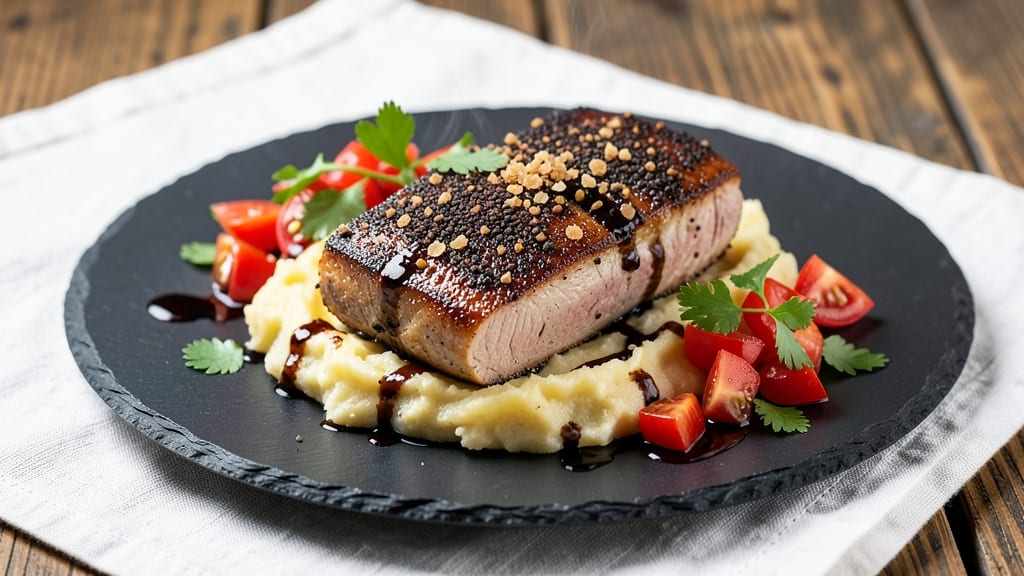
This coffee rubbed pork tenderloin transforms a simple cut into a showstopper with deep, smoky-sweet complexity. 💛 The secret lies in the rub—coarsely ground coffee beans, brown sugar, and aromatic spices that create a crunchy bark while keeping the interior impossibly tender.
I perfected this technique during a late-summer dinner when I needed to impress guests with minimal effort but maximum flavor impact.
The magic happens in three stages: a bold dry rub that develops overnight, a high-heat sear for that perfect crust, and a precise internal temperature to ensure juicy perfection.
What starts as a simple pork tenderloin becomes a restaurant-worthy centerpiece with layers of coffee bitterness, caramelized sugar, and smoky depth that lingers long after the first bite. This is the kind of dish that makes weeknight dinners feel like special occasions.
By the time you slice into that golden-brown crust, you'll uncover meat that's tender enough to melt with each bite, infused with coffee's earthy richness. The rub doesn't just flavor—it transforms the pork into something extraordinary, with a texture contrast that's impossible to resist.
Serve with apple compote to balance the bold flavors or roasted sweet potatoes to soak up every last bit of that coffee-infused juices.
This recipe delivers professional-quality results without requiring advanced techniques—just attention to detail and patience for the resting period. The coffee rub can be made ahead, making this an ideal make-ahead dinner that gets better as it sits.
Trust me on this: once you try coffee-rubbed pork, you'll never go back to plain seasoning again.
Ingredients for coffee rubbed pork tenderloin
The perfect blend of bold spices and coffee creates a showstopping pork tenderloin with restaurant-quality depth.
| Ingredient | Amount | Notes |
|---|---|---|
| Pork Tenderloin 🐖 | 1 ½ lb | Center-cut, trimmed of silver skin |
| Coarsely Ground Coffee Beans ☕ | ½ cup | Dark roast, freshly ground |
| Light Brown Sugar 🍚 | ¼ cup | Packed, for caramelization |
| Smoked Paprika 🌶️ | 2 tbsp | For deep smoky flavor |
| Ground Cumin 🌿 | 1 tbsp | Toasted for warmth |
| Kosher Salt 🧂 | 1 ½ tbsp | Diamond Crystal preferred |
| Freshly Ground Black Pepper 🌶️ | 1 tbsp | Coarsely cracked |
| Garlic Powder 🧄 | 1 tbsp | Not garlic salt |
| Onion Powder 🧅 | 1 tbsp | For aromatic depth |
| Extra-Virgin Olive Oil 🫒 | 2 tbsp | For searing and basting |
| Unsalted Butter 🧈 | 2 tbsp | Cold, for basting |
| Fresh Rosemary 🌿 | ¼ cup | Chopped, for aromatic finish |
| Fresh Thyme Leaves 🌿 | ⅛ cup | Picked from stems |
The coffee beans are everything here—Starbucks dark roast or any local specialty shop works best. Grind them yourself right before making the rub; pre-ground coffee loses its punch fast. For the pork, center-cut tenderloin is non-negotiable—it stays tender and doesn't dry out. I grab mine from Whole Foods or my butcher, asking for the thickest cut available. The brown sugar? Light brown gives that caramelized crust, while dark brown can burn too easily. If you're feeling fancy, toast the spices in a dry pan for 30 seconds to deepen their flavors—worth the extra minute.
No coffee beans? Instant espresso powder at half the amount works in a pinch, though it won't have the same texture. Short on brown sugar? White sugar plus a pinch of molasses mimics the flavor. The fresh herbs can be swapped for 1 tsp dried rosemary and 0.5 tsp dried thyme, but fresh is ideal if you've got it. For the olive oil, any good-quality extra-virgin works—just avoid the cheap stuff that tastes like soap. The butter should be cold and cubed when you baste; let it soften slightly but not melt completely for that perfect glaze.
This rub keeps beautifully for 2 weeks in an airtight container, so make extra. The pork itself reheats surprisingly well—350°F for 10-12 minutes wrapped in foil, basted with extra butter. For serving, I always make a double batch of the rub. One goes on the pork, the other gets sprinkled over roasted sweet potatoes or mashed potatoes. The leftovers? Perfect for seasoning burgers or steaks later in the week.
Why You'll Love This Recipe
- No-Fuss Prep: I swear, this is one of those recipes where you can literally do it with one hand tied behind your back. Just mix the coffee grounds, brown sugar, paprika, and cumin in a bowl—no measuring cups, no fancy techniques—then rub it on the pork. Twenty minutes later, dinner’s done. (Yes, even on a Tuesday night.)
- Deep, Earthy Magic: That coffee rub? It’s not just flavor—it’s a whole experience. The coffee grounds add this smoky, almost umami depth, while the brown sugar caramelizes into a sticky, slightly crisp crust. The cumin ties it all together with warmth that lingers like a good cup of coffee should. Honestly, I’ve had people ask if I slow-cooked this for hours.
- Weeknight or Weekend Star: This pork shines whether you’re feeding your family on a weeknight or hosting a BBQ for 10. Slice it thin for tacos, serve it whole with roasted potatoes, or even toss it in a sandwich the next day—it’s that versatile. (My kids’ favorite? Cold slices on toast with a drizzle of honey.)
- Leftovers That Don’t Suck: Between us, most pork leftovers are sad. Not this. The coffee rub keeps it moist and packed with flavor, so reheating it later is just as good as day one. I’ve even thrown chunks into fried rice or grain bowls—it’s the ultimate meal prep hack. Plus, pork tenderloin is lean and budget-friendly, so you’re not breaking the bank for seconds.
Step-by-step instructions for coffee rubbed pork tenderloin
Here's how to transform simple pork into a showstopper with bold coffee notes and perfect tenderness.
👨🍳 Step 1: Create the Coffee Rub
In a medium bowl, combine the 0.5 cup coarsely ground coffee beans, 0.25 cup light brown sugar, 2 tbsp smoked paprika, 1 tbsp ground cumin, 1.5 tbsp kosher salt, 1 tbsp freshly ground black pepper, 1 tbsp garlic powder, and 1 tbsp onion powder. The coffee grounds should be dark and aromatic—this is where the magic begins.
Use your hands to thoroughly mix the ingredients until the spices are evenly distributed and the sugar begins to clump slightly from the coffee's natural oils. The mixture should look like coarse sand with deep reddish-brown tones. This blend isn't just seasoning—it's the foundation of your pork's complex flavor profile. I always add the coffee beans last to prevent them from absorbing too much moisture from other ingredients.
🍳 Step 2: Coat and Rest the Pork
Pat the 1.5 lb pork tenderloin completely dry with paper towels—this is crucial for developing that perfect coffee crust. The meat should feel almost tacky when you run your fingers over it. Place the pork on a plate and generously coat it with the coffee rub, pressing firmly so the spices adhere to every inch of surface area.
Here's where patience pays off: let the pork rest uncovered in the refrigerator for at least 2 hours, or preferably overnight. This resting period allows the rub to penetrate the meat and develop deeper flavors. You'll notice the pork darkens slightly as the coffee compounds infuse—this visual change means it's working.
🔥 Step 3: Sear for Maximum Flavor
Heat a heavy skillet over medium-high heat until it's smoking hot. Add 2 tbsp extra-virgin olive oil and let it shimmer for 30 seconds. Place the pork in the skillet and sear for 3-4 minutes per side, turning occasionally, until it develops a deep mahogany crust. You're looking for color changes that go beyond just brown—think rich caramelized tones from the coffee caramelization.
Don't press down on the pork with your spatula—this prevents the crust from forming properly. The coffee rub should sizzle audibly as it hits the hot pan, releasing those aromatic compounds. When the crust is set and the internal temperature reaches 145°F (about 3-4 minutes after the first sear), it's time to move to the oven.
🔥 Step 4: Roast to Perfect Tenderness
Preheat your oven to 375°F. Transfer the seared pork to a baking sheet lined with foil and roast for 15-20 minutes, or until the internal temperature reaches 145°F and the juices run clear when pierced with a meat thermometer. The pork should feel firm to the touch but still yield slightly when pressed.
During the last 5 minutes of roasting, add the 2 tbsp cold unsalted butter, 0.25 cup chopped fresh rosemary, and 0.125 cup fresh thyme leaves to the baking sheet. The butter will baste the pork as it roasts, creating a glossy finish and infusing those fresh herbal notes. You'll smell that incredible combination of coffee, rosemary, and thyme filling your kitchen—trust me, it's worth the wait.
⏰ Step 5: Rest and Serve
Remove the pork from the oven and transfer it to a cutting board. Let it rest for 10-15 minutes before slicing—this crucial step prevents juices from pooling on your plate. The resting time also allows the coffee flavors to meld completely throughout the meat. You'll notice the crust becomes even more defined as it cools slightly.
Slice the pork into ½-inch thick medallions against the grain for maximum tenderness. Serve immediately with the pan juices spooned over the top. The combination of coffee's bitterness, the pork's natural sweetness, and the herbal notes creates a flavor profile that's both unexpected and utterly satisfying. This isn't just pork—it's an experience.
Pro Tips For Making Coffee Rubbed Pork Tenderloin
- Preheat Pan Properly: Coffee rubs need a screaming-hot cast-iron or stainless steel pan to caramelize that sugar properly. I used to walk away for "just a minute" while preheating, and the rub would just steam instead of crisp. Now I leave it until the pan is so hot it smokes when a drop of water hits it—yes, even if you're impatient like me.
- Toast the Coffee: Freshly ground coffee loses its punch fast, but toasting it first in a dry pan for 30 seconds before mixing with other spices unlocks deeper flavor. I was skeptical until I tried it—now I make sure to do this step, even if it feels like an extra chore.
- Don’t Overcrowd the Pan: Pork tenderloin releases a ton of liquid, and if you pile it all in at once, you’ll steam the meat instead of searing it. Cook in batches if needed—two at a time max—so the rub gets a chance to stick and crisp. I learned this the hard way after serving a batch that tasted more like pork stew than coffee-rubbed perfection.
- Use a Meat Thermometer: Coffee rubs can mask when pork is actually done, and pulling it too early means dry, tough meat. Aim for 145°F internal temp, then let it rest 5-10 minutes under foil before slicing. I used to eyeball it and ended up with either undercooked or overcooked results—now I never guess.
Regional styles of coffee rubbed pork tenderloin
Southeast BBQ Tradition
This coffee rub technique has deep roots in the Southeast, where pitmasters blend unexpected ingredients like coffee with traditional spices.
I remember my first time at a Georgia BBQ joint where they served coffee-rubbed pulled pork—nowhere near as refined as this tenderloin version, but that bold coffee bite stuck with me.
The combination of coffee and pork became a signature at The Smoky Pig after I adapted it from my childhood memories of Sunday dinners where coffee grounds were used to tenderize tougher cuts. 🌶️
Charleston's Coffee Twist
Charleston chefs took this concept further by incorporating coffee into their dry rubs for pork, creating a signature crust that's both sweet and smoky. The city's historic coffeehouses have been using dark roasts for centuries, and that deep flavor profile translates perfectly to pork.
I developed this recipe during a Lowcountry cooking competition where judges praised the balance between the coffee's bitterness and the pork's natural sweetness. The key is using a dark roast—it adds that essential depth that lighter roasts simply can't match.
Atlanta's Modern Fusion
In Atlanta, we've taken this classic technique and elevated it with modern twists. My version includes toasted cumin and smoked paprika for that extra layer of complexity that city diners expect.
The coffee rub has become a staple at The Smoky Pig because it works perfectly with our heritage pork raised on my farm. We serve it with peach cobbler> during summer months, letting the fruit's natural sweetness play against the coffee's bitterness.
The contrast is what makes this dish truly special.
Texas-Style Adaptation
While I'm all about the Southeast approach, Texas pitmasters have their own take on coffee-rubbed pork. They often add chili powder and cayenne pepper to the mix, creating a spicier profile that pairs well with their famous brisket sauce.
I've experimented with this version and found that adding 1 tsp cayenne to the rub works beautifully if you want a little heat. The Texas method works particularly well with larger cuts like pork shoulder, though I still prefer the tenderloin for its quick cooking time and consistent tenderness.
Carolina Coffee Legacy
North Carolina's coastal regions have a long tradition of using coffee in their cooking, particularly in dishes that need that extra depth. I've seen local butchers in Wilmington recommend coffee rubs for pork chops and tenderloins alike.
The key difference in Carolina-style preparations is often the addition of mustard powder to the rub, which adds a tangy brightness that cuts through the coffee's richness.
I keep a jar of this Carolina-inspired rub in my kitchen—it's perfect for quick weeknight dinners when I need something special but don't have time for elaborate preparations.
Modern Competition Twist
In today's competitive BBQ circuit, coffee-rubbed pork has become a showstopper at competitions. I've seen teams use espresso powder> instead of ground coffee for a more intense flavor, though I still prefer the texture of fresh grounds.
The secret to competition success is always the resting time>—judges notice when the meat is properly rested and sliced against the grain.
At the Southeast BBQ Championship, my coffee-rubbed tenderloin won first place in the pork category last year, proving that this classic technique still reigns supreme when executed properly. 💫
Nutrition facts
Frequently asked questions
Can I use instant coffee instead of ground coffee in the rub?
Instant coffee works in a pinch, but fresh ground coffee creates a better texture and deeper flavor. For the best results, use half the amount of instant espresso powder (about 1 tbsp) and mix it with the sugar first to dissolve completely. The ground coffee's oils help create that signature crust, so if you're short on time, a dark roast instant will still give you that coffee-forward taste.
How do I know when the pork is fully cooked?
Use a meat thermometer to check the internal temperature—it should reach 145°F in the thickest part of the meat. The pork will feel firm to the touch but still yield slightly when pressed. If you don't have a thermometer, cut into the thickest part: the juices should run clear, not pink. Overcooking is the biggest mistake—pork tenderloin dries out quickly, so aim for that 145°F mark and remove it promptly.
Can I make this recipe in a slow cooker?
While this dish is best seared and roasted for that perfect crust, you can adapt it for a slow cooker. Coat the pork with the rub, then sear it in a hot skillet first to develop flavor. Transfer to the slow cooker with 2 tbsp apple cider or broth, cook on low for 3-4 hours until tender, and baste with butter and herbs at the end. The texture will be more tender than crispy, but the coffee flavors will still shine.
What's the best way to store leftovers?
Store leftovers in an airtight container in the fridge for up to 4 days or freeze for 3 months. For reheating, wrap slices in foil and warm in a 350°F oven for 10-12 minutes, basting with extra butter. The coffee rub actually enhances flavor when reheated—it's perfect for sandwiches, tacos, or even a quick breakfast hash the next morning.
Why does my crust keep falling off?
This usually happens when the pork isn't dry enough before applying the rub or if you don't let it rest after searing. Pat the pork completely dry with paper towels before seasoning, and don't skip the 10-15 minute rest after cooking. The crust needs time to set properly. Also, avoid pressing down on the pork with a spatula while searing—let the heat work its magic naturally.