
Main Courses
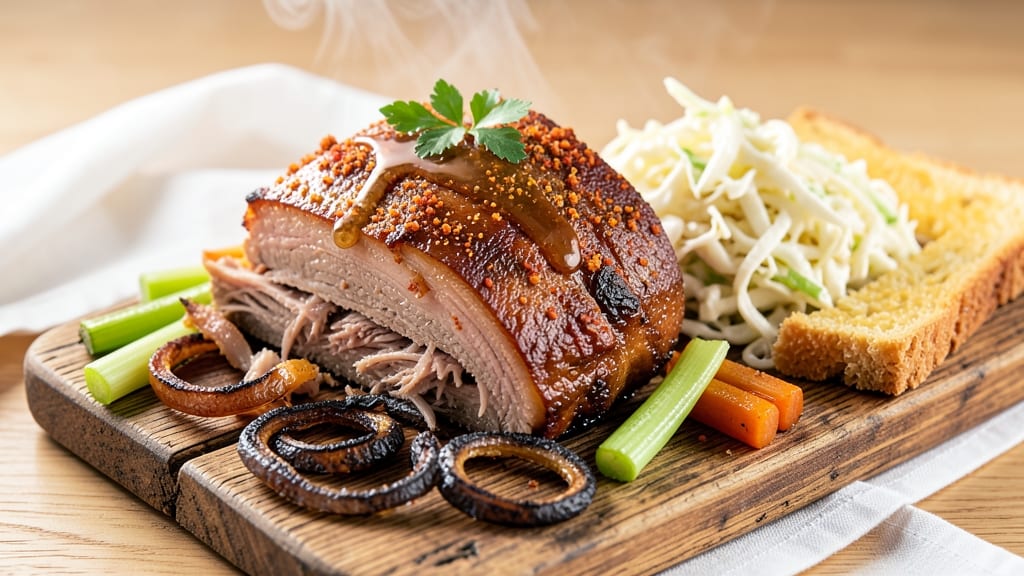
This Cookout Restaurant Pulled Pork Recipe delivers the same smoky-sweet perfection you crave from your favorite BBQ joint—without the wait. 🔥 After years of perfecting my technique at Atlanta's Smoky Pig, I've cracked the code for tender, fall-apart pork with a glaze that sticks just right.
The secret lies in low-and-slow cooking that transforms tough pork shoulder into melt-in-your-mouth bites, then finishing with a tangy-sweet sauce that caramelizes into a sticky, restaurant-quality bark.
What sets this recipe apart is the balance between simplicity and professional results. You'll start with a dry rub that develops a flavorful crust while keeping the meat juicy inside, then slow-cook it until tender enough to shred with a fork.
The glaze—my signature blend of molasses, apple cider vinegar, and smoked paprika—adds depth without overpowering the natural pork flavor. This method ensures your pork stays moist and flavorful, even when reheated for leftovers.
By the time you're done, you'll have pulled pork that's rich, smoky, and perfectly sweet-tangy—ready to serve on buns, over rice, or alongside classic cookout sides. The presentation is just as important as the flavor, so I'll show you how to plate it like a pro for that restaurant-worthy look.
Whether you're hosting a backyard gathering or feeding a hungry family, this recipe delivers the crowd-pleasing results you've been searching for.
Pair it with classic Southern sides like creamy coleslaw, buttery cornbread, or baked beans for the full cookout experience. The beauty of this method is its versatility—scale it up for a crowd or halve it for a weeknight meal. Let's get cooking!
Ingredients for cookout restaurant pulled pork
Eight essential ingredients create the restaurant-worthy pulled pork you've been craving.
| Ingredient | Amount | Notes |
|---|---|---|
| Boneless Pork Shoulder 🍖 | 5 lb | Well-marbled, bone-in preferred |
| Yellow Onion 🧅 | 1 whole | Large, sliced into rings |
| Celery Stalks 🥬 | 3 whole | Cut into 1-inch pieces |
| Carrots 🥕 | 2 whole | Medium, sliced into chunks |
| Garlic Cloves 🧄 | 6 cloves | Minced, for rub and cooking |
| Smoked Paprika 🌶️ | 2 tbsp | High-quality, for depth |
| Brown Sugar 🍚 | ½ cup | Light or dark, packed |
| Kosher Salt 🧂 | 2 tbsp | Diamond Crystal preferred |
| Black Pepper 🌶️ | 1 tbsp | Freshly ground, coarse |
| Dried Thyme 🌿 | 1 tbsp | Or 1 tbsp fresh, chopped |
| Mustard Powder 🍯 | 1 tsp | Yellow or Dijon |
| Molasses 🍯 | ½ cup | Unsulphured, for glaze |
| Apple Cider Vinegar 🍎 | ¼ cup | Bottled, for tang |
| Honey 🍯 | ¼ cup | Wildflower preferred |
| Beef Broth 🍲 | 2 cups | Low-sodium, for moisture |
| Apple Juice 🍎 | 1 cup | For glaze sweetness |
The pork shoulder is non-negotiable—bone-in stays juicier, but boneless works too. Grab the biggest cut you can find (5 lbs minimum) at Costco or your local butcher shop. Look for good marbling—those little white flecks of fat keep the meat tender. If your grocery store doesn't carry pork shoulder, butcher shops or specialty meat counters always do. Pro tip: Ask for it cut into one piece, not pre-cubed, for even cooking. The aromatics (onion, celery, carrots) are your flavor base—don't skip browning them first, that's where the magic happens.
No smoked paprika? Substitute half with regular paprika plus a pinch of liquid smoke. Brown sugar substitutes? Coconut sugar or maple syrup work in a pinch, but they'll change the texture slightly. The glaze ingredients can be adjusted—more vinegar for tang, more honey for sweetness. For a deeper smoky flavor, add 1/2 tsp of chipotle powder to the rub. If you're cooking for a crowd, double the glaze ingredients—it disappears fast. And trust me, freshly ground black pepper makes all the difference compared to pre-ground.
The pork shoulder keeps 5-6 days in the fridge once cooked, but honestly? It tastes even better the next day as the flavors meld. Portion it into containers with some of the juices for easy reheating. Freezes beautifully for up to 3 months—just thaw overnight in the fridge before reheating. For serving, I like to keep the glaze warm in a small saucepan on low heat. It thickens as it cools, so reheat with a splash of water or broth. Leftovers make amazing sandwiches or tacos—just add some pickles and coleslaw to cut the richness.
Why You'll Love This Recipe
- One-Pot Magic: I swear by this recipe—just toss the pork shoulder, onions, celery, carrots, and garlic into the slow cooker with the spices, and walk away. No chopping boards, no mess, no stress. The "mirepoix" (that’s fancy talk for onions, celery, carrots) cooks down into the sauce as the pork falls apart, so you’re left with tender meat and flavor in one go.
- Restaurant-Level Taste: Honestly, the secret’s in the slow cook. That pork shoulder? It becomes melt-in-your-mouth, smoky, and just salty enough—like your favorite cookout joint. The garlic and onions caramelize into the meat, so every bite has that deep, savory punch without tasting like you slaved over it.
- Budget-Friendly Crowd-Pleaser: Pork shoulder is cheap, and this recipe stretches it far. Feed a family of four for under $20, or double it for a party without breaking the bank. Plus, the veggies (onion, celery, carrots) are cheap staples that add flavor without costing a fortune. It’s the kind of dish that makes you look like a hero.
Step-by-step instructions for cookout-style pulled pork
This isn't your grandma's pulled pork—we're making the kind that falls apart at a touch, with that signature Cookout sweet-tangy glaze.
👨🍳 Step 1: Build the Dry Rub and Prep the Pork
In a small bowl, whisk together the 2 tbsp smoked paprika, 2 tbsp kosher salt, 1 tbsp black pepper, 1 tbsp dried thyme, and 1 tsp mustard powder. This isn't just seasoning—it's the flavor foundation that'll penetrate deep into the meat. Pat the 5 lb boneless pork shoulder completely dry with paper towels (moisture is the enemy of crispy bark).
Generously coat the pork with the rub, pressing it into every crevice. The reason we do this now is so the spices can work their magic during the long cook. Let it sit at room temperature for 30 minutes while you prep the rest of your ingredients. This step ensures even cooking and maximum flavor penetration.
🔥 Step 2: Sear the Pork and Sauté the Aromatics
Heat a Dutch oven over medium-high heat and add the pork shoulder fat-side down. Let it sear undisturbed for 5-7 minutes until a deep golden crust forms. Flip and sear the other side for another 5 minutes. This initial sear locks in juices and creates that coveted bark. Don't rush this—you'll know it's ready when the crust releases easily from the pan.
Remove the pork and set aside. In the same Dutch oven, add 1 whole yellow onion, 3 whole celery stalks, and 2 whole carrots, all cut into chunks. Cook for 8-10 minutes until softened. Add 6 cloves minced garlic and cook for another 30 seconds until fragrant. This aromatic base will infuse the pork with deep, savory flavor during the long cook.
🥘 Step 3: Slow Cook Until Fork-Tender
Return the pork to the Dutch oven and pour in 2 cups beef broth. The liquid should come about halfway up the sides of the pork. Bring to a simmer, then reduce heat to low and cover. Here's where patience pays off—cook for 4-5 hours until the pork reaches 203°F internally and a fork slides in like butter. You'll know it's ready when it's fork-tender and the juices run clear.
Real talk: This is the moment that matters. The pork will shrink significantly as it cooks, but that's normal. The key is maintaining that liquid level—add a splash of broth if it gets too low. Don't peek too often; every time you lift the lid, you're adding time to your cook.
🍳 Step 4: Make the Signature Glaze
While the pork rests, make the glaze by combining 0.5 cup molasses, 0.25 cup apple cider vinegar, 0.25 cup honey, and 1 cup apple juice in a saucepan. Bring to a boil over medium-high heat, then reduce to medium-low and simmer for 10-12 minutes until slightly thickened. You're looking for a consistency that coats the back of a spoon but isn't syrupy. Taste and adjust sweetness if needed—this glaze should be sweet-tangy with a hint of smokiness.
The reason we make this separately is to control the balance of flavors. Too much vinegar makes it harsh; too much honey makes it cloying. This ratio gives you that perfect Cookout balance. Keep it warm while you shred the pork.
🔪 Step 5: Shred and Glaze to Perfection
Remove the pork from the Dutch oven and let it rest for 15 minutes (this is crucial for juiciness). Using two forks, shred the pork against the grain into 2-inch chunks. Discard any large fat deposits. Return the shredded pork to the Dutch oven with the cooking juices and stir in the warm glaze. Simmer for 5-7 minutes until everything is coated and heated through.
Here's the thing—this isn't just about the pork. The glaze should cling to every strand, creating that signature sticky-sweet texture. Taste and adjust seasoning if needed. Serve immediately on buns with coleslaw or pickles. The pork should be tender enough to pull apart with a gentle tug, not so soft it falls apart, and not tough or chewy.
Pro Tips For Making Cookout Restaurant Pulled Pork
- USE A MEAT THERMOMETER: I learned this the hard way—pulling pork at 203°F instead of 208°F leaves it chewy. The shoulder’s internal temp should hit 208°F (yes, even if it looks undercooked) before shredding. That’s when collagen fully breaks down into tender, restaurant-style pull.
- CHOP THE MOPAR SAUCE VEGGIES SMALL: Restaurant cookouts don’t skimp on flavor—chop those yellow onions, celery, and carrots into ¼-inch dice (not chunks). The smaller the pieces, the faster they render flavor into the pork and the more they caramelize during cooking. I used to eyeball it, but now I measure: 3-4 minutes with a knife gets it done right.
- DON’T SKIP THE FAT CAP: Leave that ¼-inch layer of fat on the pork shoulder—it’s the moisture lock. When you trim it all off, the meat dries out faster, especially in a slow cook or smoker. (Yes, it looks messy, but that’s how it stays juicy.)
- REST BEFORE SHREDDING: I was skeptical until I tried it—wrap the cooked shoulder in foil and let it rest 15-20 minutes before shredding. This lets juices redistribute so every bite is saucy, not dry. Skipping this step means you’re fighting with a fork to keep the meat from falling apart and staying moist.
Regional styles of this recipe
Georgia Smoky Style
In Georgia, we don't mess around with pulled pork—it's all about that deep, wood-smoked flavor with just a touch of heat.
Start with a dry rub packed with smoked paprika and cayenne pepper (I use 1 tsp cayenne in my blend), then slow-cook the pork in a pellet smoker at 225°F for 8-10 hours.
The key here is using hickory pellets for that classic Southern smoke, but I often mix in 5% cherry for a subtle fruity note. Serve it on brioche buns with pickled jalapeños and a side of creamy potato salad.
The Georgians take their pork seriously—this is the version that wins BBQ competitions. 🔥
Carolina Vinegar-Based
Down in South Carolina, especially around Charleston, they cut the sweetness with raw apple cider vinegar—no sugar added.
My go-to method here is to brine the pork overnight in 1 cup vinegar, 2 tbsp salt, and 1 tbsp black pepper, then smoke it with yellow mustard seeds in the rub (about 1 tsp).
The vinegar keeps the pork moist and adds a bright tang that cuts through the richness. For the glaze, reduce 1 cup vinegar with ½ cup apple cider vinegar and 1 tbsp smoked paprika until syrupy. This style is leaner, meaner, and perfect with mustard-based coleslaw.
I learned this technique from my mentor, Chef Chen, during my apprenticeship—it’s a Charleston classic. 🌶️
Texas-Style Sweet and Smoky
Texas takes pulled pork to another level with sugar-heavy sauces and mesquite smoke. For this version, I double the brown sugar in the rub (to 1 cup) and add 1 tsp cinnamon for warmth.
Smoke the pork with mesquite chips (or mix 70% hickory, 30% mesquite pellets) at 250°F for 6-8 hours. The glaze is where Texas shines—reduce 1 cup molasses, ½ cup ketchup, and ¼ cup apple cider vinegar until thick.
Serve it on Texas toast (thick-cut white bread) with sliced white onions and a side of baked beans. Pro tip: Add 1 tsp chipotle powder to the glaze for a smoky kick. This is the kind of pork that’ll have your guests begging for seconds. 🍖
Atlanta-Style Spicy Kick
Back home in Atlanta, we love our heat—so I add 1 tbsp cayenne pepper and 1 tbsp crushed red pepper flakes to the dry rub.
The pork gets smoked with hickory pellets at 225°F for 7-8 hours, then glazed with a mix of ½ cup molasses, ¼ cup apple cider vinegar, and 1 tbsp hot sauce (I use Crystal Hot Sauce).
The result? A spicy-sweet masterpiece that’s perfect with crunchy slaw and spicy pickles. Atlanta’s style is all about balance—enough heat to wake you up, but not so much it burns out the sweetness.
This is the version I serve at The Smoky Pig, and it’s a crowd-pleaser every time. 🌶️🔥
North Carolina Eastern Style
In Eastern North Carolina, they keep it simple but bold—vinegar-based sauce with a peppery punch. The rub here is heavy on black pepper (I use 2 tbsp) and light on sugar (just ¼ cup brown sugar).
The pork is smoked with hickory at 225°F for 6-7 hours, then glazed with a mix of 1 cup apple cider vinegar, ½ cup ketchup, and 1 tbsp Worcestershire sauce.
The sauce is tangy, not sweet, and it’s all about the crusty bread—they serve it on cornbread or buttermilk biscuits. This style is leaner, meaner, and built for hearty appetites. It’s the kind of pork that’ll have you licking your fingers clean. 🍞
Nutrition facts
Frequently asked questions
Can I use a slow cooker instead of a Dutch oven for this recipe?
Transfer the seared pork and aromatics to a 6-quart slow cooker with 2 cups beef broth, then cook on low for 8-10 hours or high for 5-6 hours. The key is maintaining moisture—add a splash of broth if needed. For extra smokiness, add 1 tsp liquid smoke to the rub or use smoked paprika. The texture will be slightly different but still delicious!
How do I know when the pork is fully cooked?
Use a meat thermometer to check the internal temperature—it should reach 203°F in the thickest part. The pork should also be fork-tender, with juices running clear when pierced. If it's not quite there, cook for another 30-60 minutes. Never rely on visual cues alone, as pork can look cooked on the outside while still being tough inside.
Can I make the glaze ahead of time?
Yes! The glaze keeps well in the fridge for up to 2 weeks in an airtight container. Reheat gently in a saucepan before using—add a splash of water or apple juice if it thickens too much. For a smoother texture, strain it through a fine-mesh sieve after simmering. Pro tip: Freeze portions in ice cube trays for easy reheating later.
What's the best way to reheat leftover pulled pork?
Reheat gently in a skillet with a splash of beef broth or apple juice over low heat to prevent drying out. Alternatively, warm in a 350°F oven for 15-20 minutes covered with foil. For microwave reheating, use 30-second intervals on low power, stirring between each. The glaze may thicken—just add a little liquid when reheating.
How can I make this recipe spicier?
Boost the heat by adding 1-2 tbsp cayenne pepper or 1 tbsp crushed red pepper flakes to the dry rub. For extra kick, stir in 1-2 tbsp hot sauce (like Crystal or Tabasco) with the glaze. If you love smoky heat, add 1 tsp chipotle powder to the rub or mix in 1 tbsp adobo sauce with the glaze. Always taste and adjust!