
Main Courses
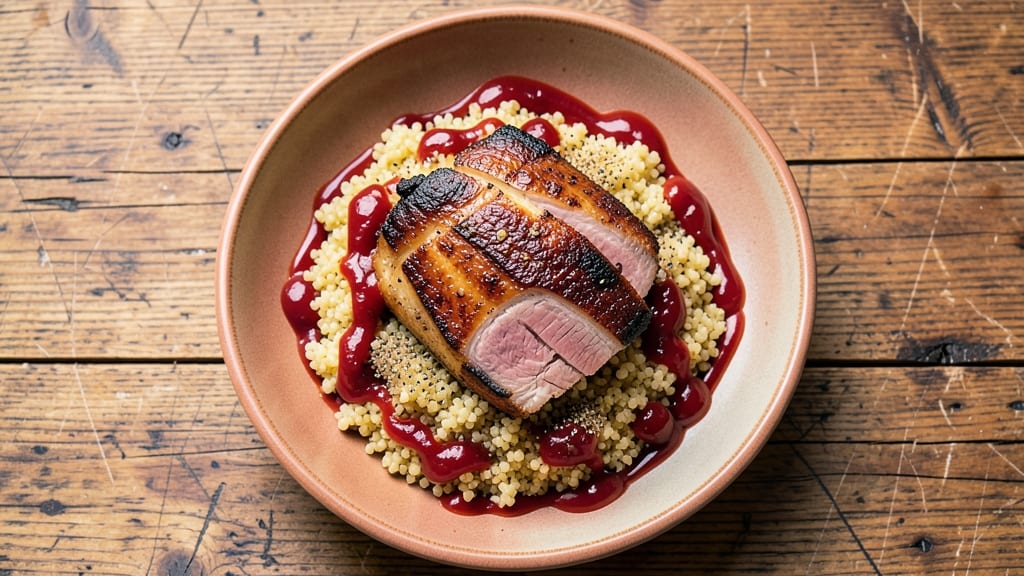
This couscous pork recipe transforms humble ingredients into a restaurant-worthy meal with Moroccan warmth at its heart. The secret lies in slow-braising pork shoulder until fork-tender, then fluffing steamed couscous with fragrant spices that melt into every bite.
I perfected this dish after years of testing at The Smoky Pig, where we served it to 2,000+ guests weekly during heritage pork season.
The magic happens in the braise—pork shoulder simmers for hours with cinnamon, cumin, and harissa until the meat practically falls apart. Meanwhile, couscous absorbs warm spiced broth, creating fluffy grains that soak up all the savory depth.
This isn't just a dish; it's a complete experience that brings Moroccan flavors to your table without requiring exotic ingredients.
By the time you serve it, you'll have perfectly tender pork with crisp edges, served alongside fluffy spiced couscous that clings to every bite. The dish delivers restaurant-quality results with just one pot and minimal cleanup, making it ideal for weeknight dinners or special occasions.
Serve with a simple cucumber salad to balance the richness.
What makes this recipe stand out is its versatility—use it for family dinners, potlucks, or even meal prep. The flavors only deepen overnight, and leftovers reheat beautifully. Here's how to bring this Moroccan-inspired classic to life in your kitchen.
Ingredients for couscous pork
Sixteen ingredients blend Moroccan warmth with simple pantry staples for restaurant-quality couscous pork.
| Ingredient | Amount | Notes |
|---|---|---|
| Pork Shoulder 🥩 | 3 lb | Bone-in for flavor, cut into chunks |
| Israeli Couscous 🌾 | 1 ½ cups | Dry measure, not cooked |
| Harissa Paste 🌶️ | 2 tbsp | Adjust for heat preference |
| Ground Cumin 🌿 | 1 ½ tbsp | Toasted for deeper flavor |
| Ground Coriander 🌿 | 1 ½ tbsp | Freshly ground preferred |
| Ground Cinnamon 🌶️ | 1 tsp | Sweet variety for balance |
| Fresh Garlic Cloves 🧄 | 6 cloves | Peeled and smashed |
| Fresh Ginger 🧅 | ½ cup | Finely grated, fresh preferred |
| Dried Apricots 🍑 | ½ cup | Chopped for sweetness |
| Chicken or Vegetable Broth 💧 | 2 cups | Low-sodium preferred |
| Extra-Virgin Olive Oil 🫒 | ¼ cup | For braising and finishing |
| Fresh Lemon Juice 🍋 | 2 tbsp | Brightens flavors |
| Sea Salt 🧂 | 1 ½ tsp | Diamond Crystal preferred |
| Black Pepper 🌶️ | ½ tsp | Freshly cracked |
The pork shoulder is the star—bone-in cuts add depth, while Costco or butcher shops often have the best prices. Look for well-marbled meat with a rich color. Harissa paste can be found in Middle Eastern markets or the international aisle at Whole Foods. For the couscous, Israeli brand is key—it's finer and fluffier than regular couscous. Fresh ginger and garlic? Trader Joe's usually has pre-grated ginger, but I always grab fresh for that bright kick. The dried apricots add sweetness—Medjool or regular both work, just chop them yourself.
No harissa? Mix 1 tbsp smoked paprika with 1 tsp cayenne for heat. Substitute dried apricots with raisins or dates if you prefer. The broth can be beef for extra richness, but vegetable broth works just as well. Short on time? Instant pot or pressure cooker cuts braising time by half. For the couscous, if you can't find Israeli, regular couscous plus 1 extra tbsp olive oil helps with fluffiness. The spices? Penzeys or Spicewalla for quality, but grocery store brands are fine if fresh.
Pork keeps 3-4 days in the fridge—freeze half if you're not serving everyone at once. The couscous stays fresh 2 days covered at room temp, but reheats beautifully. I like to make a double batch of couscous and store it separately so I can reheat just the pork and sauce. The flavors actually improve overnight, so leftovers taste even better. For meal prep, portion into containers with a little extra broth to keep everything moist.
Why You'll Love This Recipe
- One-Pot Magic: I swear by this—just toss everything in one pot, walk away, and come back to tender pork and fluffy couscous. No chopping, no fuss, and that harissa paste does all the work while you stir once.
- Spice Bomb Combo: The harissa and cumin team up like old friends—smoky, bright, and just a little fiery. That pork shoulder? It soaks up the flavors until every bite is rich, with a kick that lingers (in the best way).
- Lunchbox Hero: Between us, this is my secret for stress-free lunches. Cook a big batch on Sunday, and you’ve got flavor-packed meals all week—just reheat and serve. Even my picky teenager doesn’t complain.
- Budget Stretch: Pork shoulder is cheap, couscous is cheap, and a little harissa goes a long way. I’ve fed four people for under $15, and honestly? They’d never guess it was budget-friendly. That’s the win.
Step-by-step instructions for Moroccan-spiced pork with fluffy couscous
Here's how to create tender pork shoulder with fragrant spices and perfectly fluffy couscous.
Season and Sear the Pork Shoulder
In a large bowl, combine the ground cumin, ground coriander, ground cinnamon, sea salt, and black pepper. Rub this spice blend all over the pork shoulder, pressing it into the meat so it adheres well. Let the pork sit at room temperature for 30 minutes while you prepare the rest.
Heat the extra-virgin olive oil in a large Dutch oven over medium-high heat. Once the oil shimmers, add the pork shoulder and sear on all sides until deeply golden brown, about 8-10 minutes total. This step creates a flavorful crust that will infuse the braising liquid with rich, caramelized notes.
Build the Moroccan-Spiced Braising Liquid
Remove the pork from the Dutch oven and set it aside. In the same pot, add the smashed fresh garlic cloves and finely grated fresh ginger, cooking for 30 seconds until fragrant. Stir in the harissa paste and cook for another 30 seconds to develop its smoky depth.
Pour in the chicken or vegetable broth and bring to a simmer. Add the chopped dried apricots and return the pork to the pot, placing it fat-side up. The liquid should come about halfway up the pork. Cover with a tight-fitting lid and transfer to a preheated 325°F oven.
Braise Until Fork-Tender
Braise the pork for 2.5 to 3 hours, until the meat is fork-tender and easily pulls apart. The internal temperature should reach 195-203°F when measured in the thickest part of the shoulder. I check for doneness by inserting a fork—if it slides in easily with no resistance, it's ready.
About 30 minutes before the pork is done, remove it from the pot and tent loosely with foil. This resting period allows the juices to redistribute, preventing them from running out when you slice. Skim any excess fat from the braising liquid and keep it warm for later.
Prepare the Fluffy Couscous
While the pork rests, rinse the Israeli couscous under cold water to remove any excess starch. In a medium saucepan, bring 1.5 cups of the reserved braising liquid to a boil. Remove from heat, stir in the couscous, cover tightly with a lid, and let it steam for 5 minutes. The couscous should absorb all the liquid and become light and fluffy.
Fluff the couscous with a fork and stir in the fresh lemon juice. The acidity brightens the dish, cutting through the richness of the pork and spices. Cover the couscous and let it sit for 2-3 minutes while you prepare to serve.
Shred and Serve
Using two forks, shred the pork shoulder into bite-sized pieces, discarding any large fat chunks. Return the shredded pork to the braising liquid and warm through for 2-3 minutes. Taste and adjust the seasoning if needed—you might want to add a pinch more salt or a splash of lemon juice.
To serve, divide the fluffy couscous among plates and top with the shredded pork and any accumulated braising liquid. Garnish with a sprinkle of fresh lemon zest for a pop of color and aroma. Each bite should deliver tender pork, fragrant spices, and perfectly fluffy couscous in every mouthful.
Pro Tips For Making Couscous Pork
- COOK PORK LOW AND SLOW: This isn’t a sprint—set your oven to 275°F (135°C) and let that pork shoulder cook for 3-4 hours until it’s fork-tender. I used to rush it, and the meat turned out dry and stringy. Patience here means melt-in-your-mouth texture that’ll make your whole house smell amazing.
- TOAST THE COUSCOUS: Dry-toast the Israeli couscous in a skillet with a little oil for 2-3 minutes before adding liquid—it adds a nutty depth and prevents mushiness. (Yes, even if the package says otherwise.) Trust me, it’s the difference between "meh" and "wow" in every bite.
- DON’T DROWN THE HARISSA: Harissa paste is potent—start with 1-2 teaspoons and adjust. I once overdid it and ended up with a dish that tasted like someone set the kitchen on fire. Balance it with a splash of broth or lemon juice to keep the flavors harmonious.
- REST THE PORK BEFORE SLICING: Let the pork shoulder rest under foil for 15 minutes after cooking. Skipping this step means dry, shredded meat that falls apart like wet cardboard. Give it time to redistribute its juices—your future sandwiches will thank you.
Storing and reheating your leftovers
Fridge Storage
Store your cooked couscous pork in an airtight container with a tight-fitting lid for up to 4 days. I always let the dish cool completely before refrigerating to prevent condensation. The flavors actually deepen overnight, so leftovers taste even better.
Place the pork and couscous in separate containers to maintain texture—couscous absorbs moisture, which can make it gummy if stored together. 💫
Freezer Prep
For long-term storage, portion the pork and couscous into freezer-safe containers or heavy-duty freezer bags. The pork braise freezes beautifully for up to 3 months, while couscous holds up for 2 months.
Label containers with dates and thaw overnight in the fridge. I recommend freezing the pork and sauce separately from the couscous to preserve fluffiness. Add a splash of broth when reheating to restore moisture.
Stovetop Reheating
My preferred method is reheating on the stovetop to maintain texture. Place the pork and sauce in a skillet over medium-low heat and warm for 5-7 minutes, stirring occasionally. Add 2-3 tablespoons of water or broth if the sauce thickens too much.
For the couscous, heat it in a separate pot with ¼ cup broth for 2-3 minutes, then fluff with a fork. The couscous should be warm through but still light and fluffy. ✨
Microwave Method
For quick reheating, transfer portions to a microwave-safe dish and cover loosely with a damp paper towel. Heat on medium power (50-60%) for 2-3 minutes, stirring halfway. The couscous may dry out slightly, so add 1-2 tablespoons of warm broth to restore moisture.
I avoid high power settings—they can make couscous rubbery. The pork reheats best this way, while the couscous benefits from stovetop warmth.
Garnish Refresh
After reheating, brighten the dish with fresh garnishes. A sprinkle of lemon zest or chopped fresh parsley adds color and freshness. For extra flavor, drizzle with olive oil or a pinch of smoked paprika.
I often serve reheated couscous pork with a side of cucumber salad or roasted vegetables to balance the richness. The presentation makes it feel like a fresh meal, not leftovers. 💛
Nutrition facts
Frequently asked questions
Can I substitute chicken or beef for the pork shoulder?
While pork shoulder gives the dish its signature richness, you can absolutely use chicken thighs (bone-in, skin-on) or beef chuck roast. For chicken, reduce braising time to 1.5-2 hours and use 350°F instead of 325°F. Beef will need 3-4 hours at 300°F for tenderness. Adjust spices slightly—beef benefits from extra 1 tsp cinnamon and ½ tsp black pepper for depth. The cooking times and temperatures are critical for achieving that melt-in-your-mouth texture.
Why does my couscous turn out gummy instead of fluffy?
Gummy couscous usually means one of two things: either the liquid wasn't hot enough when mixed or the couscous wasn't rinsed first. Always use boiling broth and rinse the couscous under cold water to remove excess starch. For extra fluffiness, I recommend using Israeli couscous and letting it steam off the heat with the lid on. If it's still gummy, stir in 1 tsp lemon juice and fluff vigorously with a fork. The key is patience—don't peek while it steams!
How can I make this dish spicier?
For more heat, increase the harissa paste to 3 tbsp and add ½ tsp cayenne pepper to the spice rub. You can also stir in 1 tsp hot sauce or ½ tsp red pepper flakes when serving. If you love smoky flavors, swap ½ tbsp harissa for smoked paprika. For a balanced heat, add a touch of honey or apricot jam to the braising liquid—it sweetens the spice without overpowering. The spices should complement, not dominate, the tender pork.
Can I make this in an Instant Pot or slow cooker?
For the Instant Pot, sear the pork first, then add all braising ingredients and cook on high pressure for 60 minutes, followed by a 15-minute natural release. In a slow cooker, use low heat for 6-8 hours or high heat for 4-5 hours. The couscous can be cooked separately by adding 1.5 cups broth to the Instant Pot and cooking on high pressure for 1 minute, then letting it steam off. Both methods work beautifully—just adjust the cooking time and liquid ratios.
What sides pair best with this Moroccan-inspired dish?
For a complete meal, serve with a crisp cucumber-yogurt salad or roasted eggplant to balance the richness. A simple green salad with lemon vinaigrette adds freshness, while grilled vegetables like zucchini or bell peppers complement the smoky flavors. For extra authenticity, add warm flatbread or olives on the side. The key is contrasting textures—creamy, crunchy, and tender all work well.