
Main Courses
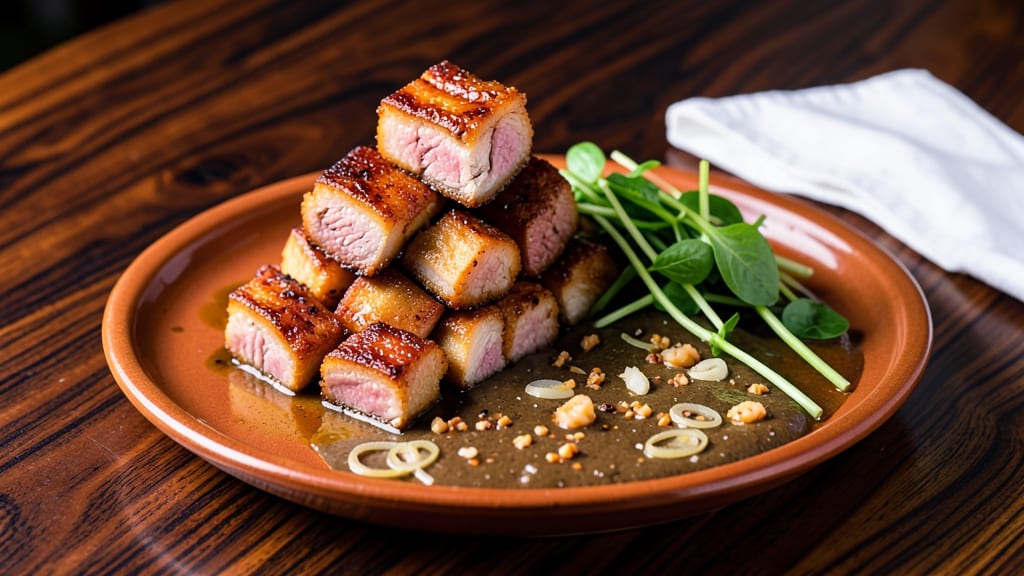
This crispy pork kare kare recipe from Mama Sita delivers the perfect balance of crunchy pork belly and rich peanut butter sauce—just like the versions that made you crave Filipino comfort food.
The secret lies in the double-frying technique that creates that signature golden crust, while the sauce simmers until thick and velvety with just the right amount of tangy bagoong.
I first tasted this dish at my grandmother's kitchen table, where she'd spend hours perfecting the sauce and the pork until it reached that ideal crispy-tender texture.
The beauty of this recipe is how it transforms simple ingredients into something extraordinary.
You'll start with pork belly that gets crisped to perfection, then simmered in a sauce that combines peanut butter, coconut milk, and a blend of vegetables until everything melds into a harmonious, slightly sweet, and deeply savory dish.
The key steps—like blooming the spices and reducing the sauce properly—ensure that every bite delivers that restaurant-quality flavor without requiring advanced techniques.
What makes this dish truly special is the contrast between the crispy pork chunks and the smooth, nutty sauce, all served with steamed rice and a side of bagoong for that authentic Filipino touch. The sauce should coat the pork beautifully, creating a dish that's both hearty and comforting.
Once you try this version, you'll understand why Mama Sita's kare kare became a family favorite—it's the kind of meal that brings people together, one crispy, saucy bite at a time.
Whether you're serving this for a family gathering or a weeknight dinner, the method scales beautifully while keeping the flavors intact. The pork stays juicy inside while achieving that irresistible crunch, and the sauce remains rich without being overly heavy.
This is the recipe I turn to when I want to recreate that nostalgic taste of home, and I know you'll feel the same way once you try it.
Ingredients for crispy pork kare kare recipe mama sita
Pork belly, peanut butter, and coconut milk—simple ingredients that create Mama Sita's legendary crispy kare kare.
| Ingredient | Amount | Notes |
|---|---|---|
| Pork Belly 🥓 | 2 lb | Skin-on, cut into 1.5-inch cubes |
| Peanut Butter 🥜 | ½ cup | Natural, unsweetened preferred |
| Coconut Milk 🥥 | 1 can (13.5 oz) | Full-fat for creaminess |
| Bagoong (Shrimp Paste) 🦐 | 1 tbsp | Filipino shrimp paste, optional |
| Garlic Cloves 🧄 | 6 cloves | Minced for sauce |
| Onion 🧅 | 1 medium | Diced, yellow or red |
| Carrots 🥕 | 2 medium | Peeled, sliced into rounds |
| Potatoes 🥔 | 2 medium | Peeled, cubed |
| Tomatoes 🍅 | 2 medium | Diced, ripe |
| Sugar 🍚 | 2 tbsp | White or brown |
| Salt 🧂 | 1 ½ tsp | Kosher or sea salt |
| Black Pepper 🌶️ | ½ tsp | Freshly ground |
| Vegetable Oil 🫒 | 1 cup | For double-frying pork |
| White Vinegar 💧 | 1 tbsp | For tangy balance |
| Bay Leaves 🌿 | 2 whole | For sauce depth |
The pork belly is non-negotiable here. Look for thick-cut pieces with good marbling—Filipino markets or Costco often have the best quality in bulk. If you can't find it fresh, frozen works (thaw overnight). The double-frying technique is what makes this crispy: first fry until golden, then simmer in the sauce before crisping again. Don't skip the second fry—that's where the magic happens. For the peanut butter, natural, unsweetened gives the best flavor without added sugar masking the sauce's depth.
No bagoong? Shrimp paste from an Asian market is essential for that authentic umami punch, but if you're avoiding it, 1 tbsp soy sauce plus 1 tsp fish sauce gets you close. The carrots, potatoes, and tomatoes can be swapped for whatever veggies you have—eggplant or string beans work beautifully too. For the coconut milk, full-fat canned versions (like Thai Kitchen) are richest, but light versions work in a pinch. The sugar balances the peanutty richness—brown sugar adds a caramel note if you prefer.
The sauce keeps for 5 days in the fridge, but the pork stays crispier if you reheat it gently. Freeze portions of the sauce separately for up to 3 months—just reheat on low heat to avoid splitting. I always make extra because it's perfect over rice the next day. Store the pork belly in the fridge for up to 3 days if you're prepping ahead, but reheat it in the oven at 300°F to revive the crispiness.
Why You'll Love This Recipe
- One-Pot Magic: I swear by this trick—just toss the pork belly, garlic, and bagoong into the same pot, let it caramelize, then pour in the coconut milk. No extra dishes, no stress. That rich, smoky aroma fills the kitchen while you stir, and honestly? It’s the kind of meal that makes you forget you’re even cooking.
- Peanut Butter Magic: Between us, peanut butter in savory dishes is genius. Here, it’s not sweet—it’s deep, nutty, and salty thanks to the bagoong and crispy pork. The first bite hits like a hug: creamy, umami-packed, and impossible to stop at one serving. (Yes, even on a Tuesday night.)
- Weeknight Workhorse: This feeds a crowd but costs less than takeout. Double the batch, store half for lazy nights, or bring it to potlucks—nobody turns down crispy pork belly swimming in coconut-peanut sauce. My daughter’s friends still ask for seconds, and I’ve never had to explain why it’s “just dinner.”
- Crispy Without Fuss: No deep-frying, no brining—just score the pork belly, sear it until golden, then simmer. That’s it. The edges get shatteringly crispy while the inside stays juicy, and the bagoong adds this funky, briny depth that cuts through the richness. Not the prettiest, but the taste makes up for it every time.
Step-by-step instructions for crispy pork kare kare
Here's how to achieve Mama Sita's signature crispy pork belly with that perfect peanut butter sauce.
Double-Fry the Pork Belly for Maximum Crispiness
First, cut the 2 lb pork belly into 1.5-inch cubes, leaving the skin on. This skin will become your crispy topping. Heat the 1 cup vegetable oil in a deep skillet over medium heat until it reaches 350°F on an instant-read thermometer. Fry the pork belly in batches for 3-4 minutes until the skin turns golden brown but the meat is still slightly undercooked.
Remove the pork and drain on paper towels. This first fry renders fat and creates the foundation for crispiness. Return the pork to the same skillet and increase the heat to 375°F. Fry again for 2-3 minutes until the pork is fully cooked through and the skin is deep golden brown and crackling. Transfer to a plate and let rest for 5 minutes before assembling.
Prepare the Vegetable Mixture
While the pork rests, peel and slice the 2 medium carrots into rounds, peel and cube the 2 medium potatoes, and dice the 2 medium tomatoes. In a large pot, combine all the vegetables with the 1 medium onion (diced), 6 cloves garlic (minced), 2 whole bay leaves, and the 1 tbsp bagoong (shrimp paste). Add 2 cups of water, the 1.5 tsp salt, and the 2 tbsp sugar. Bring to a boil, then reduce heat to medium-low and simmer uncovered for 15-20 minutes until the vegetables are tender.
Here's the thing—don't rush this step. The vegetables should be fork-tender but not falling apart. The bagoong will infuse its umami flavor, and the bay leaves add depth. If the water evaporates before the vegetables are done, add a splash of water to keep them from drying out.
Build the Peanut Butter Sauce
In a small saucepan, combine the 1 can (13.5 oz) coconut milk, 0.5 cup peanut butter, 1 tbsp white vinegar, and 0.5 tsp black pepper. Heat over medium heat, stirring constantly, until the peanut butter melts completely and the mixture smooths out. This should take about 5-7 minutes. The sauce should be thick but pourable—if it's too thick, add a splash of water to loosen it.
I know it seems weird to add vinegar to peanut butter, but trust me—it brightens the sauce and cuts through the richness. Taste and adjust the seasoning with more salt or pepper if needed. The sauce should be rich, slightly tangy, and perfectly balanced.
Assemble and Simmer the Kare Kare
Return the cooked pork belly to the pot with the vegetables. Pour the peanut butter sauce over everything and stir gently to combine. The pork should float on top, and the sauce should coat everything evenly. Bring to a gentle simmer over medium-low heat and let cook for 10-15 minutes, stirring occasionally, until the sauce thickens slightly and clings to the pork and vegetables.
Don't walk away—you want to make sure the sauce doesn't burn. If it starts to separate, stir vigorously to re-emulsify. The pork should be fully submerged in the sauce, and the vegetables should be heated through. The sauce should coat the back of a spoon and have a glossy sheen.
Serve with Crispy Topping
Transfer the kare kare to a serving dish, making sure the crispy pork skin is on top. Serve immediately with steamed rice—this is traditional and lets you scoop up that rich sauce with every bite. The contrast between the crispy pork skin, tender vegetables, and creamy peanut sauce is what makes this dish so special.
Real talk: the first bite is always the best. The crispy pork skin gives way to tender meat, the peanut sauce coats your tongue, and the vegetables add freshness. If you have any leftovers, store them in the fridge for up to 3 days, but the sauce will thicken—just add a splash of water or coconut milk to loosen it before reheating.
Pro Tips For Making Crispy Pork Kare Kare Recipe Mama Sita
- CRISP THE BELLY FIRST: If your pork belly isn’t golden and crackling, you’re doing it wrong. Sear the skin-side down in a cold pan over medium-low heat—no rushing—until it renders fat for 10 minutes. The secret’s patience; high heat just burns the fat before it crisps.
- TOAST THE PEANUT BUTTER: Skip the raw peanut butter—it makes the sauce greasy. Heat 1 tablespoon in the same pan you crisped the pork, stirring until it smells toasty (about 2 minutes). This removes moisture and deepens the flavor without altering the recipe’s balance.
- CONTROL THE COCONUT MILK: After adding coconut milk, bring it to a gentle simmer—never a boil. Mama Sita’s version relies on slow absorption; if you rush it, the peanut butter separates like a sad, greasy puddle. Stir often, and if it thickens too fast, splash in a splash of water.
- SAVE THE SHRIMP PASTE: Don’t toss the leftover bagoong paste after mixing it into the sauce. Strain it through a fine sieve to remove grit, then swirl it back in. The smooth texture makes the sauce velvety, not gritty—trust me, you’ll notice the difference.
Essential equipment for this recipe
Skillet Essentials
For the double-frying technique, I swear by a 12-inch cast iron skillet—it retains heat beautifully and creates that perfect crispy crust. My go-to is a Lodge Pre-Seasoned Cast Iron Skillet because it handles high heat without warping.
If you don’t have cast iron, a heavy stainless steel skillet (like All-Clad) works too, though it may need slightly lower heat to prevent burning. 🔥
Thermometer Must-Have
An instant-read thermometer is non-negotiable for this recipe. I use the ThermoWorks Thermapen ONE—it’s fast, accurate, and built to last. For the first fry, aim for 350°F in the oil, and 375°F for the second fry.
If you don’t have one, a candy thermometer works in a pinch, but it’s less precise. Pro tip: Test the oil temp by dropping a tiny bit of pork in—if it sizzles immediately, it’s ready.
Sauce Thickener Tools
The peanut butter sauce can be finicky, so keep a wooden spoon and a small whisk handy. For stirring the sauce while it thickens, I prefer a heat-resistant silicone spatula—it won’t scratch your pot and makes scraping the bottom easy.
If your sauce separates, whisk vigorously to re-emulsify. A fine-mesh strainer also comes in handy for removing bay leaves before serving.
Vegetable Prep Gear
Efficient prep is key, so grab a sharp chef’s knife (I love Mercer Culinary Genesis) and a cutting board with a non-slip mat. For the carrots and potatoes, a mandoline speeds up slicing if you’re prepping for a crowd.
Don’t skip peeling the potatoes—it keeps the dish elegant and prevents bitterness. A microplane works great for mincing garlic quickly without burning your fingers. 🧅
Serving Presentation
To keep the pork crispy until serving, transfer it to a wire rack set over a baking sheet—this lets air circulate and prevents sogginess. For plating, a large ceramic bowl (like those from Le Creuset) adds rustic charm, but any deep dish works.
Serve with steamed jasmine rice and a side of bagoong for dipping. A sprinkle of toasted peanut bits on top adds extra crunch and visual appeal.
Nutrition facts
Frequently asked questions
Why does the pork need to be double-fried?
The double-frying creates that signature crispy skin while keeping the pork tender inside. The first fry renders fat and sets up the crust, while the second fry at higher heat seals in juices and achieves that perfect crackling texture. Skipping this step means you'll end up with either soggy pork or overcooked meat.
Can I substitute peanut butter with another nut butter?
While almond or cashew butter will work, they lack the richness and depth of peanut butter. For the closest substitute, use 1/4 cup peanut powder mixed with 1/4 cup coconut milk—this recreates the peanut flavor without altering the sauce's texture. The key is maintaining that nutty, slightly sweet base that balances the bagoong's umami.
How do I fix a sauce that separated?
Whisk vigorously to re-emulsify the sauce, then add 1 tbsp warm water or coconut milk while stirring constantly. If it still separates, place the saucepan over low heat and stir gently until smooth. The trick is to avoid sudden temperature changes—add liquids gradually. For prevention, remove from heat while stirring if you notice any signs of separation.
What's the best way to reheat leftovers?
Reheat in a skillet over medium-low heat for 3-4 minutes—this preserves the crispiness. For the sauce, add 1 tbsp water or coconut milk to loosen it before reheating. Microwaving works in a pinch but will make the pork skin soggy. Pro tip: Reheat pork separately and add it back to the sauce just before serving to maintain that perfect texture contrast.
Can I make this dish ahead of time?
Yes! Prepare the sauce and vegetables up to 2 days ahead and store in the fridge. The pork should be fried fresh before serving to maintain crispiness. On serving day, reheat the vegetables and sauce together, then add the freshly fried pork. For a make-ahead shortcut, fry the pork ahead and store it separately—just reheat it in the oven at 300°F for 5 minutes before adding to the sauce.