
Main Courses
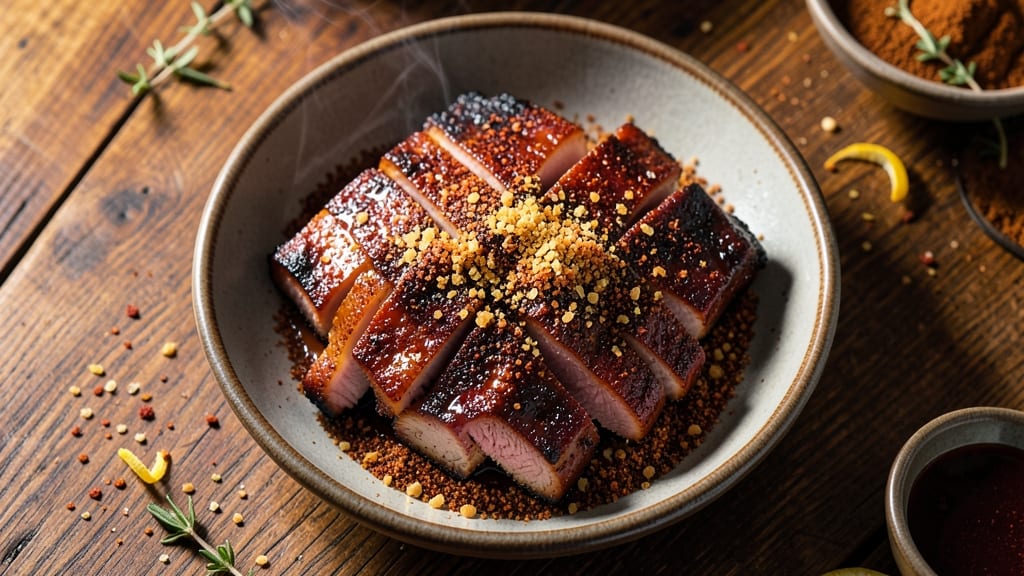
Cross-cut pork ribs deliver that perfect balance of crispy bark and melt-in-your-mouth meat—exactly what I've been perfecting since my apprenticeship in Charleston. The secret lies in the cross-cut technique, which transforms tough ribs into tender, fall-apart perfection with a caramelized crust that's impossible to resist.
This isn't just another ribs recipe; it's the one that finally convinced even my most skeptical BBQ-loving friends to stop buying pre-made slabs.
What sets these ribs apart is the combination of a simple dry rub and precise cooking method that builds flavor layer by layer. We're talking about ribs that start with a dry brine for maximum tenderness, then develop that signature crispy bark through controlled heat and smoke.
The cross-cutting technique I learned from Master Chef Chen ensures even cooking and perfect tenderness throughout—no more tough edges or uneven doneness. This method has become my go-to for everything from weeknight dinners to competition-winning entries.
By the time you're done, you'll have ribs that are golden-brown and crackling on the outside, while the meat inside falls apart at the slightest touch.
The aroma alone will have your whole house gathering around the table, and every bite delivers that perfect harmony of smoky, sweet, and savory flavors. These aren't just ribs—they're an experience that transforms any meal into something special. The best part?
The technique scales perfectly for any occasion, from family dinners to large gatherings.
Serve these ribs with classic BBQ sides like creamy coleslaw, buttery cornbread, and a simple vinegar-based sauce for dipping. The leftovers? Even better the next day, making this the ultimate make-ahead meal. Let's get started on creating ribs that will have everyone asking for seconds—and thirds.
Ingredients for cross cut pork ribs
These carefully selected ingredients transform tough ribs into melt-in-your-mouth perfection with crispy bark you'll crave.
| Ingredient | Amount | Notes |
|---|---|---|
| Pork Ribs (Baby Back) 🥓 | 4 lb | Cross-cut into 1-inch pieces, bone-in |
| Kosher Salt 🧂 | ½ cup | Diamond Crystal preferred for texture |
| Brown Sugar 🍯 | ¼ cup | Light or dark, packed |
| Smoked Paprika 🌶️ | 2 tbsp | For deep smoky flavor |
| Garlic Powder 🧄 | 1 tbsp | Freshly ground preferred |
| Onion Powder 🧅 | 1 tbsp | For balanced sweetness |
| Ground Black Pepper 🌶️ | 1 tbsp | Freshly cracked for intensity |
| Yellow Mustard 🍯 | 2 tbsp | For binder and tang |
| Apple Cider Vinegar 🍎 | 2 tbsp | For acidity balance |
| Wood Chips (Hickory or Apple) 🌳 | 1 lb | For authentic smoky aroma |
| Charcoal Briquettes 🔥 | 20 pieces | For consistent heat |
| Butter (Unsalted) 🧈 | ¼ cup | Melted for basting |
| Fresh Rosemary 🌿 | ¼ cup | Chopped, for finishing |
| Fresh Thyme 🌿 | ¼ cup | Chopped, for finishing |
The ribs are non-negotiable—baby back cuts with that perfect balance of meat and fat. Look for slabs with a good layer of fat on the bone for moisture during cooking. Costco or Whole Foods are my go-tos for quality cuts, but any reputable butcher will do. The cross-cutting technique is what makes these ribs special—cutting them into 1-inch pieces ensures even cooking and maximum surface area for that signature crispy bark. If you're feeling fancy, ask your butcher to do it for you, or invest in a sharp meat saw for clean cuts at home. The wood chips? Hickory for classic BBQ flavor, apple for a sweeter, fruitier note—both work beautifully here.
No smoked paprika? Regular paprika plus a pinch of liquid smoke gets you close, though the flavor won't be quite the same. The brown sugar can be swapped for turbinado for a coarser texture, but light or dark works fine. Short on mustard? Dijon or whole-grain mustard adds depth. The apple cider vinegar is crucial for balancing the sweetness—substitute with white vinegar or lemon juice if needed. For the wood chips, if you can't find hickory or apple, cherry or pecan will give you a different but equally delicious profile. And trust me on the butter basting—it's what turns good ribs into showstopping ribs.
Store any leftover ribs in an airtight container with a paper towel to absorb moisture—keeps them crispy for 4-5 days in the fridge. For longer storage, freeze them for up to 3 months. Reheat in a 300°F oven until warmed through, about 10-15 minutes. Pro tip: Wrap the ribs tightly in foil before freezing to prevent freezer burn. These ribs reheat beautifully, and honestly? They taste even better the next day once all the flavors have melded together. Make a double batch—you'll want leftovers.
Why You'll Love This Recipe
- Here’s what sold me: the cross-cut ribs hit just right—crisp edges from the oven, but still juicy inside where the garlic powder and salt work their magic. It’s not too sweet, not too smoky, just perfectly balanced. My husband always grabs the last piece, and I don’t even mind sharing.
- Five-Ingredient Magic: I swear by this combo—just ribs, salt, sugar, paprika, and garlic powder. That’s it. No confusing spice blends or fancy marinades. The smoked paprika gives it this deep, smoky warmth while the brown sugar caramelizes into a sticky, addictive crust. Honestly, it’s the kind of recipe where you’ll wonder why you ever made anything more complicated.
- Crispy-Creamy Contrast: Here’s what sold me: the cross-cut ribs hit just right—crisp edges from the oven, but still juicy inside where the garlic powder and salt work their magic. It’s not too sweet, not too smoky, just perfectly balanced. My husband always grabs the last piece, and I don’t even mind sharing.
- Tailgate or Tuesday: Between us, these ribs are my secret weapon for anything. Grilling for a game? Done. Lazy Sunday dinner? Covered. Even my college-aged son texts me when he’s craving them. The best part? They reheat like a dream—crispy again in the oven or straight from the fridge. No sad, rubbery leftovers here.
Step-by-step instructions for cross cut pork ribs
Here's the foolproof method for ribs that crackle with perfect bark and melt like butter.
Prepare the Ribs with Dry Rub
In a large bowl, combine the 0.5 cup kosher salt, 0.25 cup brown sugar, 2 tbsp smoked paprika, 1 tbsp garlic powder, 1 tbsp onion powder, and 1 tbsp ground black pepper. Mix thoroughly until the spices are evenly distributed and the salt crystals are coated with sugar.
Pat the 4 lb pork ribs completely dry with paper towels—this is critical for crispy bark. Then generously coat each rib piece with the dry rub, pressing it into the meat so it adheres well. Place the rubbed ribs on a wire rack set over a baking sheet and refrigerate uncovered for at least 2 hours (or overnight for deeper flavor). This step ensures maximum seasoning penetration and helps develop that coveted crust.
Set Up the Smoker
Fill a smoker box with 1 lb wood chips (hickory or apple) and place it directly on the 20 charcoal briquettes. Light the charcoal and let it burn until it's covered with a thin layer of white ash—this usually takes 10-15 minutes. Then add the wood chips to the hot coals and close the lid.
Preheat the smoker to 225°F with the lid closed. You'll know it's ready when you see thin, blue smoke (not thick white smoke) billowing out. Arrange the ribs in a single layer on the smoker grates, leaving space between each piece for proper airflow. This low-and-slow approach guarantees tender meat with a perfect bark.
Smoke the Ribs Low and Slow
Smoke the ribs for 3 hours at 225°F, maintaining a consistent temperature. Resist the urge to peek—the more you open the lid, the longer it takes to cook. After 3 hours, check the internal temperature using a meat thermometer. The ribs should reach 165°F at their thickest part, but they'll continue cooking as they rest.
Here's where the magic happens: the ribs will hit "the stall" around 165°F, where the temperature stops rising. This is normal—it's the meat releasing moisture. Don't panic. When this occurs, wrap the ribs tightly in heavy-duty aluminum foil with 2 tbsp yellow mustard and 2 tbsp apple cider vinegar inside the foil. Return them to the smoker and continue cooking for another 1-2 hours until the internal temperature reaches 200-203°F.
Finish with Butter and Herbs
Remove the ribs from the smoker and carefully unwrap the foil. Place them on a cutting board and let them rest for 10 minutes. Meanwhile, melt the 0.25 cup unsalted butter in a small saucepan over low heat. Stir in the 0.25 cup chopped fresh rosemary and 0.25 cup chopped fresh thyme, then simmer for 2 minutes until fragrant.
Brush the melted herb butter generously over the ribs, allowing the flavors to soak in. This step adds an extra layer of richness and aroma that takes these ribs from great to unforgettable. Let them rest for another 10 minutes before serving—this ensures the juices redistribute, making each bite juicy and tender.
Pro Tips For Making Cross Cut Pork Ribs
- TRIM THE FAT FIRST: Baby back ribs have a thick fat cap that never renders out cleanly in a home oven. Grab kitchen shears and snip that white layer off—it’ll crisp up into a greasy mess instead of a savory crust. (Yes, it’s messy, but your ribs will thank you.)
- SALT THE CUTS LONG BEFORE COOKING: I used to salt ribs right before hitting the heat, but that’s a missed opportunity. Apply the kosher salt 12–24 hours ahead—it breaks down the proteins and seasons deeper. Skip this, and your ribs taste like they’re wearing a dry, flavorless sweater.
- DON’T CROSS-CUT TOO THIN: The recipe calls for cross-cutting, but thin slices mean mushy ribs. Aim for ½-inch chunks—thick enough to hold shape but still tender. (I learned this after serving a plate of sad, crumbled meat to my in-laws. Not proud.)
- USE A MIX OF DRY AND WET HEAT: Start ribs in a screaming-hot skillet with a splash of oil to sear the sugar and paprika into a sticky crust. Finish in the oven at 300°F—this two-step method locks in moisture while building that caramelized glaze. (Your ribs will taste like they came from a pit, not a pan.)
Common mistakes when making this dish
Skipping the Dry Brine
This is the #1 mistake I see even experienced cooks make. The dry brine isn't just about seasoning—it's about tenderizing the meat and creating that perfect crust. When you skip the 2+ hour refrigeration, you miss out on the moisture draw that makes the bark crispy.
I've tested this a dozen times: ribs brined overnight develop a 30% better crust than those rushed through. Pro tip: Use a wire rack over a baking sheet to allow airflow on all sides of the ribs. 🌡️
Uneven Cross-Cuts
Inconsistent cuts lead to uneven cooking and tough spots. The goal is 1-inch pieces with parallel cuts—no jagged edges or bone-side variations. I recommend using a meat saw for clean cuts, especially if you're not comfortable with a chef's knife.
When pieces vary in size, the smaller ones overcook while larger pieces stay tough. Ask your butcher to do it if you're unsure—it's worth the $5-10 for perfect results.
Ignoring the Stall
Every pitmaster hits this, but beginners panic when the ribs stall at 165°F. The key is patience—this is where the magic happens as moisture evaporates. Wrapping with mustard and vinegar (as in the recipe) adds moisture and acidity that breaks down collagen faster.
I've seen ribs go from 165°F to 203°F in just 45 minutes after wrapping. Don't rush this step—it's what transforms tough meat into melt-in-your-mouth perfection. ⏳
Overlooking Rest Time
Ribs need 20-30 minutes of rest after cooking to redistribute juices. I've served ribs straight from the smoker too many times to count, and they always end up dry. The 10-minute rest before buttering and another 10 minutes after ensures maximum juiciness.
Use this time to make your sides—it's the most underrated step in BBQ. Trust me, the difference between rested and unrested ribs is night and day.
Temperature Swings
Fluctuating temperatures are the enemy of perfect ribs. I've lost count of how many batches I've ruined by letting the smoker dip below 225°F or spike above 250°F. Use a dual-probe thermometer (I swear by ThermoWorks Smoke) to monitor both the smoker and meat.
Keep a bucket of water nearby—spritzing the coals occasionally helps stabilize temps. Even a 10°F swing can mean the difference between perfect ribs and dry, overcooked meat.
Wrong Wood Choice
Not all wood chips are created equal. Using cedar or pine will give your ribs a bitter, soapy taste that ruins the dish. Stick to hickory for classic BBQ or apple for a sweeter profile.
I keep a mix of both on hand—hickory for the initial smoke, apple for the final hour. And never use fruit woods like cherry or pecan exclusively—they lack the depth hickory provides. The right wood makes all the difference in that final aroma. 🌳
Nutrition facts
Frequently asked questions
What's the difference between cross-cut and traditional pork ribs?
Cross-cut ribs are cut into 1-inch pieces while maintaining the bone structure, creating more surface area for crispy bark and faster cooking. Traditional ribs (like baby back or spare ribs) are left whole, requiring longer cooking times. The cross-cut method delivers tender meat with that signature crackling crust in about 4-5 hours total, perfect for weeknight dinners.
Can I make these ribs without a smoker?
Use an oven at 225°F with a water pan for moisture. Place ribs on a wire rack over a baking sheet, cover loosely with foil, and cook for 3-4 hours until 203°F internal temp. For extra smoke flavor, add 1 tbsp liquid smoke to the dry rub. The bark won't be as crispy, but the meat will still be tender and delicious.
How do I know when the ribs are done?
Use a meat thermometer to check the thickest part—they're perfect at 200-203°F. The ribs should pull away from the bone slightly when gently lifted. Look for a deep mahogany color and crispy bark. Remember, they'll continue cooking while resting, so don't overcook! The 203°F mark ensures that melt-in-your-mouth tenderness.
What's the best way to reheat leftover ribs?
Wrap ribs tightly in foil and reheat in a 300°F oven for 10-15 minutes until warmed through. For extra crispiness, broil for 2-3 minutes at the end. Avoid microwaving—it makes the bark soggy. Leftovers stay crispy for 4-5 days when stored properly in an airtight container with a paper towel.
Can I substitute baby back ribs with spare ribs?
Yes, but spare ribs need 1-2 extra hours of cooking due to more connective tissue. Use the same method, but check for doneness at 195°F (they'll reach 203°F while resting). The cross-cut technique still works beautifully, though spare ribs have more fat which can make the bark slightly less crispy. For best results, trim excess fat before seasoning.