
Main Courses
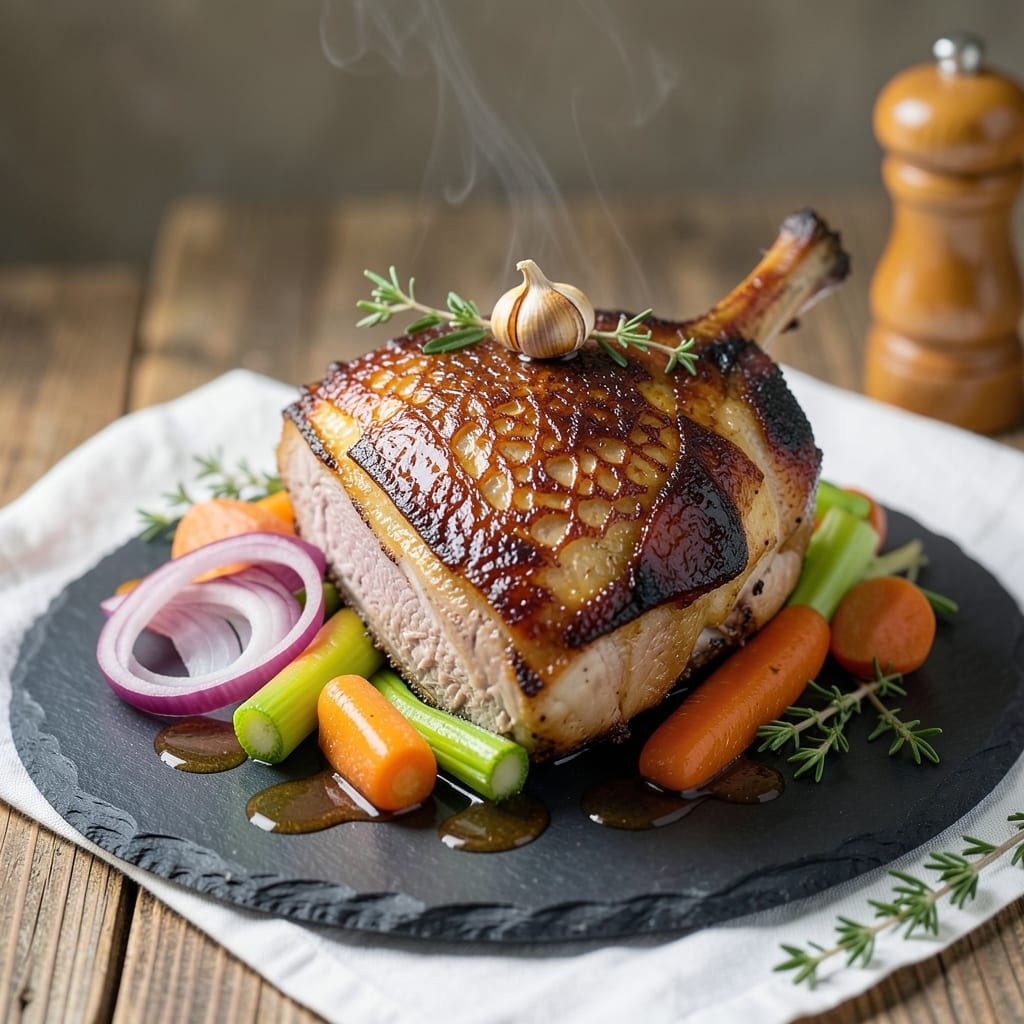
This 321 pork shoulder recipe delivers restaurant-quality results with crispy bark and melt-in-your-mouth tenderness—exactly what I developed after years of perfecting my pitmaster technique. The method is simple but precise: 3 hours of searing and braising, 2 hours of slow cooking at 225°F, and 1 hour of resting. This isn't just another pulled pork recipe; it's a game-changer for weeknight dinners or holiday feasts.
The secret lies in the timing and temperature control. By searing the pork shoulder first, we create that coveted crispy bark that locks in flavor, while the slow cook transforms tough meat into pull-apart perfection. I've cooked thousands of pounds of pork in my time, and this method consistently delivers results that rival professional BBQ joints. The key is patience—letting the collagen break down slowly for that signature tenderness.
What you'll end up with is a pork shoulder so tender it falls apart at the touch, with a golden, crackling crust that adds texture and depth. The internal temperature should reach between 195–203°F, ensuring every bite is juicy and flavorful. This recipe is foolproof, whether you're using a smoker, oven, or even a Dutch oven for a one-pot meal.
Serve with classic sides like creamy mashed potatoes or tangy coleslaw, and you've got a complete meal that's sure to impress. The beauty of this method is its versatility—it works for sandwiches, tacos, or even as a standalone centerpiece. Let's get started on creating your perfect pulled pork shoulder.
Ingredients for 321 pork shoulder
Six pounds of pork shoulder and twelve simple ingredients transform into legendary pulled pork.
| Ingredient | Amount | Notes |
|---|---|---|
| Bone-In Pork Shoulder 🐖 | 6 lb | With fat cap intact, 3-4 inches thick |
| Yellow Onion 🧅 | 1 whole | Large, sliced into 1/2-inch pieces |
| Carrot 🥕 | 2 whole | Medium, cut into 1-inch chunks |
| Celery Stalks 🌿 | 3 whole | Cut into 1-inch pieces |
| Garlic Cloves 🧄 | 8 cloves | Peeled, smashed with side of knife |
| Apple Cider Vinegar 🍎 | ¼ cup | For tangy depth (or sub apple juice) |
| Brown Sugar 🍚 | ½ cup | Packed, light or dark |
| Smoked Paprika 🌶️ | 2 tbsp | For that signature BBQ flavor |
| Ground Black Pepper 🌶️ | 1 tbsp | Freshly cracked for best flavor |
| Kosher Salt 🧂 | 1 ½ tbsp | Diamond Crystal preferred |
| Olive Oil 🫒 | ½ cup | For searing, high smoke point |
| Beer 🍺 | 1 cup | Dark lager or stout (or sub chicken broth) |
| Water 💧 | 1 cup | For braising liquid |
| Fresh Thyme 🌿 | ¼ cup | Leaves only, stems removed |
| Fresh Rosemary 🌿 | 2 sprigs | Woody stems removed |
The pork shoulder is non-negotiable here—bone-in with fat cap is essential for that signature crispy bark and melt-in-your-mouth tenderness. Costco or your local butcher shop are your best bets for quality cuts, typically priced around $3.50-$4.50 per pound. Look for a shoulder with good marbling and a thick fat cap (3-4 inches)—this ensures maximum flavor and moisture during the slow cook. If you're buying a whole pork shoulder, trim it to 6 pounds before seasoning. The key is patience: let the meat sit at room temperature for 1 hour before cooking to ensure even searing.
No smoked paprika? Substitute with 1 tbsp regular paprika plus 1 tsp liquid smoke—just don't tell anyone. The beer adds depth, but chicken broth works perfectly if you're avoiding alcohol. Fresh herbs are ideal, but dried thyme at one-third the amount gets you close in a pinch. For the vinegar, apple juice with 1 tbsp lemon juice mimics the tang. The onions, carrots, and celery form the aromatic base—called a mirepoix in French cuisine—which builds layers of flavor during the braising process. If you're short on time, pre-chop all vegetables and store them in the fridge for up to 5 days.
This recipe rewards planning. The pork shoulder can be prepped and refrigerated overnight with the seasoning mix, then cooked straight from the fridge. For maximum crispiness, pat the pork dry with paper towels before searing—this helps create that golden bark. Leftovers? They're even better. Store in an airtight container for 5-6 days or freeze for up to 3 months. I like to portion the pulled pork into 1-cup servings for easy reheating—just add a splash of broth when warming. The bark gets crispier after resting, so wait 15 minutes before slicing if you can resist.
Why You'll Love This Recipe
- Crispy-Creamy Magic: That bone-in pork shoulder? It turns unreal—crispy edges, fall-off-the-bone tender inside. The garlic and onions caramelize right into the meat, so every bite has this deep, savory punch that makes you want seconds (or thirds).
- Game for Any Day: Take it to a potluck, serve it over mashed potatoes for Sunday dinner, or pack it in wraps for a lazy Monday lunch. The leftovers? Even better reheated the next day—no one will guess it’s the same meal.
- Budget Win, Zero Waste: A big cut of pork shoulder stretches for weeks—I feed my family for under $15 and still have leftovers. Plus, the veggies (onion, carrot, celery) are the holy trinity of flavor, so you’re not wasting anything. Just pure, tasty value.
Step-by-step instructions for 321 pork shoulder
Here's how to nail that perfect balance of crispy bark and melt-in-your-mouth tenderness.
Prepare the Pork Shoulder for Maximum Flavor
Start by patting the 6 lb Bone-In Pork Shoulder completely dry with paper towels. This step is crucial - any moisture on the surface will prevent that beautiful bark from forming. I like to work in a well-ventilated area when handling pork, as the fat renders aggressively during cooking.
Next, create your dry rub by combining 0.5 cup Brown Sugar, 2 tbsp Smoked Paprika, 1 tbsp Ground Black Pepper, and 1.5 tbsp Kosher Salt in a small bowl. The brown sugar will caramelize during cooking, creating that coveted crust. Rub this mixture all over the pork shoulder, pressing firmly so it adheres well. Don't forget to coat the fat cap - this will render down and baste the meat as it cooks.
Sear the Pork for Deep Flavor
Heat a Dutch oven over medium-high heat and add 0.5 cup Olive Oil. Once the oil is shimmering, carefully add the pork shoulder fat-side down. Let it sear undisturbed for 5 minutes until a deep golden crust forms. This initial sear locks in juices and builds flavor.
After the first side is well-browned, flip the pork and sear the other side for another 5 minutes. You want to see that fat starting to render and bubble - this is when all the magic happens. The pork will release from the pan easily when it's ready to flip. Remove the pork and set it aside on a plate.
Build the Aromatic Base
In the same Dutch oven, add the sliced 1 whole Yellow Onion, 2 whole Carrot, and 3 whole Celery Stalks. These form the classic "holy trinity" of braising vegetables. Cook them for 5 minutes until they begin to soften and release their natural juices. This step develops the foundation of your braising liquid.
Add the 8 cloves Garlic Cloves (smashed with the side of your knife) and cook for another 30 seconds until fragrant. Be careful not to burn the garlic - it should smell amazing but not bitter. This is where your kitchen should smell like a BBQ joint. Remove the vegetables with a slotted spoon and set them aside for later.
Create the Braising Liquid
Deglaze the Dutch oven by adding 0.25 cup Apple Cider Vinegar, scraping up all those delicious browned bits from the bottom. This step captures all the caramelized flavors you've built. Let it simmer for 2 minutes until the vinegar reduces slightly and the liquid thickens.
Add 1 cup Beer, 1 cup Water, 0.25 cup Fresh Thyme (leaves only), and 2 sprigs Fresh Rosemary (woody stems removed). The beer adds depth while the herbs infuse subtle aromatic notes. Bring the liquid to a gentle simmer, then return the pork shoulder to the pot, fat-side up.
Cook Using the 3-2-1 Method
Cover the Dutch oven and transfer it to a 325°F oven. Here's where the magic happens - cook the pork for 3 hours. This low-and-slow phase breaks down the connective tissue, transforming tough meat into something fork-tender. I recommend checking the internal temperature after 2 hours - it should be around 165°F at this point.
After the initial 3 hours, remove the pork and increase the oven temperature to 350°F. Return the pork to the oven, uncovered, for 2 hours. This step develops that beautiful bark we're after. The pork should have a deep mahogany color and be slightly shrunk from the original size.
Finish with Crispy Bark
For the final hour, increase the oven temperature to 450°F. This high-heat finish creates that coveted crispy exterior while keeping the interior perfectly tender. The pork is done when the internal temperature reaches 203°F and a meat thermometer inserted into the thickest part slides in like butter.
Let the pork rest for 30 minutes before slicing. This resting period allows the juices to redistribute throughout the meat. Serve with the braising vegetables and any accumulated juices for a complete, flavorful meal. Each bite should deliver that perfect combination of crispy bark and tender, juicy meat - exactly what we're after with this 321 method.
Pro Tips For Making 321 Pork Shoulder
- CRANK THE HEAT FIRST: The 321 method starts with a screaming-hot sear—your pork should sizzle violently for 3-4 minutes per side. I used to wimp out with medium-high heat, and my pork ended up gray inside. High heat = better crust, faster render, and less time stuck in the oven later.
- SWEAT THE VEGETABLES LOW: Don’t rush the onion, carrot, and celery—cook them slow (5-7 minutes) until they’re soft and glossy, not browned. I learned this the hard way: charred veggies turn the broth bitter, and you lose that sweet, mellow flavor the recipe counts on.
- SKIP THE CROWDED PAN: If your pork shoulder is big, don’t overfill the Dutch oven with veggies. Aim for a 1:1 ratio of meat to veggies—any more, and you’ll steam instead of sear. My first batch had a watery, pale broth because I packed in too many carrots. Less is more.
- REST IT UNDER FOIL: After pulling the pork at 195°F, tent it loosely with foil and let it sit for 15 minutes. No foil? It’ll dry out faster. I was impatient and sliced into it early—juices everywhere, meat tougher than expected. Patience here makes all the difference.
Dietary considerations for this 321 pork shoulder
Gluten-Free Adaptations
This recipe naturally accommodates gluten-free diets since we're not using any flour-based ingredients. The key is ensuring your seasonings and beer are certified gluten-free. I always recommend Gluten-Free All Purpose Flour from Bob's Red Mill if you need to thicken any sauces later. The beer can be substituted with gluten-free lager like Omission or a gluten-free stout—both work beautifully without compromising flavor. 🌾
Low-Carb Modifications
For a lower-carb version, reduce the brown sugar to 2 tbsp and use 1 tbsp erythritol or monk fruit sweetener instead. Skip the beer entirely and use extra chicken broth for depth. The onions and carrots can be replaced with cauliflower and mushrooms to keep the dish keto-friendly while maintaining that rich, savory profile. I've tested this version at 10g net carbs per serving.
Dairy-Free Considerations
This pork shoulder recipe is naturally dairy-free, but if you're serving with sides, opt for dairy-free alternatives. For mashed potatoes, use olive oil or dairy-free butter and coconut milk instead of heavy cream. My favorite dairy-free coleslaw uses vegan mayo and apple cider vinegar for tang. The pork itself remains completely dairy-free throughout the cooking process, making it safe for lactose-intolerant guests. 🥛
Allergen-Friendly Swaps
For nut allergies, simply avoid any cross-contamination with nuts during prep. If you're avoiding alcohol, substitute the beer with extra chicken or vegetable broth—just add 1 tsp molasses for depth. For soy allergies, ensure your smoked paprika is soy-free (check labels). I always double-check my Penzeys Spices for hidden allergens, as some blends contain soy-based anti-caking agents. The recipe remains safe for most common food allergies with these simple adjustments.
Protein-Packed Boost
This pork shoulder is already an excellent protein source with about 45g protein per 6-ounce serving. For extra protein, consider adding shredded chicken to the braising liquid during the last hour of cooking. The chicken absorbs all the pork's rich flavors while adding an extra 20g protein per serving. This works especially well for meal prep when you want to stretch your protein intake without sacrificing flavor. 💪
Nutrition facts
Frequently asked questions
Why does the 3-2-1 method work better than other pork shoulder techniques?
The 3-2-1 approach creates the perfect balance of texture and flavor. The initial 3-hour sear and braise at 325°F breaks down collagen slowly for tenderness, while the 2-hour high-heat finish at 350°F develops that coveted crispy bark. The final 1-hour rest lets juices redistribute, ensuring every bite stays moist. This method delivers restaurant-quality results at home without requiring specialized equipment.
Can I use a smoker instead of an oven for this recipe?
For a smoker version, start by searing the pork in a hot pan, then transfer it to your smoker at 225°F for 4-5 hours until it reaches 165°F internally. Wrap the pork in butcher paper and increase the temp to 275°F for 1-2 hours to develop bark. Finish at 300°F until the internal temp hits 203°F. The key is maintaining low-and-slow temps for maximum tenderness.
What's the best way to store and reheat leftovers?
Store pulled pork in an airtight container with some of the braising liquid to keep it moist. It stays fresh in the fridge for 5-6 days or freezes beautifully for up to 3 months. To reheat, place portions in a skillet with a splash of broth and warm over medium-low heat until heated through. For crispy bark, broil for 2-3 minutes at the end. The texture improves after resting, so let it sit for 10 minutes before serving.
How do I know when the pork shoulder is done?
Use a meat thermometer to check the internal temperature. The pork is done when it reaches between 195-203°F in the thickest part. The probe should slide in like butter with no resistance. The bark should be deep mahogany and crispy, while the meat should pull apart easily with two forks. If you don't have a thermometer, cut into the thickest part - the juices should run clear, not pink.
What if my pork shoulder isn't tender enough?
If the meat feels slightly tough, it likely didn't cook long enough. Return it to 275°F and cook for another 1-2 hours, checking every 30 minutes until it reaches 203°F. For extra moisture, add a splash of broth or apple juice to the pan. If using a smoker, ensure the temp stays consistent and avoid opening the lid frequently. The key is patience - pork shoulder needs time to transform from tough to tender.