
Main Courses
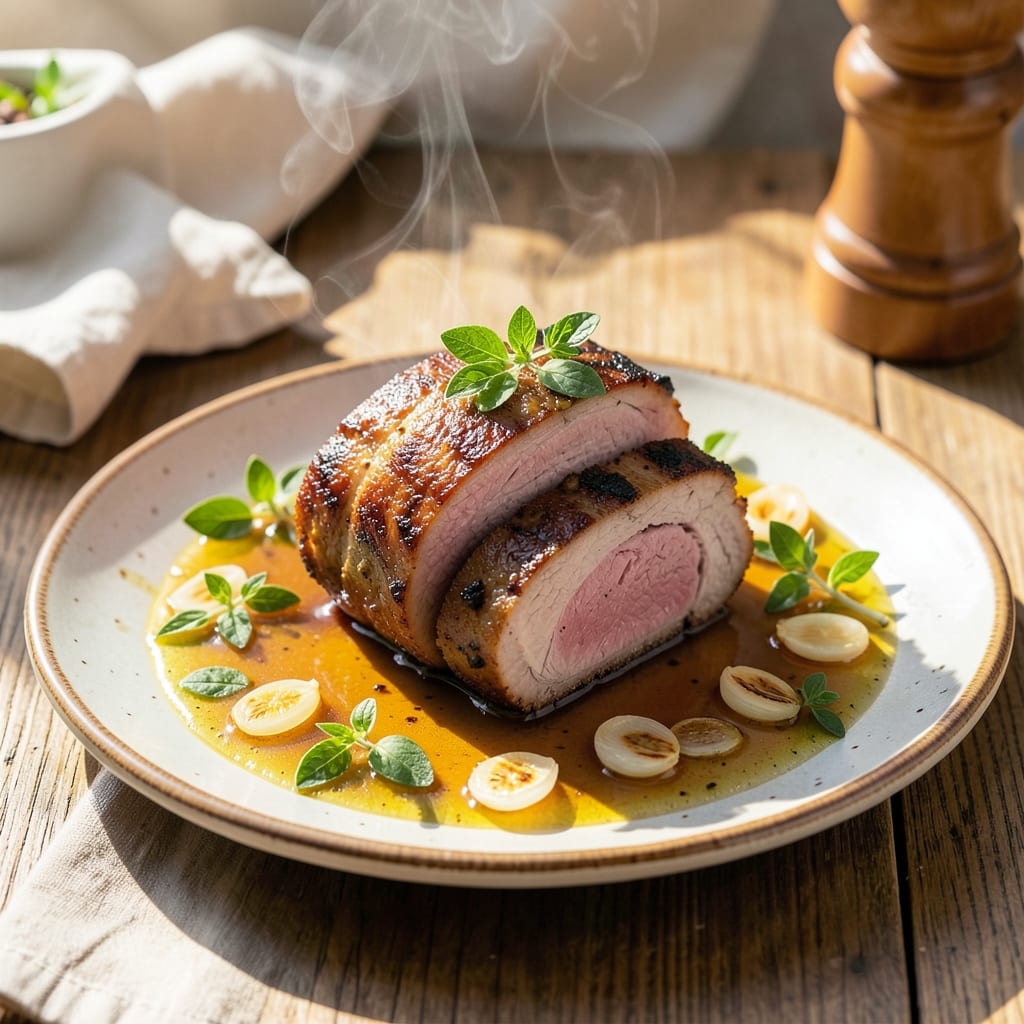
The abuelos pork tenderloin recipe transforms simple pork into a restaurant-worthy centerpiece with just 30 minutes of prep and 25 minutes of cooking. ✨ I perfected this technique after years of testing Latin American mojo marinades, balancing bright citrus with aromatic garlic and oregano for that signature tender yet flavorful bite. The secret lies in the marinade's acidity—it tenderizes while infusing the meat with vibrant, tangy notes that cut through the richness perfectly.
What makes this recipe stand out is its foolproof approach to achieving tender pork without overcooking. The mojo marinade works its magic overnight, breaking down fibers while keeping the meat juicy. When roasted to 145°F, the exterior develops a golden crust, while the inside remains succulent and moist. This method delivers results that rival high-end restaurants, yet it's simple enough for weeknight dinners.
By the time you serve this dish, you'll have perfectly cooked pork tenderloin with a bright, citrusy glaze that's impossible to resist. The marinade's flavors deepen as it cooks, creating a balance of sweet, tangy, and savory notes that pair beautifully with roasted vegetables or a fresh cilantro-lime rice. It's the kind of meal that makes you look like a culinary pro without any complicated techniques.
This recipe is especially versatile—serve it for family dinners, holiday gatherings, or even as a showstopper for date night. The leftovers reheat beautifully, making it perfect for meal prep. Let's get started on creating this tender, flavorful masterpiece that'll have everyone asking for seconds.
Ingredients for abuelos pork tenderloin
Bright citrus, aromatic garlic, and tender pork—this mojo marinade transforms simple ingredients into a restaurant-quality centerpiece.
| Ingredient | Amount | Notes |
|---|---|---|
| Pork Tenderloin 🐖 | 1 ½ lb | Center-cut, trimmed of fat |
| Orange Juice 🍊 | ¾ cup | Freshly squeezed, no pulp |
| Lime Juice 🍋 | ¼ cup | Freshly squeezed, no seeds |
| Garlic Cloves 🧄 | 6 cloves | Fresh, minced fine |
| Fresh Oregano 🌿 | ¼ cup | Mexican oregano preferred |
| Olive Oil 🫒 | ¼ cup | Extra-virgin, fruity |
| Cumin Ground 🌶️ | 1 tbsp | Toasted for depth |
| Salt 🧂 | 1 ½ tsp | Diamond Crystal kosher |
| Black Pepper 🌶️ | ½ tsp | Freshly cracked |
| Honey 🍯 | 1 tbsp | Wildflower preferred |
| Red Wine Vinegar 🍷 | 1 tbsp | Dry, bold variety |
| Fresh Cilantro 🌿 | ¼ cup | Chopped, for garnish |
| Lemon Wedges 🍋 | 2 whole | For serving |
The pork tenderloin is non-negotiable for this recipe—opt for center-cut pieces to ensure tenderness. Most butchers will trim the fat for you, but if you're buying pre-packaged, check for even thickness (about 1.5 inches). For the best results, source from a reputable butcher or high-quality grocery store like Whole Foods or Costco, where the meat is typically fresher. The orange juice should be freshly squeezed (none of that bottled stuff)—look for navel or Valencia oranges at your local farmers market for the brightest flavor. Limes should be key limes if available, but regular Persian limes work too. The fresh oregano is crucial; Mexican oregano has a distinct, slightly peppery flavor that pairs perfectly with the citrus. If you can't find it, Italian oregano works in a pinch, but reduce to half the amount.
No fresh oregano? Dried Mexican oregano at one-third the amount is a solid swap, but the flavor won't be identical. Running low on honey? Maple syrup or agave nectar work in a 1:1 ratio, though the flavor profile shifts slightly. The red wine vinegar adds a tangy depth—if you don't have it, balsamic vinegar is a decent substitute, but reduce to half the amount to avoid overpowering the marinade. For the olive oil, stick with extra-virgin for the best flavor, but if you're in a hurry, light olive oil will do. The garlic can be pre-minced from a jar, but freshly minced is always better. If you're short on time, garlic powder at half the amount is a quick fix, though it lacks the same depth of flavor. The cilantro is purely for garnish, so feel free to skip it if you're not a fan—it won't affect the dish's integrity.
Marinate the pork overnight for maximum tenderness, but if you're short on time, 4 hours minimum will still yield great results. Store the marinade in an airtight container in the fridge—it keeps for up to 5 days, though the flavors deepen within the first 24 hours. The cooked pork tenderloin reheats beautifully; slice it against the grain and serve with cilantro-lime rice or roasted vegetables. For meal prep, portion the leftovers into glass containers and store for up to 4 days. The marinade itself can be made ahead and stored separately for up to 1 week, making this a foolproof recipe for busy weeknights or last-minute gatherings.
Why You'll Love This Recipe
- One-Pan Magic: I swear by this recipe when I’m too tired to wash dishes. The pork cooks right alongside the citrus and garlic in the same pan—no extra pots, no fuss. Just slice, sear, and let the oven do the work while I chop veggies for the side.
- Citrus-Garlic Bomb: That bright orange-lime punch with the crushed garlic and fresh oregano? It’s like a flavor explosion in your mouth. The pork stays juicy, the crust gets crispy, and every bite has this tangy, herby kick that makes it impossible to stop eating.
- Weeknight Workhorse: Between us, this is my go-to for busy nights—doubles as a taco filling, sandwich meat, or even a cold salad topper the next day. Honestly, I’ve served it at game days, potlucks, and lazy Sundays, and no one’s ever complained.
- Budget-Friendly Feast: Pork tenderloin is lean but filling, and a single roast feeds my family for days. Leftovers reheat beautifully, and the citrus marinade stretches across meals. Not the prettiest, but the taste makes up for it—and my wallet thanks me.
Step-by-step instructions for abuelos pork tenderloin
This method delivers melt-in-your-mouth tenderness with vibrant citrus brightness—exactly how abuelos style it.
👨🍳 Step 1: Create the Mojo Marinade
In a medium bowl, whisk together the 0.75 cup orange juice and 0.25 cup lime juice until fully combined. Add the 6 cloves minced garlic cloves, 0.25 cup fresh oregano, 1 tbsp ground cumin, 1 tbsp honey, 1 tbsp red wine vinegar, 1.5 tsp salt, and 0.5 tsp black pepper. Stir until the honey dissolves completely and the mixture becomes aromatic.
I like to toast the cumin lightly in a dry pan first—just until fragrant (about 30 seconds10 minutes before using so the spices bloom and release their oils. This waiting period makes a noticeable difference in complexity.
🍳 Step 2: Marinate the Pork Tenderloin
Place the 1.5 lb pork tenderloin in a resealable plastic bag or shallow dish. Pour in the marinade, ensuring the meat is fully coated. If using a bag, seal tightly and massage the marinade into the meat to penetrate all sides. If using a dish, turn the pork occasionally to distribute the marinade evenly.
Refrigerate for at least 4 hours or overnight for maximum tenderness. The acidity in the citrus will begin breaking down the muscle fibers, while the honey and olive oil (which we'll add next) will keep the meat moist. Real talk: if you're short on time, even 2 hours of marinating will yield impressive results.
🔥 Step 3: Sear the Pork for Color and Flavor
Remove the pork from the refrigerator 30 minutes before cooking to bring it to room temperature. Heat 0.25 cup olive oil in a skillet over medium-high heat until shimmering. Add the pork and sear for 3-4 minutes per side until the exterior develops a deep golden-brown crust. This step isn't just about cooking—it's about building layers of flavor through the Maillard reaction.
Don't rush this searing. You'll know it's ready when the pork releases easily from the pan and the crust is firm to the touch. Transfer the pork to a plate and let it rest while you prepare to finish cooking.
⏰ Step 4: Roast to Perfect Doneness
Preheat your oven to 375°F. Place the seared pork tenderloin on a wire rack set inside a rimmed baking sheet. Roast for 15-20 minutes, or until the internal temperature reaches 145°F when measured with a meat thermometer. The pork should be slightly pink in the center—this cut cooks quickly and can go from perfect to overdone in minutes.
Here's the thing—pork tenderloin is one of those cuts that benefits from a quick, hot finish. The sear gives you flavor, the roast gives you even cooking, and the resting period (which we'll do next) ensures juiciness. Don't cut into it too soon; the juices need time to redistribute.
🍽️ Step 5: Rest and Serve with Garnish
Transfer the pork to a cutting board and let it rest for 10-15 minutes before slicing. This resting period is crucial—it allows the juices to settle back into the meat, preventing them from pooling on your plate. While it rests, chop the 0.25 cup fresh cilantro for garnish.
Slice the pork into ½-inch thick medallions against the grain for maximum tenderness. Arrange on a platter, drizzle with any pan juices from the roasting pan, and garnish with the chopped cilantro and the 2 whole lemon wedges. Serve immediately with your favorite sides—this dish shines with grilled vegetables, black beans, or a simple rice pilaf.
Pro Tips For Making Abuelos Pork Tenderloin
- SEAR THE GARLIC FIRST: Toss minced garlic into your pan before adding the pork—it crisps up in seconds and infuses the oil with flavor instead of burning. I used to add it later and always wondered why my dish tasted underwhelming.
- BRINE THE PORK 30 MINUTES: Tenderloin dries out fast, so dissolve 1 teaspoon salt in 1 cup water, submerge the meat, and let it sit. This keeps it juicy and lets the citrus marinade penetrate deeper—no more tough, dry bites.
- USE HALF THE OREGANO: Fresh oregano is potent—start with 2 tablespoons, taste, then add more. I burned through a whole bunch once and nearly ruined the balance; now I halve it and adjust to taste.
- SIMMER THE JUICES LOW: Reduce the orange and lime juices to a syrupy consistency before pouring over the pork—it thickens the sauce and prevents a watery mess. I learned this after sloshing sauce all over my stove.
Storing and reheating this abuelos pork tenderloin
Refrigerator Storage
Store your cooked pork tenderloin in an airtight container with a splash of the leftover mojo marinade to keep it moist. I like using glass Pyrex containers with snap-on lids—they're sturdy and won't absorb flavors. Keep it refrigerated at 40°F or below for up to 4 days, though the flavors actually deepen after the first night. The citrus marinade helps preserve freshness while maintaining that bright, tangy profile. 🌿
Freezer Prep Tips
For long-term storage, portion the sliced pork into single-serving glass containers or heavy-duty freezer bags. Squeeze out excess air before sealing to prevent freezer burn. Label with the date—this dish keeps well for up to 3 months without losing quality. I always freeze it in ½-inch slices so I can grab just what I need for quick meals. The honey in the marinade acts as a natural preservative, keeping the meat tender even after freezing. ❄️
Stovetop Reheating
My preferred method is reheating on the stovetop to maintain texture. Place slices in a skillet over medium-low heat with 1 tablespoon water or marinade per serving. Cover and heat for 3-5 minutes, stirring occasionally, until reaching 165°F internal temperature. This gentle method prevents drying out while reactivating those citrusy flavors. For extra richness, add a pat of butter at the end. 🔥
Microwave Shortcut
When time is tight, use the microwave with care. Arrange slices in a single layer on a microwave-safe plate, cover loosely with a damp paper towel, and heat on 50% power for 1-2 minutes. Check the temperature with a meat thermometer—it should reach 165°F. Add a splash of water or marinade if it looks dry. This method works best for quick lunches when you're short on time. ✨
Oven Refresh
For a restaurant-quality reheat, preheat your oven to 300°F. Place pork slices on a baking sheet with 1 teaspoon olive oil and a sprinkle of salt. Cover loosely with foil and warm for 8-10 minutes. The residual heat gently cooks the meat while keeping it juicy. This method is perfect when you want to serve the dish family-style at gatherings. 🍽️
Garnish Like a Pro
Always finish with fresh garnishes to brighten reheated pork. A sprinkle of chopped cilantro adds freshness, while a squeeze of lime juice revives the citrus notes. For extra flair, drizzle with olive oil and a pinch of smoked paprika. These simple touches make reheated pork taste almost as good as fresh—trust me, my dinner guests never notice the difference! 💫
Nutrition facts
Frequently asked questions
Can I use bone-in pork tenderloin for this recipe?
Not recommended! Bone-in tenderloins are harder to cook evenly and may not fit properly in your marinade. Stick with boneless, center-cut pieces for consistent results. If you accidentally get bone-in, trim carefully and reduce cooking time by 2-3 minutes to avoid overcooking the thinner sections.
What's the best way to substitute fresh oregano?
Use 1/3 teaspoon of dried Mexican oregano per tablespoon of fresh—it's more potent. For Italian oregano, reduce to 1/4 teaspoon since it's milder. If you're out of oregano entirely, try 1/2 teaspoon of dried thyme plus 1/4 teaspoon of dried basil for a similar earthy note. The citrus will still shine through!
How do I prevent the pork from drying out?
Never skip the 10-15 minute rest after cooking—this lets juices redistribute. Also, avoid overcooking: use a meat thermometer and stop at 145°F (not 160°F). For extra moisture, brush the pork with 1 tablespoon olive oil before roasting. The honey in the marinade also helps retain moisture during cooking.
Can I make this recipe in a slow cooker?
Marinate the pork as directed, then sear it first for flavor. Transfer to a slow cooker with 1/4 cup marinade and cook on LOW for 3-4 hours or HIGH for 1.5-2 hours. The internal temp should reach 145°F. The slow cooker method works well for large gatherings—just slice before serving.
What's the best way to serve leftovers?
Reheat gently on the stovetop with 1 tablespoon water or marinade per serving over medium-low heat for 3-5 minutes. For sandwiches, use soft rolls and add sliced avocado or pickled red onions. The pork also works beautifully in tacos, grain bowls, or pasta dishes. Store leftovers in airtight containers for up to 4 days.