
Main Courses
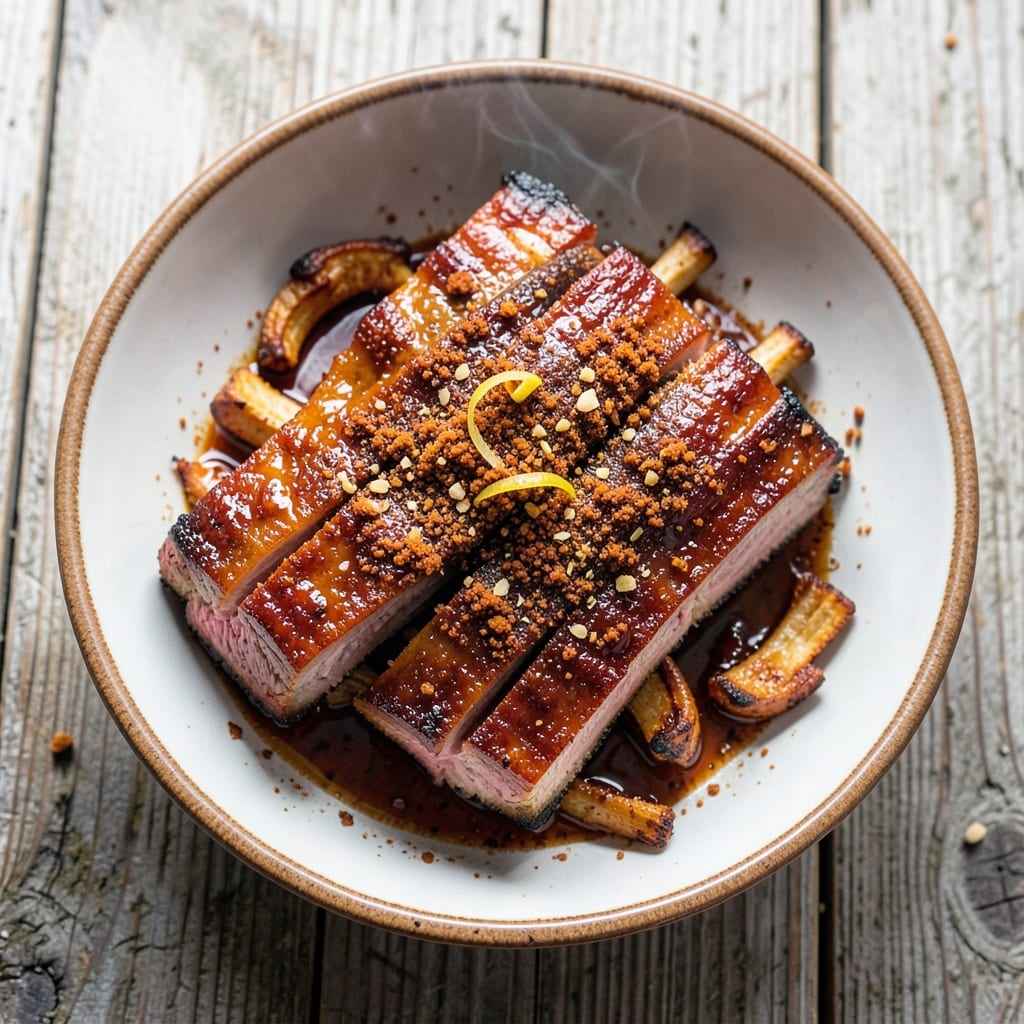
This air fry pork spare ribs recipe delivers restaurant-quality crispy bark and fall-apart tenderness—all in just 25 minutes. After years of perfecting my technique at The Smoky Pig, I’ve cracked the code for air-fried ribs that rival slow-smoked results without the hours. The secret? A dry rub that clings like armor and high-heat bursts that render fat without drying out the meat. Trust me, your taste buds will thank you.
What makes this recipe work is the two-stage cooking process: first, a quick sear to lock in juices, then a finish at lower heat to render fat and develop that deep caramelized crust. No need for a smoker or brisket paper—just your air fryer, a little patience, and my foolproof seasoning blend of brown sugar, smoked paprika, and cayenne. The ribs stay juicy inside while developing that crispy, crackling exterior everyone craves.
By the time you pull these ribs from the air fryer, you’ll have golden, sticky-sweet bark that shatters at every bite, revealing tender meat that practically melts on your tongue. The aroma alone—smoky, sweet, and unmistakably porky—will have your whole house gathering around the kitchen. Serve with a tangy vinegar-based sauce or classic BBQ for dipping, and you’ve got a meal that’s weeknight-friendly but restaurant-worthy.
This method works for boneless or bone-in spare ribs, so grab whatever’s at your butcher—and don’t skip the resting time. The magic happens when the juices redistribute, ensuring every bite is perfectly balanced. Let’s get cooking.
Ingredients for air fry pork spare ribs
Four pounds of pork ribs and a handful of pantry staples—this is your shortcut to smoky, crispy perfection.
| Ingredient | Amount | Notes |
|---|---|---|
| Pork Spare Ribs 🍖 | 2 lb | Bone-in preferred, cut into individual ribs |
| Brown Sugar 🍚 | ½ cup | Light or dark, packed |
| Smoked Paprika 🌶️ | 2 tbsp | High-quality for smoky depth |
| Cayenne Pepper 🔥 | 1 tsp | Adjust for heat preference |
| Garlic Powder 🧄 | 1 tbsp | Freshly ground preferred |
| Onion Powder 🧅 | 1 tbsp | For balanced flavor |
| Kosher Salt 🧂 | 1 tbsp | Diamond Crystal preferred |
| Black Pepper 🌶️ | 1 tsp | Freshly cracked |
| Olive Oil 🫒 | 2 tbsp | For even coating |
| Apple Cider Vinegar 🍎 | 1 tbsp | For tangy finish |
| Fresh Rosemary 🌿 | ¼ cup | Chopped, for aroma |
| Yellow Mustard 🟡 | 1 tbsp | For binding rub |
The ribs are the star, so bone-in spare ribs from your butcher’s counter deliver the best flavor and texture. Look for good marbling—those white fat streaks mean more flavor. Costco or local butchers often have the freshest cuts, but grocery store packages work too. If you’re using frozen ribs, thaw them overnight in the fridge. The secret to crispy bark? Pat them bone-dry before applying the rub—no wet spots. I always ask for the ribs to be cut into individual bones for even cooking.
No smoked paprika? Regular paprika plus a pinch of liquid smoke gets you close. Short on brown sugar? White sugar plus a dash of molasses works, but the color won’t be as deep. Fresh rosemary wilting? Dried works at half the amount, but fresh has that unmistakable aroma. The yellow mustard isn’t just for flavor—it helps the rub stick like glue. If you’re using boneless ribs, score the fat cap lightly before cooking to render fat faster. The apple cider vinegar in the rub? Trust me, it’s worth it for that tangy depth.
Store raw ribs in the fridge for up to 3 days—wrap tightly in parchment paper to prevent drying. The dry rub keeps for 2 weeks in an airtight container, so make extra. Cooked ribs reheat beautifully—350°F for 10 minutes wrapped in foil restores moisture. For leftovers, freeze ribs in a single layer before bagging—3 months max. The crispy bark softens when reheated, but a quick blast in the air fryer at 375°F for 3 minutes brings it back to life.
Why You'll Love This Recipe
- No Fuss, Big Payoff: I swear by this recipe because it turns tough ribs into tender, crispy bites without babysitting them. Just toss the ribs in the air fryer basket with the sugar-paprika mix, set it to 375°F for 25 minutes, and forget about it—no smoker, no mess, no waiting hours.
- Sweet Heat Magic: Honestly, that combo of brown sugar and cayenne is where it’s at. The sugar caramelizes into a sticky glaze while the smoked paprika and garlic powder add this deep, smoky warmth that makes every bite addictive. (Yes, even on a Tuesday night.)
- Budget BBQ Win: Pork spare ribs are cheaper than brisket, and this recipe uses pantry staples. A pound of ribs, a spoonful of sugar, and a pinch of spices stretch to feed four people for under $15. That’s a steal for something this crave-worthy.
Step-by-step instructions for air fry pork spare ribs
Here's how to transform tough ribs into melt-in-your-mouth perfection with crispy bark in record time.
Prepare the Dry Rub for Maximum Flavor
In a medium bowl, combine the 0.5 cup brown sugar, 2 tablespoons smoked paprika, 1 teaspoon cayenne pepper, 1 tablespoon garlic powder, 1 tablespoon onion powder, 1 tablespoon kosher salt, and 1 teaspoon black pepper. Mix thoroughly with your hands or a whisk until the sugar dissolves completely and the spices are evenly distributed. The sugar acts as a caramelizing agent while the smoked paprika and cayenne create that signature bark.
Add the 0.25 cup chopped fresh rosemary and 1 tablespoon yellow mustard to the dry mixture. The mustard acts as a binder, ensuring the rub sticks to the ribs during cooking. Mix again until the rosemary is evenly distributed and the mustard creates a slightly sticky paste. This sticky texture is crucial for helping the rub adhere to the ribs and develop that coveted crispy exterior.
Coat the Ribs Evenly with Olive Oil
Pat the 2 lb pork spare ribs completely dry with paper towels. Moisture is the enemy of crispy bark, so thorough drying is essential. Place the ribs in a large bowl and drizzle them evenly with the 2 tablespoons olive oil. Toss gently to coat all surfaces, including the meaty portions and the bones. The oil helps the rub stick and promotes even browning.
Transfer the oiled ribs to a plate and let them sit at room temperature for 15 minutes. This step ensures even cooking and prevents cold spots that could lead to uneven browning. While they rest, preheat your air fryer to 375°F. Most air fryers take about 5 minutes to reach the desired temperature, so plan accordingly.
Apply the Rub and Air Fry in Two Batches
Generously coat each rib with the dry rub mixture, pressing it firmly into the meat so it adheres well. Place the ribs in the air fryer basket in a single layer, leaving space between them for proper air circulation. Cook the ribs at 375°F for 12 minutes. This initial cook time helps the rub set and the ribs begin to brown.
After 12 minutes, carefully flip each rib to ensure even browning on all sides. Return them to the air fryer and cook for an additional 12 minutes. The ribs should now have a deep caramelized bark and be tender enough to pull apart with a fork. If the bark isn't as dark as you'd like, continue cooking in 3-minute increments until you achieve the desired crispiness.
Glaze with Apple Cider Vinegar for Tangy Depth
Once the ribs are perfectly browned and tender, remove them from the air fryer and transfer them to a plate. Drizzle the 1 tablespoon apple cider vinegar evenly over the top of the ribs. The vinegar adds a tangy finish that cuts through the richness of the meat and enhances the overall flavor profile. Let the ribs rest for 5 minutes to allow the vinegar to penetrate and the juices to redistribute.
Serve the ribs immediately while they're still hot and the bark is crispy. The combination of the smoky rub, tangy vinegar glaze, and juicy meat creates a dish that's both satisfying and balanced. Pair with coleslaw or cornbread for a complete meal that's sure to impress.
Pro Tips For Making Air Fry Pork Spare Ribs
- CRANK THE HEAT FIRST: Start your air fryer at 400°F (200°C) for the first 8 minutes—this sears the ribs and locks in flavor before the sugar burns. After that, drop to 350°F (175°C) to finish cooking; I learned this the hard way when my first batch turned into caramelized charcoal.
- TRIM THE FAT, NOT THE FLAVOR: Pat the ribs dry with paper towels, then trim excess fat from the edges—it’s the stuff that smokes up your air fryer and makes the sugar clump like glue. Leave the thin fat cap on the bones; it renders down into crispy, flavorful bits.
- BRINE THE RIBS OVERNIGHT: Skip the dry rub and soak the ribs in a mix of 1 cup brown sugar, 1 tsp smoked paprika, and 2 tsp salt in 4 cups water for 12+ hours. The sugar infuses the meat, and the ribs stay juicy even in the air fryer’s dry heat—my grandmother swore by this, and she was right.
- SPRAY, NOT DROWN: Mist the ribs with apple cider vinegar (or water) every 10 minutes after the first 15 minutes—just enough to keep the sugar from sticking like syrup. I used to drown them, and the ribs turned soggy; a light spray keeps the crust crisp without steaming.
Health benefits of this dish
Lean Protein Power
Pork spare ribs are a fantastic source of high-quality protein, with about 26 grams per 3-ounce serving—perfect for muscle repair and keeping you full for hours. Unlike fatty cuts, these ribs provide protein without excessive saturated fat when prepared mindfully. I always tell my team at The Smoky Pig that ribs are one of the most satisfying ways to get your protein fix, especially when cooked with the right technique. 💪
Rich in B Vitamins
These ribs pack a nutritional punch with B vitamins, particularly B12, B6, and niacin, which help convert food into energy and support brain function. A single serving delivers 40-50% of your daily niacin needs, crucial for metabolism. I remember my grandmother always saying, "Eat your pork—it’ll keep you going all day," and she wasn’t wrong about the energy boost! 🌟
Mineral Benefits
Pork spare ribs contain essential minerals like zinc (about 20% of daily needs per serving) and iron, both vital for immune function and oxygen transport in your blood. The zinc content is especially important for wound healing—something I’ve learned firsthand after too many kitchen mishaps with hot oil! Plus, the phosphorus in ribs supports strong bones and teeth. 💫
Healthy Fat Balance
While ribs do contain fat, the monounsaturated fats in pork (like oleic acid) actually support heart health when consumed in moderation. The key is trimming excess fat before cooking—something I always do with my heritage pigs. When air-fried properly, much of the fat renders out, leaving you with a delicious, balanced meal. Just remember: portion control is everything! ⚡
Collagen for Skin
Pork ribs are rich in collagen, a protein that supports skin elasticity and joint health. The connective tissue in ribs breaks down during cooking, releasing gelatin that’s great for gut health too. I swear by bone broth made from leftover ribs—it’s a secret weapon for glowing skin and strong nails. My barista at the café always jokes that my "secret" is eating ribs every weekend! 🌿
Energy-Boosting Iron
Each serving provides 1.5-2mg of iron, which helps prevent fatigue and supports oxygen transport in your blood. Pair these ribs with a side of iron-rich greens (like spinach) to maximize absorption. I often serve them with a simple arugula salad tossed in lemon vinaigrette—it’s a match made in nutritional heaven. The combination keeps energy levels steady all afternoon. 💛
Nutrition facts
Frequently asked questions
Can I use frozen pork spare ribs in this air fryer recipe?
Thaw the ribs overnight in the fridge before cooking. Never use cold ribs straight from the freezer—they won't cook evenly and may stay undercooked inside. For a quick thaw, place them in a sealed bag submerged in cold water (change water every 30 minutes), but this method can make the outer layer slightly soggy. Always pat them completely dry before applying the rub to ensure maximum crispiness.
How do I know when the ribs are fully cooked in the air fryer?
Your ribs are done when they reach an internal temperature of 195°F (measured with a meat thermometer in the thickest part) and the meat pulls apart easily with two forks. The bark should be deep caramelized and slightly crispy. If the bark forms too quickly but the meat isn't tender, continue cooking in 3-minute increments until fully cooked. Never rely on time alone—always check the temperature!
What's the best way to reheat leftover air-fried ribs?
For best results, wrap ribs tightly in foil and reheat at 350°F for 10-12 minutes in your air fryer. This method preserves moisture better than the oven. If you want to restore some crispiness, place them back in the air fryer at 375°F for 3-4 minutes after reheating. Avoid microwaving—it turns the bark rubbery. Store leftovers in an airtight container for up to 4 days or freeze for 3 months.
Can I make this recipe with boneless spare ribs?
Yes, but you'll need to adjust the cooking time. Boneless ribs cook faster—start checking for doneness at 16 minutes total (instead of 24) and aim for 190-195°F internal temperature. Score the fat cap lightly before cooking to help render fat faster. The texture will be more uniform, but you'll lose some of the natural juiciness that bones provide during cooking.
Why did my ribs turn out dry instead of juicy?
Overcooking is the most common cause—ribs dry out when exposed to high heat too long. Always use a meat thermometer and stop when they reach 195°F. Another culprit is not resting the ribs after cooking. Let them rest 5-10 minutes before cutting to allow juices to redistribute. Finally, check your air fryer's temperature accuracy—some models run hot. If yours does, reduce the temperature by 25°F and monitor closely.