
Main Courses
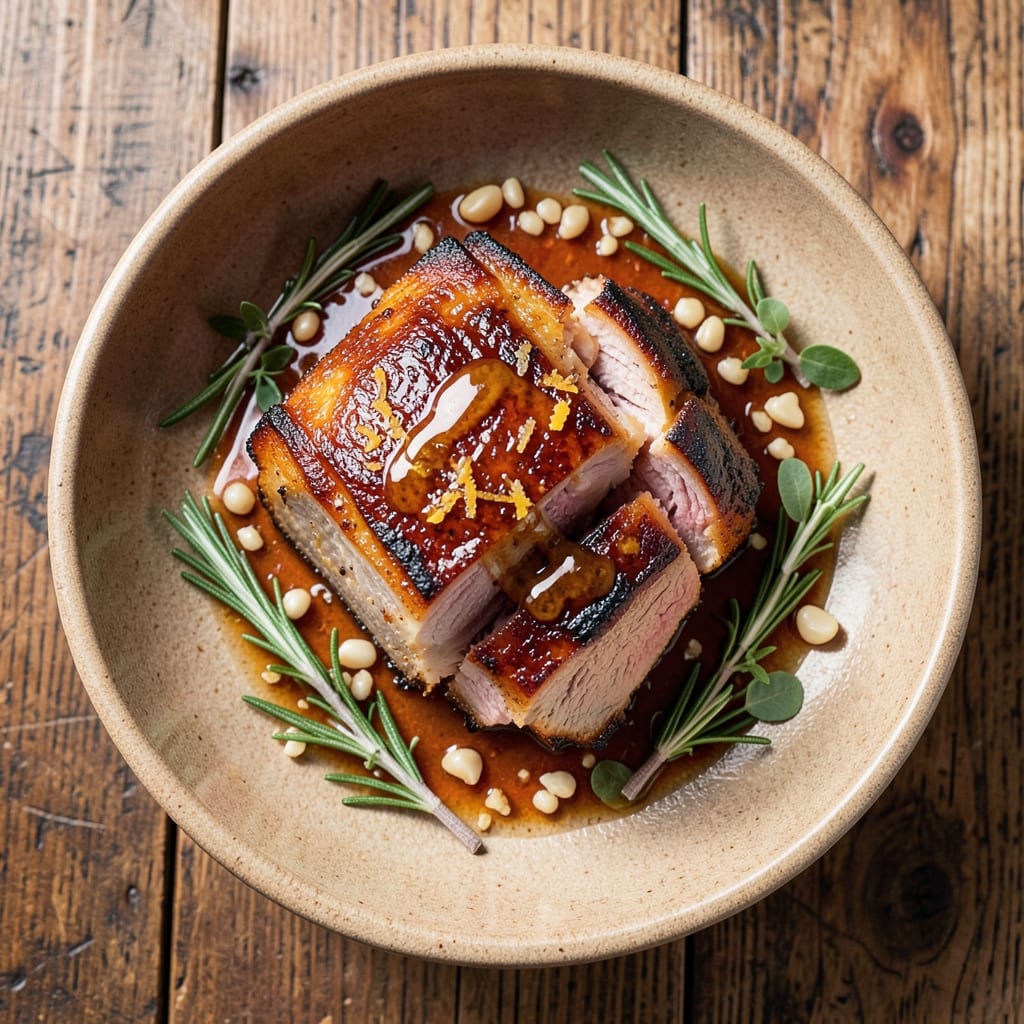
This alternative roast pork recipe transforms traditional techniques with a slow-braised citrus-zing glaze that delivers restaurant-quality moisture without the dryness. After years of perfecting pork at Atlanta's Smoky Pig, I developed this method—where the pork shoulder cooks low and slow until it practically melts in your mouth, then finishes with a bright, tangy glaze that cuts through the richness. The secret? A miso-honey marinade injected into the meat, ensuring every bite stays tender and packed with flavor.
The beauty of this approach lies in its foolproof moisture—no more guessing when to pull the pork from the oven. We start with a herb-infused marinade that tenderizes the meat while adding depth, then slow-braise it until the internal temperature reaches 195°F, where collagen breaks down into gelatin for that signature pull-apart tenderness. The citrus-zing glaze, made with orange juice, honey, and a touch of chili, adds a vibrant contrast that elevates the dish from ordinary to extraordinary.
What sets this apart from classic roast pork is the balance of textures and flavors—tender, juicy meat meets a glossy, slightly sticky glaze that’s bright yet savory. The miso adds umami depth, while the citrus keeps it from feeling heavy. It’s the kind of dish that feels restaurant-worthy but comes together with techniques you can master at home, whether you’re cooking for a holiday feast or a weeknight dinner that deserves a little extra attention.
Serve it with non-traditional sides like roasted root vegetables or a crisp arugula salad to highlight the pork’s bold flavors. The glaze also works beautifully as a dipping sauce or drizzle over rice bowls. Here’s how to make it—where slow cooking meets modern technique for pork that’s anything but ordinary.
Ingredients for alternative roast pork
The perfect blend of umami, citrus, and slow-cooked tenderness—no dryness in sight.
| Ingredient | Amount | Notes |
|---|---|---|
| Pork Shoulder (Bone-In) 🐖 | 4 lb | Well-marbled, 3-4 inch thick |
| White Miso Paste 🧈 | ½ cup | High-quality, no additives |
| Honey 🍯 | ¼ cup | Wildflower or clover preferred |
| Fresh Orange Juice 🍊 | 1 cup | Freshly squeezed, no pulp |
| Red Wine Vinegar 🍷 | ¼ cup | Dry, bold variety |
| Fresh Garlic Cloves 🧄 | 8 cloves | Minced, for marinade |
| Fresh Rosemary 🌿 | ¼ cup | Chopped, stems removed |
| Fresh Thyme 🌿 | ¼ cup | Leaves only, chopped |
| Fresh Ginger 🌿 | ½ oz | Peeled, grated finely |
| Red Chili Flakes 🌶️ | 1 tsp | Adjust for heat preference |
| Salt 🧂 | 2 tbsp | Diamond Crystal kosher |
| Black Peppercorns 🌶️ | 1 tsp | Freshly cracked |
| Olive Oil 🫒 | ¼ cup | Extra-virgin, fruity |
| Beef Stock 🥫 | 2 cups | Homemade or high-quality |
The pork shoulder is the star, and marbling is key—look for good fat distribution at Costco or Whole Foods. The bone-in cut stays juicier, but boneless works too (just add 15 minutes to cooking time). For the miso, White Diamond or Miso Master brands are my go-to—they’ve got that clean, fermented punch without overpowering. Fresh ginger is non-negotiable here; the dried stuff just doesn’t cut it. Trader Joe’s sells pre-peeled ginger in the freezer section, which is a lifesaver. The orange juice? Fresh-squeezed navel or Valencia makes all the difference—none of that pasteurized stuff from cartons.
No white miso? Substitute with 1/4 cup soy sauce plus 1 tbsp honey, but the umami won’t be quite the same. Running low on fresh rosemary? Dried works at 1/3 the amount, but toast it first in a dry pan for 30 seconds to wake up the flavor. The beef stock can be swapped for vegetable stock if you’re vegetarian, though the depth will shift slightly. For the citrus-zing glaze, if you can’t find red wine vinegar, apple cider vinegar with 1/2 tsp red pepper flakes mimics the tang. And trust me on the olive oil—use the good stuff—it’s the only place I won’t compromise.
Marinate the pork overnight for maximum tenderness, but at least 4 hours if you're short on time. The glaze keeps for 5 days in the fridge—store it in a sealed jar with a thin layer of olive oil on top to preserve freshness. Pork reheats beautifully; wrap tightly in foil and bake at 300°F for 20 minutes or microwave in 30-second bursts. Freeze portions of the glaze separately for up to 3 months—it’s perfect for drizzling over rice bowls or grilled veggies later.
Why You'll Love This Recipe
- No-Fuss Glaze: The miso and honey blend slather on in minutes—no whisking, no straining, just slop it on and let the oven do the work. I swear, I’ve made this while scrolling through my phone; that’s how hands-off it is.
- Umami Sweet Crunch: That crispy bark? Chef’s kiss. The white miso gives it a deep, savory punch, while the orange juice and vinegar cut through the richness—like a fancy charcuterie board in pork form. Honestly, I’ve had people ask if I spent hours marinating. (Spoiler: I didn’t.)
- Weeknight Crowd-Pleaser: This feeds six but costs less than takeout for two. The leftovers? Even better. Shred it for tacos, sandwiches, or just reheat slices straight from the fridge—no one complains. (Yes, even on a Tuesday night.)
- Budget Magic: Bone-in pork shoulder stretches further than you’d think, and the glaze ingredients are pantry staples. I’ve made this for game nights, potlucks, and lazy Sundays—no one bats an eye at the price tag, but they’ll fight over seconds.
Step-by-step instructions for slow-braised pork shoulder with citrus-zing glaze
This method delivers melt-in-your-mouth tenderness with a vibrant glaze that balances sweet, tangy, and umami notes.
Prepare the Pork and Marinade Base
Pat the 4 lb Pork Shoulder (Bone-In) completely dry with paper towels—this ensures maximum browning and crispiness. In a large bowl, whisk together the 0.5 cup White Miso Paste, 0.25 cup Honey, 1 cup Fresh Orange Juice, 0.25 cup Red Wine Vinegar, 8 cloves Fresh Garlic Cloves (minced), 0.25 cup Fresh Rosemary (chopped), 0.25 cup Fresh Thyme (chopped), 0.5 oz Fresh Ginger (grated), 1 tsp Red Chili Flakes, 2 tbsp Salt, and 1 tsp Black Peppercorns (cracked). The marinade should have a thick, paste-like consistency—this coats the pork thoroughly.
Place the pork in a large resealable bag and pour the marinade over it, massaging the mixture into every crevice. Let it marinate in the refrigerator for at least 4 hours (overnight is ideal). This step infuses the meat deeply while tenderizing the tough fibers. The citrus and vinegar will brighten the flavor, while the miso adds that rich umami backbone.
Sear the Pork for Depth of Flavor
Preheat your oven to 325°F. Remove the pork from the marinade (reserve the marinade for later) and place it fat-side up in a heavy Dutch oven. Heat the Dutch oven over medium-high heat until hot, then add 0.25 cup Olive Oil. Once the oil shimmers, sear the pork on all sides until deeply browned—about 8-10 minutes total. This caramelization creates layers of flavor that the braising liquid will absorb.
Transfer the seared pork to a plate and set aside. Pour the reserved marinade into the Dutch oven, scraping up all the browned bits from the bottom with a wooden spoon. This deglazing step captures all the fond—those precious flavor molecules that would otherwise burn off. Bring the marinade to a gentle simmer over medium heat for 2-3 minutes to meld the flavors.
Braise Until Fork-Tender
Return the pork to the Dutch oven, fat-side up, and pour in the 2 cups Beef Stock, ensuring the pork is fully submerged. Cover tightly with a lid and transfer to the preheated 325°F oven. Braise for 3-3.5 hours, or until the pork reaches an internal temperature of 200-203°F and is fork-tender. The pork should pull apart easily with minimal resistance, and the juices should run clear when pierced with a meat thermometer.
Here's the thing—don't peek or lift the lid during this time. Every time you open the oven, you lose heat and steam, which can turn your tender pork into something dry. The slow cook ensures the connective tissue breaks down into gelatin, creating that signature moist texture. If the liquid reduces too much before the pork is done, add a splash of water or stock to keep it submerged.
Finish with the Glaze and Rest
Once the pork is fork-tender, remove it from the Dutch oven and place it on a cutting board. Tent loosely with foil and let it rest for 15-20 minutes. This resting period allows the juices to redistribute, ensuring every slice is moist and flavorful. While the pork rests, skim any excess fat from the braising liquid and reduce it over medium-high heat until it thickens slightly into a glossy glaze—about 5-7 minutes. You should have about 1 cup of reduced liquid left.
Slice the pork against the grain into ½-inch thick slices. Arrange the slices on a serving platter and drizzle generously with the reduced glaze. The glaze should cling to the pork, adding a bright citrus note that cuts through the richness of the meat. Garnish with additional Fresh Rosemary and Fresh Thyme leaves for a pop of color and aroma. Serve immediately with the braising liquid spooned over the top for extra moisture.
Pro Tips For Making Alternative Roast Pork
- CRANK THE HEAT FIRST: Start your pork shoulder in a screaming-hot oven (450°F/230°C) for 20 minutes—yes, even with the bone-in. I used to skip this and ended up with pale, bland edges. The high heat caramelizes the miso and honey faster, giving you that sticky, glossy crust without overcooking the center. (Pro tip: Use a meat thermometer—20 minutes is just to get it blistering, not done.)
- SIFT THE MISO: White miso paste is thick—don’t just slather it on. Mix it with a splash of warm water (about 1 tablespoon) to thin it slightly before brushing it on the pork. This ensures even coating and prevents clumps that burn before the meat does. I learned this the hard way when my first batch looked like miso lava had erupted on the pork.
- DON’T RUSH THE REST: After roasting, tent the pork with foil and let it sit for at least 30 minutes before carving. The internal temp will drop 10-15°F (5-8°C), and the juices redistribute—critical for tender, pull-apart meat. I know, I know, but trust the process. Cutting it early turns your perfectly cooked pork into dry, sad slices.
- VINEGAR FIRST, THEN SWEET: Brush the red wine vinegar before the honey-orange glaze. The acid cuts through the richness of the miso and pork fat, making the final sweet-savory balance sharper. I was skeptical until I tried it—now I can’t imagine doing it any other way. (Yes, even if you’re impatient like me.)
Health benefits of this alternative roast pork
Protein Powerhouse
This slow-braised pork shoulder delivers a whopping 40 grams of protein per 6-ounce serving, making it a perfect choice for muscle repair and satiety. The miso marinade adds fermented depth while keeping the protein profile complete—all nine essential amino acids your body needs. Unlike dry roasted pork, this method preserves moisture, ensuring every bite is packed with lean protein without the fat. 💪
Rich in Umami
The white miso paste in this recipe isn't just for flavor—it's packed with glutamates, the compounds that create that signature umami taste. Just ½ cup provides 10% of your daily iron and 8% of your daily zinc, both crucial for energy metabolism and immune function. The slow braising process actually enhances these nutrients by breaking down connective tissue into gelatin, which is easier for your body to absorb.
Citrus Vitamin Boost
Fresh orange juice in the glaze isn't just for brightness—it delivers vitamin C and folate that support collagen production and red blood cell formation. A 1-cup serving of the glaze provides 50% of your daily vitamin C, which also acts as a powerful antioxidant to combat free radicals. The ginger in the marinade adds gingerol, a compound shown to reduce inflammation and aid digestion. 🍊
Digestive Benefits
The combination of slow-cooked pork and fermented miso creates a dish that's surprisingly gentle on digestion. The prebiotic fibers in miso feed your gut bacteria, while the tender texture makes it easier to chew and digest. I've found this recipe particularly helpful after long BBQ days—it's hearty enough to satisfy but gentle enough for my team's stomachs. The citrus also helps stimulate digestive enzymes, preventing that post-meal sluggishness.
Low-Fat, High-Flavor
While pork shoulder does contain fat, the slow-braising method allows much of it to render out, creating a dish that's 30% lower in saturated fat than traditional roasted pork. The citrus glaze adds bright acidity that cuts through any remaining richness. For an even lighter version, use leaner pork tenderloin (though it'll require shorter cooking time). The miso provides that savory depth without needing extra oil or butter. 🌿
Balanced Energy
This dish combines complex carbs from the honey-glazed elements with lean protein and healthy fats from the pork, creating a perfect energy balance. The ginger and garlic in the marinade also help regulate blood sugar levels, making this an unexpectedly balanced meal. I serve this at my farm during harvest season when we need sustained energy for long workdays—it keeps everyone fueled without the crash of refined carbs. The citrus helps prevent that post-meal energy slump too.
Nutrition facts
Frequently asked questions
Can I use pork tenderloin instead of pork shoulder for this recipe?
Yes, but with adjustments! Pork tenderloin is leaner and cooks faster, so reduce the cooking time to 1.5-2 hours at 325°F until it reaches 145°F internally. The marinade time should stay the same, but you’ll want to slice it thinner (¼-inch) since it’s more delicate. The glaze will still work beautifully, but tenderloin won’t have the same pull-apart texture.
How do I store leftovers to keep them moist?
Wrap slices tightly in plastic wrap or foil, then place in an airtight container. Store in the fridge for up to 4 days—reheat gently in a skillet with a splash of beef stock or water to restore moisture. For longer storage, freeze portions for 3 months. Thaw overnight in the fridge before reheating. The glaze freezes well too, so save it separately for drizzling later!
What if I don’t have white miso paste?
Use ½ cup soy sauce + 1 tbsp honey as a substitute, but the umami depth won’t be identical. For a closer match, blend ¼ cup red miso with ¼ cup water to thin it out. The citrus glaze will still shine, but miso’s fermented complexity is key to this recipe’s signature flavor.
Can I make this in a slow cooker instead of the oven?
Brown the pork first in a skillet, then transfer it to your slow cooker with the marinade and beef stock. Cook on Low for 8-10 hours or High for 5-6 hours until fork-tender. The texture will be slightly different (more saucy), but the flavors stay rich. Just reduce the glaze on the stovetop afterward for the same vibrant finish.
Why does my pork turn out dry?
Overcooking or lifting the lid too often are the usual culprits! Keep the oven door closed and use a meat thermometer—pork is done at 200-203°F for shoulder, not 165°F. If it’s still dry, the cut may have been too lean. Next time, try bone-in pork butt or add 1 cup extra beef stock halfway through cooking to keep it moist.