
Main Courses
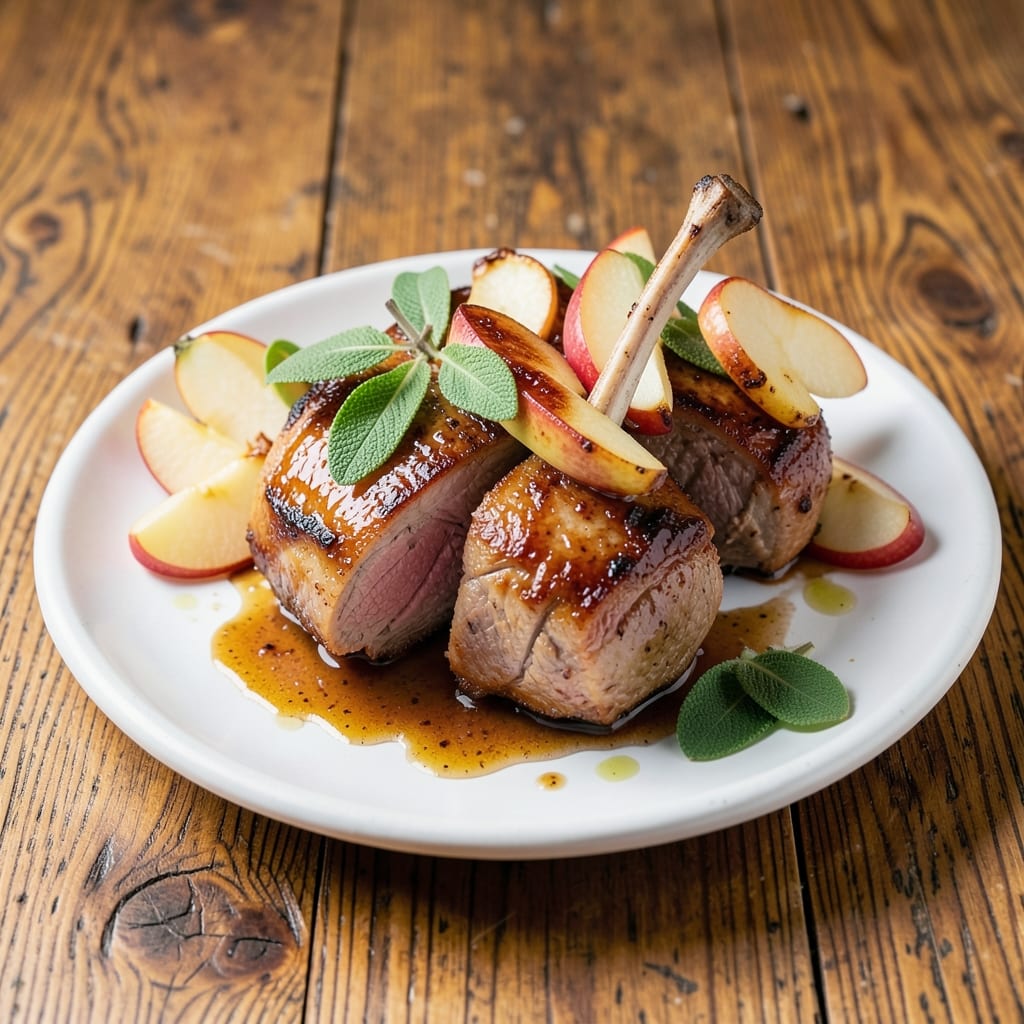
This apple sage pork chop recipe transforms a classic comfort dish into a restaurant-worthy masterpiece with just a few simple techniques. 🔥 The secret lies in caramelizing thin apple slices alongside the pork, creating a sweet-savory glaze that clings to every bite while fresh sage adds an aromatic depth that elevates the entire plate. I developed this recipe after years of perfecting pork preparations at my restaurant, where it became a customer favorite—now you can recreate that same magic at home.
The beauty of this method is its balance of simplicity and sophistication. You'll start with bone-in pork chops—never boneless, as they cook more evenly and deliver richer flavor—seared in a hot cast iron skillet until golden brown. While the chops rest, you'll caramelize apple slices with butter, sage, and a touch of brown sugar, creating a sauce that's both elegant and approachable. The result is tender, juicy pork with crisp edges and a glaze that's perfectly balanced between sweet and savory.
What makes this dish truly special is how it comes together in just 30 minutes—ideal for weeknight dinners that feel like a celebration. The apple-sage caramel not only enhances the pork but also pairs beautifully with roasted potatoes or a simple arugula salad. I often serve it with a crisp white wine, like a Sauvignon Blanc, to complement the dish's bright, herbal notes. This is the kind of recipe that makes home cooking feel like a true culinary achievement.
Once you try this method, you'll never go back to plain pork chops again. The combination of textures—crispy edges on the pork, tender caramelized apples, and fragrant sage—creates a harmony that's both comforting and refined. Let's get started on a dish that's sure to become a staple in your repertoire.
Ingredients for apple sage pork chop
Eight ingredients, three techniques. Restaurant-quality pork chops in your home kitchen.
| Ingredient | Amount | Notes |
|---|---|---|
| Bone-In Pork Chops 🍖 | 4 whole | 1-inch thick, rib or loin cut |
| Honeycrisp Apples 🍎 | 2 medium | Peeled, thinly sliced |
| Unsalted Butter 🧈 | ½ cup | Cold, cut into pieces |
| Fresh Sage Leaves 🌿 | ½ cup | Chopped, stems removed |
| Brown Sugar 🍚 | 2 tbsp | Light or dark variety |
| Extra-Virgin Olive Oil 🫒 | 1 tbsp | For searing pork |
| Kosher Salt 🧂 | 1 ½ tsp | Diamond Crystal preferred |
| Ground Black Pepper 🌶️ | ½ tsp | Freshly ground preferred |
| Garlic Cloves 🧄 | 2 cloves | Minced for apple caramel |
| Fresh Thyme Leaves 🌿 | 1 tsp | Chopped, optional garnish |
| All-Purpose Flour 🌾 | 1 tbsp | For dredging if needed |
The pork chops are the foundation—bone-in, 1-inch thick cuts deliver the best flavor and texture. Costco or Whole Foods usually have them pre-cut, but if you're buying whole, ask the butcher for rib or loin chops. Look for good marbling—the little white flecks mean more flavor. I always buy a few extra just in case one's a little thin. The apples? Honeycrisp or Fuji are perfect—they caramelize beautifully without turning mushy. Buy them a day ahead so they're perfectly ripe.
No Honeycrisp? Gala or Pink Lady work just as well—just keep the slices thin. Running low on fresh sage? Dried sage at half the amount will do, but fresh is ideal for that aromatic punch. The butter needs to be cold for the sear, so take it out of the fridge 20 minutes before cooking. If you're worried about the pork sticking, a light dusting of flour helps—just tap off any excess. For extra depth, add a pinch of cinnamon to the apple mixture (trust me, it works).
Pork chops keep best in the fridge for 2 days if you're prepping ahead—just store them in a sealed container with a paper towel to absorb any moisture. The apple caramel sauce reheats beautifully—simply warm it in a small saucepan over low heat. If you've got leftovers, portion them into containers with the pork chops for easy lunches. The sage butter? It's best used fresh, but you can freeze it in small portions for up to 3 months—just thaw in the fridge overnight.
Why You'll Love This Recipe
- One-Pan Magic: I swear by this recipe when I’m too tired to scrub pots—just sear the pork chops, toss in sliced apples and sage, and let the butter and brown sugar do their thing. The apples caramelize right on the same pan, so cleanup is basically nonexistent.
- Caramelized Crunch: That crispy edge on the pork chop? The tender apples melting into sweet-tart perfection? Honestly, it’s the kind of flavor combo that makes you pause mid-bite. The brown sugar and butter turn the apples into little pockets of jammy goodness, and the sage? It’s like a warm hug for your taste buds.
- Weeknight to Dinner Party: Between us, this is my secret weapon for when my in-laws drop by unannounced. It’s hearty enough for a family dinner but fancy enough to impress guests—just plate it with some crusty bread, and suddenly you’re serving restaurant-worthy food. (Yes, even on a Tuesday night.)
- Budget-Friendly Leftovers: Pork chops aren’t cheap, but this recipe stretches them further than you’d think. The apples and sage bulk it up, so you’ll have enough for lunch the next day—maybe sliced pork over toast with a drizzle of that same caramelized apple butter. My kids fight over the leftovers, and that’s the real win.
Step-by-step instructions for apple sage pork chops
Here's how to make restaurant-quality pork chops with caramelized apples and aromatic sage butter.
🔥 Step 1: Sear the Pork Chops to Golden Perfection
Pat the 4 whole Bone-In Pork Chops completely dry with paper towels—this is crucial for crispy skin. Season both sides generously with 1.5 tsp Kosher Salt and 0.5 tsp Ground Black Pepper. Let them sit at room temperature for 15 minutes while you prep everything else.
Heat 1 tbsp Extra-Virgin Olive Oil in a large skillet over medium-high heat until shimmering. Add the pork chops and cook undisturbed for 3-4 minutes per side until they develop a deep golden-brown crust. This sear locks in the juices—don't move them around or you'll lose that perfect crust. When the edges are golden and the internal temperature reaches 140°F (use a meat thermometer), transfer them to a warm plate and tent loosely with foil to keep warm.
👨🍳 Step 2: Make the Sage Butter and Caramelize Apples
In the same skillet (no need to clean it—the browned bits add flavor), reduce heat to medium and add the 0.5 cup Unsalted Butter cut into pieces. Let it melt completely, then stir in the 0.5 cup Fresh Sage Leaves and 2 cloves Garlic Cloves (minced). Cook for 2-3 minutes until the butter turns a beautiful golden color and smells fragrant—this is your sage butter.
Add the 2 medium Honeycrisp Apples (peeled and thinly sliced) and 2 tbsp Brown Sugar, stirring to coat everything evenly. Cook for 4-5 minutes until the apples soften slightly and the sugar begins to caramelize. If the mixture looks dry, add 1-2 tablespoons water to help the caramel form. Remove from heat and stir in the 1 tsp Fresh Thyme Leaves—this adds a bright herbal note that balances the richness.
🍳 Step 3: Finish the Pork Chops with Sage Butter Sauce
Return the skillet with the apple-sage mixture to low heat and carefully pour in 1 tbsp All-Purpose Flour, whisking constantly to combine. Cook for 1-2 minutes until the flour is fully incorporated and the sauce thickens slightly—this creates a silky, velvety finish. If the sauce is too thick, add a splash of water to loosen it.
Return the pork chops to the skillet, spooning the sage butter sauce over the top. Let everything heat through for 1-2 minutes, basting the pork chops with the sauce. The chops should reach an internal temperature of 145°F—they'll continue cooking slightly from the residual heat. Serve immediately with the caramelized apples spooned alongside.
🍽️ Step 4: Rest and Serve for Maximum Juiciness
Let the pork chops rest for 5 minutes before serving—this allows the juices to redistribute, ensuring each bite is moist and flavorful. The apples should be tender with a glossy caramelized sheen, and the sage butter sauce will cling beautifully to both the meat and the apples.
Garnish with extra Fresh Sage Leaves if desired and serve with crusty bread or roasted potatoes to soak up the delicious sauce. The combination of crispy pork chops, sweet-tart apples, and aromatic sage butter makes this a weeknight dinner that feels like a special occasion.
Pro Tips For Making Apple Sage Pork Chop
- SEAR THE CHOPS FIRST: Get that pan screaming hot—think butter sizzling like a tiny fireworks show—before adding the pork. Bone-in chops need that initial crust to lock in flavor, and skipping this step means you’re basically serving steamed pork with apples. (Yes, even if you’re impatient like me.)
- SLICE APPLES THIN AND UNEVEN: Cut those Honeycrisp apples into ¼-inch slices, but don’t stress about uniformity—just go for it. Thinner slices caramelize faster, and jagged edges soak up the sage-butter sauce better. I learned this the hard way by over-slicing and ending up with mushy apple pudding instead of crisp texture.
- DON’T OVERCROWD THE PAN: Resist the urge to toss all the apples and sage leaves in at once. Cook the pork chops in batches if needed—they’ll release enough juice to steam the apples, turning them soggy. A single layer of apples and a handful of sage leaves per chop is all you need for that perfect balance of crisp and tender.
- REST THE CHOPS UNDER FOIL: As soon as the chops hit 145°F (use a meat thermometer—don’t guess), transfer them to a plate, tent loosely with foil, and let them sit for 5-10 minutes. This keeps the juices inside where they belong instead of pooling on your plate. I used to skip this, and my chops always ended up dry and sad.
Essential equipment for perfect results
Cast Iron Skillet
This is my go-to tool for searing pork chops—nothing beats a well-seasoned Lodge cast iron skillet for creating that perfect golden-brown crust. The heavy weight ensures even heat distribution, and the natural non-stick surface (once properly seasoned) prevents sticking. I keep mine pre-seasoned with flaxseed oil for that extra smooth finish. If you don't have cast iron, a stainless steel skillet works well, but you may need to add a touch more oil to prevent sticking. 🔥
Meat Thermometer
A good meat thermometer is non-negotiable for perfect pork chops. I use the ThermoWorks Smoke—it's accurate, durable, and has a flexible probe that fits easily into the thickest part of the chop. Insert it at a 45-degree angle to avoid hitting bone, and aim for 140°F when searing and 145°F when finished. For those without a thermometer, use the finger test: press your finger on the chop—if it feels firm but still slightly springy, it's done.
Sharp Knife Set
You'll need a sharp chef's knife (I prefer Wüsthof) for slicing apples and a boning knife (like Victorinox) if you're trimming excess fat from the pork chops. A mandoline slicer speeds up apple prep, but be careful—always use the safety guard. I keep my knives sharp with a Whetstone because dull blades make prep harder and increase the risk of uneven cuts. 💡
Mixing Bowls
Two stainless steel mixing bowls (one medium, one small) are essential for this recipe. Use the medium bowl for prepping the apples while they caramelize, and the small one for tossing the flour if needed. I love OXO Good Grips bowls—they're sturdy and have ergonomic handles. Avoid glass bowls for hot ingredients, as they can crack under sudden temperature changes.
Wooden Spoon
A wooden spoon (I use Maplewood) is perfect for stirring the apple-sage mixture without scratching your skillet. Wood handles heat well and won't melt like plastic. Avoid metal spoons when cooking delicate apples, as they can tear the slices. For extra flavor, I sometimes toast the spoon in the skillet for a few seconds before using it—it infuses subtle smoky notes into the sauce. ✨
Nutrition facts
Frequently asked questions
Can I use boneless pork chops for this recipe?
While boneless chops will work, they won't be as flavorful or tender as bone-in cuts. The bone helps regulate cooking temperature and adds depth to the meat. If you must use boneless, choose 1-inch thick chops and reduce cooking time by 1-2 minutes per side. For best results, stick with bone-in chops—they're worth the extra effort!
What if I don't have fresh sage? Can I substitute?
Use ½ tsp dried sage instead of fresh, but toast it in the skillet for 1 minute before adding the apples to release its aroma. For extra depth, add ¼ tsp ground cinnamon with the dried sage—it complements the apples beautifully. Fresh sage leaves are ideal, but dried works in a pinch.
How do I prevent the pork chops from drying out?
Never overcook them! Remove chops from the skillet when they reach 140°F (they'll rise to 145°F while resting). Let them rest for 5 minutes before serving—this redistributes juices. Another trick: Pat them very dry before seasoning, and use medium-high heat for a quick sear rather than low-and-slow cooking.
Can I make this recipe ahead of time?
Yes, but with a few adjustments. Cook the pork chops completely through (to 160°F), then refrigerate them. Reheat in a 350°F oven for 10-12 minutes with a splash of apple juice to keep them moist. The apple-sage sauce reheats best on the stovetop over low heat—just add a little water if it thickens too much.
What's the best way to serve these pork chops?
Pair them with creamy mashed potatoes or roasted Brussels sprouts to balance the richness. For a complete meal, add a simple arugula salad with lemon vinaigrette. I also love serving this with crusty sourdough bread to soak up the delicious sage butter sauce. A crisp Sauvignon Blanc or Pinot Grigio complements the dish beautifully.