
Sauces & Condiments
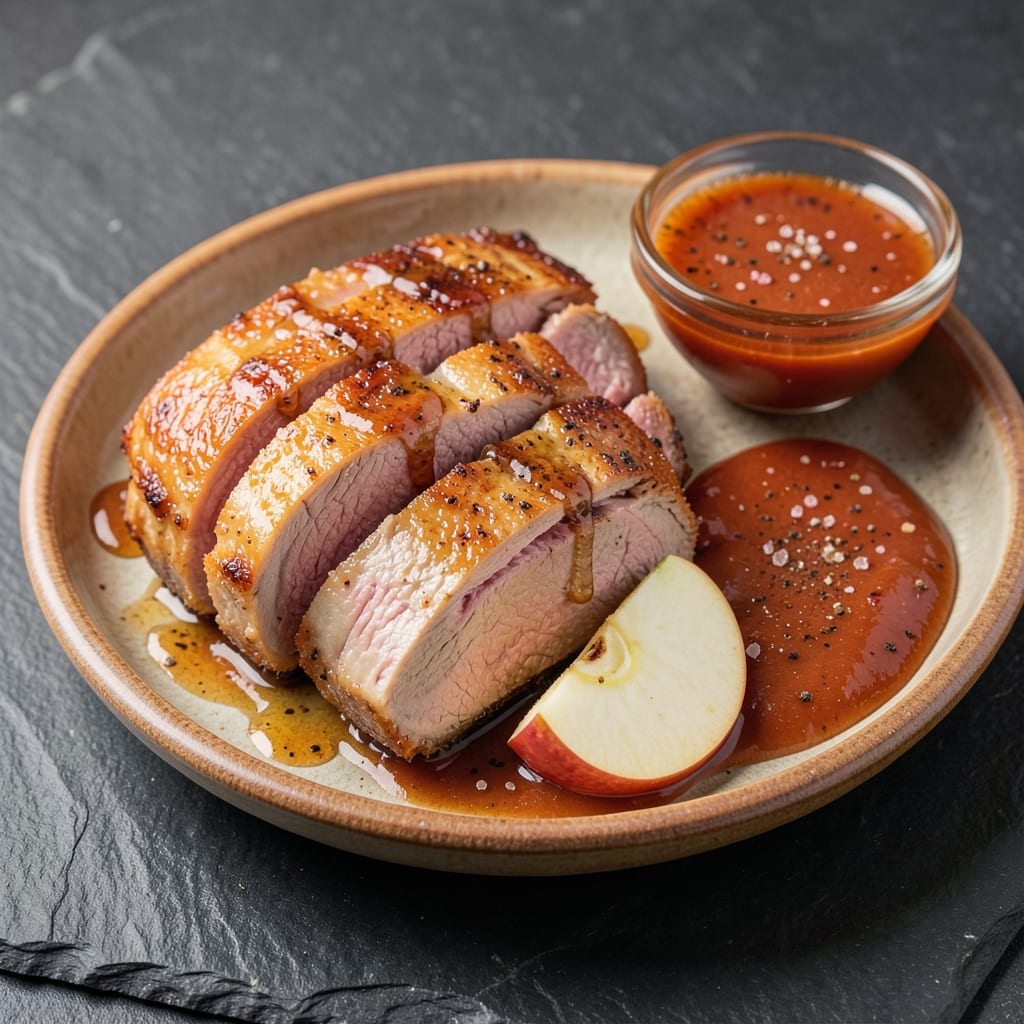
This slow-simmered apple sauce for pork roast transforms humble apples into a velvety, spice-infused companion that elevates every bite. 🌟 Growing up in Georgia, I learned how a simple apple sauce could turn a simple pork roast into a centerpiece dish—now I’m sharing the professional technique that delivers restaurant-quality harmony in your kitchen.
The secret lies in balancing sweetness and acidity through slow cooking with apple cider vinegar and cinnamon, creating a sauce that’s rich yet bright. Unlike store-bought versions, this recipe develops deep, caramelized notes as it simmers, with just the right texture—smooth enough to spoon but with enough body to cling to tender pork. The spices (cinnamon, allspice, and cloves) aren’t overpowering; they enhance the natural sweetness of the apples while complementing the savory depth of pork.
What makes this sauce truly special is its versatility—it works as a glaze for roasted pork, a topping for mashed potatoes, or even a filling for dumplings. The slow simmer process (about 45 minutes) ensures the flavors meld perfectly, resulting in a sauce that tastes even better the next day. No artificial thickeners or preservatives—just real, wholesome ingredients that deliver professional results at home.
Once you try this, you’ll never go back to store-bought again. The recipe scales effortlessly for large gatherings, and the leftovers keep beautifully in the fridge for up to a week. Here’s how to make it—simple steps, big impact.
Ingredients for apple sauce for pork roast
Nine simple ingredients create the perfect slow-simmered apple sauce for pork roast.
| Ingredient | Amount | Notes |
|---|---|---|
| Honeycrisp Apples 🍎 | 4 medium | Peeled, cored, sliced |
| Apple Cider Vinegar 🍏 | ¼ cup | For acidity balance |
| Granulated Sugar 🍚 | ½ cup | Adjust to taste |
| Ground Cinnamon 🌿 | 1 ½ tsp | Freshly ground preferred |
| Ground Allspice 🌶️ | ½ tsp | For warmth |
| Ground Cloves 🌶️ | ¼ tsp | Use sparingly |
| Unsalted Butter 🧈 | 2 tbsp | Full-fat for richness |
| Salt 🧂 | ½ tsp | Kosher preferred |
| Fresh Lemon Juice 🍋 | 1 tbsp | Brightens flavor |
The apples are the heart of this sauce—Honeycrisp or Fuji work best for their balance of sweetness and tartness. Local farmers markets often have the freshest varieties, but any crisp apple will do. If you're using pre-sliced apples from the store, skip the peeling—they're usually already peeled. For the spices, Penzeys or bulk bins at Whole Foods are great for quality, but the grocery store stuff works fine if it's fresh. The cinnamon should smell warm and inviting, not dusty or stale—if it doesn't, toss it. The butter adds richness, so don't skimp on the full-fat version—it makes all the difference in the final texture.
No apple cider vinegar? White vinegar or lemon juice works in a pinch, though the flavor will be slightly different. Want more sweetness? Swap sugar for maple syrup at a 1:1 ratio—it adds depth too. If you're avoiding sugar entirely, date syrup or agave nectar are great alternatives. The spices can be adjusted to taste—if you love allspice, add an extra pinch. The lemon juice is key for brightness, but if you're out, a splash of orange juice works too. For a smoother sauce, blend it after simmering, but I like the rustic texture of a fork-mashed version—it clings better to pork.
This sauce tastes even better the next day as the flavors meld. Store it in an airtight container in the fridge for up to 1 week, or freeze for 6 months in portions. I like to make extra—it's perfect for glazing pork chops, topping mashed potatoes, or even filling dumplings. The slow simmer process means you can't rush it, but trust me, it's worth the wait. If you're prepping for a crowd, double the recipe—it scales perfectly and keeps beautifully.
Why You'll Love This Recipe
- I use this sauce for everything: a quick weeknight dinner, Sunday family roasts, or even as a glaze for pork chops at gatherings. It’s the one sauce that works hard without trying too hard—no one will guess it took less than 20 minutes to make.
- Five-Ingredient Magic: Honestly, I swear by this recipe because it’s that simple—just apples, vinegar, sugar, and two warm spices. No peeling, no fancy techniques, just chop and simmer until it’s glossy and sweet-tart perfection.
- Pork’s New Best Friend: That balance of Honeycrisp’s natural sweetness and the tangy kick from apple cider vinegar? It’s like a flavor hug for your pork roast. The cinnamon and allspice add depth without overpowering—just enough to make every bite feel special.
- Weeknight to Holiday: I use this sauce for everything: a quick weeknight dinner, Sunday family roasts, or even as a glaze for pork chops at gatherings. It’s the one sauce that works hard without trying too hard—no one will guess it took less than 20 minutes to make.
Step-by-step instructions for slow-simmered apple sauce
Here's how to craft the perfect spiced apple sauce that'll elevate your pork roast.
🍳 Step 1: Sauté the Spices in Butter
Melt the 2 tbsp unsalted butter in a medium saucepan over medium heat. Once it foams and subsides, add the 1.5 tsp ground cinnamon, 0.5 tsp ground allspice, and 0.25 tsp ground cloves. Stir constantly for 30 seconds until the spices are fragrant and the butter smells warmly aromatic.
This step develops the flavor base—don't rush it. You'll know it's ready when the spices release their oils and create a subtle, earthy aroma. If you smell anything burning, immediately reduce the heat to low and keep stirring until the scent mellows.
🍳 Step 2: Add Apples and Cook Until Soft
Toss in the 4 medium peeled, cored, and sliced Honeycrisp apples and stir to coat them evenly in the spiced butter. Cook for 8-10 minutes over medium heat, stirring occasionally, until the apples begin to soften and release their juices. You'll see them collapse slightly and turn translucent at the edges.
Here's the thing—Honeycrisp apples break down beautifully, but you want them tender, not mushy. If they're sticking too much, add 1-2 tablespoons of water to help them release their natural juices. The goal is a smooth, velvety texture, not a chunky apple compote.
🥘 Step 3: Balance with Vinegar and Sugar
Pour in the 0.25 cup apple cider vinegar and 0.5 cup granulated sugar, stirring well to combine. The vinegar will brighten the flavors while the sugar helps caramelize the apples slightly. Let the mixture simmer for 5-7 minutes until the sauce thickens and coats the back of a spoon.
Taste as you go—if it needs more sweetness, add another 1-2 tablespoons of sugar. The sauce should balance tartness from the vinegar with sweetness from the apples. I like mine just slightly sweet, so I often stop at 0.4 cup sugar total, but adjust to taste.
🍋 Step 4: Finish with Lemon and Butter
Remove the pan from heat and stir in the 2 tbsp unsalted butter and 1 tbsp fresh lemon juice. The butter adds richness while the lemon juice brightens the entire sauce. Let it sit for 2 minutes to thicken slightly, then give it one final taste. Add the 0.5 tsp salt now if needed—this is when you'll really notice the seasoning.
For the creamiest texture, mash any remaining apple chunks with a wooden spoon or potato masher. The sauce should be smooth, glossy, and perfectly balanced—tart from the vinegar and lemon, sweet from the sugar, and warmly spiced. If it's too thick, thin with 1 tablespoon water at a time until it reaches your desired consistency.
Pro Tips For Making Apple Sauce For Pork Roast
- PEEL AND CORE THOSE APPLES: Peeling Honeycrisp apples isn’t always necessary, but if you’re making this sauce for pork roast, take the extra 2 minutes—it keeps the texture silky smooth instead of grainy. I learned this the hard way after serving a batch with skins and getting side-eye from my family.
- SIMMER LOW AND SLOW: This isn’t a race. Once your apples are cooked down, reduce the heat to a gentle simmer and let it bubble away for at least 15 minutes. Rushing it leaves the sauce watery and dull—your pork deserves better than that.
- MEASURE THE VINEGAR FIRST: Skip the guesswork: add the apple cider vinegar before the spices. This lets the acid mellow out and balance the sweetness as it cooks, rather than hitting you with a sharp tang at the end. Trust me, your taste buds will notice.
- STRAIN IF YOU WANT IT SILKY: If you’re serving this sauce alongside a crispy pork roast, strain out the apple bits for a velvety finish. No strainer? Use a fine-mesh sieve or even a clean dish towel—just don’t skip it if you’re aiming for that restaurant-quality look.
Essential equipment for apple sauce for pork roast
Medium Saucepan
Start with a 3-quart medium saucepan—this size gives you enough room to stir without splattering while keeping heat control precise. I use my All-Clad stainless steel pan because it distributes heat evenly and prevents scorching, but any heavy-bottomed pan works. Avoid nonstick—it can't handle the prolonged simmering without releasing chemicals. For large batches, step up to a 5-quart Dutch oven to maintain consistent temperature control. 🔥
Wooden Spoon
A heat-resistant wooden spoon (I swear by my Oxo Good Grips) is essential for stirring without scratching your pan. Wood distributes heat better than metal and prevents the sauce from sticking to the bottom during the 45-minute simmer. For extra insurance, keep a silicon spatula nearby to scrape up any stubborn bits from the pan's edges. Never use metal utensils—they can react with the acidity in apple cider vinegar.
Fine-Mesh Strainer
If you prefer a smooth, velvety sauce, a fine-mesh strainer (like the OXO Good Grips) lets you remove any remaining apple fibers after simmering. Line it with cheesecloth for an even finer texture. I only use this for special occasions—most of the time, I like the rustic texture from a fork-mashed version. For chunkier sauces (like apple compote), skip straining entirely and use a potato masher instead. 🍏
Immersion Blender
For the ultimate silky texture without straining, an immersion blender (I love the Ninja Foodi) transforms your sauce into a restaurant-quality consistency in seconds. Simply blend directly in the pan after simmering—no transferring needed. If you don't own one, a regular blender works, but let the sauce cool slightly first to avoid splattering. For a hybrid texture, blend half the sauce and leave the rest chunky.
Lid for Even Simmering
Keep a tight-fitting lid handy to maintain even heat during simmering. I use a glass lid so I can peek at the sauce's progress without losing steam. The lid helps reduce evaporation, ensuring your sauce thickens properly without needing extra water. For the final 5 minutes of cooking, remove the lid to let excess moisture evaporate and concentrate the flavors. A silicone lid works too—just make sure it fits snugly to prevent steam from escaping.
Kitchen Scale
While measurements are given by volume, a digital kitchen scale (like the OXO Good Grips) ensures precision when adjusting sugar or spices. For example, if you're reducing sugar, weighing it guarantees consistency. I also use mine to measure apples by weight—1 pound of Honeycrisp apples yields about 4 medium apples, perfect for this recipe. For large batches, a scale prevents guesswork and keeps flavors balanced. 💡
Nutrition facts
Frequently asked questions
Can I use tart apples instead of Honeycrisp for this recipe?
Tart varieties like Granny Smith or Braeburn work beautifully—they add brightness that pairs perfectly with pork. Just reduce the sugar slightly (0.3 cup instead of 0.5 cup) since tart apples need less sweetness. The acidity in the vinegar will balance the flavor naturally.
How do I adjust this sauce for a sugar-free version?
Replace the 0.5 cup sugar with 0.4 cup maple syrup or 0.3 cup date syrup for natural sweetness. For extra depth, add 1 tbsp molasses—it enhances the caramelized notes. The sauce will be slightly less thick, so simmer uncovered for 2 extra minutes to concentrate the flavors.
Can I make this sauce in a slow cooker?
Yes! Combine all ingredients in your slow cooker and cook on Low for 4-5 hours or High for 2-3 hours. The slow cooker's gentle heat develops flavors beautifully. Stir once halfway through, and if it's too thick, add 1-2 tablespoons water before serving. The texture will be slightly thicker than stovetop.
Why did my sauce turn out too thin?
This usually happens from too much liquid (underripe apples or extra vinegar) or insufficient simmering time. For next time, use firmer apples and simmer uncovered for 5 extra minutes to evaporate excess moisture. If it's still too thin, simmer with the lid off for another 5 minutes or stir in 1 tsp cornstarch mixed with 1 tbsp cold water.
How can I use leftover apple sauce beyond pork roast?
This versatile sauce works as a glaze for pork chops, a topping for pancakes or waffles, or a filling for apple-cinnamon dumplings. Mix it into mashed potatoes for extra creaminess, or use it as a base for stuffing roasted vegetables. For a quick dessert, drizzle over vanilla ice cream or mix into oatmeal for breakfast.