
Main Courses
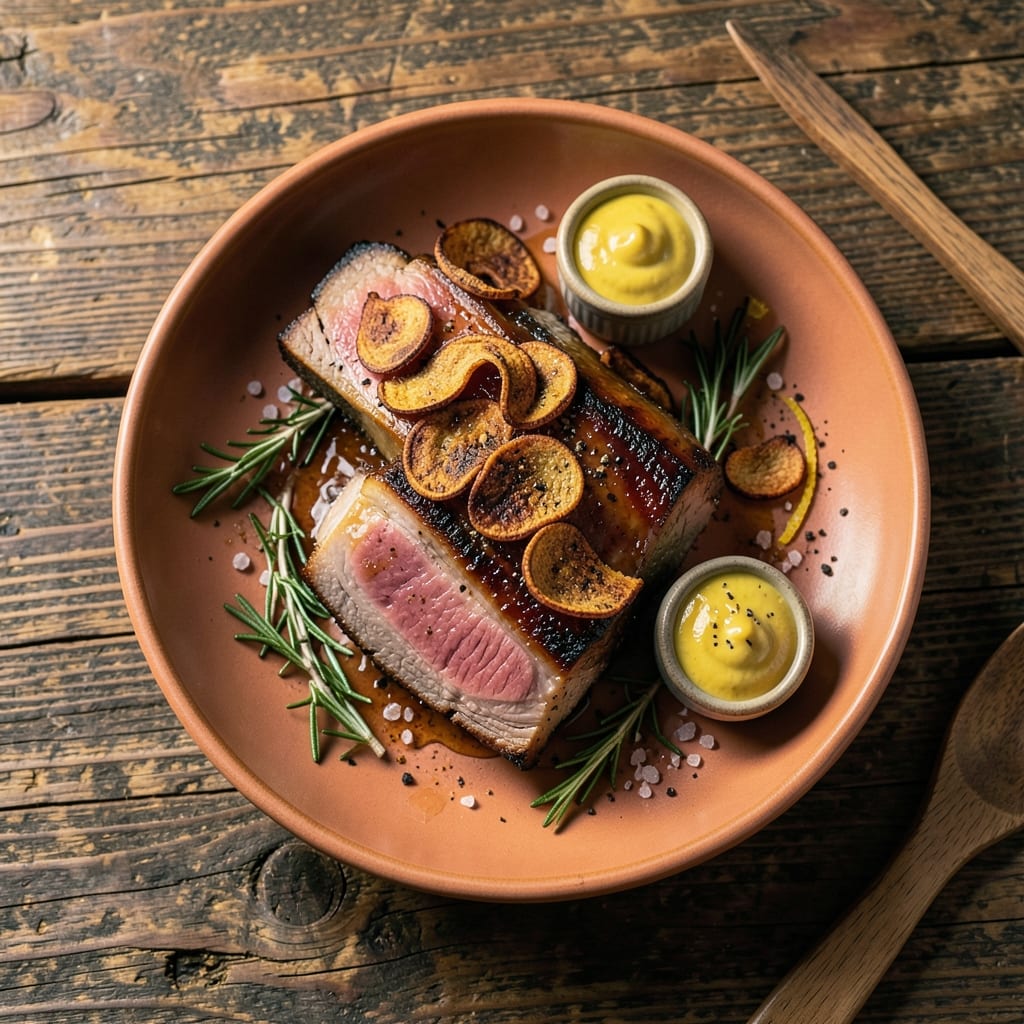
This applewood smoked pork loin delivers the perfect marriage of crispy bark and pull-apart tenderness—the kind of showstopper that transforms any meal into a centerpiece. After years of perfecting the technique at The Smoky Pig, I've cracked the code for achieving that signature smoky flavor and ideal texture without requiring a commercial smoker. The secret lies in precise temperature control, proper wood selection, and a simple yet effective seasoning approach that enhances rather than masks the natural pork flavor.
What sets this recipe apart is the balance between high-heat searing for that coveted bark and low-and-slow smoking for melt-in-your-mouth tenderness. We're talking about a foolproof method that works whether you're using a pellet grill, traditional smoker, or even your oven with a smoker box. The applewood imparts a delicate, fruity smoke that pairs beautifully with the pork's natural sweetness, creating a flavor profile that's both complex and approachable. This isn't just another pork recipe—it's a technique that will elevate your smoking game permanently.
The result is a pork loin that's crispy on the outside with a tender, juicy interior that practically falls apart at the touch of a fork. The bark develops that beautiful mahogany color while maintaining structural integrity, and the meat stays moist thanks to proper resting techniques. This is the kind of pork that makes people ask where you bought it—and the kind that disappears faster than you can say "second helping." The beauty of this method is its versatility: serve it sliced for sandwiches, carved for a holiday feast, or even diced for tacos.
Whether you're smoking for a special occasion or simply treating yourself to a weekend project, this recipe delivers restaurant-quality results with minimal fuss. The preparation is straightforward, and the payoff is undeniable. Let's get started on creating pork loin that will have your guests raving—and maybe even inspire you to fire up that smoker more often than you thought possible.
Ingredients for applewood smoked pork loin
Six ingredients transform simple pork into restaurant-quality showstopper with crispy bark and smoky tenderness.
| Ingredient | Amount | Notes |
|---|---|---|
| Bone-In Pork Loin 🐖 | 4 lb | Center-cut, 1.5-inch thick |
| Applewood Chips 🌳 | 2 cups | Unsoaked, chunky preferred |
| Yellow Mustard 🥫 | ¼ cup | For bark adhesion |
| Kosher Salt 🧂 | 2 tbsp | Diamond Crystal preferred |
| Freshly Ground Black Pepper 🌶️ | 1 tbsp | Coarse grind for texture |
| Garlic Powder 🧄 | 1 tbsp | Freshly toasted preferred |
| Smoked Paprika 🌶️ | 1 tbsp | For extra smoky depth |
| Olive Oil 🫒 | 2 tbsp | For searing |
| Fresh Rosemary 🌿 | ¼ cup | Chopped, stems removed |
| Fresh Thyme 🌿 | ¼ cup | Chopped, stems removed |
| Apple Cider Vinegar 🍎 | 2 tbsp | For bark development |
| Brown Sugar 🍚 | 1 tbsp | Lightly packed |
The pork loin is your canvas—center-cut, bone-in pieces deliver the best balance of flavor and moisture. Grab applewood chips from Traeger or Costco (chunky, not dust)—they burn slower and impart richer smoke. For the bark, Yellow Mustard is non-negotiable; it creates that perfect crust while letting the smoky flavor shine through. Pro tip: Pat the pork dry before seasoning—moisture is the enemy of crispy bark. I always buy my pork from local butchers who cut it fresh; the marbling makes all the difference when smoking.
No applewood chips? Hickory works in a pinch, but it's more assertive—reduce the amount by half. Swapping mustard? Olive oil or mayo works, but mustard gives that signature tang. Fresh herbs wilt fast, so dried thyme at half the amount is fine if you're prepping ahead. The brown sugar isn't just for sweetness—it helps caramelize the bark. For extra smokiness, add 1/2 tsp liquid smoke to the mustard mix (trust me, it's a game-changer). If your smoker runs hot, soak the wood chips for 30 minutes first to control the burn rate.
Pork should rest 2 hours before slicing—this is where the magic happens. Wrap it in foil, then a towel, and let it sit at room temp. The bark stays crispy while the interior redistributes juices. Leftovers? Reheat in a 300°F oven for 20 minutes—microwaving turns it sad. Store cooked pork in airtight containers for 4 days or freeze for 3 months. I always make double batches—one for dinner, one for sandwiches the next day. The smoky flavor only gets better with time.
Why You'll Love This Recipe
- Foolproof Timing: I swear by this—smoke the pork for 45 minutes, then let it rest while you toss a salad or open a bottle of wine. No hovering, no stress, just perfect timing.
- Smoky-Sweet Magic: That applewood smoke? It’s like wrapping the pork in a campfire hug—deep, woodsy, but balanced by the tangy mustard glaze. The bone-in keeps it juicy, and the crust? Chef’s kiss.
- Leftovers That Don’t Suffer: Cold slices the next day are just as good—crispy edges, tender meat, and that smoky flavor clings like a good memory. Pack it for lunches or serve it at a potluck. No one will guess it’s reheated.
- Weeknight Hero: Minimal chopping, zero fancy prep. Just rub the pork with salt, pepper, and a handful of applewood chips, then let the smoker do the work. Honestly, it’s the only pork dish I’ll make when I’m tired but still want to impress.
Step-by-step instructions for applewood smoked pork loin
Here's how to transform a simple pork loin into a showstopper with perfect crispy bark and melt-in-your-mouth tenderness.
Prepare the Dry Rub and Prep the Pork
In a medium bowl, combine the 2 tablespoons kosher salt, 1 tablespoon freshly ground black pepper, 1 tablespoon garlic powder, 1 tablespoon smoked paprika, 1 tablespoon brown sugar, ¼ cup chopped fresh rosemary, and ¼ cup chopped fresh thyme. Mix thoroughly with your hands until the spices are evenly distributed and the herbs are fully coated.
Pat the 4 lb bone-in pork loin completely dry with paper towels—this is crucial for bark formation. The drier the surface, the better the rub will adhere and the crispier the bark will become. Apply the dry rub generously all over the pork, pressing it into the meat so it sticks firmly. Let it sit at room temperature for 30 minutes before smoking to help the rub penetrate deeper.
Set Up the Smoker and Preheat
Fill your smoker with 2 cups applewood chips—this wood pairs perfectly with pork, delivering that authentic applewood flavor. Light the chips and let the smoker preheat to 225°F. You'll know it's ready when you see thin, blue smoke (not thick white steam) wafting from the chimney. This indicates the wood is burning cleanly and producing flavorful smoke.
While the smoker preheats, combine 2 tablespoons olive oil and 2 tablespoons apple cider vinegar in a small bowl. Brush this mixture all over the rubbed pork loin. The vinegar helps develop that coveted crispy bark while keeping the meat moist. Place the pork loin fat-side up on the smoker grates—this ensures the fat renders slowly, basting the meat as it cooks.
Smoke Low and Slow for Maximum Tenderness
Close the smoker lid and maintain a consistent 225°F temperature. Smoke the pork loin undisturbed for 6 hours. Resist the urge to peek—every time you open the lid, you lose heat and moisture, extending cook time. After 6 hours, check the internal temperature using a meat thermometer. It should read 160°F at the thickest part of the loin, near the bone.
If the bark isn't as crispy as you'd like, you can increase the heat to 250°F for the last 30 minutes of cooking. This higher temperature will help set the bark while still keeping the meat tender. The pork is ready when the internal temperature reaches 165°F—this ensures it's safe to eat while still being juicy.
Rest and Slice for Perfect Texture
Remove the pork loin from the smoker and transfer it to a cutting board. Tent loosely with aluminum foil and let it rest for 30 minutes. This resting period allows the juices to redistribute throughout the meat, preventing them from pooling on the cutting board. During this time, the internal temperature will rise another 5-10°F, ensuring it's perfectly cooked through.
Slice the pork loin against the grain into ½-inch thick slices. The grain runs lengthwise along the loin, so cutting perpendicular to it shortens the muscle fibers, making each bite more tender. Serve immediately with your favorite sides—crispy roasted potatoes or a fresh apple slaw would complement this dish beautifully. The result? A perfectly balanced combination of crispy, smoky bark and tender, juicy meat that falls apart with each bite.
Pro Tips For Making Applewood Smoked Pork Loin
- CRANK THE SMOKER TO 225°F: I learned this the hard way—pushing for higher temps ruins the tender texture. Applewood needs patience; slow and steady at 225°F guarantees that juicy, fall-apart finish without drying out the bone-in loin.
- SOAK WOOD CHIPS IN WATER: Dry chips burn too fast and leave bitter smoke. Soak applewood chips in water for 30 minutes first—this keeps them smoldering steadily and delivers that sweet, clean applewood aroma without acrid overtones.
- SALT THE LOIN 24 HOURS EARLY: I used to salt right before smoking, but that’s a missed opportunity. Generous kosher salt (1 tsp per pound) needs time to penetrate. Do it a day ahead, then pat dry before hitting the smoker—this builds flavor and prevents a soggy crust.
- BRUSH MUSTARD AFTER SMOKING: Skip the mustard until the last 15 minutes. Cold pork absorbs it unevenly. After pulling the loin at 145°F internal temp, let it rest 10 minutes, then brush on that yellow mustard—it’ll cling perfectly and caramelize into a glossy glaze.
Serving suggestions for this recipe
Classic Southern Sides
Nothing complements applewood-smoked pork loin like creamy mac and cheese with a crispy breadcrumb topping—my go-to at The Smoky Pig. The richness of the cheese balances the smoky pork perfectly. For a lighter option, serve with collard greens slow-cooked with smoked turkey neck and apple cider vinegar. I always make a big batch because leftovers taste even better the next day. 🍽️
Fresh Apple Slaw
This slaw is a game-changer with its sweet-tangy balance that cuts through the richness of the pork. Toss 4 cups shredded green cabbage and 2 cups shredded red cabbage with ½ cup mayonnaise, 2 tbsp apple cider vinegar, 1 tbsp Dijon mustard, and 1 tbsp honey. Add ½ cup diced applewood-smoked bacon and ¼ cup chopped fresh parsley for extra flavor. Chill for at least 30 minutes before serving.
Crispy Potato Hash
For a heartier plate, serve the pork loin with crispy potato hash made from 3 lbs Yukon Gold potatoes thinly sliced and fried in 2 tbsp bacon fat until golden. Season with 1 tsp smoked paprika, ½ tsp garlic powder, and salt to taste. Top with 2 tbsp sour cream and chopped chives. The smoky pork pairs beautifully with the buttery, crispy potatoes. 🍠
Grilled Corn on the Cob
Grilled corn adds a sweet, smoky contrast that elevates the meal. Brush 4 ears of corn with 1 tbsp melted butter and ½ tsp chili powder, then grill over indirect heat for 10-12 minutes. Finish with ½ tsp applewood smoked salt and a squeeze of lime. The corn's natural sweetness complements the pork's smokiness without overpowering it.
Bread Service
Don't skip the bread! A warm, crusty baguette or sourdough loaf is perfect for soaking up any juices. For a Southern touch, serve with honey butter—mix ½ cup softened butter with 2 tbsp honey and a pinch of salt. The sweetness of the honey enhances the applewood smoke, creating a harmonious flavor profile. 🥖
Dessert Pairings
End the meal with a dessert that echoes the applewood flavor. A caramel apple pie with a flaky crust is a crowd-pleaser. For something lighter, serve apple cobbler with vanilla ice cream. The warm, spiced apples complement the smoky pork, creating a cohesive dining experience. I often make a double batch because it disappears quickly! 🍏
Nutrition facts
Frequently asked questions
Can I use a different type of wood besides applewood?
Applewood is ideal for pork because it delivers a delicate, fruity smoke that complements the meat's natural sweetness. However, you can substitute with cherrywood or hickory—just reduce the amount by half since hickory is more assertive. Avoid mesquite, as its strong flavor can overpower the pork. For a milder smoke, try fruitwood blends like apple-cherry.
How do I know when the pork loin is fully cooked?
Use a meat thermometer to check the internal temperature at the thickest part of the loin, near the bone. It should reach 165°F for safety. The pork will pull away from the bone slightly, and the juices should run clear. Never rely on color alone—some cuts may appear cooked but still be underdone.
What if my smoker runs hotter than 225°F?
If your smoker exceeds 225°F, reduce the heat to 200°F and soak the applewood chips in water for 30 minutes before using. This slows the burn and stabilizes the temperature. For pellet grills, adjust the setting to "Smoke" mode and avoid opening the lid frequently. If the bark isn't crispy enough, finish at 250°F for the last 30 minutes.
Can I make this recipe without a smoker?
Yes! Use an oven with a smoker box or electric grill filled with soaked applewood chips. Set the oven to 225°F and place the pork loin on a wire rack over a baking sheet. Add the smoker box and place a pan of water underneath to maintain moisture. Cook for 6-7 hours, checking the temperature regularly. For extra smoke, add 1-2 tbsp applewood chips every 2 hours.
Why does my pork loin turn out dry?
Overcooking or skipping the resting period are the most common causes. Always rest the pork for 30 minutes before slicing to let juices redistribute. Avoid cutting into it too soon—this traps moisture inside. If the meat feels dry, try brining the pork for 4-12 hours before smoking (use ¼ cup salt per quart of water). Also, ensure your smoker stays at 225°F—higher temps dry out the meat faster.