
Main Courses
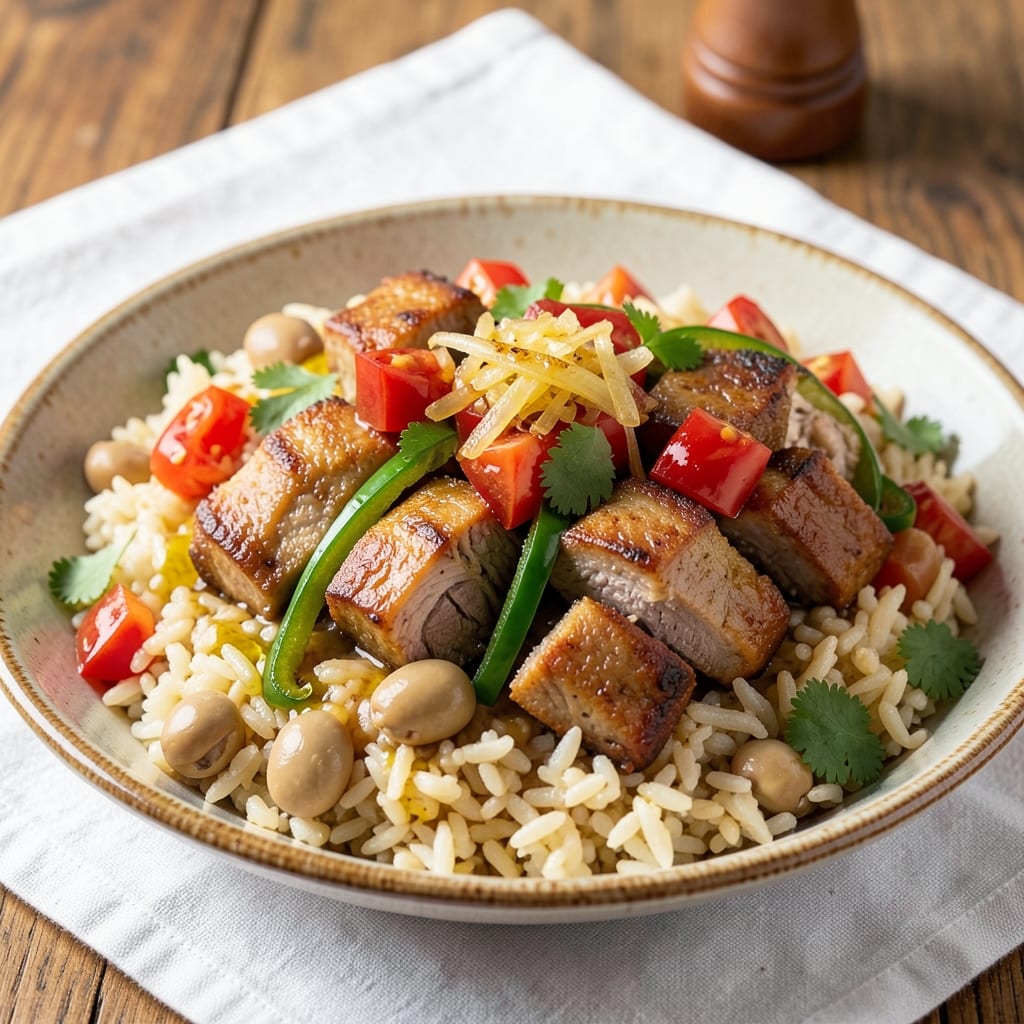
This arroz con gandules recipe with pork brings the soul of Puerto Rican home cooking to your kitchen with just one pot and minimal fuss. I first tasted it at my abuela's table in Boston, where the scent of sofrito simmering with pork and gandules filled the air, and it's been my go-to comfort dish ever since. The secret lies in balancing the earthy gandules, tender pork, and aromatic rice into a harmonious one-pot meal that's both hearty and elegant.
The magic happens in the sofrito base—tomatoes, peppers, and onions caramelized with garlic and cumin until they form a thick, flavorful paste that infuses every bite. While the pork slowly cooks in this aromatic mixture, the rice absorbs all those rich flavors, creating a dish that's as satisfying as it is traditional. What makes this recipe special is how it transforms simple ingredients into something extraordinary with just time and patience.
By the time you serve this dish, your kitchen will smell like home, and every spoonful will deliver tender pork, perfectly cooked rice, and the sweet, earthy notes of gandules. The dish stays cohesive and flavorful even when reheated, making it perfect for meal prep or feeding a crowd. Serve it with tostones or a simple salad to complete the Puerto Rican feast.
This recipe honors tradition while making it accessible—no special equipment or advanced techniques required. The one-pot method ensures easy cleanup, and the flavors only deepen as it sits, rewarding your effort with a dish that tastes like love. Let's get cooking!
Ingredients for arroz con gandules recipe with pork
One pot, three core flavors—gandules, pork, and sofrito—all simmering into Puerto Rican magic.
| Ingredient | Amount | Notes |
|---|---|---|
| Long-Grain White Rice 🍚 | 2 cups | Uncooked, rinsed well |
| Gandules (Pigeon Peas) 🌱 | 1 ½ cups | Dried, soaked overnight |
| Pork Shoulder 🥩 | 1 ½ lb | Cut into 1-inch cubes |
| Tomatoes 🍅 | 3 whole | Roma or vine-ripened, chopped |
| Green Bell Pepper 🧅 | 1 whole | Diced, seeds removed |
| Yellow Onion 🧅 | 1 whole | Diced, medium size |
| Garlic Cloves 🧄 | 6 cloves | Minced, fresh preferred |
| Ground Cumin 🌿 | 1 tbsp | Toasted for deeper flavor |
| Dried Oregano 🍃 | 1 tsp | Mexican oregano if available |
| Adobo Seasoning 🌶️ | 1 tsp | Goya brand preferred |
| Chicken Broth 💧 | 3 cups | Low-sodium preferred |
| Olive Oil 🫒 | ½ cup | Extra-virgin for richness |
| Salt 🧂 | 1 ½ tsp | Kosher or sea salt |
| Black Pepper 🌶️ | ½ tsp | Freshly ground preferred |
| Fresh Cilantro 🌿 | ¼ cup | Chopped, for garnish |
Gandules are the heart of this dish, so don't skimp. Puerto Rican gandules (like those from La Sirena or Goya) have the best texture, but any dried pigeon peas work. Soak them overnight in plenty of water—they'll triple in size. For the pork, shoulder or butt gives the most flavor, but pork loin works in a pinch. Look for cuts with good marbling at Latin markets—they often have better quality than regular grocery stores. The sofrito veggies (tomatoes, peppers, onions) should be fresh—wilted produce will make your dish taste sad.
No gandules? Substitute extra rice or black beans, but the dish won't be authentic. Short on pork? Chicken thighs work well, though the flavor profile changes. For the sofrito base, frozen chopped tomatoes save time (just drain well), but fresh is always better. Want more heat? Add ½ tsp of hot sauce or cayenne. The adobo seasoning is non-negotiable—it's what gives this dish its signature taste. Goya brand is the gold standard, but any good-quality adobo will do. If you can't find it, mix ½ tsp garlic powder + ½ tsp onion powder + pinch of turmeric for a close substitute.
This dish tastes even better the next day—make extra! Store leftovers in an airtight container for 4-5 days in the fridge. Freeze portions for up to 3 months—just thaw overnight in the fridge before reheating. The rice stays moist, so reheat with a splash of water or broth. For meal prep, double the recipe—it's perfect for lunches. Garnish with fresh cilantro right before serving, or store it separately to keep the dish vibrant. Serve with tostones or a simple salad for the full Puerto Rican experience.
Why You'll Love This Recipe
- One-Pot Magic: I swear by this recipe because it’s one pot—rice, pork, gandules, and all the veggies simmer together. No dirty pans, no fuss, just dump, stir, and let it work its flavor.
- Pork That Melts: That slow-cooked pork shoulder? It falls apart like it’s been braising for hours, but honestly, I’m lazy—I just sear it, add a splash of water, and let the rice steam it tender. The result? Rich, juicy bites in every bite.
- Weeknight to Party: Make it for Tuesday dinners or Sunday gatherings—same recipe, different vibes. The gandules add that creamy texture, while the bell pepper and tomatoes keep it bright. Serve with plantains or just eat it straight from the pot.
- Budget-Friendly Feast: Pork shoulder stretches across meals, and gandules are cheaper than most proteins. Double the batch, reheat for lunch, and still have leftovers that taste better the next day. My wallet and my family thank me.
Step-by-step instructions for arroz con gandules with pork
This Puerto Rican classic comes together in one pot with rich flavors and tender pork.
Sear the Pork Shoulder for Deep Flavor
Heat the 0.5 cup olive oil in a large, heavy-bottomed pot over medium-high heat. Add the 1.5 lb pork shoulder cut into 1-inch cubes, working in batches if needed to avoid crowding. Let the pork sear for 4-5 minutes per side until it develops a deep golden-brown crust. This step is crucial—it builds layers of flavor that'll infuse the entire dish.
Once all pork is browned, transfer it to a plate and set aside. The pork should release easily from the pot when ready. Don't drain the rendered fat—this golden liquid is packed with flavor and will form the base of your rice. If the pot looks dry, add 1 tablespoon of chicken broth to deglaze and scrape up any browned bits from the bottom.
Sauté the Aromatic Vegetables
In the same pot, add the 1 whole yellow onion and 1 whole green bell pepper, both diced. Sauté for 5-6 minutes until the onions become translucent and the peppers soften slightly. Add the 3 whole tomatoes, chopped, and cook for another 3-4 minutes until they break down and release their juices.
Next, add the 6 cloves garlic cloves, minced, and cook for 30 seconds until fragrant. Be careful not to burn the garlic—it should smell wonderful but not bitter. Stir in the 1 tbsp ground cumin, 1 tsp dried oregano, and 1 tsp adobo seasoning, mixing well to coat all the vegetables in the spices. This step develops the complex, earthy flavors that define arroz con gandules.
Add Gandules and Rice for Perfect Texture
Add the 1.5 cups gandules (pigeon peas) and 2 cups long-grain white rice to the pot, stirring to combine with the vegetables and spices. Pour in the 3 cups chicken broth, then add the 1.5 tsp salt and 0.5 tsp black pepper. Bring everything to a gentle boil, then reduce the heat to low and cover the pot with a tight-fitting lid.
Real talk: Don't peek! Every time you lift the lid, you release steam and extend cooking time. Let the rice and gandules simmer undisturbed for 25-30 minutes. You'll know it's ready when the rice is tender and the liquid has been absorbed. If it looks dry before the rice is fully cooked, add 2-3 tablespoons of hot water through the lid to keep the rice from burning.
Incorporate the Pork and Finish Cooking
After the initial cooking time, gently stir the pot to redistribute any settled rice at the bottom. Add the reserved 1.5 lb pork shoulder back into the pot, breaking up any large pieces with a wooden spoon. Cover and let it cook for another 10-15 minutes to allow the pork to absorb the flavors and become tender.
The pork should now be fork-tender, falling apart easily when pierced. If the mixture still looks dry, add 1-2 tablespoons of hot water and let it simmer for another 5 minutes. The rice should be fluffy and the gandules tender but still holding their shape. If the pork needs more time, cover and let it cook on low heat for an additional 5-10 minutes until fully tender.
Garnish and Serve with Confidence
Once everything is perfectly cooked, remove the pot from heat and let it rest for 5 minutes before serving. This resting period allows the flavors to meld and the rice to absorb any remaining liquid. Stir in the 0.25 cup fresh cilantro, chopped, just before serving to add a bright, fresh contrast to the rich, savory dish.
Serve immediately, family-style, with extra cilantro sprinkled on top. Each bite should deliver tender pork, fluffy rice, and the satisfying texture of gandules. This one-pot wonder delivers all the comfort of Puerto Rican home cooking with minimal cleanup—just what makes this dish so special.
Pro Tips For Making Arroz Con Gandules Recipe With Pork
- SOAK GANDULES OVERNIGHT: I learned this the hard way—dry gandules turn to mush when cooked. Soak them in water for at least 8 hours (or overnight) to soften them properly, then drain and rinse before adding to the pot. This guarantees they’ll stay tender but hold their shape, not turn into a sad, gluey paste.
- SEAR PORK IN BATCHES: Crowd the pan, and you’ll steam the pork instead of sear it. Cut the pork shoulder into 1-inch chunks and work in two batches over medium-high heat—this gives you a deep, caramelized crust that soaks up the tomato sauce later. (Yes, even if you’re impatient like me.)
- TOAST THE RICE FIRST: Skip this, and your rice will end up gummy. After cooking the pork and sofrito, spread the raw rice in a dry skillet for 2-3 minutes until lightly golden—this builds flavor and prevents clumping. Then add it to the pot with the broth. (Your future self will thank you.)
- USE HOT BROTH: Cold broth = lukewarm rice. Heat your broth (or water) to a rolling boil before pouring it over the rice and gandules. The high heat jump-starts the cooking process, ensuring even texture and saving you from waiting around for the pot to reheat. (Does it look weird? Yes. Does it work? Every single time.)
Troubleshooting this recipe
Mushy Rice Fix
If your rice turns out mushy instead of fluffy, it’s usually from either too much liquid or lifting the lid too often. I’ve burned more rice than I’ll admit this way! First, check your rice-to-liquid ratio—stick to the 2 cups rice to 3 cups broth guideline. If you’re unsure, use a 1:1.5 ratio (rice to liquid) as a safe bet. Also, resist the urge to peek! Every time you lift that lid, steam escapes, and the rice absorbs unevenly. If it’s already mushy, try mixing in 1 tablespoon of cornstarch with a splash of cold water and stirring it in gently. It won’t be perfect, but it’ll be salvageable. 💡
Pork Too Tough
Tough pork is the worst—it ruins the whole dish. The key is patience and proper timing. If your pork is still chewy, it likely didn’t cook long enough. Pork shoulder should reach an internal temperature of 195-203°F for tender, pull-apart texture. Use a meat thermometer to check! If it’s still tough, shred it with two forks and let it simmer in the pot for another 15-20 minutes with an extra ¼ cup of broth. The long, slow cook will break down the fibers. Pro tip: If you’re short on time, swap pork shoulder for pork butt—it’s more forgiving and stays juicier. 🥩
Gandules Too Hard
Hard gandules can happen if they weren’t soaked long enough or if the cooking liquid wasn’t acidic enough. Always soak your gandules overnight in plenty of water—they should triple in size. If they’re still hard after cooking, they likely need more time or acidity. Add ½ cup of tomato sauce or a splash of vinegar to the pot and simmer for another 10-15 minutes. The acidity helps tenderize them. For next time, soak them in water with 1 tsp of baking soda for 2 hours before cooking—this pre-soak trick works wonders! 🌱
Sofrito Too Bland
A bland sofrito means your dish will lack depth. The fix? Char your vegetables! When sautéing the onions, peppers, and tomatoes, let them caramelize until they’re dark brown and slightly crispy. This adds a smoky, sweet depth that’s essential. If your sofrito tastes flat, boost it with ½ tsp of smoked paprika or a pinch of ground annatto (achiote) for color and flavor. Fresh herbs like cilantro or recao (culantro) can also brighten it up. And don’t skip the adobo seasoning—it’s the soul of this dish! 🌶️
Burnt Bottom
A burnt bottom is a common rookie mistake, but it’s easy to avoid. Always use a heavy-bottomed pot—like a Le Creuset Dutch oven or even a stainless steel pot with a thick base. If your pot isn’t heavy enough, the rice can stick and burn. To fix a burnt bottom, scrape off as much as possible with a wooden spoon, then deglaze the pot with ¼ cup of broth or water to lift the stuck-on bits. If it’s really bad, start over in a fresh pot—your dish will taste better, and you’ll learn for next time! ⚡
Nutrition facts
Frequently asked questions
Can I substitute gandules with another type of bean or legume?
While gandules (pigeon peas) are traditional and give this dish its signature texture, you can use black beans or chickpeas in a pinch. For best results, soak them overnight and adjust cooking time—black beans cook faster than gandules. The flavor won't be identical, but it'll still be delicious. If you want to stay authentic, look for Goya or La Sirena gandules at Latin markets or well-stocked grocery stores.
How do I make this recipe vegetarian?
Swap the pork for smoked tofu or tempeh (marinated in adobo seasoning and soy sauce) or use extra-firm white beans for protein. Boost umami with ½ cup mushroom broth instead of chicken broth and add 1 tablespoon soy sauce to the sofrito. The dish will still be hearty and flavorful—just omit the pork entirely or use a plant-based crumbles as a substitute. Garnish with extra cilantro and lime for brightness.
Why does my arroz con gandules taste different from what I've had before?
Flavor variations happen based on ingredient quality and technique! Traditional recipes rely on fresh sofrito (tomatoes, peppers, onions) and adobo seasoning—skip these, and the dish loses depth. Also, pork shoulder (not lean cuts) and properly soaked gandules are key. If your version tastes bland, try charring the vegetables more or adding ½ teaspoon of annatto (achiote) for color and earthy notes. The ratio of rice to liquid also matters—too much broth makes it watery.
Can I make this in an Instant Pot or rice cooker?
For the Instant Pot, follow the same steps but use low pressure for 20 minutes after adding everything. Let it naturally release pressure for 10 minutes, then stir in the pork and finish with 5 minutes on high pressure. In a rice cooker, cook on the white rice setting for 30 minutes, then stir in the pork and cook another 10 minutes on keep warm. The rice cooker method works best if you pre-cook the pork separately to avoid overcooking.
What's the best way to reheat leftovers?
Reheat gently to keep the rice from drying out. Use the microwave on 50% power for 2-3 minutes, stirring halfway. For stovetop reheating, add 2-3 tablespoons of water or broth per cup of arroz and simmer on low heat for 5-7 minutes, covered. Never reheat uncovered—it'll turn the rice mushy. Leftovers actually taste better the next day as flavors meld! Store in an airtight container for up to 5 days in the fridge or freeze for 3 months.